





 Portuguese
  English
  Spanish
  5 min of reading
  7 comments


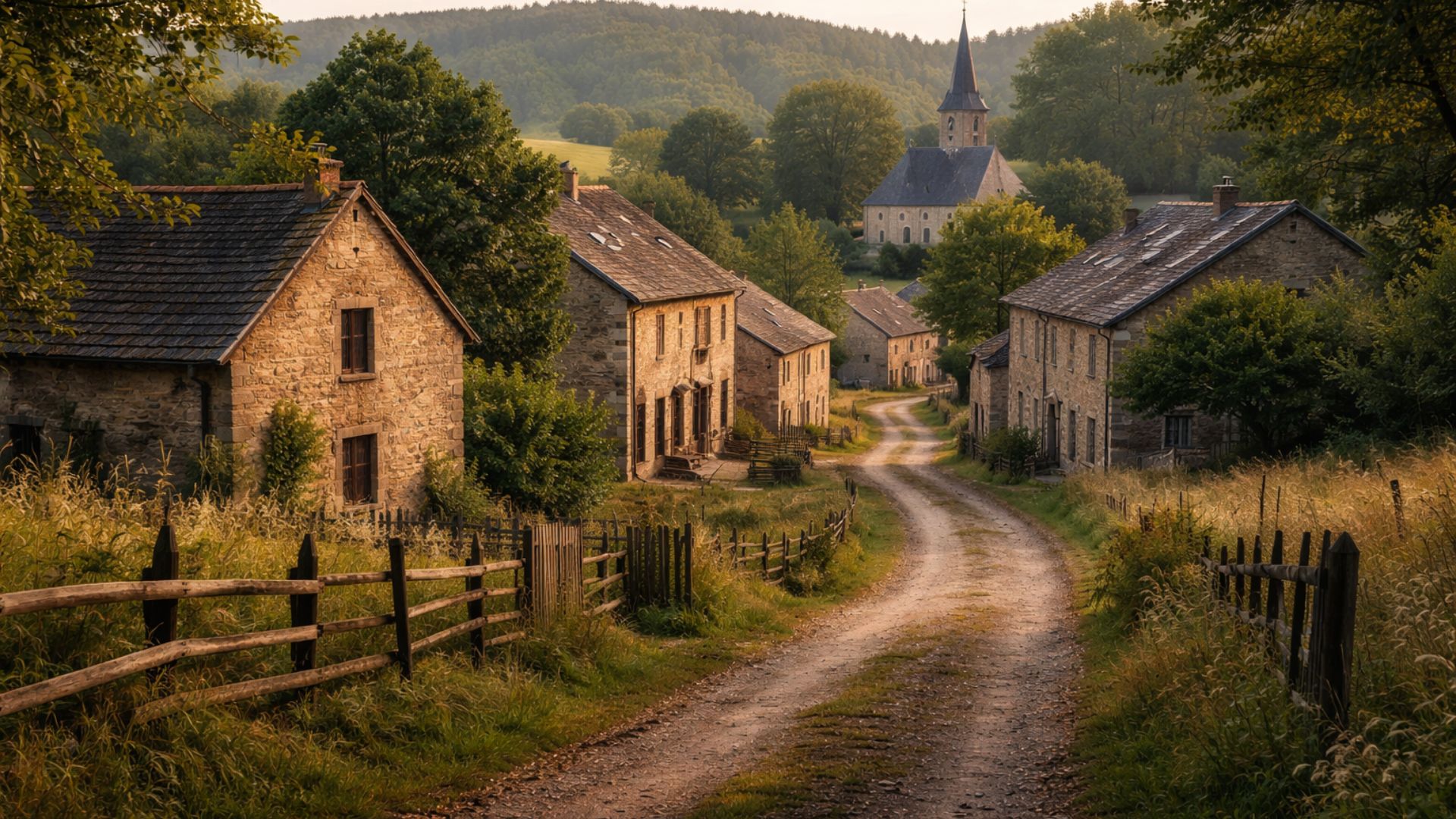


Lesser-Known Episode of European Immigration Reveals How a Frustrated Attempt to Reach Brazil Marked Generations in Luxembourg, Transforming a Collective Failure into a Lasting Social Stigma and, Later, into Reassessed Historical Memory.
A small village in the interior of Luxembourg still bears the marks of an interrupted migration as far back as the 19th century.
Known for decades as “Novo Brasil,” this locality emerged from the failure of an emigration project to the imperial Brazil, which left peasant families directionless, resource-less, and under strong social stigma in one of the territories that would later become the country with the highest per capita income in the world.
The story was reconstructed according to a report published by DW Brasil, which visited the village to listen to residents, consult archives, and understand why this episode remained silenced for so long.
-
A scientist proved with a thermal camera that the fan does not cool the environment but reduces the temperature of your skin by up to 6 degrees thanks to a natural mechanism of the human body that almost no one understands how it really works.

-
Scientists find a new explanation for the origin of Earth, which may have formed solely from material close to the Sun, changing an old theory and indicating that Jupiter may have been the cause of it all.

-
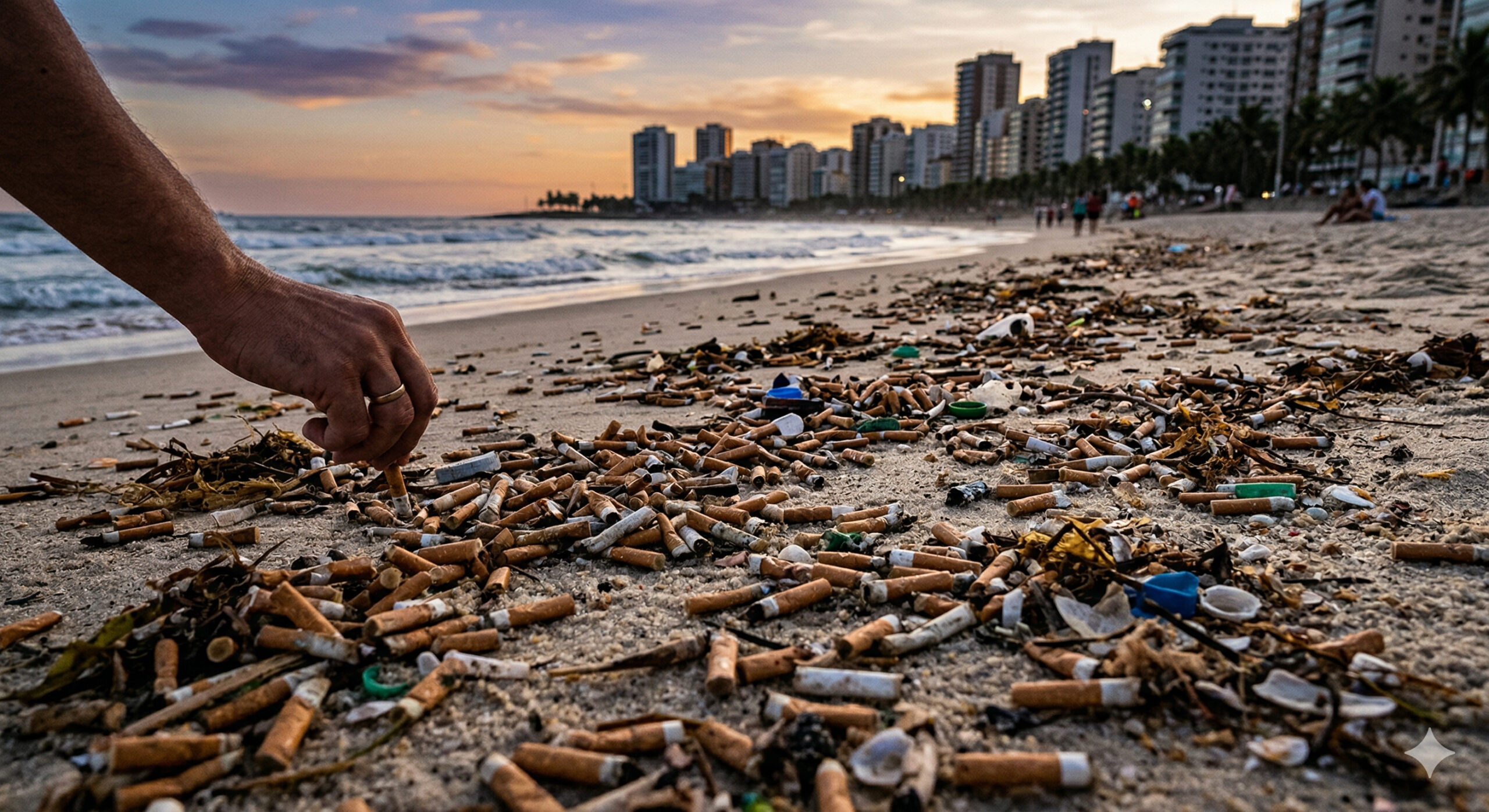
Brazilian beaches are among the most contaminated in the world by cigarette butts, with levels up to 40 times above the global average and areas where this waste already represents the majority of all the trash found.
-
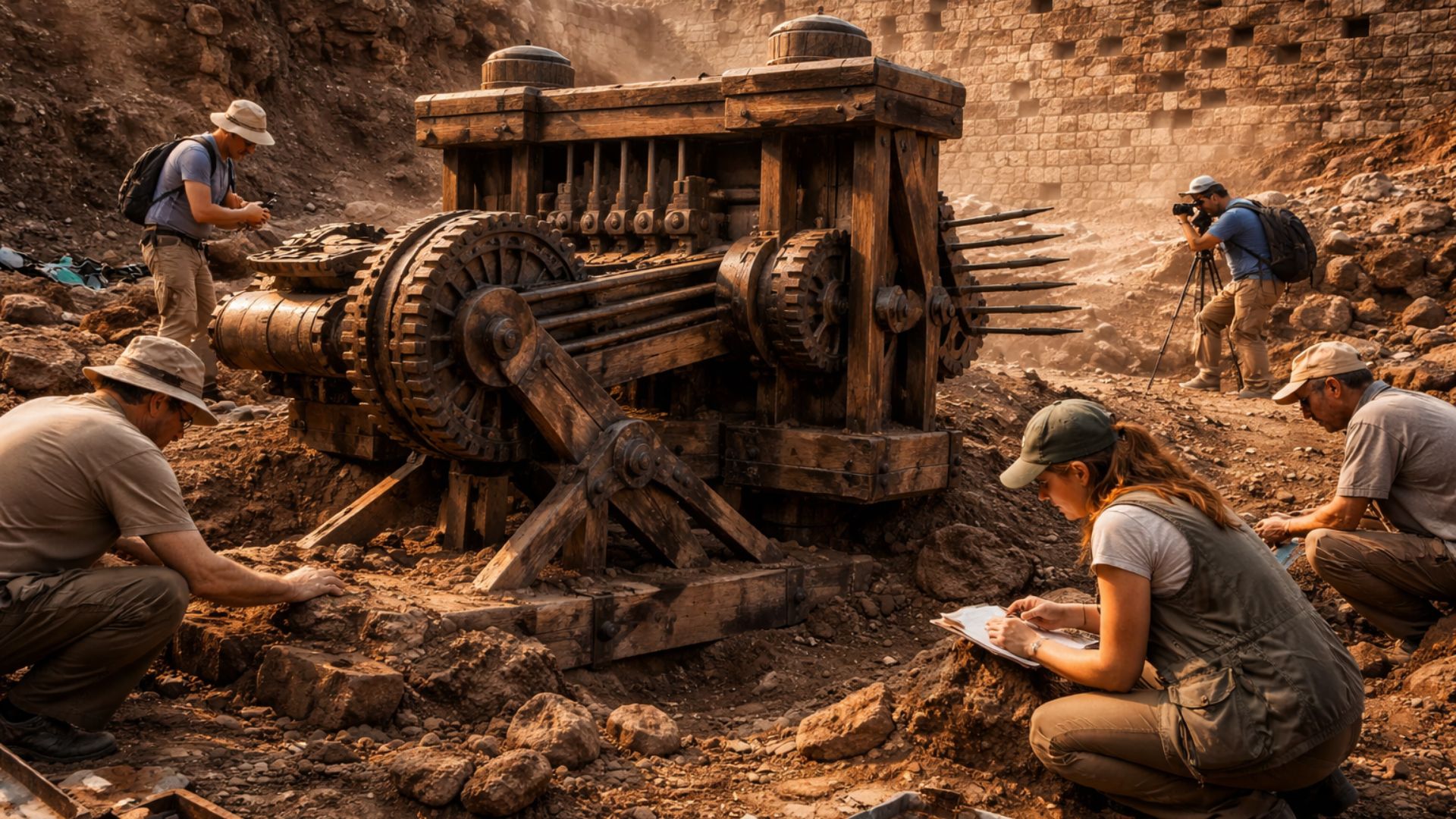
2,000-Year-Old Machine Gun: Roman weapon found in Pompeii fires arrows at 109 m/s with an automatic gear mechanism, leaving perfect geometric patterns on the walls and proving its real use in the siege of 89 B.C.

What emerges is a portrayal of a group that sold everything to attempt to cross the Atlantic but ended up rejected even before boarding, carrying for generations the label of “Brazilians” as synonymous with misery and exclusion.
Luxembourgish Migration in the 19th Century and the Dream of Brazil
In the early 19th century, life in rural Luxembourg was marked by constant difficulties.
Small farmers faced food scarcity, high taxes, and few prospects for social advancement.

In this context, emigration began to be seen as a possible escape, especially in light of the promises associated with Brazil, then ruled by Dom Pedro I.
In 1828, entire groups of families decided to leave.
The expectation was to board a ship bound for South America from the port of Bremen, in present-day Germany.
Advertisements spoke of available lands and a fresh start far from hunger.
However, as the report pointed out, the crossing never materialized for many.
Before boarding, some of these emigrants received word that Brazil had already taken in too many migrants that year, which was considered the first major moment of Luxembourgish emigration to the country.
New groups would not be accepted.
The decision caught entire families by surprise, already out of money and without properties to which they could return.
Rejection, Poverty, and the Origin of Novo Brasil
Without alternatives, these people ended up being settled in a marginal area, described in local accounts as poor land where almost nothing grew.

There, the nucleus that would come to be known as “Novo Brasil” formed, not by identity choice, but as a mark of a frustrated destination.
According to the investigation by DW Brasil, the newcomers were tolerated but not integrated.
They lived in extremely precarious conditions, often in makeshift tents in the forest.
Extreme poverty fueled distrust and fear among the neighbors, who began to see them as potential threats.
Accounts preserved in the oral memory of the region describe that the label of “Brazilian” came accompanied by suspicion of petty thefts, such as food or clothing.
The distrust became so ingrained that it crossed generations.
Even decades later, descendants report that the topic was avoided within their families.
Social Stigma and Silence for Generations
The silence was not coincidental.
As reported in interviews reproduced by DW Brasil, older residents resisted speaking about the topic, preferring to erase it from collective memory.
The “Novo Brasil” became, for a long time, an uncomfortable reference, associated with shame and social exclusion.
This stigma had concrete effects.

There are records that, in the 19th century, the so-called “Brazilians” did not have full access to communal spaces, such as local churches.
In some of them, they could only remain outside.
The symbolic exclusion reinforced the social distance between those who had “failed” at emigration and the other inhabitants of the region.
Still, the marks never completely disappeared.
Visitors to Grevels, now a small village primarily sustained by agriculture, find references scattered throughout the landscape.
Illustrations in a local church summarize the unsuccessful expedition and the foundation of “Novo Brasil,” serving as a visual record of a story that is hard to erase.
Historical Archives and Literature Reconstruct the Narrative
The theme has also started to be revisited outside the village.
DW Brasil highlighted that documents preserved at the National Archives of Luxembourg detail the journey of these emigrants, including lists and administrative records.

The papers show that not everyone was stopped.
Some indeed managed to reach Brazil and establish themselves there.
This distinction helped reassess the homogeneous narrative about the “Brazilians.”
For descendants of those who successfully crossed the ocean, the episode represents a family milestone.
For those who stayed behind, it became a reminder of exclusion.
The story has also inspired cultural productions.
A novel originally published in German and later translated into Portuguese revisited the episode, exploring how former neighbors began to treat each other as unwanted foreigners.
In interviews cited by DW Brasil, the author relates the pejorative use of the word “Brazilian” in that context to contemporary forms of stigmatization of migrants.


Education, Current Immigration, and New Meanings for the Past
Over time, “Novo Brasil” ceased to be just a symbol of failure.
The name began to designate cultural and educational spaces in the region.
Local teachers report that they use the history in the classroom to discuss integration, discrimination, and welcome, especially in a country that today receives asylum seekers from different parts of the world.
This new framing gains even more strength in light of a historical irony.
Grevels is currently home to Brazilian families who have no direct connection to the emigrants of 1828.
Some only discovered the story after moving to the area, noticing the name of the street or neighborhood.
In one of the accounts reproduced by DW Brasil, a Brazilian resident recounts that he only understood the meaning of “Novo Brasil” after researching on his own.
The decision to embrace the name with pride, including national symbols, stands in direct contrast to the past of stigmatization.
The trajectory of the village reveals how a migratory failure can shape identities for centuries and, at the same time, be redefined in light of new experiences.
In a country now known for its wealth, what does this memory say about those who were left behind when the promise to leave did not come to fruition?









Provavelmente o Brasil perdeu muito. Esses imigrantes vinham com grandes propósitos para a agricultura!
Pois é, enquanto os escravisados libertos não tinham nem direito à terra e não podiam possuir nada, os imigrantes que em nada contribuíram para o desenvolvimento do país tinham acesso a propriedade e terras. Vcs acham que os ex escravisados que tocavam as fazendas não sabiam cultivar? Não entendo, sinceramente, a insistência na manutenção da crença na branqui rude europeia benevolente.
Em que parte do Brasil se estabeleceram os luxemburgueses que conseguiram migrar para cá?
Sul do país onde as terras era muito fertil
Antônio Carlos em SC foi a maior colônia. O município é muito bonito e bem cuidado.
Santa Leopoldina, Espírito Santo
Em Santa Leopoldina ES, tivemos uma colônia luxemburguesa. Um dos imigrantes de sobrenome Schaeffer teve muitos filhos e seus descendentes estão espalhados pelo estado, especialmente na região da grande Vitória.