





 Portuguese
  English
  Spanish
  4 min of reading
  0 comments


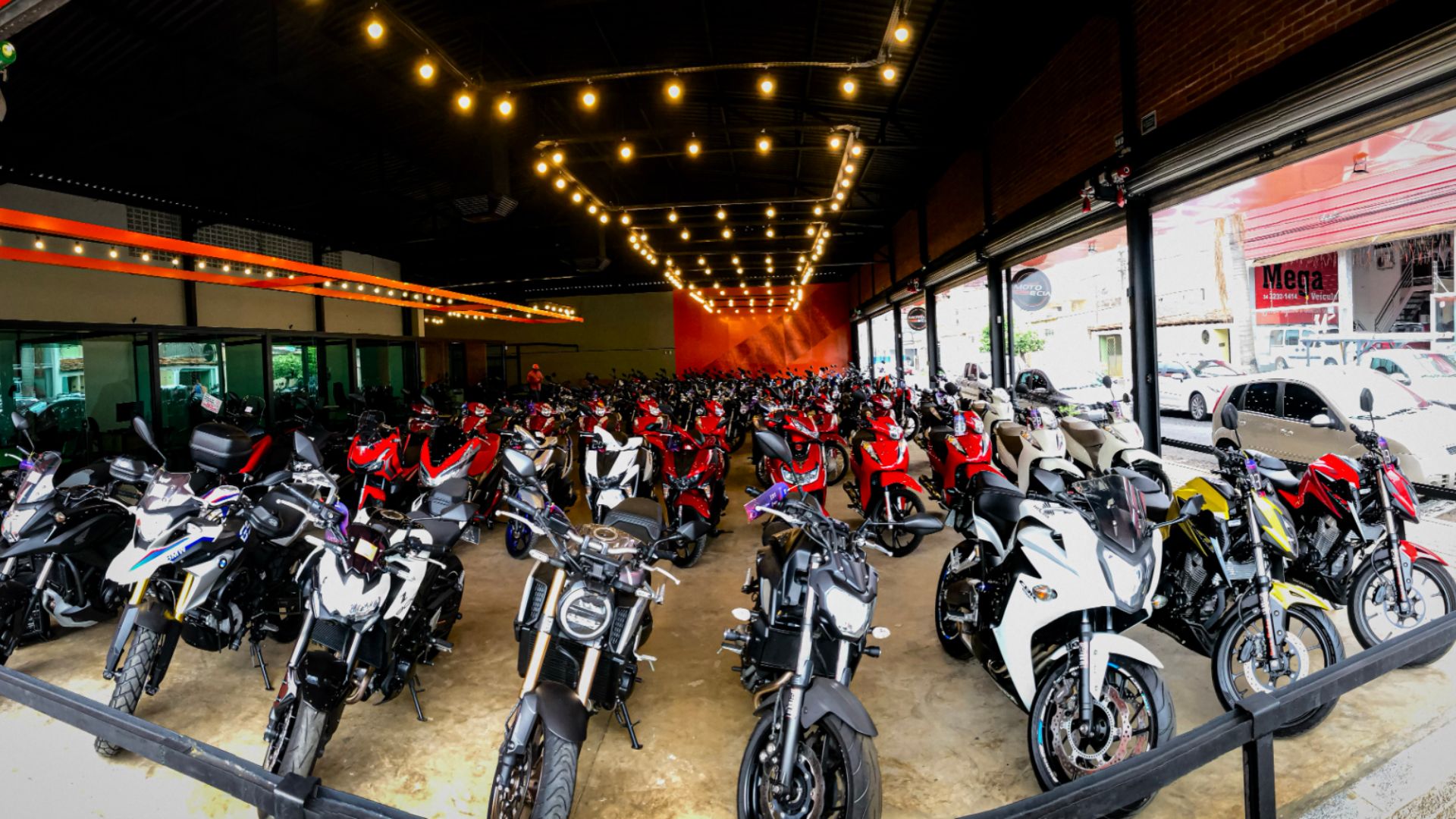
Paraguayan Motorcycles Attract Brazilian Consumers With Lower Prices While Circulation and Import Rules Impose Limitations That Impact Those Who Try to Use These Vehicles in Brazil.
Motorcycles sold in Paraguay for prices up to 50% lower than those practiced in Brazil have attracted a growing number of consumers, especially in border regions.
The search for savings, however, runs up against the strict rules of Brazilian legislation, which impose clear limits on the circulation of foreign vehicles in the country.
In recent months, surveys published by the media indicate that new low-displacement motorcycles in Paraguay cost, in some cases, less than half the price charged for equivalent models in the Brazilian market.
-
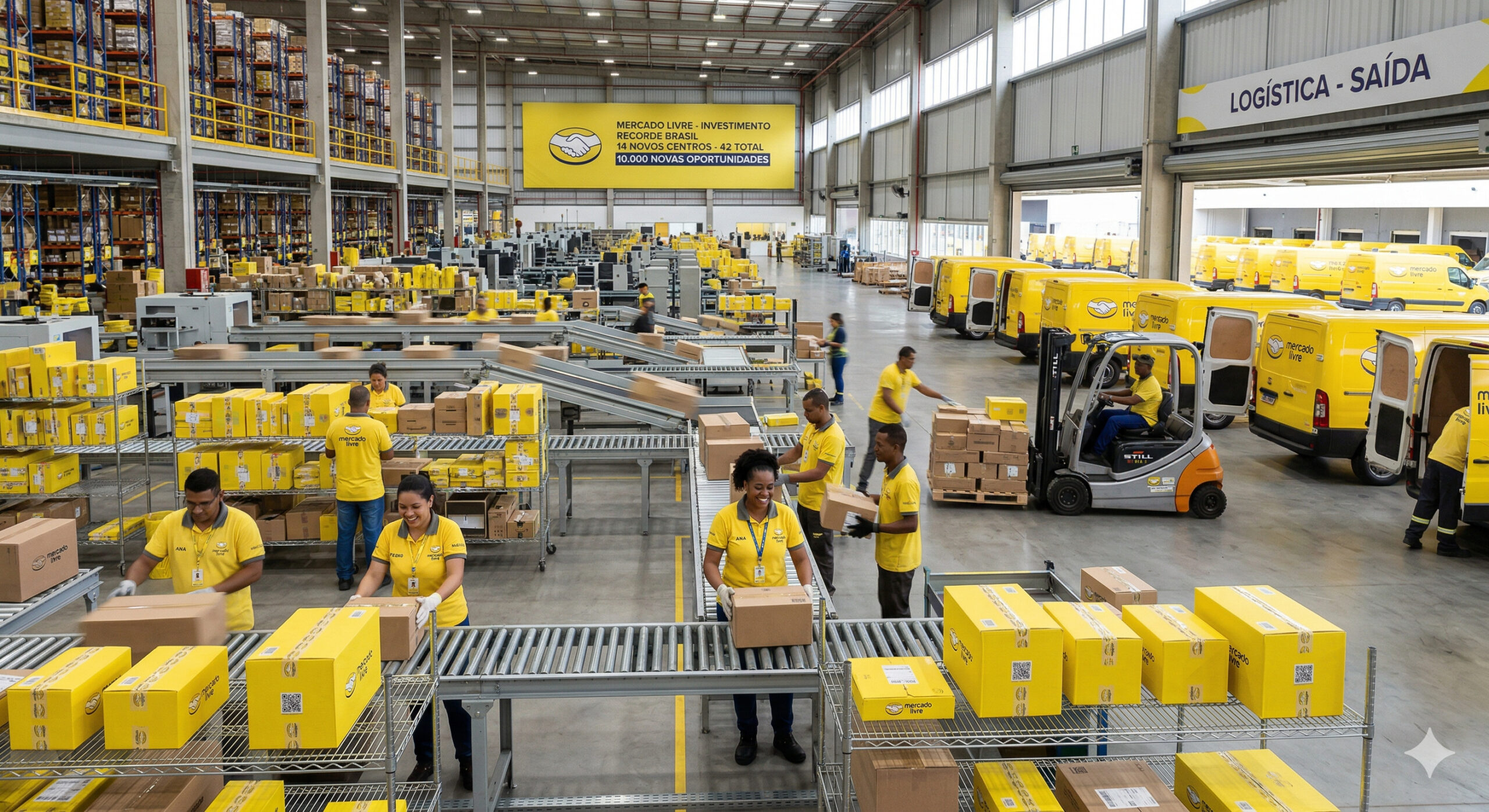
Mercado Livre “opens the vault” and announces a record investment of R$ 57 billion in Brazil in 2026, a value 50% higher than the previous year, with an expansion plan that includes 14 new logistics centers, totaling 42 units in the country and hiring an additional 10,000 employees.
-
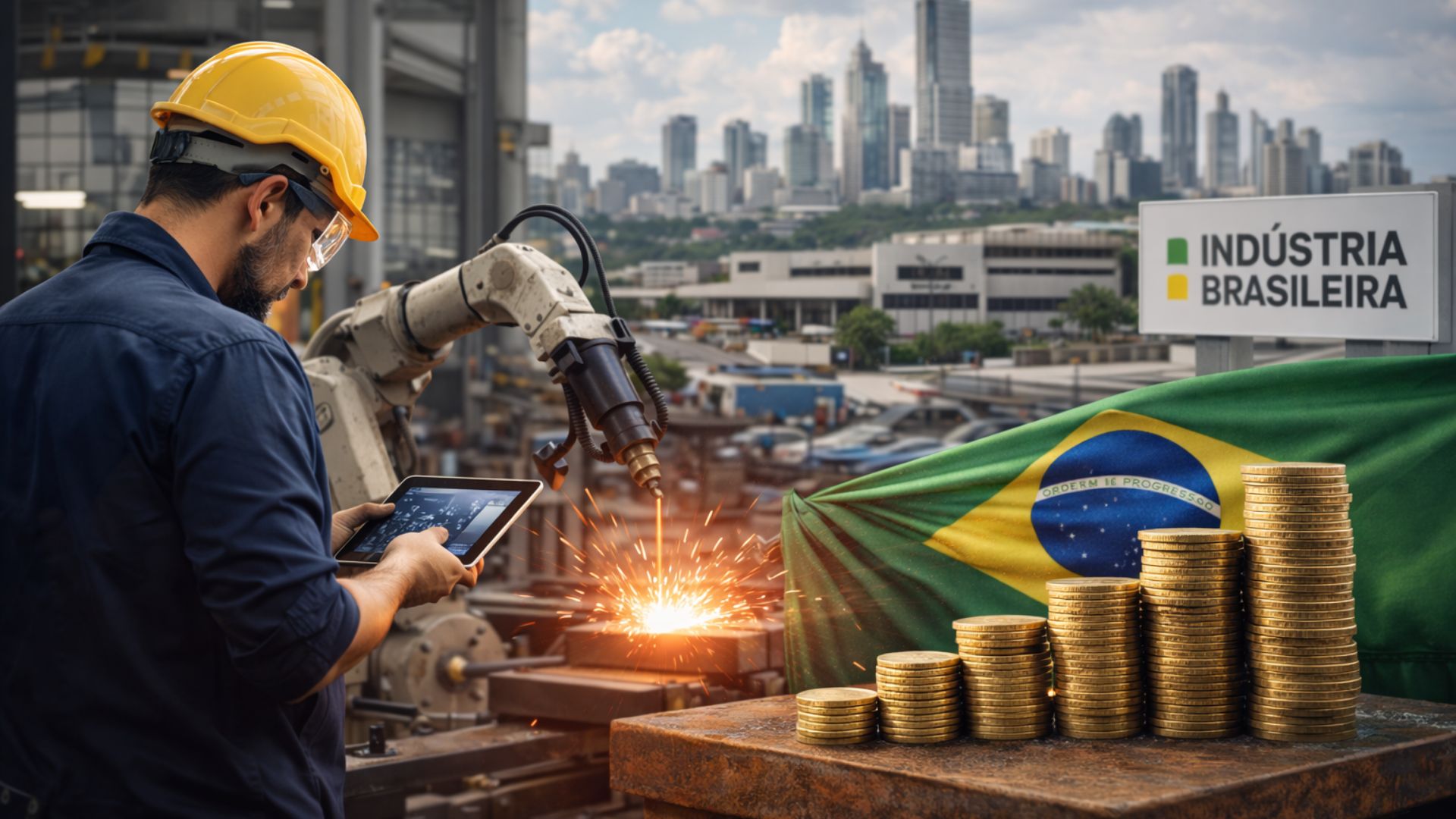
How investment in technology can revolutionize the national economy and enhance industrial gains, according to a study that highlights the direct impact on productivity, innovation, and wealth retention within Brazil.
-
The largest food company on the planet, JBS, has just opened a 4,000 square meter laboratory in Florianópolis to develop customized proteins that modulate muscle mass gain, immune response, and metabolic performance.

-
After nearly 30 bids and competition among industry giants, a Spanish company purchases one of the largest airports in Brazil for almost R$ 3 billion and takes over the management of Galeão in a concession that will last until 2039.


At the same time, agencies such as the Federal Revenue and Federal Highway Police have intensified inspections on highways and border access points due to the increase of vehicles entering the country without proper formalization, according to recent regulations and statements.
Prices and Motorcycle Market in Paraguay
Research released in 2025 shows that, in Paraguay, motorcycles between 100 cc and 125 cc range from R$ 3,000 to R$ 5,000.
In Brazil, similar models exceed R$ 8,000.
Meanwhile, intermediate motorcycles, from 150 cc to 170 cc, are sold between R$ 7,000 and R$ 10,200 in the neighboring country, while in the national market, prices tend to start above R$ 12,000.
Experts in international trade attribute the difference mainly to the lower tax burden applied in Paraguay, in addition to a simpler tax structure.
It also helps that the country acts as a resale hub for imported motorcycles, especially from Asian manufacturers, which reduces costs in the sales chain.
Circulation of Motorcycles With Paraguayan Plates in Brazil
Brazilian regulations allow foreign vehicles to circulate in the country only in specific temporary situations, such as for tourists residing abroad who use the vehicle during their stay.
According to experts in customs legislation, Brazilians living in Brazil are not authorized to use a vehicle registered in another country for everyday use.
In practice, a motorcycle purchased in Paraguay by a Brazilian resident and brought in without a formal import process is not in compliance with legal requirements.
Exceptions exist, but they are restricted to cases provided for in international agreements or situations of properly regularized change of residence.
Legal Risks and Classification for Infringement
The entry of a foreign vehicle without the due payment of taxes and without customs clearance can be classified as smuggling, according to interpretations adopted by regulatory agencies.
In this scenario, there is a possibility of the motorcycle being seized, fines being imposed, and administrative and criminal proceedings being initiated.
Taxes such as Import Tax, IPI, ICMS, and other fees are mandatory in the nationalization process.
The failure to settle these amounts constitutes, according to experts, additional tax infractions.
Motivations That Lead Brazilians to Purchase
Even with the restrictions, many consumers continue to seek motorcycles in Paraguay mainly due to the lower price.
The potential savings are cited as the main attractor by border residents and buyers who report difficulties in acquiring a new motorcycle in Brazil due to higher prices.
Other factors mentioned include the availability of models and brands not officially available in the Brazilian market and easier access for those living in twin cities along the border.


Challenges and Disadvantages for Buyers
The purchase of motorcycles in Paraguay comes with points of attention.
Experts in automotive law remind that Brazil prohibits the importation of used vehicles, except for specific situations, such as collectible items over 30 years old.
As a result, most used motorcycles purchased in the neighboring country cannot be regularized in Brazil.
Even in the case of zero-kilometer models, the formal importation process requires technical and tax steps: approval by agencies such as Inmetro, submission of complete documentation, and payment of taxes on the value of the product, freight, and customs costs.
Experts argue that after summing these amounts, the final cost tends to approach the price of a motorcycle sold officially in Brazil.
There are also practical aspects.
In many cases, motorcycles purchased in Paraguay do not have valid warranties in Brazil and may use components that are uncommon in the national market.
This complicates access to parts and increases repair costs.
Another recurring point mentioned by authorities and technicians is the risk of irregular documentation.
The inspection of the origin and provenance of vehicles in Paraguay differs from that in Brazil, which can lead to the sale of tampered motorcycles or motorcycles with unknown histories.
In these cases, the buyer may lose the vehicle without financial compensation.
Legal Importation Process of Motorcycles
The legal importation of zero-kilometer motorcycles is permitted but involves several formal steps.
The process includes an import license, customs inspection, technical approval, and subsequent registration at Detran.
Documents proving origin, purchase, transport, and insurance are mandatory.
Tax specialists explain that taxes apply to the motorcycle’s value, freight, and any additional costs, which raises the final price.
As a result, industry sources state that direct importation by individuals rarely results in economic advantage compared to purchasing from the already nationalized Brazilian market.
Given the legal requirements and associated costs, the question remains for consumers: is it worth taking the risk of buying a motorcycle in Paraguay given the limitations imposed by Brazilian legislation?






-

-

-

4 pessoas reagiram a isso.