





 Portuguese
  English
  Spanish
  5 min of reading
  0 comments


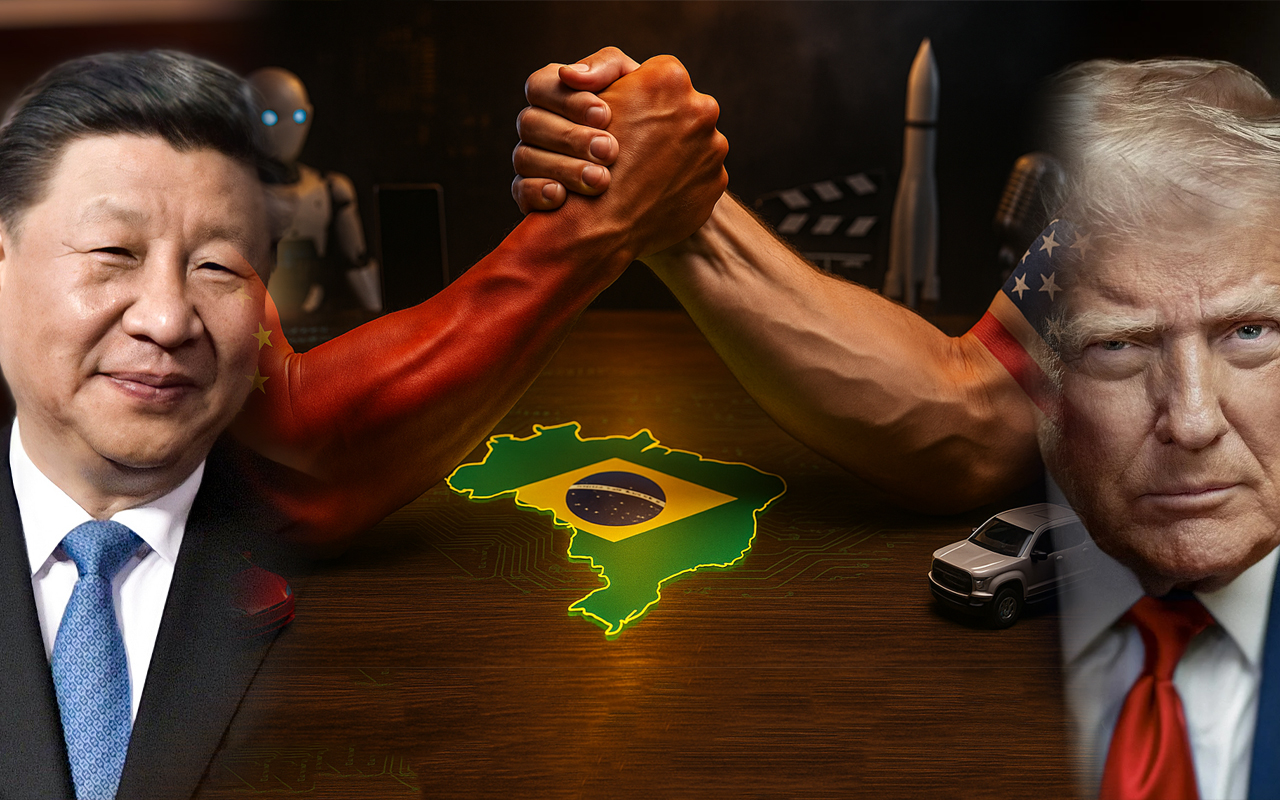
Nexus Survey Shows That China Surpasses the U.S. in Brazilian Perception of Cell Phones, Computers, Cars, Innovation, and Artificial Intelligence. In Space Race, Fashion, and Culture, However, the United States Remains Ahead.
The perception of Brazilians about China and the United States has shifted. A study by Nexus – Data Research and Intelligence, released on September 1, 2025, indicates that China is seen as being better evaluated in the production of cell phones, computers, and cars, and as more innovative and advanced in artificial intelligence.
The survey, according to Nexus, interviewed 2,005 people across all 27 federative units between August 15 and 19, with a margin of error of 2 percentage points and 95% confidence. According to reports that published the results, it indicates a consistent change in the technological image of the Asian country in Brazil.
Despite this progress, there are areas where American soft power still holds weight. In the space race, the textile industry, and cultural aspects, the U.S. maintains a perceived advantage among a significant portion of the public. The situation is one of dynamic balance: China as a reference in technological goods and the U.S. as a hub of culture and aspiration.
-
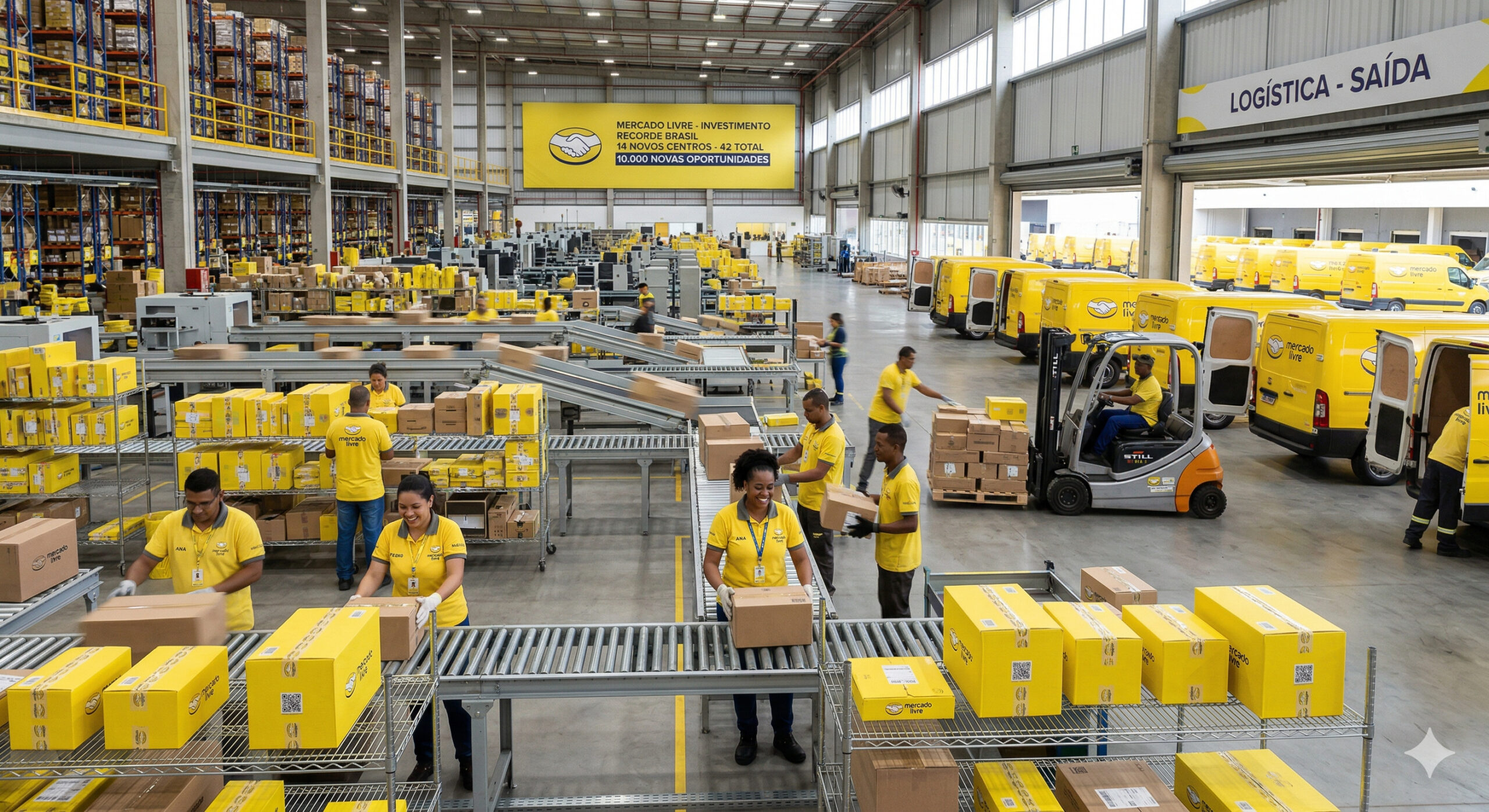
Mercado Livre “opens the vault” and announces a record investment of R$ 57 billion in Brazil in 2026, a value 50% higher than the previous year, with an expansion plan that includes 14 new logistics centers, totaling 42 units in the country and hiring an additional 10,000 employees.
-
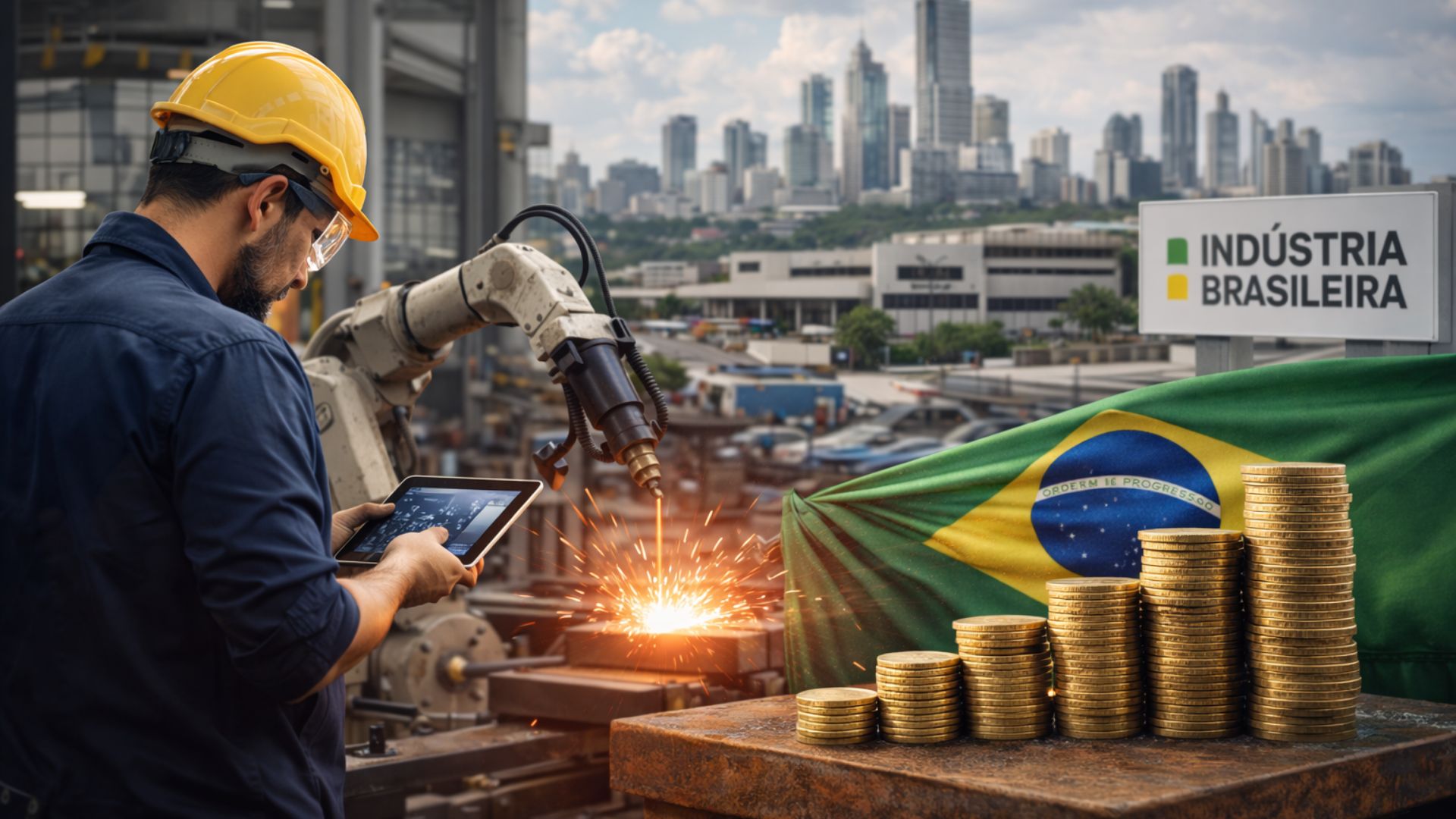
How investment in technology can revolutionize the national economy and enhance industrial gains, according to a study that highlights the direct impact on productivity, innovation, and wealth retention within Brazil.
-
The largest food company on the planet, JBS, has just opened a 4,000 square meter laboratory in Florianópolis to develop customized proteins that modulate muscle mass gain, immune response, and metabolic performance.

-
After nearly 30 bids and competition among industry giants, a Spanish company purchases one of the largest airports in Brazil for almost R$ 3 billion and takes over the management of Galeão in a concession that will last until 2039.


Chinese Electronics Like Cell Phones and Computers Lead Preferences in Brazil
In electronics, the numbers are compelling. Six out of ten Brazilians (62%) claim to prefer Chinese cell phones and computers; 30% opt for American ones, and 8% did not know how to respond. Among young people aged 16 to 24, the preference rises to 64%, and in the Northeast, seven out of ten highlight products from China. These cuts help explain why Chinese brands have consolidated as synonymous with cost-effectiveness and innovation in the national market.
The data interpretation suggests that the comparison is not limited to price. Consumers increasingly identify perceived quality and update frequency in Chinese devices. According to the analysis published with the study, China has come to be associated, in the Brazilian imagination, with technological leadership in the areas of smartphones and personal computers.
This preference for Chinese electronics also appears in lower income brackets, reinforcing the thesis of accessibility with performance. In higher income brackets and among those with higher education, there is more loyalty to American brands, a classic segmentation of premium positioning and software ecosystems.
Chinese Cars vs. American Cars: Close Competition and Regional Cuts
In the automotive sector, the scoreboard is more balanced, but still with a slight Asian advantage. 47% of Brazilians prefer Chinese cars, compared to 40% who choose American vehicles. In the South, China reaches 52% approval. This data aligns with the growing presence of Chinese brands in the country and the perception of embedded technology and connectivity as differentiators.
On the other hand, the survey shows that higher income and higher education tend to favor the choice of U.S. brands, possibly due to brand history, post-sale performance, and a consolidated portfolio in pickups and SUVs. This segmentation suggests a market divided by attributes and value positioning.
The macro context also matters; parallel research from Nexus on foreign trade has pointed to the weight of the United States as a supplier of strategic items to Brazil, while China expands its prominence in consumer goods and technology, a scenario that influences consumer choices.
Innovation and Artificial Intelligence Show Perceived Leadership of China
When it comes to innovation and artificial intelligence, the curve sharpens. For 67%, China innovates more than the U.S.; in AI, the advantage is 59% to 31% in favor of the Chinese. Among young people and in the North and Central-West regions, the pro-China perception is even stronger, indicating generations and territories more sensitive to new technologies and digital services.
This picture is consistent with international studies that measure public sentiment about AI. In July, Ipsos reported that 66% of Brazilians say they have a good understanding of what artificial intelligence is, and 57% say they are enthusiastic about its use in products and services, a relatively high level compared to the global average. This data helps contextualize why Chinese leadership in AI finds fertile ground in public opinion.
Experts consulted during the study’s coverage noted that Brazilians associate China with a rapid cycle of applied innovation from smartphones to electrified vehicles, passing through AI-powered services. This combination reinforces the reading of technological leadership of the Asian country.
Where the U.S. Still Leads: Space Race, Fashion, and Culture
The same survey records the U.S. advantage in the space race. For 59% of respondents, Americans are more advanced than China, a perception stronger among those with high income and higher education. In the textile industry, 46% prefer clothes made in the U.S., compared to 41% who value Chinese items. In the cultural field, 47% of Brazilians report identifying more with the U.S., while 42% cite China.
This segmentation reveals the coexistence of two forces: technological hard power associated with China and cultural soft power associated with the U.S. Preference for music, cinema, and lifestyle of Americans remains a relevant symbolic asset, even with the technological rise of China in the consumer’s imagination.
Analysts remind us that, in the recent geopolitical debate, part of the Brazilian public has shown itself to be more open to dialogue with the BRICS, which may also reshape perceptions of China and the U.S. in the medium term.
Consumption Preference Does Not Define Life Project: Desire to Live in the U.S.
A data point that contradicts the technological trend: if they could choose, 61% of Brazilians would like to live in the United States; 25% would opt for China. In other words, perceived quality of products does not automatically translate into desired life destination. Influences include language, culture, career opportunities, and income associated with the American market.
The age segmentation reinforces the point: among young people aged 16 to 24, the desire to live in the U.S. rises to 70%. Even in regions where China performs well in electronics, the U.S. still wins as a life project. This dissent deserves attention from brands, governments, and market strategists.
For retail and industry, the insight is clear: the purchase decision may favor China today, but the cultural and educational attractiveness of the U.S. remains decisive across layers of society. Positioning, messaging, and partnership strategies need to consider this ambivalence.







-

-

-

7 pessoas reagiram a isso.