





 Portuguese
  English
  Spanish
  3 min of reading


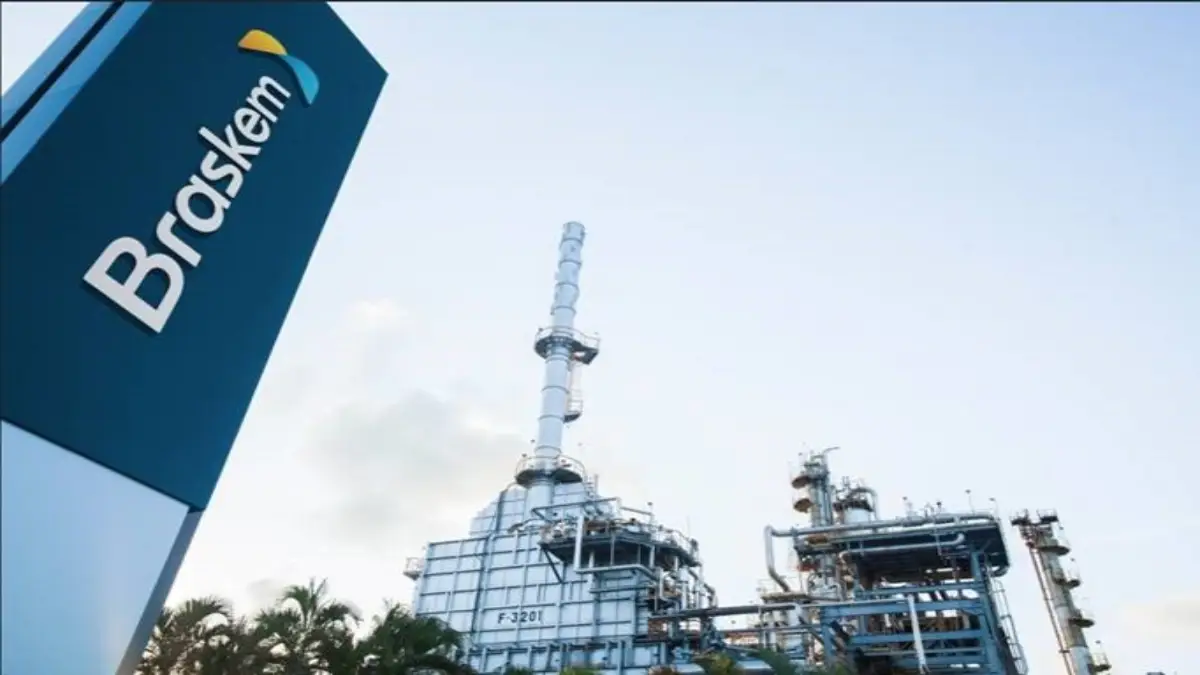
Braskem’s Joint Venture with Asian Distributor Focused on Transforming Renewable Compounds into Bio-MEG
On March 24, the company Braskem announced the signing of a contract with Sojitz Corporation, a chemical and polymer distributor with a strong presence in the Asian market. The contract in question concerns the consolidation of a joint venture (JV) aimed at the manufacturing and commercialization of bio-MEG (monoethylene glycol) and bio-MPG (monopropylene glycol), which is still subject to confirmation by the relevant competition authorities.
According to the news outlet Broadcast, Braskem also added that the business plan for the joint venture with the Japanese distributor aims to invest, right from the first phase, in the implementation of three industrial plants, provided that the necessary technology development has already been completed.
Support and Participation from Danish Company
Furthermore, Braskem, which just inaugurated the first mechanical recycling project in Brazil, emphasizes that the technology to be developed by the joint venture with the Asian distributor will receive support and expertise from the Danish company Haldor Topsoe. This company began producing a demonstration unit in 2019 to validate key phases of the pioneering technology that transforms renewable feedstocks, such as dextrose or sucrose, into bio-MEG.
-
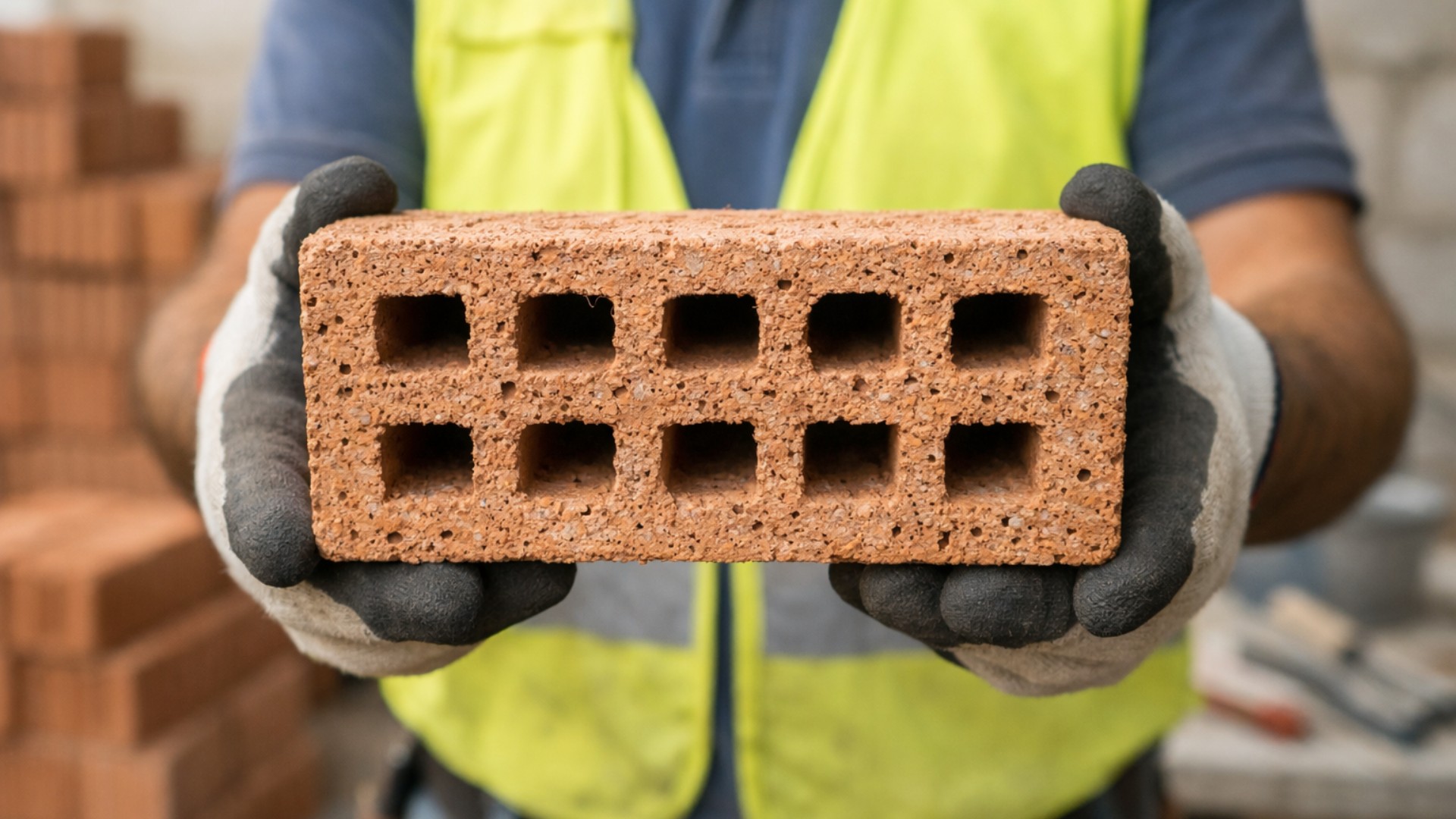
Scientists use sawdust mixed with clay to create a lighter brick, promising efficient thermal insulation and impressing by transforming waste into a solution for construction.
-
With a DNA shape, this bridge in Singapore draws attention in modern architecture and surprises tourists by transforming a simple crossing into an unforgettable visual experience in the urban heart.

-
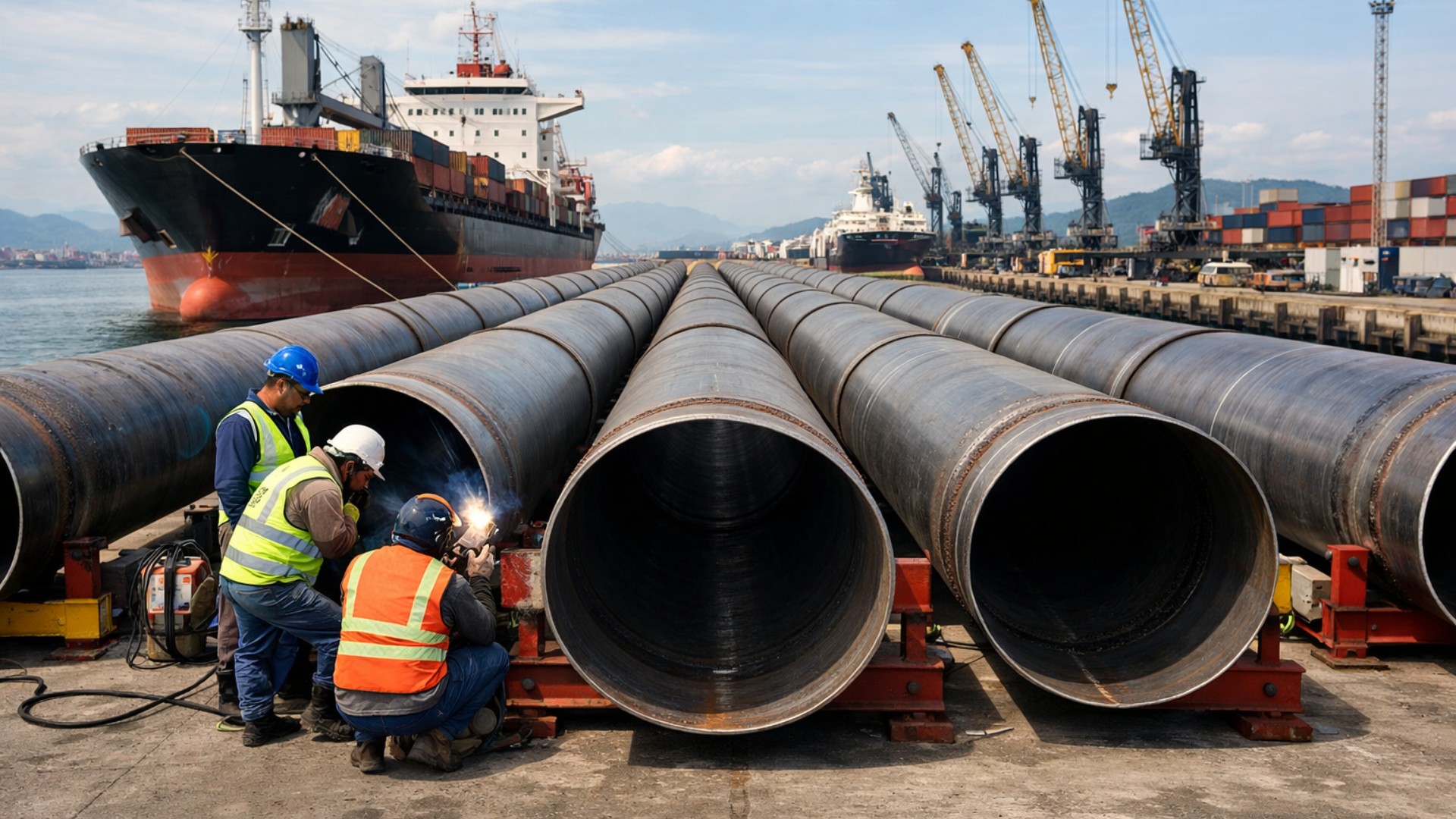
Giant underwater pipeline begins to take shape with a R$ 134.7 million project at the Port of Santos: the 1.7 km structure uses 12-meter and 700 mm pipes to supply water to 450,000 people in Guarujá.
-
A mason reveals a professional plastering technique that uses aligned guides and a 3-meter ruler to plaster an entire wall in up to 3 hours, without visible seams, with uniform thickness, perfect plumb, and a finish ready for painting without rework.


Goals to Be Followed by the Joint Venture
In a statement sent to the Securities and Exchange Commission (CVM), Braskem highlights that the joint venture with the distributor Sojitz is aligned with the following goals of Braskem: carbon neutrality by 2050; geographical and industrial diversification; reinforcing global leadership in biopolymers to meet customer needs; and developing sustainable solutions in Circular Economy.
About Braskem
Founded in August 2002 and headquartered in São Paulo, since 2020, it has been under the leadership of Roberto Simões. With more than 7,600 employees and revenue exceeding 14 billion dollars, Braskem is a global petrochemical company aimed at creating sustainable solutions for chemistry and plastics. To continue achieving this, it has formed other very positive partnerships.
About Sojitz Corporation
Established in 2003 from the merger of Nissho Iwai Corporation and Nichimen Corporation, the distributor is a Japanese conglomerate based in Tokyo, operating in various industrial sectors. Today, the Sojitz Group consists of approximately 400 subsidiaries and affiliates located in Japan and around the world, developing extensive operations in general trade companies across various countries and regions, and will further grow from the joint venture with Braskem.
Distributors Reduce Ethanol Purchase Volume After Losing Competitiveness Against Gasoline. Mills Are Lowering Prices to Try to Reduce Stocks
In recent months, there has been a decline in ethanol demand at gas stations due to its high price compared to gasoline. Consequently, a chain reaction is being created, leading to a decrease in ethanol prices at the pumps. The current situation has also been observed by ethanol-producing mills – in January, São Paulo industries sold the lowest volume of hydrated ethanol for the month in 20 years to distributors, according to research from the Center for Advanced Studies in Applied Economics (Cepea/USP).
The research also reported that the volume traded in the first month of 2022 is the lowest since 2002, with an even smaller quantity recorded in November 2021. Compared to December, the volume of ethanol traded was 17% lower in January this year. To read this article in full, just click here.







Seja o primeiro a reagir!