





 English
  Francês
  Alemão
  Italiano
  Japonês
  Norueguês
  Portuguese
  Spanish
 3 min of reading


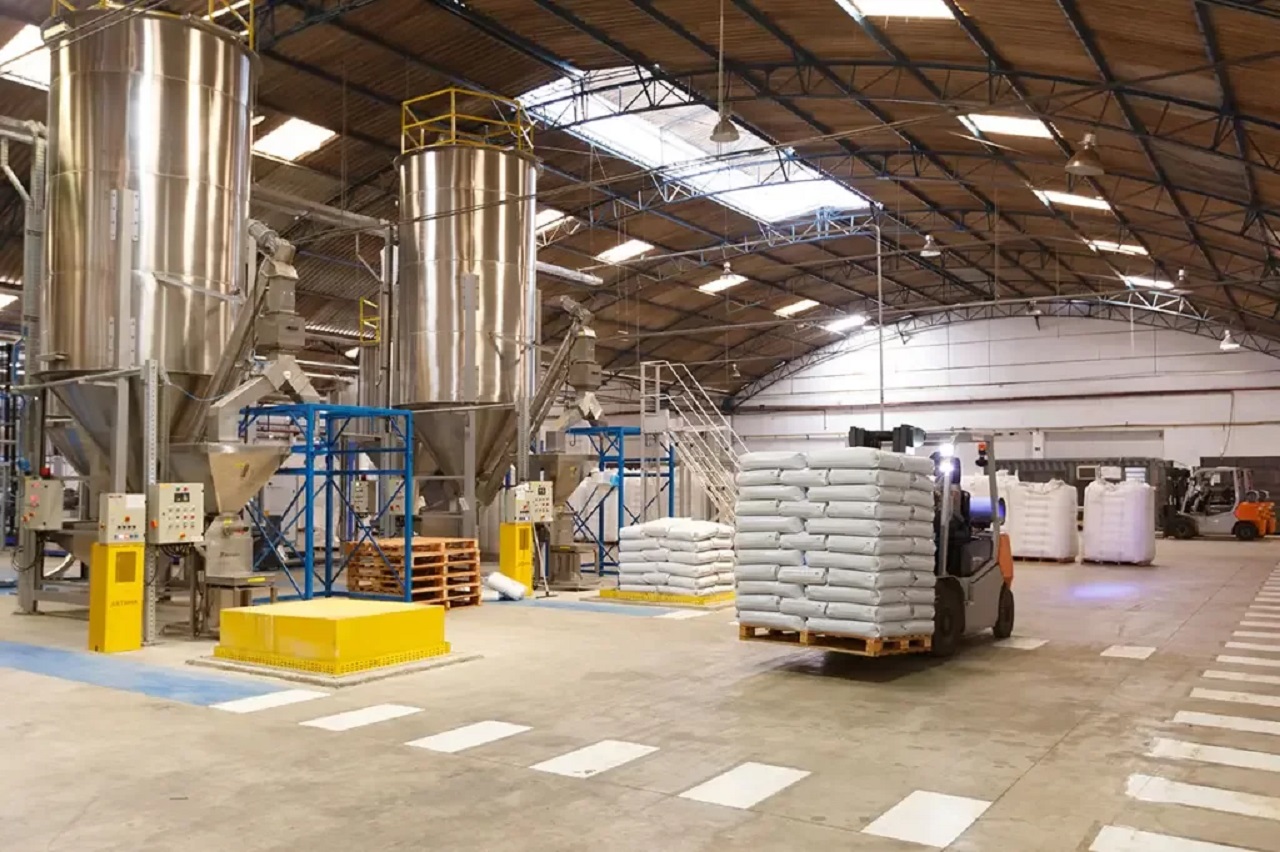
Braskem, in partnership with Valoren, has started the construction of its first advanced recycling plant in Brazil. The company will invest R$ 44 million in the facility, which will be responsible for recycling 6 thousand tons per year.
Separating waste between non-recyclable and recyclable, paying attention to the selective collection made by the municipality where one lives or local NGOs, disposing of them safely, and using the services provided by various sustainability agents, such as cashback companies, Voluntary Delivery Points (PEVs), and machines for exchanging waste for benefits, called Return Machines, are initiatives that are part of the Modus Operandi, something that is already well known by those who care and collaborate with the recycling of materials, such as Braskem.
Braskem is Starting the Works for Its First Recycling Plant
This is an action of extreme importance for the whole world, considering that, in addition to mitigating the amount of waste and its accumulation in nature, it can also reduce the use of fossil-derived raw materials. However, the truth is that, until plastic waste is transformed into a new product, a multi-step process is carried out by companies committed to contributing to sustainability worldwide, and Braskem is part of this group.
The company invests in several initiatives that promote the reintegration of plastic material into the production chain, and all are linked to its commitments to the UN’s 2030 Agenda for Sustainable Development.
-
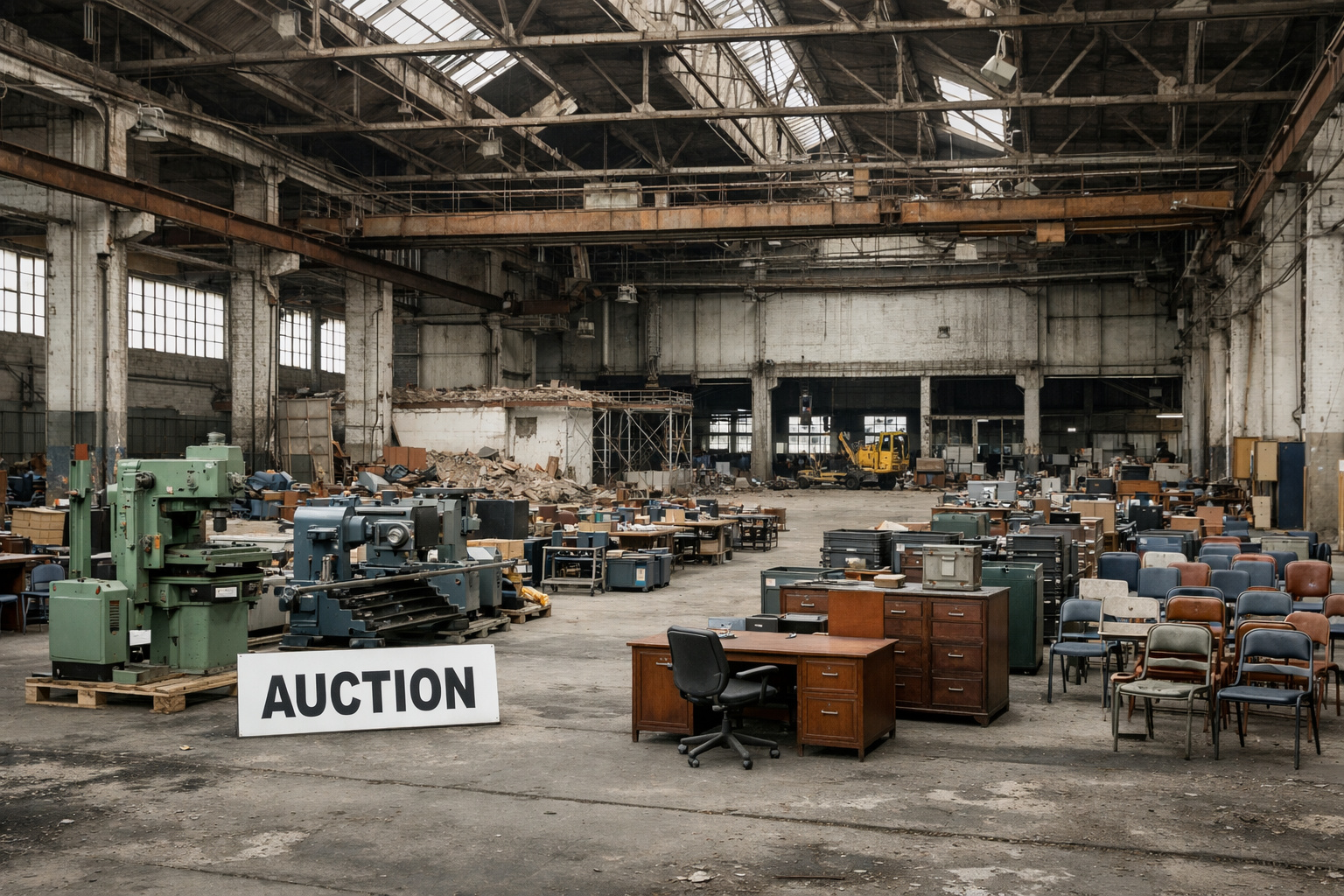
Historic bankruptcy of Centauro shocks the market, and the century-old company puts more than 500,000 products, machines, and complete infrastructure up for online auction.
-
Renewable energy advances over protected areas in Brazil, and a survey by the Energy Transition Observatory reveals silent impacts that challenge environmental conservation and pressure sensitive traditional territories.

-
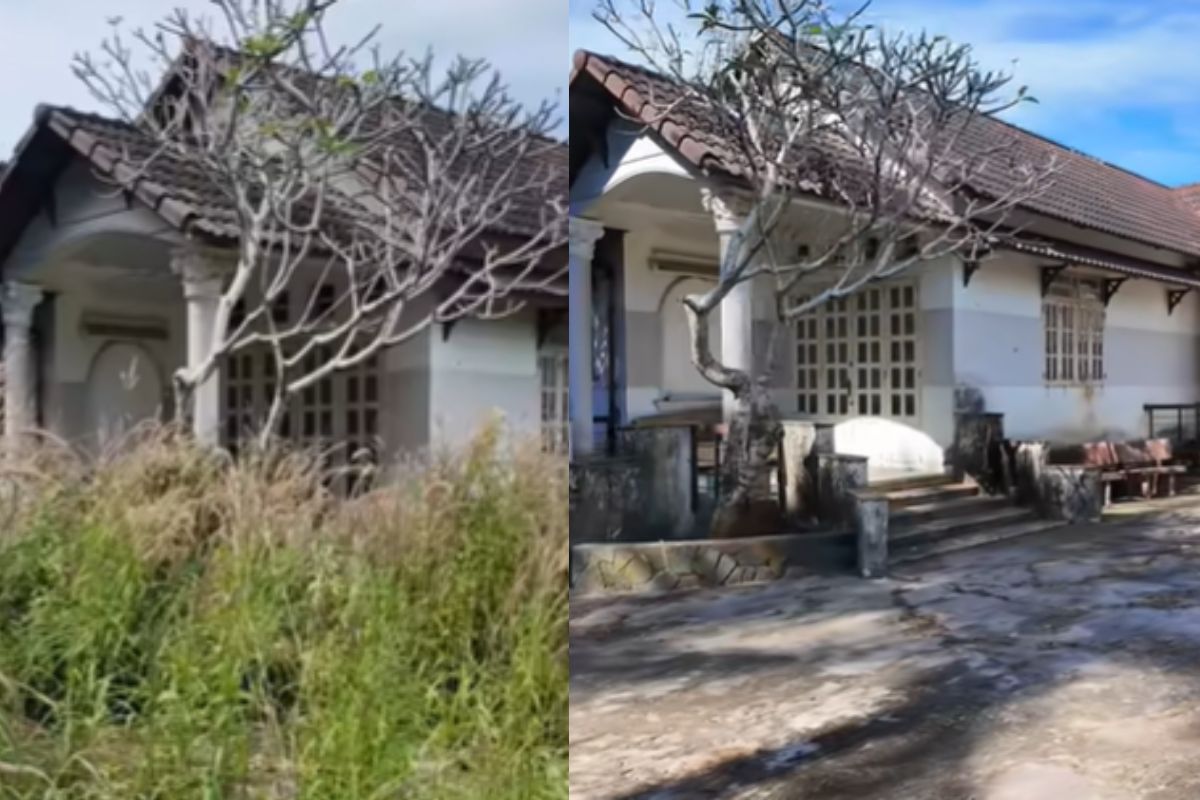
Abandoned house for 15 years disappears in the woods, shocks owner with unrecognizable scenery and is reborn in an intense transformation after almost 90 hours of work in just 10 days.
-
Rio Grande do Sul accelerates energy transition: State invests in renewable technologies and consolidates decarbonization strategies and pathways to attract billions in new industrial investments.


In March, Braskem and Valoren, the company responsible for technology development, inaugurated a mechanical recycling plant in the city of Indaiatuba, in the interior of São Paulo.
It is important to emphasize that the mechanical recycling used by Braskem’s plant is the process in which packaging is shredded into small pieces, called flakes, which are washed, undergo an extrusion process, and form pellets, small spheres of thermoplastic resins.
Braskem and Valoren’s Recycling Plant Receives Investment of R$ 67 Million
The unit of the companies in SP received an investment of approximately R$ 67 million and will transform around 250 million post-consumer packaging per year, made of polypropylene and polyethylene, into 14 thousand tons of high-quality recycled resin.
These resins, in turn, will be reused as raw material for the transformation sector to give rise to a new product. Another process that contributes to the reduction of plastic waste is advanced recycling, which stands out due to the use of chemical processes that often apply heat as the main agent to convert plastic waste into certified circular raw material.
After collection, separation, and washing of the waste, these will be sent for depolymerization, which is linked to the breaking down of molecules into simpler ones that, as a result, give rise to certified circular raw material.
New Recycling Plant to Be Inaugurated in 2023
Confirming Braskem’s actions towards reducing plastic waste, the company has begun constructing its first advanced recycling plant in Brazil, which will also be built alongside Valoren.
The unit, which is expected to be inaugurated in the first half of next year, will have the capacity to produce up to 6 thousand tons of circular products annually and will have a joint investment of approximately R$ 44 million.
The two recycling techniques are complementary and are used to transform various types of plastic waste. Thus, together they aid the company’s progress towards meeting its sustainable development goals.
According to Braskem’s Director of Circular Economy in South America, Fabiana Quiroga, Braskem strongly believes in these pathways, and therefore seeks to increasingly promote initiatives focused on the circularity of plastic.









Seja o primeiro a reagir!