





 Portuguese
  English
  Spanish
  3 min of reading
  0 comments


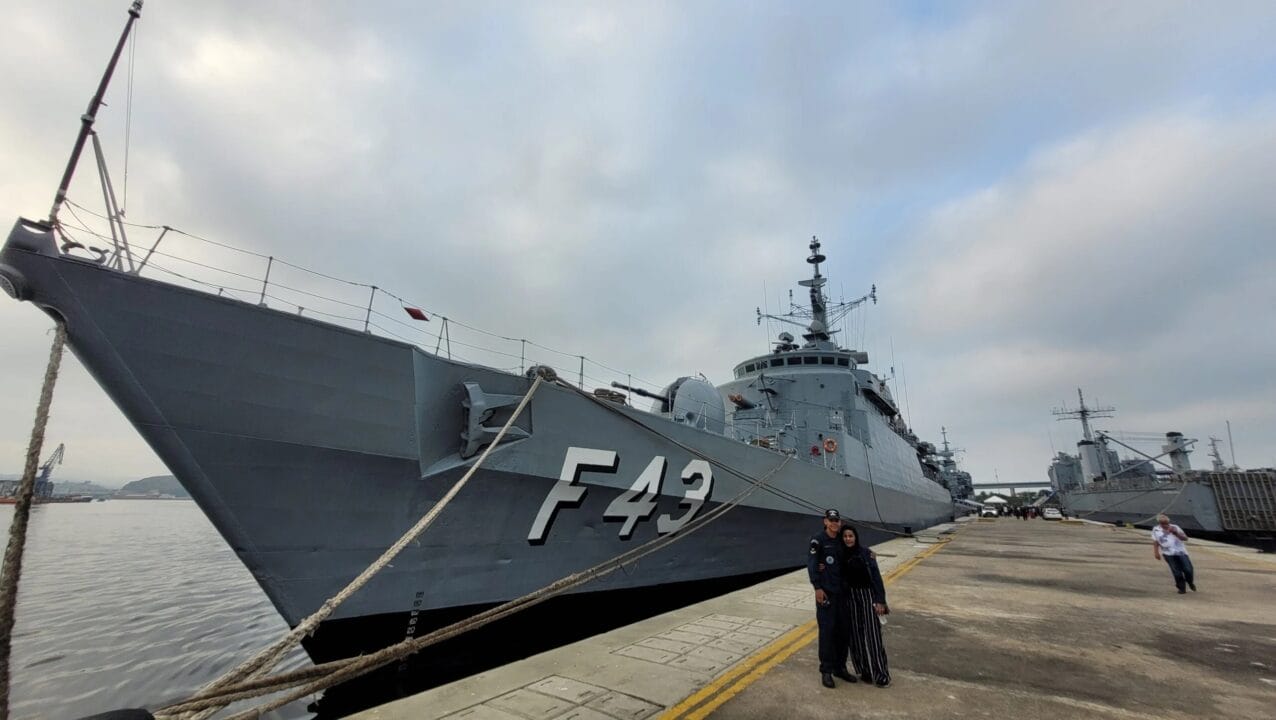
The Brazilian Navy is Among the Top in the Rankings of the Most Powerful. Understand How the List Works and How the Brazilian Navy Positions Itself Within It.
The list of the Most Powerful Navies in the World was presented in the latest report from the World Directory of Modern Warships. In this article, we will see the methodology used to evaluate the 36 navies included in the list, which ones came out on top, and where the Brazilian Navy stands in the global ranking.


Annually, the World Directory of Modern Warships, also known by its English acronym WDMMW, presents a report that offers a ranking of the largest navies in the world. In 2023, this report brought several surprises and twists, especially among the 10 largest navies. However, one of the main surprises was the position of the Brazilian Navy, which surpassed several traditional powers in Europe, demonstrating the great potential of its fleet and a leadership position among the navies of Latin America.
What Is the Importance of This Ranking?
What makes the ranking generated by the World Directory of Modern Warships interesting is its method of evaluating the navies included in the list. Instead of simply analyzing the units of each navy to create a list that would consider only the combined power of the warships, they use a formula that takes into consideration the quality of the ships of each navy, their average age, as well as each navy’s ability to modernize and provide logistical support for their war units in attack and defense operations.
-
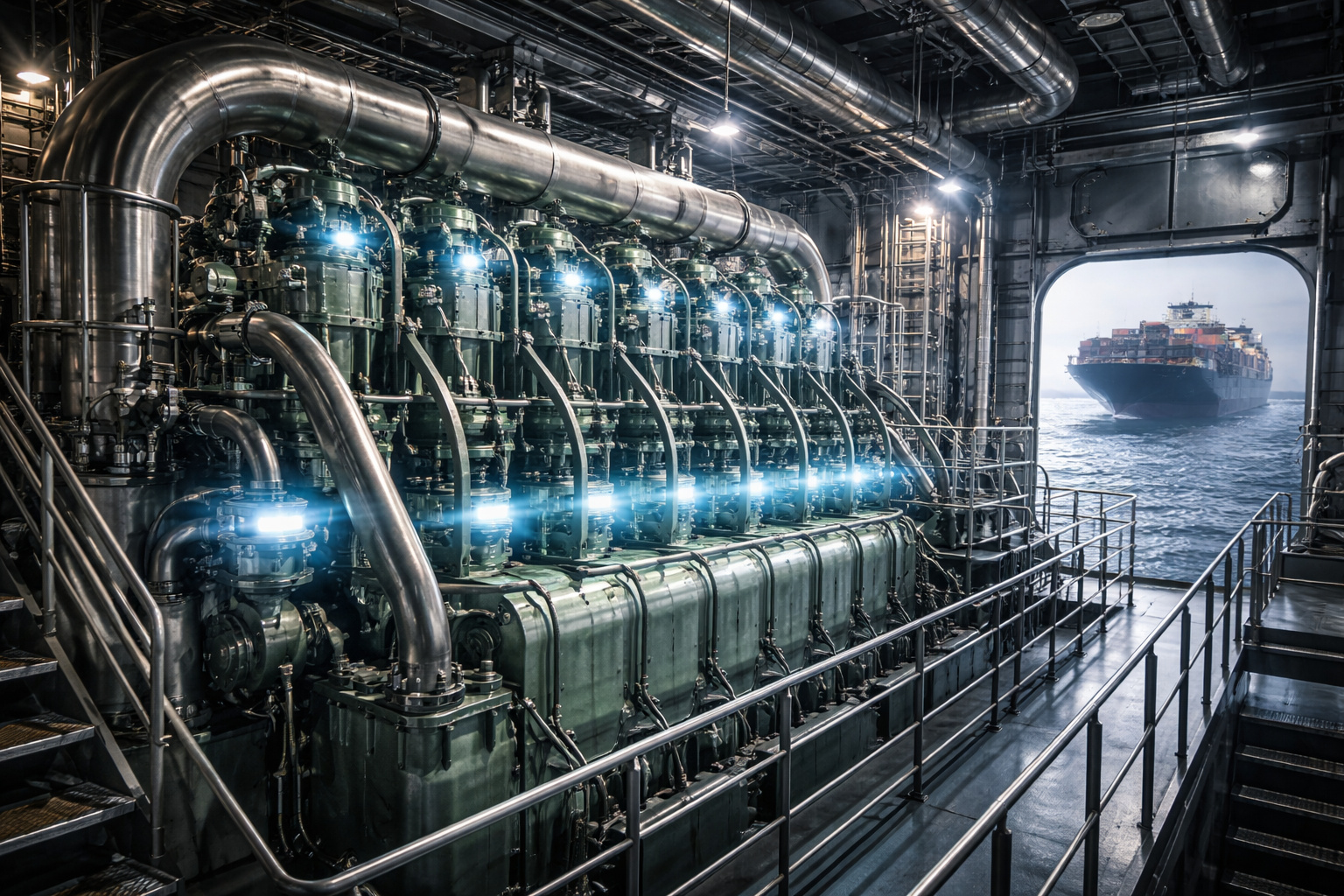
Europe is trying to create an ammonia-powered marine engine without auxiliary fuel, which could unlock the race for giant emission-free ships. The technology aims to eliminate one of the biggest obstacles to clean maritime propulsion.
-
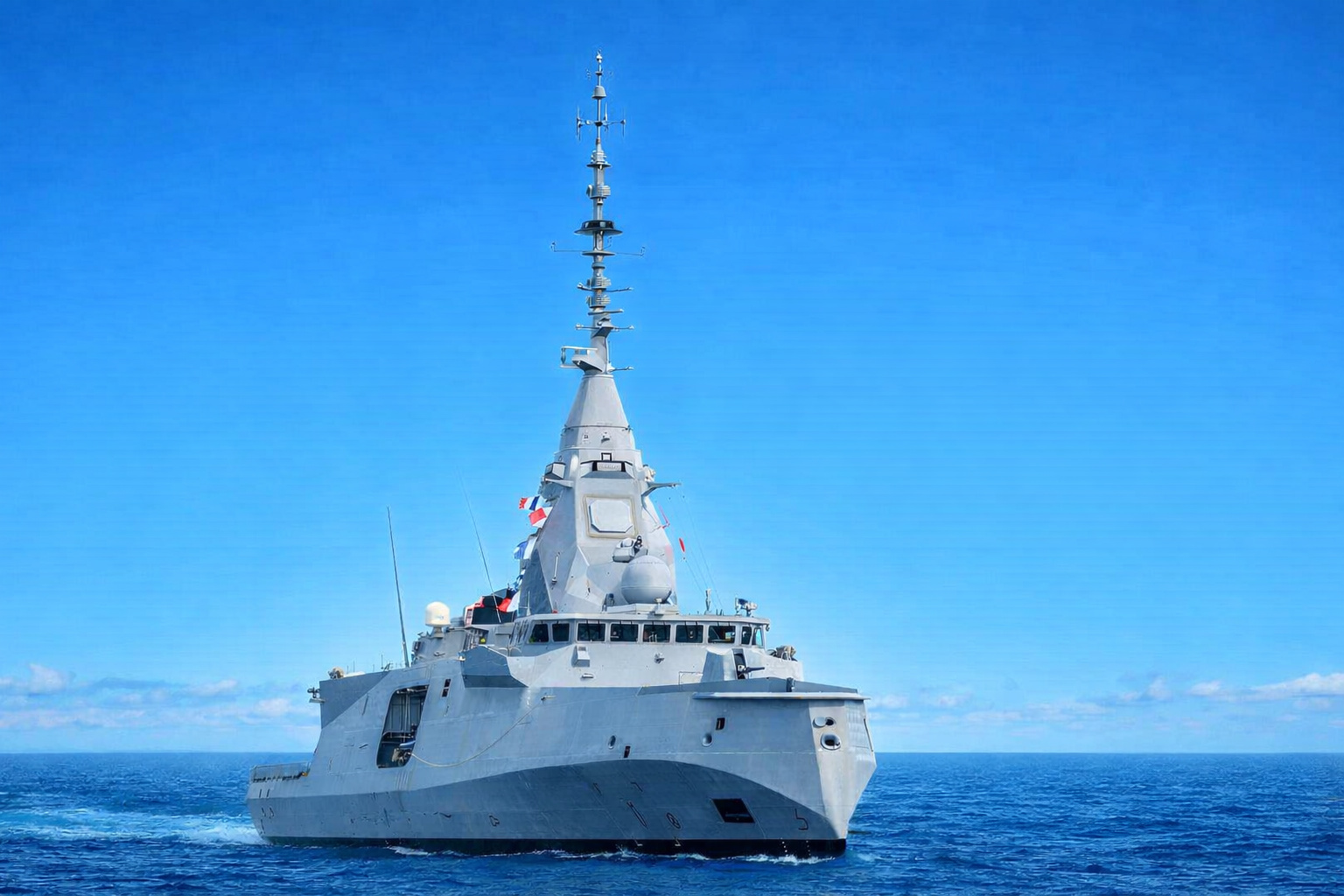
A 4,500-ton frigate with just over 100 crew members, state-of-the-art radar, and cruise missiles is being touted as the new standard of naval warfare in the 21st century.
-
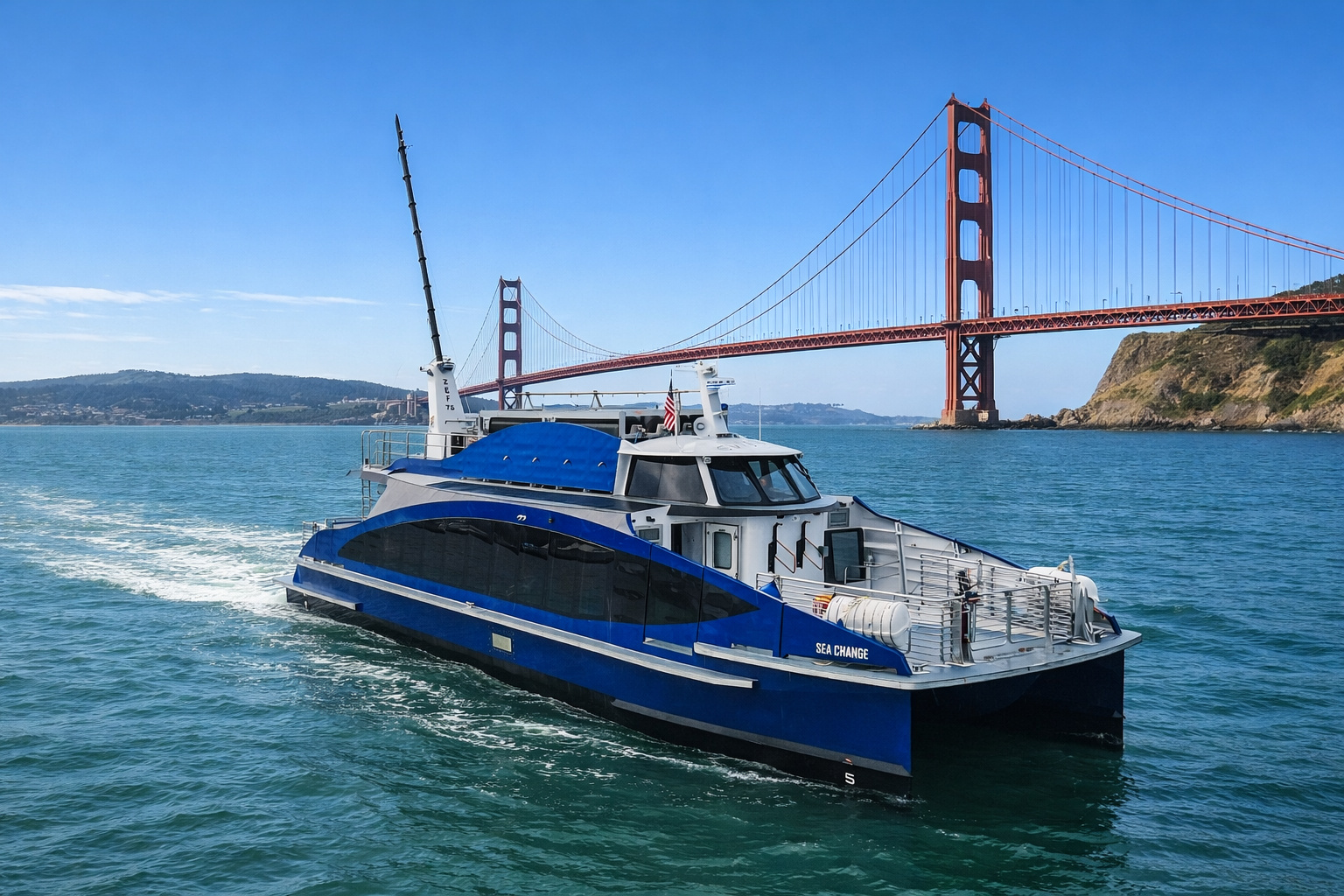
The first commercial hydrogen-powered ferry enters operation in the U.S., eliminates the use of diesel, uses fuel cells to generate clean energy on board, and transforms San Francisco Bay into a landmark of the new era of emission-free navigation.
-
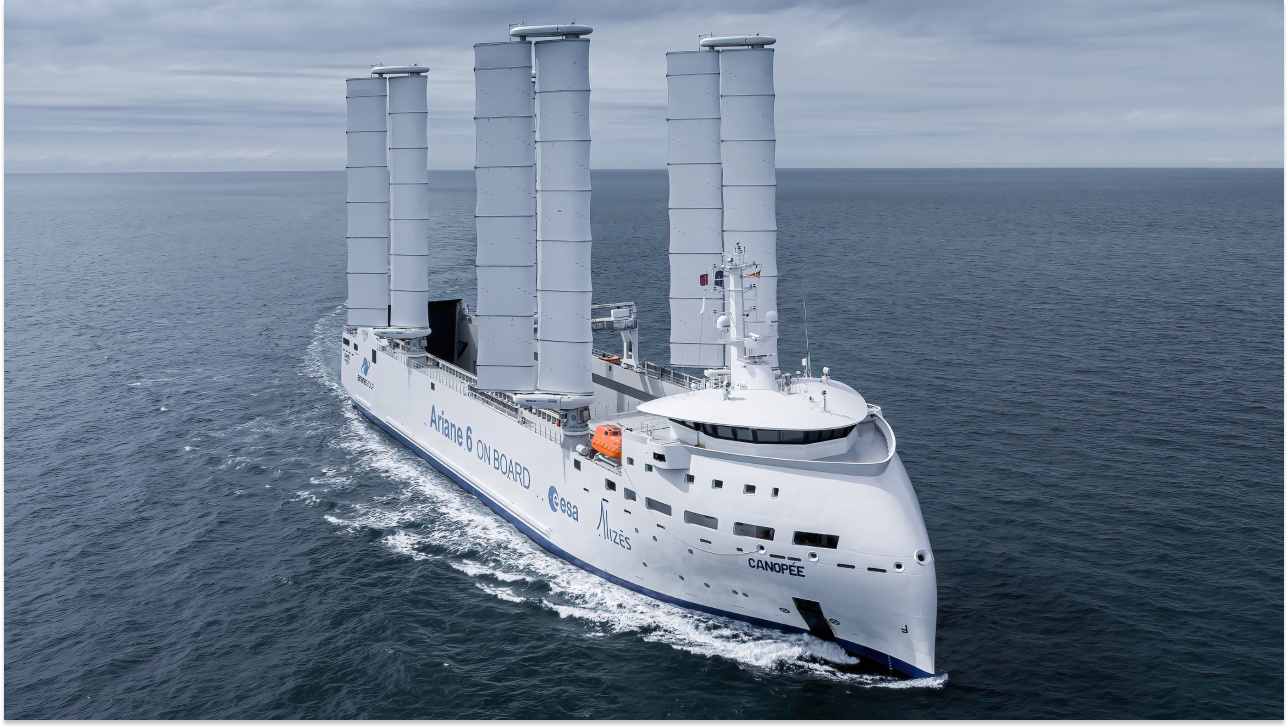
With a length of 121 meters and four rigid sails of 36 meters that automatically rotate to capture the wind, Canopée is the world’s first hybrid industrial cargo ship powered by wind, used to transport rockets and reduce fuel consumption by up to 30% on transoceanic routes.

Another factor that is also extremely relevant to this approach is a navy’s ability to build its own units. After all, one of the biggest risks for a nation dependent on external supply of warships is facing conflict with another nation that has stronger ties to the same suppliers. Therefore, it is essential for any nation aiming to have an influential navy to develop its own shipbuilding industry.
Check the Rankings of Countries in the List
First place, of course, goes to the United States Navy with TVR of 323.9. With a shipbuilding industry that developed exponentially in the first half of the 20th century and has not stopped being at the forefront of new advancements since then, the United States is the nation best prepared for conflict with an unmatched fleet of submarines and nuclear aircraft carriers at its disposal.
Descending a bit further down the list, we find the BRAZILIAN NAVY in 25th place with a TVR of 39.9. The Brazilian shipbuilding industry has seen a slow yet steady development, having built its first large units in the 1930s and 1940s and making agreements to build its own modern units based on designs from other nations, such as the Niterói-class frigates and Tupi-class submarines, and more recently the Riachuelo-class.
Understand Why the Brazilian Navy is in 25th Place on the List
Although the TVR of the Brazilian Navy may seem low compared to the top nations, analyzing some of the navies that rank below Brazil allows us to gain a clearer perspective of its achievement. Three excellent examples are the navies of Portugal with a TVR of 38.9, Sweden with 37.8, and the Netherlands with 37.3.
All of these navies have a long and vast naval tradition, and their shipbuilding industries are still extremely relevant in the global scenario. It is also worth noting that the difference between 20th and 26th place on the list is only 10 TVR, with the twentieth place belonging to the Australian Navy with a TVR of 48.9.
It is important to emphasize that the mission of the Brazilian Navy highlights the defense of the national territory, something that fundamentally does not require a navy as large as that of a nation whose interests are more geared toward influence and impact on the global stage. The Brazilian Navy also emphasizes the need to remain updated and, more importantly, independent.









Seja o primeiro a reagir!