





 Portuguese
  English
  Spanish
  5 min of reading
  0 comments


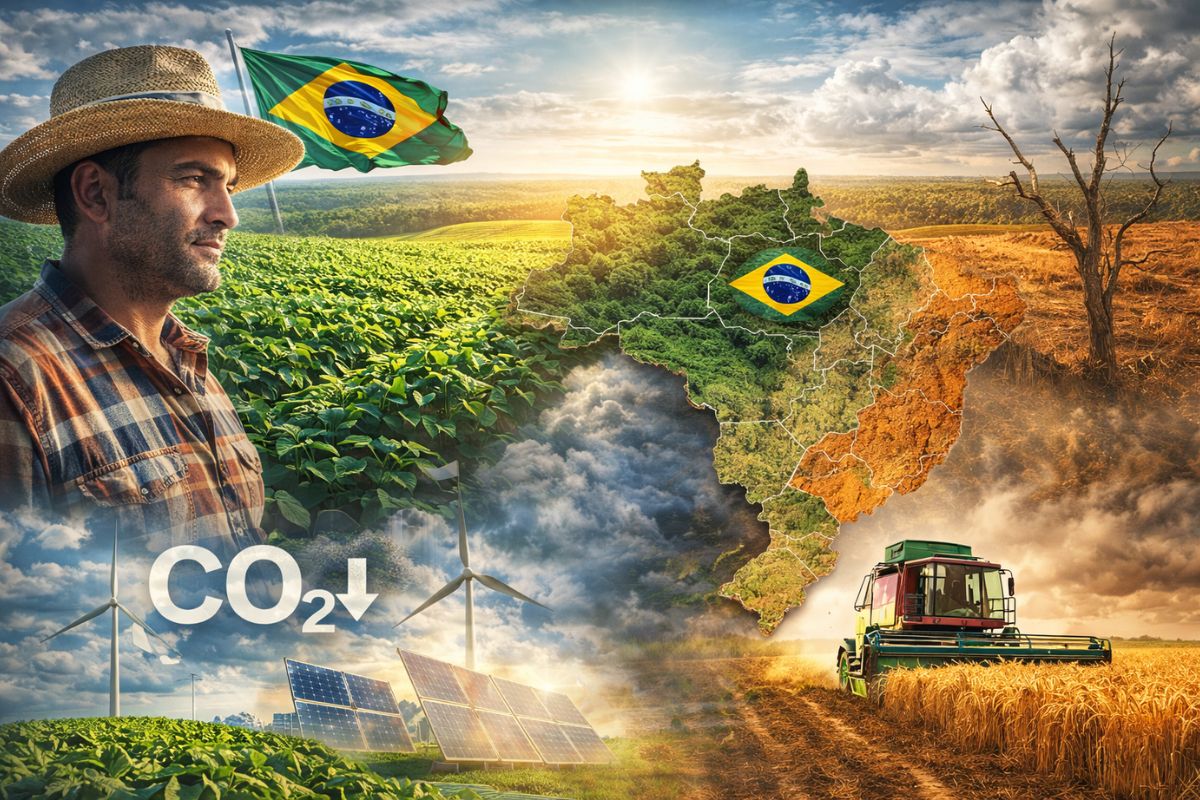
Low-carbon agriculture in Brazil has already reached 54 million hectares in the first phase of the ABC Plan, exceeding government targets by 52% and now aims for 72 million hectares by 2030, while data from Embrapa shows that productivity gains have prevented the opening of 50 million hectares of new areas since 1990.
There is an international narrative that portrays Brazilian agriculture as a villain of the climate. But the numbers tell a different story. Between 1990 and 2025, the increase in productivity in Brazilian agriculture prevented around 50 million hectares from being incorporated into production, according to data from Embrapa Soybean. According to the CNN Brazil portal, this means that the country has managed to produce more food without needing to clear more forest in the same proportion. And now, the so-called low-carbon agriculture wants to turn these numbers into a definitive argument.
The main instrument of this strategy is the ABC Plan, a federal government program that gathers actions to promote sustainable agricultural technologies. In the first phase, between 2010 and 2020, the program reached 54 million hectares, exceeding the original target of 35.5 million by 52%. In the second phase, the goal is to reach 72.68 million hectares by 2030 through technologies such as the recovery of degraded pastures, direct planting, integrated systems, planted forests, bioinputs, and irrigated systems. As Alexandre Nepomuceno, general head of Embrapa Soybean, said: “Brazilian agriculture is not part of the problem, but part of the solution in facing climate change.”
What is low-carbon agriculture and how does it work in practice
Low-carbon agriculture encompasses practices that allow for the reduction of greenhouse gas emissions without compromising crop performance.
-
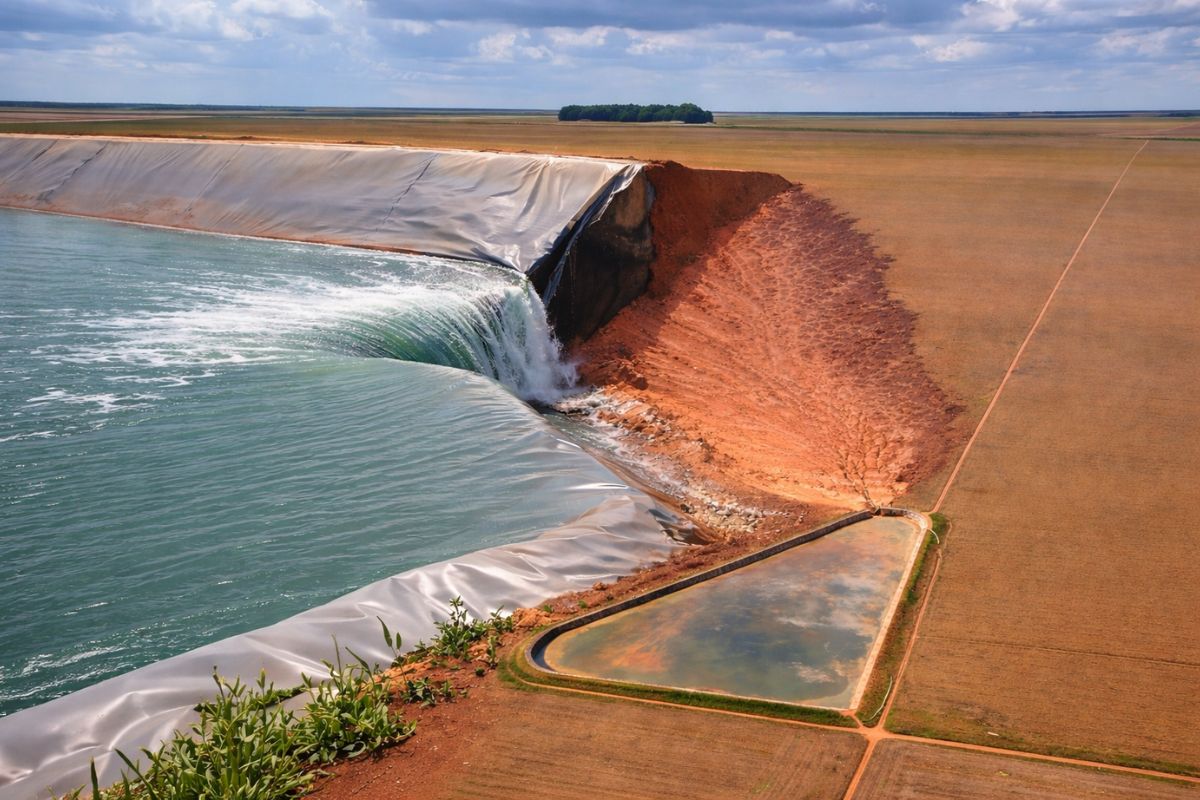
Irrigation pond breaks on a farm in southern Piauí, leaving the reservoir empty and a trail of damage; nearly 1 billion liters flood a soybean field, causing losses, with no injuries reported, and the causes still officially unknown.
-
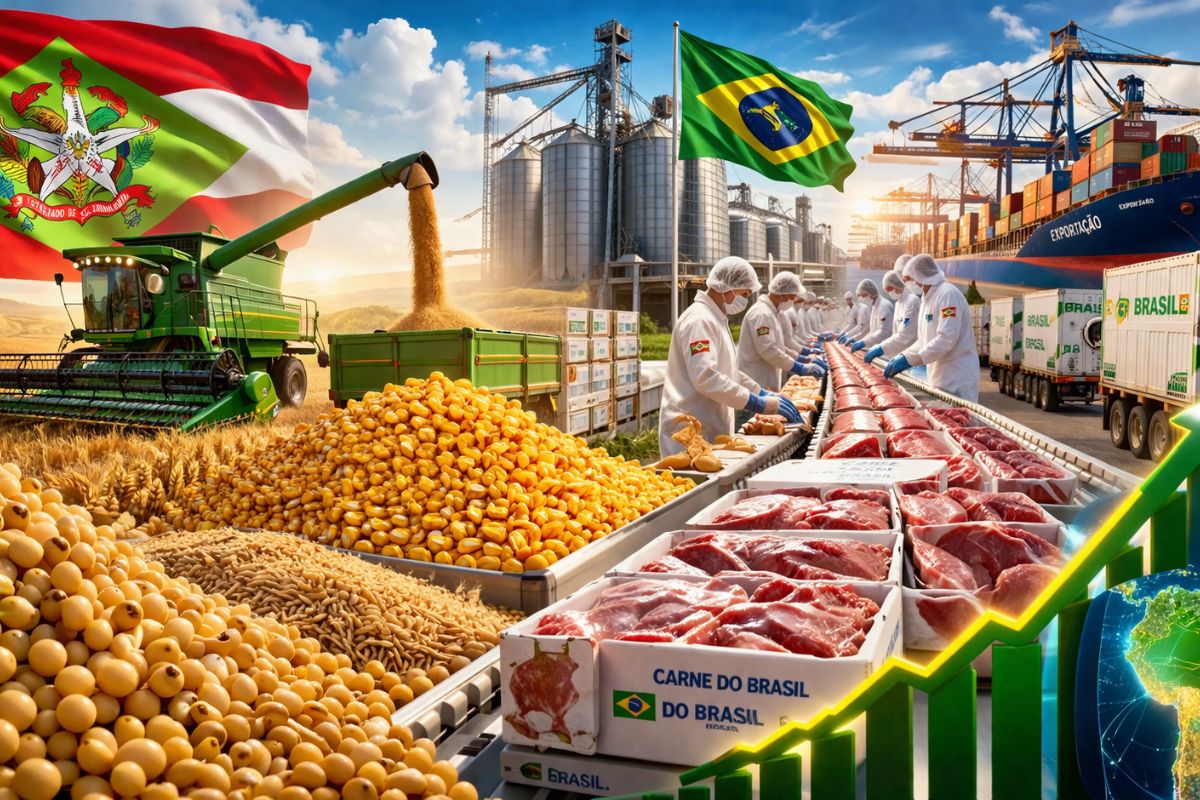
Santa Catarina harvested 7.85 million tons of grains and exported 2 million tons of meat in 2025: a growth of almost 6% in the food industry, which is four times higher than the national average and drives the entire Brazil.
-
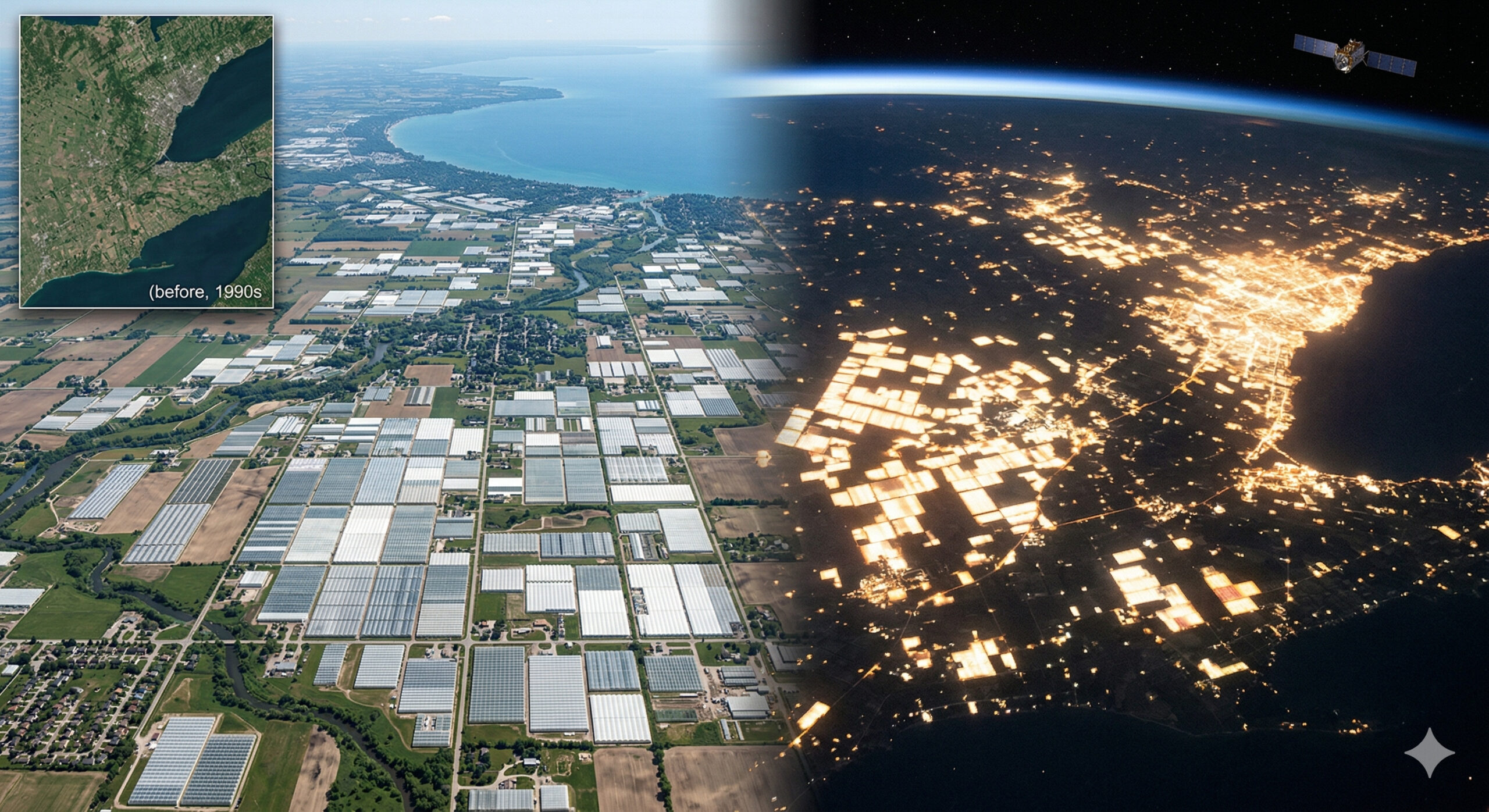
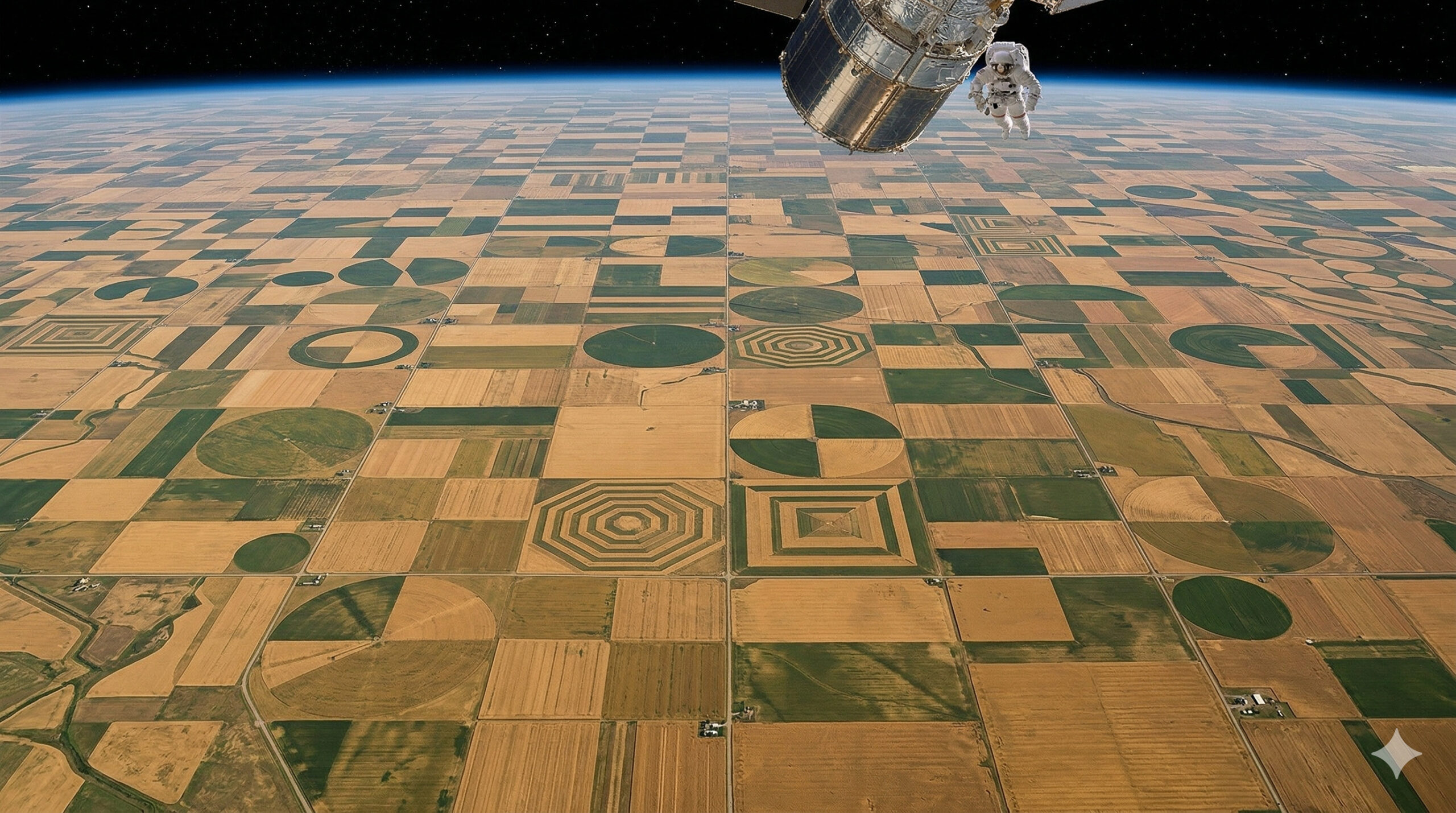
The expansion of greenhouses in southern Canada has become so intense that it has changed the appearance of the soil and even the nighttime glow of the region, transforming Ontario into one of the most visible agricultural hubs in North America from space.
-
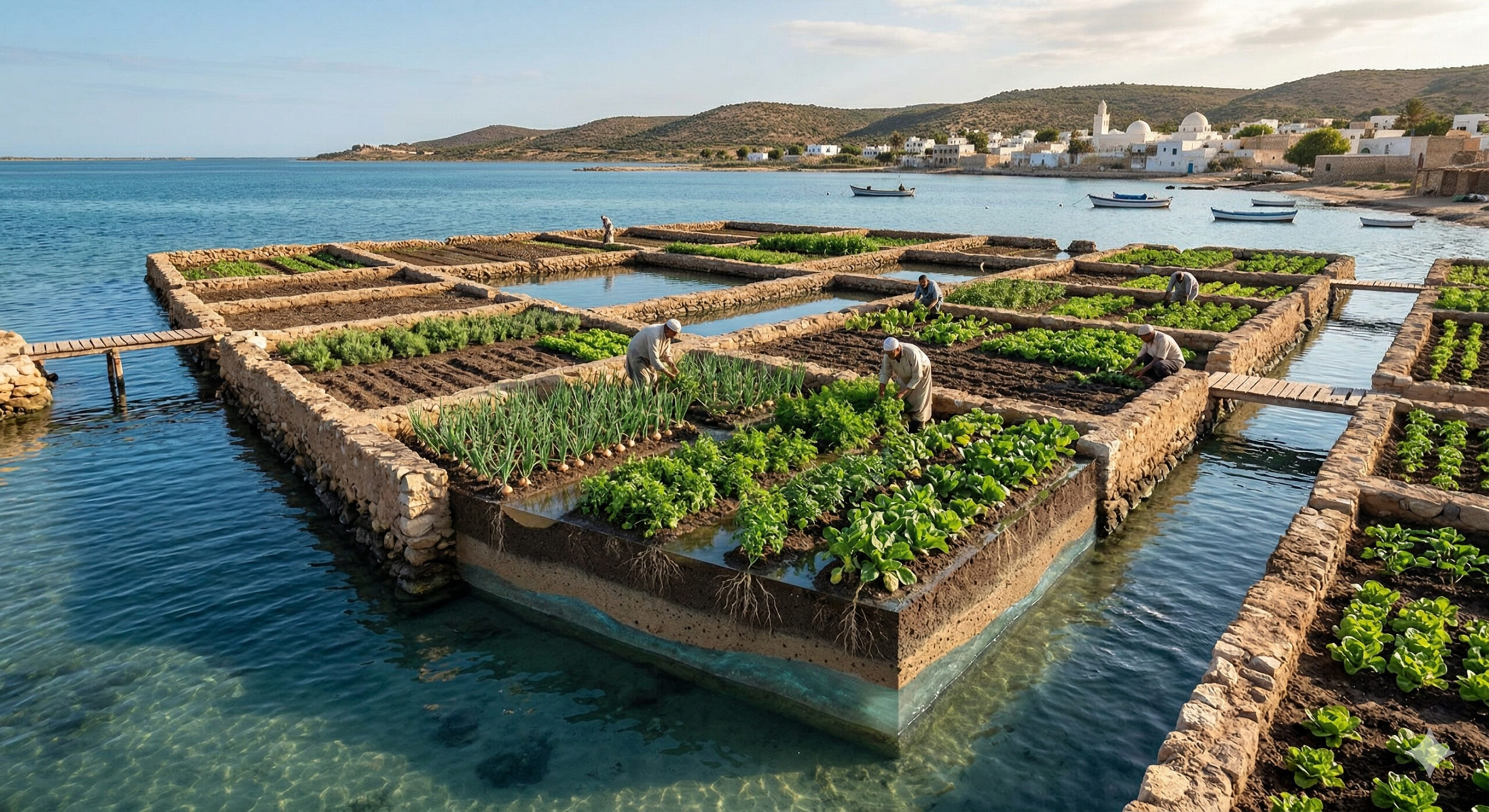
Almost nobody imagines it, but farmers in Tunisia grow food in the sand and make the roots drink fresh water that floats on top of seawater in an agricultural system considered unique in the world.
In practice, it involves a set of actions and technologies aimed at reducing the environmental impact of agricultural production. These are techniques that help to keep carbon in the soil and, in some cases, even sequester carbon from the atmosphere. In Brazil, direct planting, for example, is already adopted in about 70% of agricultural areas, according to Embrapa.
The advancement of these practices in agriculture is directly linked to efficiency gains in the field. According to Nepomuceno, productive systems can reduce emissions while simultaneously increasing productivity.
This combination explains why Brazil has avoided the opening of 50 million hectares of new agricultural areas in recent decades: it was not due to a lack of demand, but because productivity grew enough to meet it without territorial expansion.
The ABC Plan: R$ 32 billion invested and targets exceeded
The ABC Plan functions as the national strategy that gathers targets for emission reduction and the adoption of low-carbon technologies in agriculture. In addition to guiding agricultural policy, the program also provides financial incentives.
During the first decade (2010 to 2020), the ABC Program released R$ 32.27 billion in credit to finance sustainable technologies through 38.3 thousand contracts.
The credit line was created specifically to support rural producers in adopting low-carbon agricultural practices, covering everything from the recovery of degraded pastures to the implementation of integrated systems and planted forests.
The result was that the first phase of the ABC Plan reached 54 million hectares, far exceeding the originally projected 35.5 million. In the second phase, in addition to already established technologies, the program incorporated the use of bioinputs and irrigated systems as tools to enhance the sustainability of agriculture.
Low-carbon soybean: the case that illustrates the transformation
Within low-carbon agriculture, soybean stands out as one of the main examples of the application of the concept. The crop, which has enormous weight in Brazilian agricultural production, has advanced in the adoption of more sustainable systems.
Low-carbon soybean involves everything from conservation practices to the use of technologies such as biological nitrogen fixation, which reduces the need for chemical fertilizers.
According to Embrapa Soybean, systems based on direct planting contribute to carbon sequestration. In some areas, the capture can reach nearly 3 tons of CO₂ equivalent per hectare per year, depending on the management.
Nepomuceno summarizes: “Low-carbon soybean is produced in systems that reduce climate impact per unit produced, making agriculture more efficient and sustainable.”
Another point highlighted by researchers is that Brazil can increase production without the need for deforestation, utilizing already opened areas, such as degraded pastures.
50 million hectares preserved: the number the world needs to know
The most impactful data from low-carbon agriculture in Brazil may not be in future targets, but in what has already happened.
Data from Embrapa Soybean shows that, between 1990 and 2025, productivity gains prevented the opening of around 50 million hectares of new agricultural areas. To put it into perspective: this area is larger than the entire territory of Spain.
This result did not come from a single policy, but from the combination of investments in technology, Embrapa research, genetic improvement of cultivars, mechanization, and massive adoption of direct planting in agriculture.
The message that the sector wants to convey is clear: Brazil has dramatically increased its food production without needing to expand the agricultural frontier in the same proportion. And the ABC Plan, with its goal of 72 million hectares by 2030, aims to consolidate this trajectory and turn it into an international argument against the narrative that Brazilian agriculture is an enemy of the climate.
Is Brazilian agriculture part of the problem or part of the solution?
The numbers show that Brazilian agriculture has avoided the destruction of an area equivalent to an entire European country. The ABC Plan exceeded its targets by 52%.
Direct planting already covers 70% of the crops. And low-carbon soybean sequesters carbon from the air. Yet, Brazil continues to be pointed out as an environmental villain in international forums.
And you, do you think Brazilian agriculture is part of the problem or part of the solution? Do the numbers change your perception? Share in the comments.







Seja o primeiro a reagir!