





 Portuguese
  English
  Spanish
  6 min of reading
  0 comments


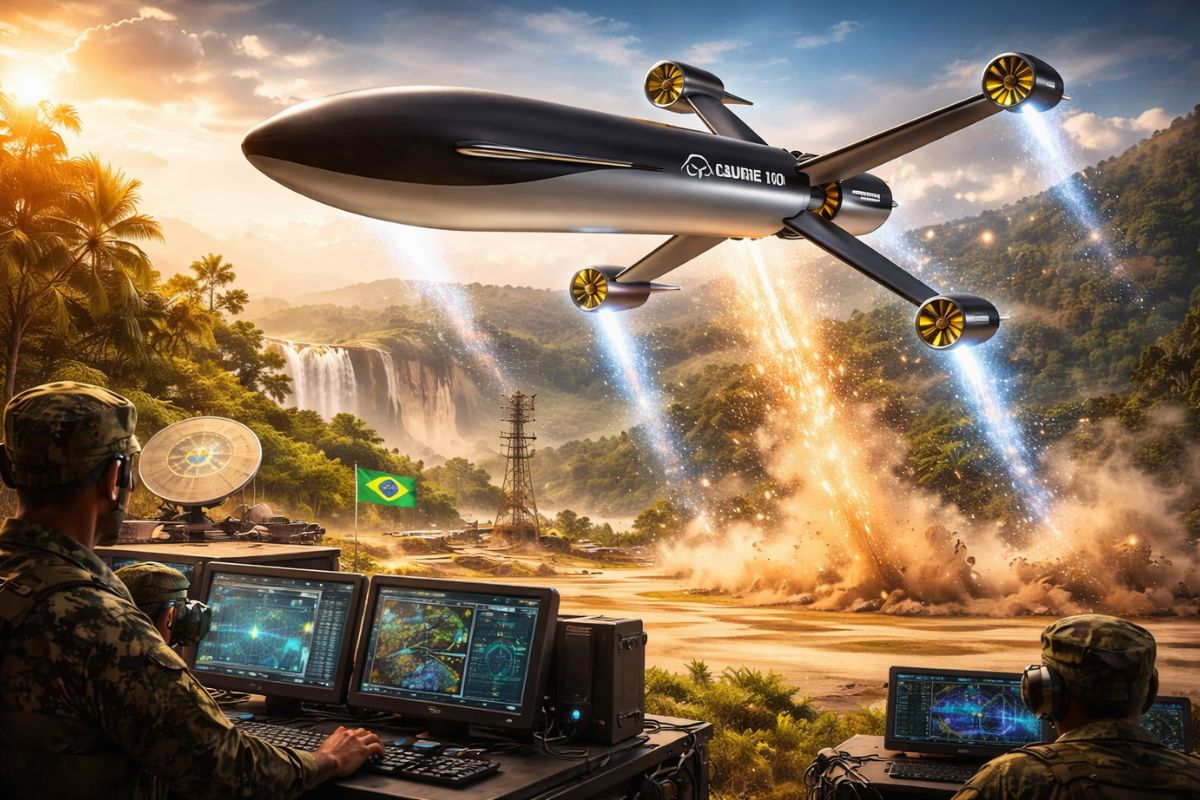
The electric tactical drone Caburé eVTOL, developed by the national company TUPAN Aircraft, performs vertical takeoff without a runway, flies at up to 140 km/h in a completely autonomous manner, and can operate in forests, conflict zones, and isolated regions, representing a silent advancement of Brazilian defense in remotely piloted aircraft technology with military and civilian applications.
Brazil has been quietly advancing in the development of strategic technologies, and the most concrete example is the electric tactical drone Caburé eVTOL. Developed by the national company TUPAN Aircraft, the equipment takes off and lands vertically without needing a runway, flies at up to 140 km/h in a completely autonomous manner, and can operate in environments where no conventional aircraft could reach—dense forests, conflict zones, and isolated areas without infrastructure. The Caburé is not a paper concept: it is a functional platform that represents a real leap in the operational capacity of Brazilian defense.
The technical characteristics impress with their combination of versatility and sophistication. With vertical takeoff and landing (VTOL) technology, an advanced flight management system, and vectored propulsion, the Caburé executes entire missions without human intervention from the moment it leaves the ground until landing. The Brazilian electric tactical drone eliminates the need for traditional runways, operates autonomously in hostile environments, and can be transported in tactical containers for rapid deployment. It is the type of equipment that changes the game for armed forces and civil operations in a country the size of Brazil.
What is the Caburé and why does Brazilian defense bet on it

The Caburé is a remotely piloted aircraft (RPA) designed by TUPAN Aircraft with a focus on tactical operations. Its name comes from a small Brazilian owl known for its ability to hunt silently—a precise metaphor for an electric tactical drone that operates without the noise of combustion engines.
-
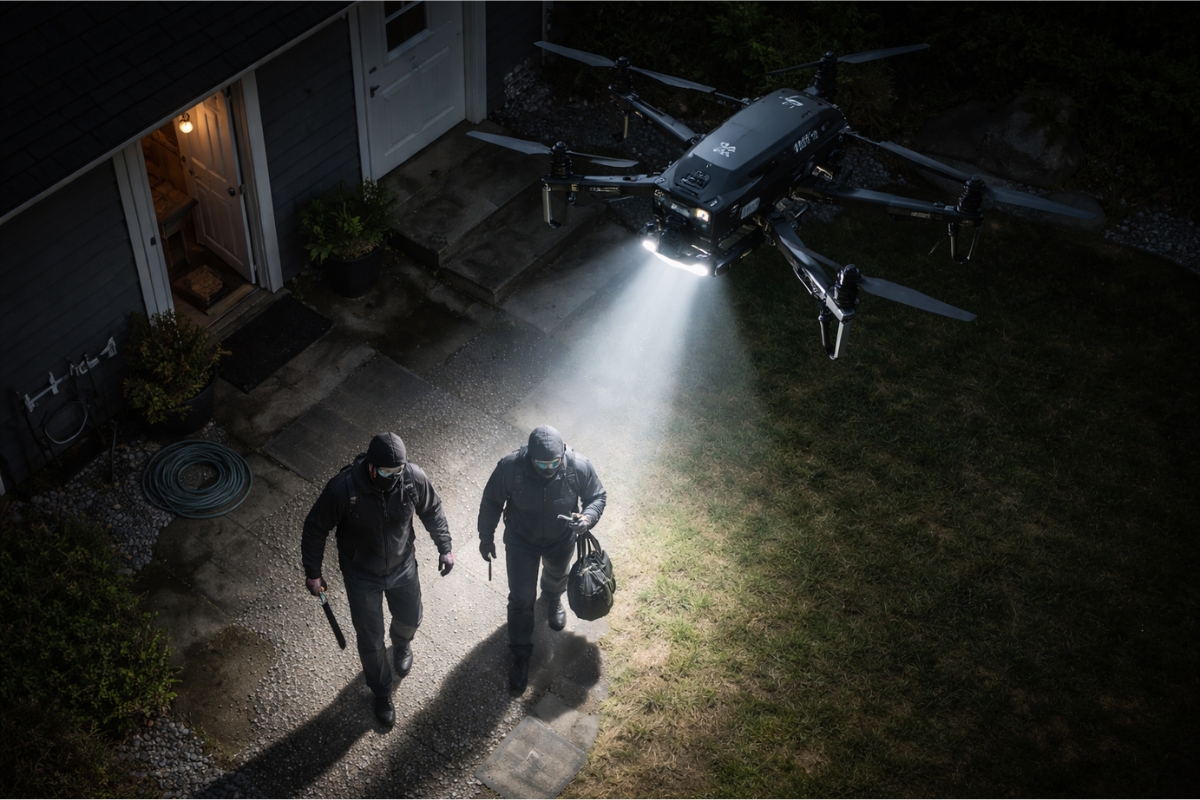
Novo drone Guardian debuts in the United States with an 8-mile range, robotic battery swapping, and Starlink connectivity for continuous response.
-
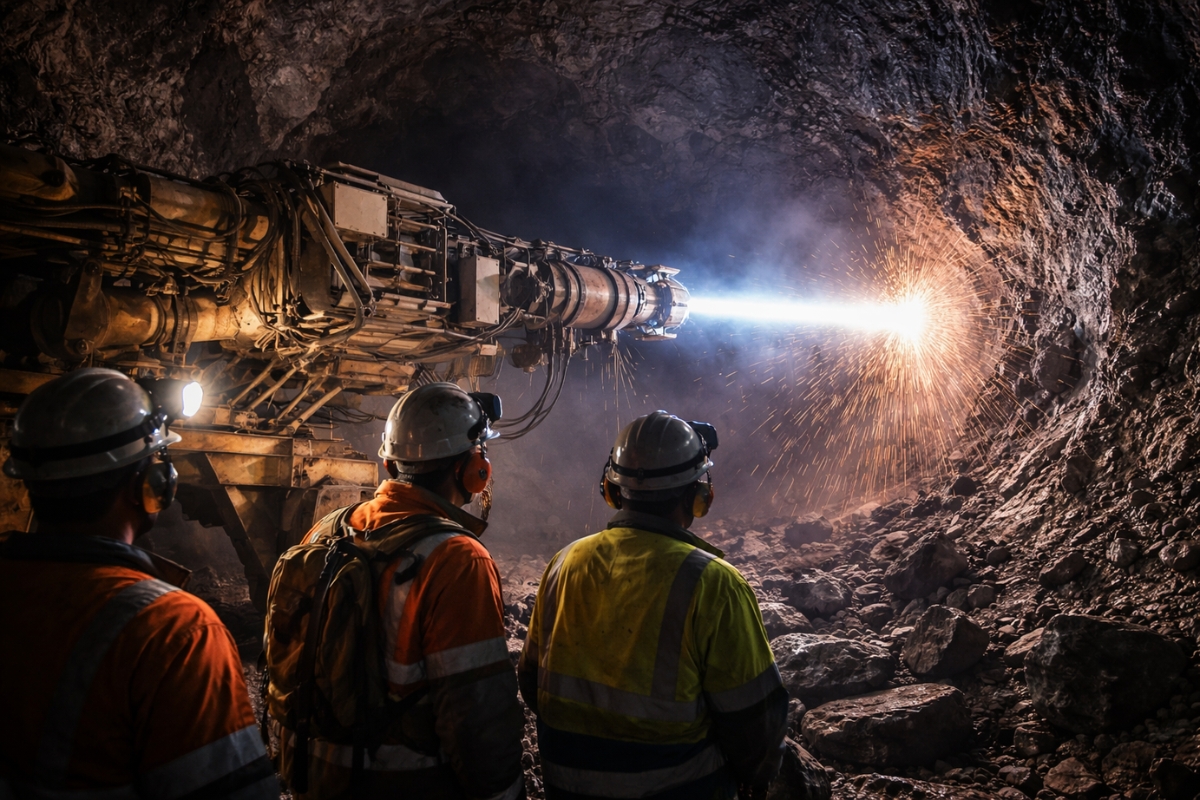
100 kW megalasers are already pointing to a new industrial phase, with enough power to cut thick steel, drill through rocks, accelerate mining, and increase productivity in operations previously considered too difficult.
-
Thousands of people in poor countries are paid cents to film household tasks, label images, and operate systems remotely all day long, and this invisible work fuels a $17 billion market that trains the artificial intelligences of Google, Tesla, and Meta.

-
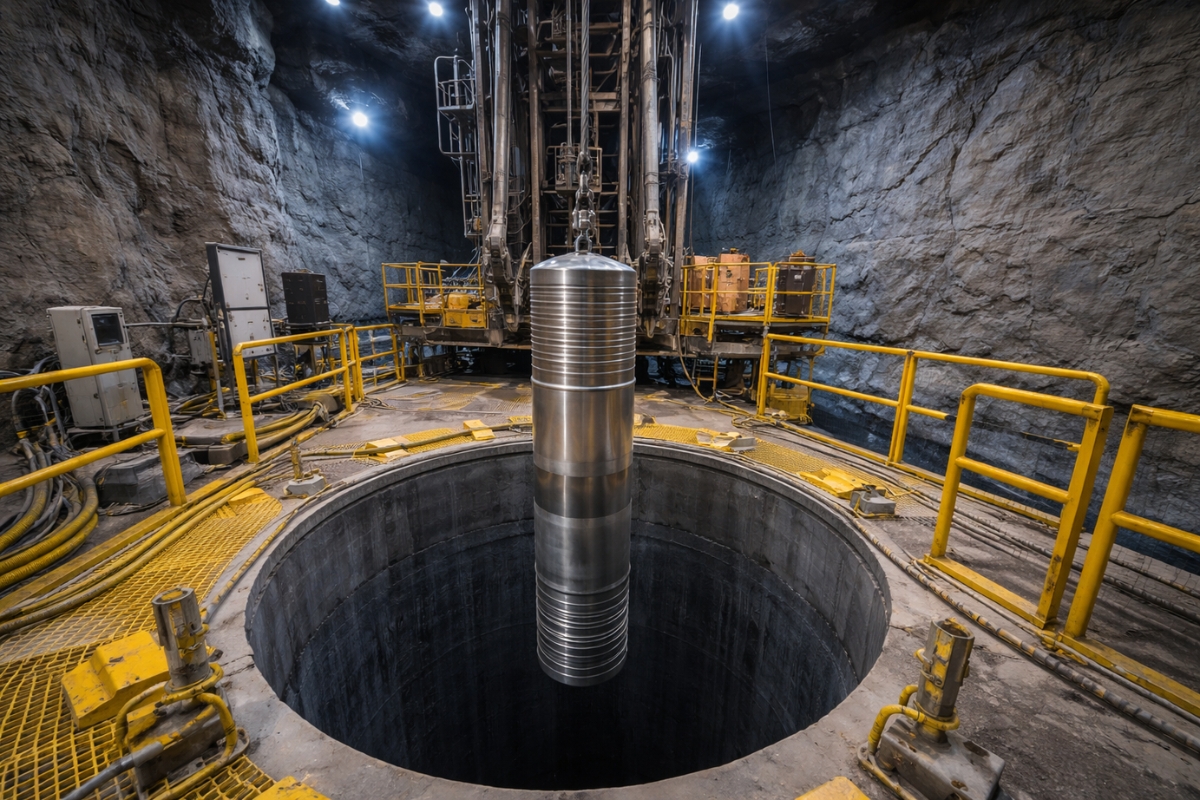
Technology created in the United States uses deep drilling to store high-level nuclear waste.

Electric propulsion is a significant operational advantage: in addition to being quieter, it reduces the thermal signature and facilitates reconnaissance missions where discretion is essential.
VTOL technology—short for Vertical Take-Off and Landing—is the differentiator that allows the Caburé to operate in locations without any airport infrastructure.
In a forest clearing, on top of a hill, on an improvised road, or on the deck of a ship, the drone takes off and lands vertically, occupying a fraction of the space that a conventional fixed-wing aircraft would require.
For Brazilian defense, this capability is strategic. Brazil has the largest tropical rainforest in the world, thousands of kilometers of borders in remote areas, and an extensive coastline that demands constant surveillance. An electric tactical drone that does not need a runway and operates autonomously is exactly the type of equipment that fills operational gaps that the Armed Forces have faced for decades.
How the Caburé flies completely autonomously
The degree of automation of the Caburé is one of its greatest differentiators. The drone is equipped with an advanced flight management system (FMS) that controls the entire mission from start to finish. Vertical takeoff, hovering, cruising at up to 140 km/h, and landing—all happens autonomously, without the operator needing to intervene manually at any stage.
The system features redundant communication, meaning there are backup channels in case the main data link is compromised or blocked.
Data transmission occurs in real-time, allowing ground operators to receive images, telemetry, and sensor information while the electric tactical drone executes the mission autonomously. If communication is lost, the Caburé follows pre-programmed protocols to return to the starting point or complete the route autonomously.
This autonomous capability is essential for operations in hostile environments, where communication signals may be blocked by electronic warfare or simply by geography—mountains, dense forests, and deep valleys are common obstacles in Brazilian territory. The Caburé was designed to handle exactly these scenarios, maintaining the mission even when communication conditions are unfavorable.
The numbers behind the Brazilian electric tactical drone
In terms of performance, the Caburé achieves a cruising speed between 120 km/h and 140 km/h, with an operational range of up to 80 kilometers and an approximate flight endurance of one hour. Vectored propulsion—technology that directs the thrust of the engines at different angles—allows precise control on uneven terrain, an essential factor when the drone needs to take off or land on unprepared surfaces.
The structure is built from composite materials, combining mechanical strength with lightness. The Caburé is about 3.5 meters long and has a wingspan that can reach 5.5 meters, with a maximum takeoff weight close to 300 kilograms.
Despite its size, its compact design allows for transport in tactical containers, meaning teams can carry the drone disassembled to the operational area and assemble it quickly in the field.
There is also a turbine version in development, with a range exceeding 500 kilometers—a leap that would drastically expand the operational radius of the equipment.
If the electric version already covers short and medium-range tactical missions, the turbine variant would place the Caburé in another operational category, capable of conducting long-distance patrols and monitoring extensive borders.
Where the electric tactical drone Caburé can operate
The list of employment scenarios is extensive. In a military context, the Caburé can be used for tactical reconnaissance, area surveillance, target acquisition, and border monitoring. In operations in the Amazon, where landing strips are rare and ground access is limited, vertical takeoff eliminates the main logistical bottleneck that prevents the use of conventional fixed-wing drones.
In conflict zones, the electric tactical drone offers advantages that conventional aircraft do not have. Electric propulsion is quieter, vertical takeoff allows operation from concealed positions, and total autonomy reduces the need for exposed operators in dangerous areas.
For Brazilian defense, these capabilities are relevant both in territorial defense scenarios and in peacekeeping operations under UN mandate contexts in which Brazil actively participates.
In the civil sphere, applications include environmental monitoring, support for search and rescue operations, surveillance of critical infrastructure, and response to natural disasters.
A drone that takes off from the edge of a river, flies autonomously over a deforestation area, and transmits real-time images can transform environmental enforcement in the Amazon—a demand that grows each year and that security forces still cannot meet with current resources.
What the Caburé represents for the Brazilian defense industry
The development of the Caburé by TUPAN Aircraft is yet another sign that the Brazilian defense industry is maturing in specific technological niches. Brazil has already produced the Embraer KC-390, which competes with international giants in the military transport market, and is now developing an electric tactical drone with vertical takeoff technology and total autonomy capabilities that few countries fully master.
The strategic importance goes beyond the equipment itself. When Brazilian defense invests in national technology, it reduces dependence on foreign suppliers—a vulnerability that becomes critical in times of conflict or international sanctions.
If Brazil needs tactical drones in a crisis and relies on imports, it will be at the mercy of deadlines, prices, and political decisions from other countries. Developing the Caburé internally eliminates this risk.
The electric tactical drone Caburé is still little known outside specialized defense circles.
But its characteristics—vertical takeoff, autonomous flight at 140 km/h, operation in infrastructure-less environments, and transport in containers—place the equipment on the same level as systems that military powers like the United States, China, and Israel have been developing for years. The difference is that Brazil has done this quietly, and the world has not yet noticed.
With information from the portal Revista Fórum.
Did you know about the Caburé drone? Do you think Brazil should invest more in national defense technology or prioritize the purchase of ready-made foreign equipment? Leave your opinion in the comments—the debate on technological sovereignty and Brazilian defense deserves more visibility.








Seja o primeiro a reagir!