





 Portuguese
  English
  Spanish
  5 min of reading
  0 comments


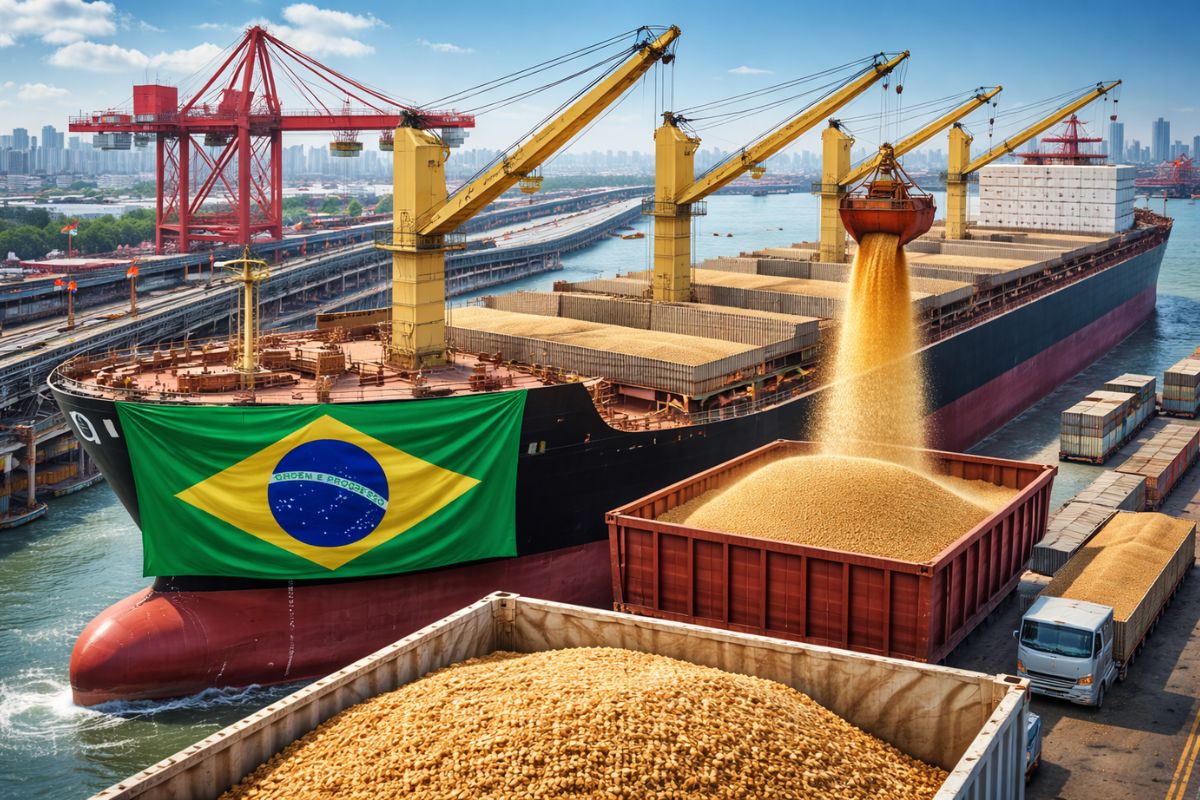
Brazil sent the first ship to China with 62 thousand tons of DDGS, an unprecedented product in the export agenda with the Asian country, a coproduct of corn ethanol used in animal nutrition, and Inpasa already has 250 thousand tons negotiated with a projection of up to 1.5 million tons in 2026.
Brazil has just inaugurated an export front that did not exist until a few months ago. The first ship with 62 thousand tons of DDGS, an unprecedented product in the trade relationship with China, arrived at the port of Nansha, in Guangzhou, in southern China. DDGS (Dried Distillers Grains with Solubles) is a coproduct of corn ethanol production, a high-nutritional-value ingredient used in the feeding of cattle, pigs, and poultry. The shipment departed from the Port of Imbituba, in Santa Catarina, and marks the first deal made after the official opening of the Chinese market to the unprecedented Brazilian product.
The operation is not an isolated episode. Inpasa, the largest corn ethanol producer in Latin America, already has about 250 thousand tons negotiated with China, which could import up to 1.5 million tons of DDGS from the company by 2026, according to estimates from the company itself. Renato Zicardi, International Trading Director of Inpasa, stated that China is likely to take the largest market share of Brazilian exports of DDGS and is expected to account for half of the external sales of the unprecedented product this year. The billion-dollar market that is opening is real, measurable, and already in operation.
What is DDGS, the unprecedented product that Brazil is sending to China

In the industrial process of corn ethanol production, the starch from the grain is converted into fuel. The remaining parts, which include proteins, fibers, and lipids, are concentrated and dried, resulting in DDGS, a high-nutritional-concentration ingredient used in animal feed worldwide.
-
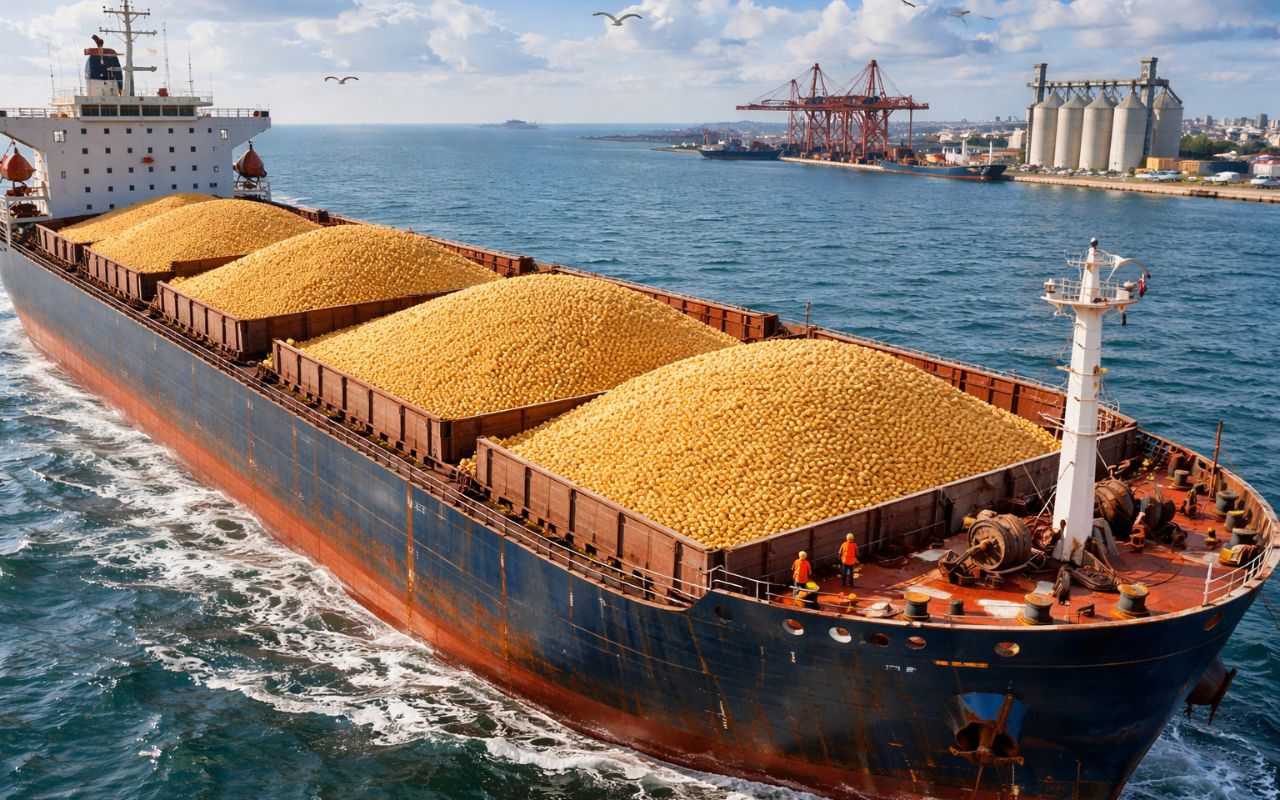
Even with logistical challenges, Brazil exports 17.1 million tons of grains and reinforces its global prominence.
-
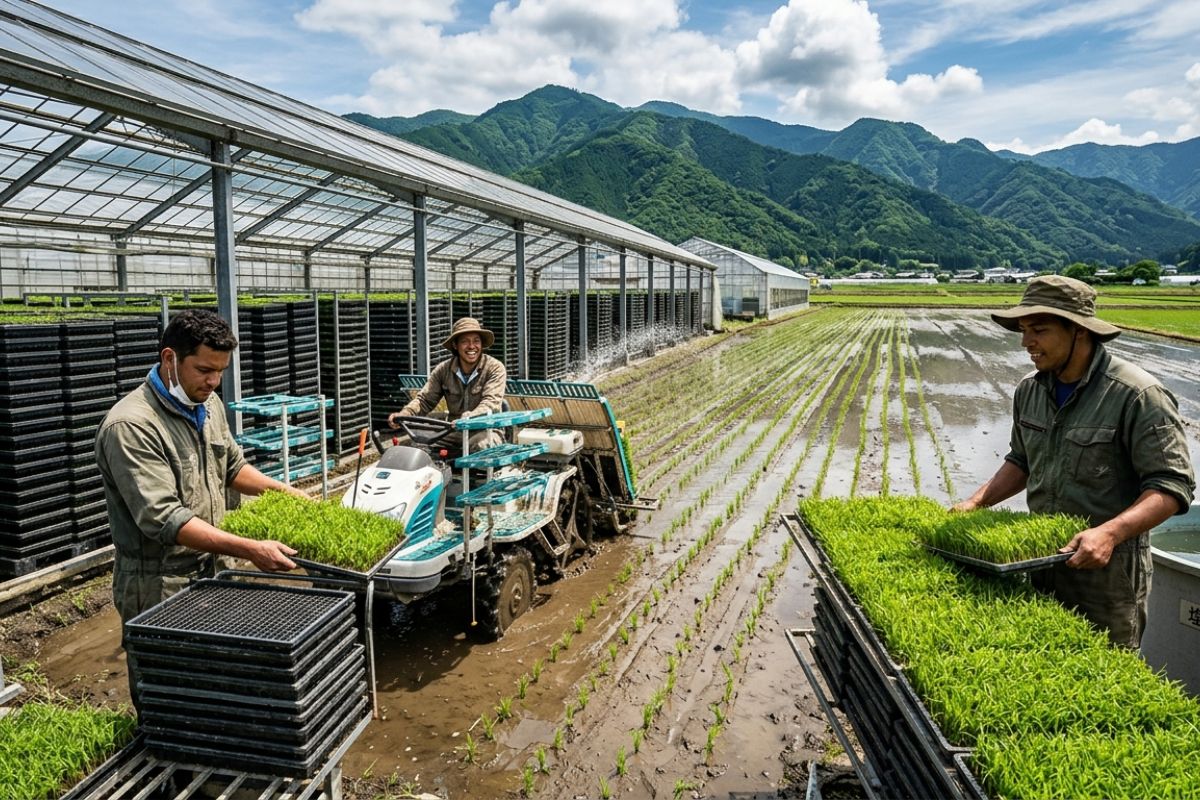
In the interior of Shizuoka, Brazilian brothers became farmers and revealed the secret of Japanese rice: brine selects seeds, the radicle determines the point, 4,000 trays fill greenhouses, and mechanized transplanting never forgives mistakes.
-
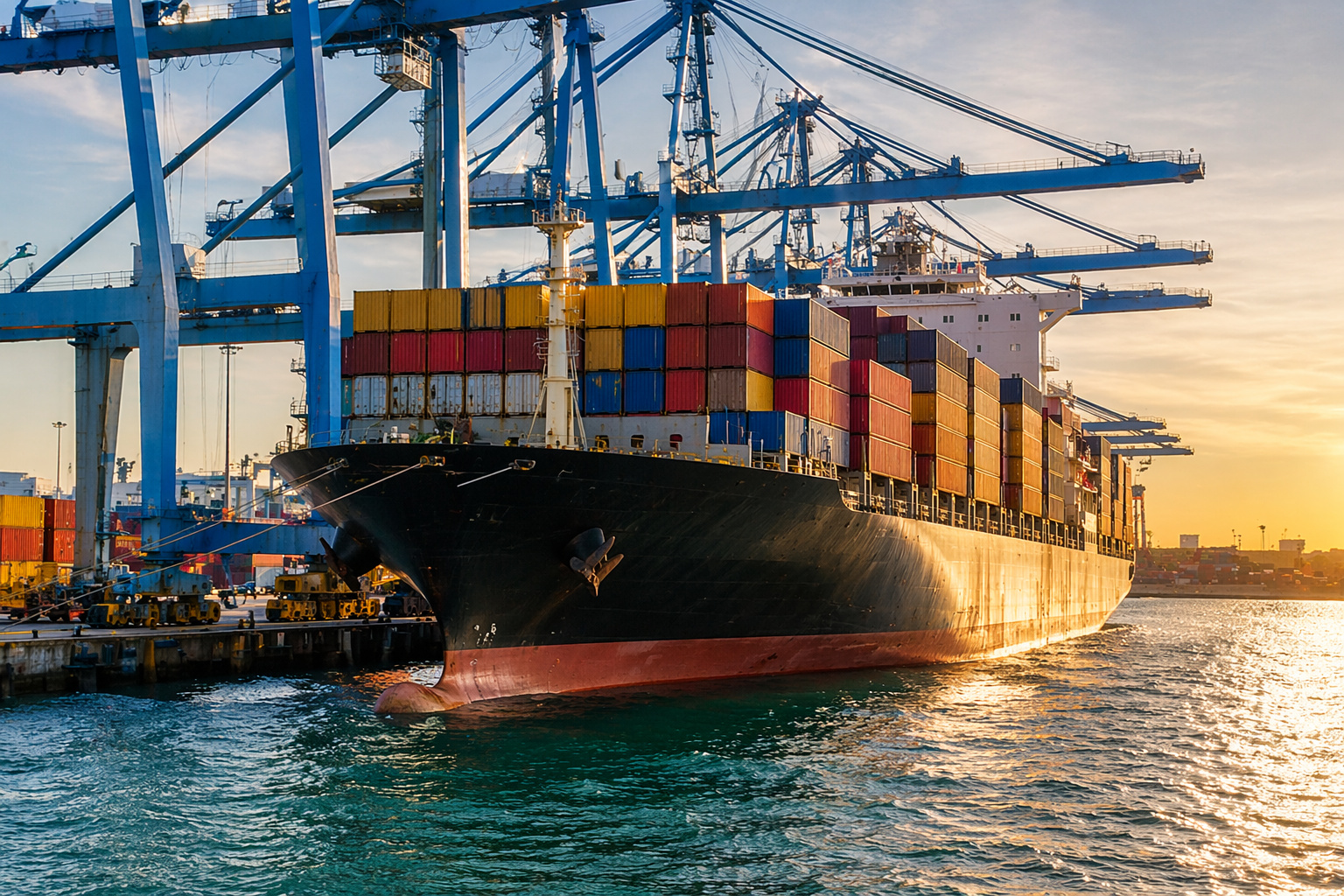
Brazil surprises China with a new agro offensive: first shipments of DDGS and poultry by-product meal arrive in the Asian country, expanding billion-dollar exports.
-
Brazil surprises China with new agro offensive: first shipments of DDGS and poultry by-product meal arrive in the Asian country, expanding billion-dollar exports.
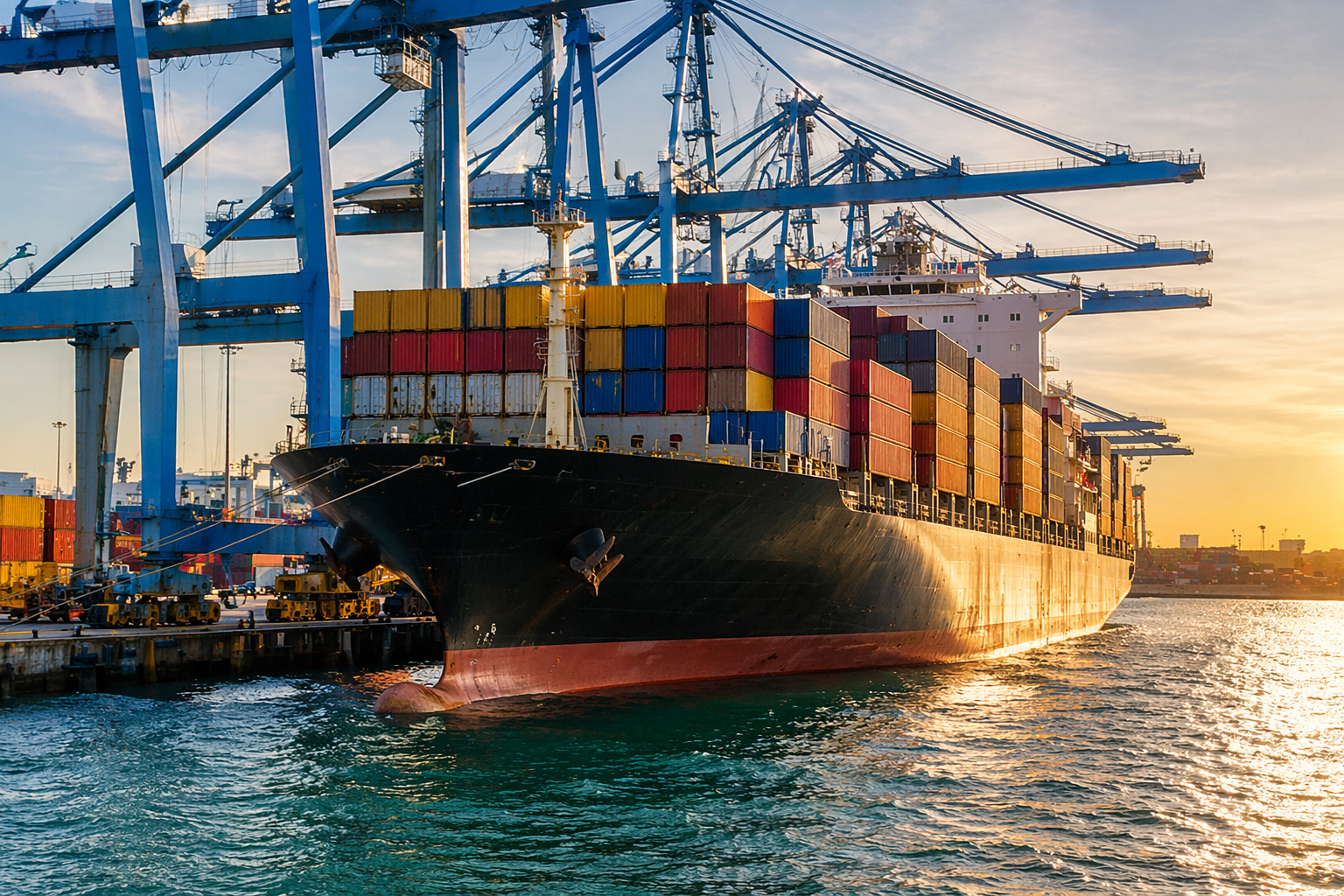
Until recently, Brazil exported DDGS to markets such as New Zealand, Spain, Turkey, and Vietnam, but had never sent the unprecedented product to China.
The opening of the Chinese market to Brazilian DDGS was made possible by demand presented by the National Union of Corn Ethanol (Unem). After the completion of sanitary negotiations between Brazil and China, access was authorized in May 2025. In November of the same year, the first Brazilian establishments were authorized to export.
In total, 13 production plants underwent technical evaluations that verified good manufacturing practices, safety controls, and traceability before receiving authorization to send the unprecedented product to the Asian country.
The numbers that explain why this unprecedented product could be worth billions
The scale of the Chinese market turns any successful unprecedented product into a billion-dollar operation. China imported more than 55.3 billion dollars in agricultural products from Brazil in 2025, equivalent to 32.7% of the total exported by the sector, according to data from the Ministry of Development, Industry, Commerce, and Services.
Adding DDGS to this agenda expands revenue possibilities in a segment that grows alongside the corn ethanol industry.
For the 2025/2026 harvest, national DDGS production is expected to reach 4.8 million tons, according to Unem. Inpasa projects a production capacity of 3.3 million tons, intended for the domestic market and export to 12 countries.
The corn ethanol industry projects nearly 10 billion liters of ethanol for the same harvest, and each liter produced generates coproducts like DDGS. The more ethanol Brazil produces, the more unprecedented product it has to export. The cycle feeds back.
The bird offal meal: another unprecedented product that Brazil sent to China

DDGS was not the only unprecedented product to cross the ocean in this operation. Brazil also sent the first container of bird offal meal to the Chinese market, a product mainly used in animal feed.
The opening of this market was realized in April 2023, based on demand presented by the Brazilian Association of Animal Recycling (Abra), and the operation expands opportunities for the national industry in this segment.
The two operations highlight how joint action between government and the productive sector can create new trade fronts and expand the Brazilian export agenda. The Ministry of Agriculture and Livestock (Mapa) conducted the sanitary negotiations, registrations, and authorizations that allowed the unprecedented product to reach China with all the required certifications.
For a country that is already the largest supplier of soy, beef, and chicken to the Chinese market, adding coproducts of ethanol and byproducts of poultry represents strategic diversification.
Why did China decide to open the market for this unprecedented product from Brazil
China is the world’s largest importer of animal nutrition inputs, and its demand for protein to feed livestock grows proportionally with the meat consumption of its 1.4 billion population.
Brazilian DDGS offers a competitive source of protein and energy in price and quality, and the authorization by Chinese authorities acts as a seal of trust that validates Brazilian production standards in other markets.
Zicardi, from Inpasa, described the behavior of the Chinese market directly: “China is a giant. When it enters, it enters to be the biggest.” The unprecedented product has been tested, approved, and is already generating recurring demand.
The company plans to inaugurate its first laboratory for DDGS analysis in 2026, aimed at meeting the quality requirements of importing markets. The combination of opening new markets and expanding production capacity reinforces Brazil’s role as a competitive supplier in the global animal nutrition and bioenergy chain.
What this unprecedented product means for the future of Brazilian agribusiness
The export of DDGS to China is more than a commercial operation. It signals that Brazil is diversifying its export agenda beyond traditional commodities, adding value to industrial coproducts that previously had limited destinations.
The Brazilian agribusiness, which already leads in soy, corn, beef, and chicken, now adds derivatives from the ethanol chain to a portfolio that is becoming increasingly difficult to compete with.
With 879,358 tons of DDGS exported to 25 markets in 2025, a growth of almost 10% compared to the previous year, Brazil was already showing traction in this segment even before China’s entry.
Now, with the largest importer in the world buying the unprecedented Brazilian product, the expectation is that volumes will grow exponentially. The ship with 62 thousand tons that arrived in Nansha is just the beginning of a trade route that could be worth billions in the coming years.
Did you know that Brazil is exporting a coproduct of corn ethanol as an unprecedented product to China? Do you think this diversification can reduce dependence on soy in the export agenda? Share in the comments. Brazilian agribusiness is opening frontiers that few people are following, but that affect the economy of the entire country.








Seja o primeiro a reagir!