





 Portuguese
  English
  Spanish
  3 min of reading
  0 comments


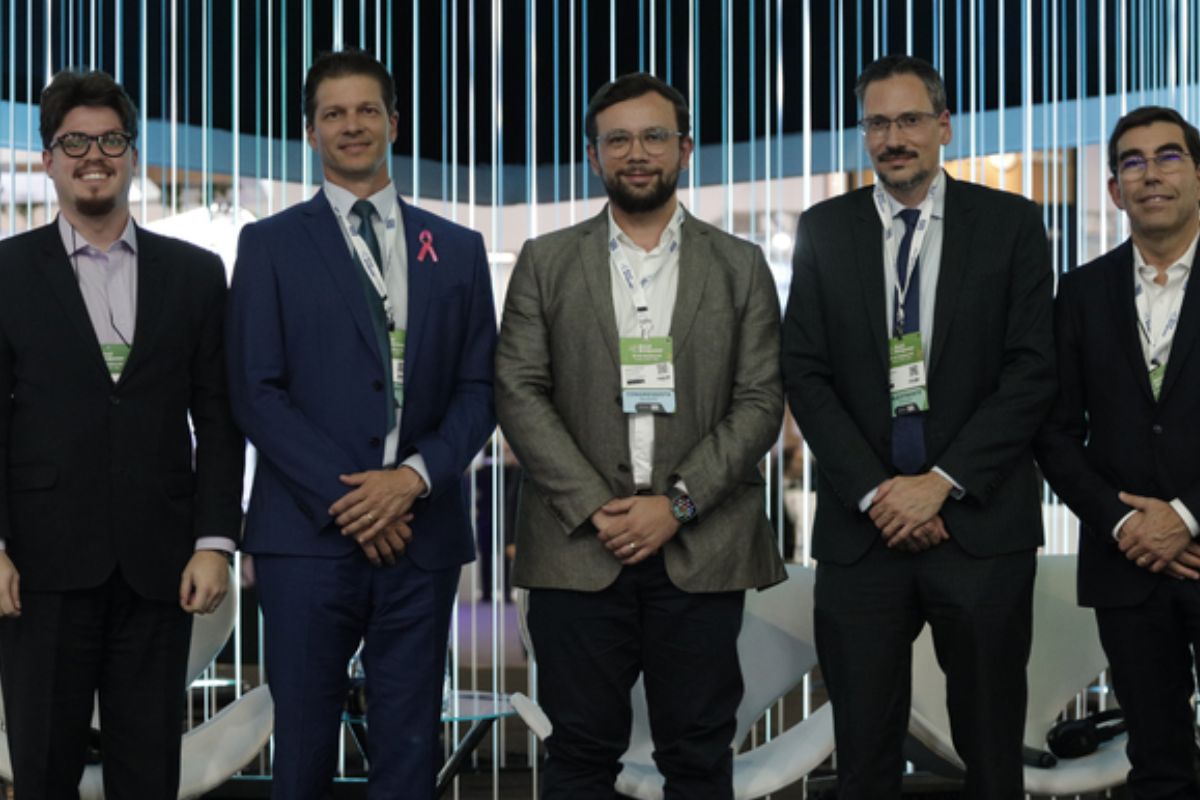
During Brazil Windpower 2025, the MME highlighted the connection between strategic minerals and energy transition, emphasizing public policies, innovation, and investments that strengthen the national green economy
The Brazil Windpower 2025 has established itself as the premier Latin American forum on wind energy and sustainability, bringing together government, companies, and experts to discuss the role of strategic minerals in the energy transition, according to a report published.
The event, held on October 29, featured participation from the Ministry of Mines and Energy (MME), which reinforced the importance of these inputs for advancing renewable energy and strengthening the country’s industry.
The integration of energy policies and minerals was highlighted as essential to ensuring energy security, competitiveness, and environmental sustainability.
-
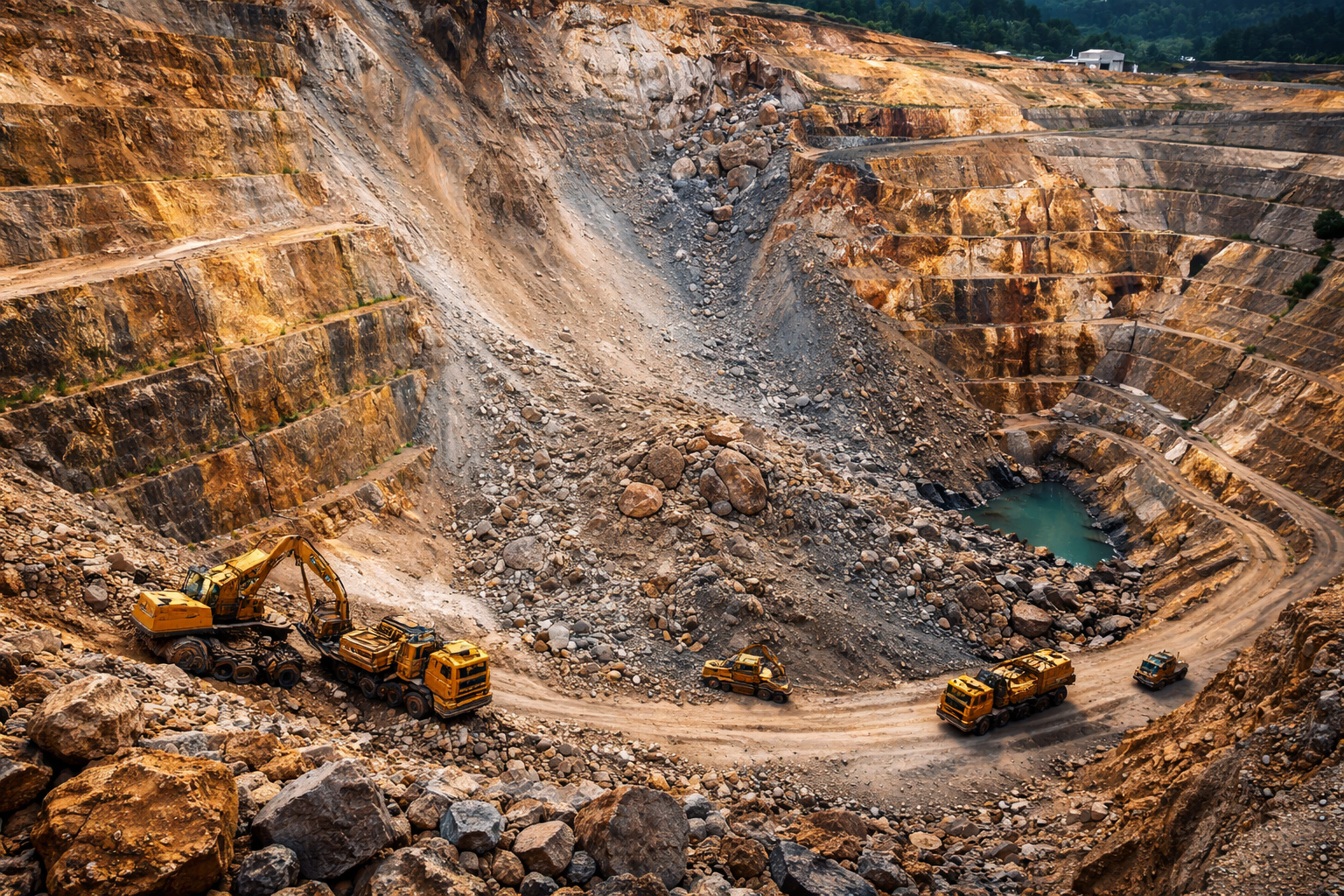
Brazil extracts 26.3 million tons of ore from what was previously treated as waste, transforming residues into wealth, producing over 3 million tons of sand, and demonstrating how national mining is relearning to generate value.

-
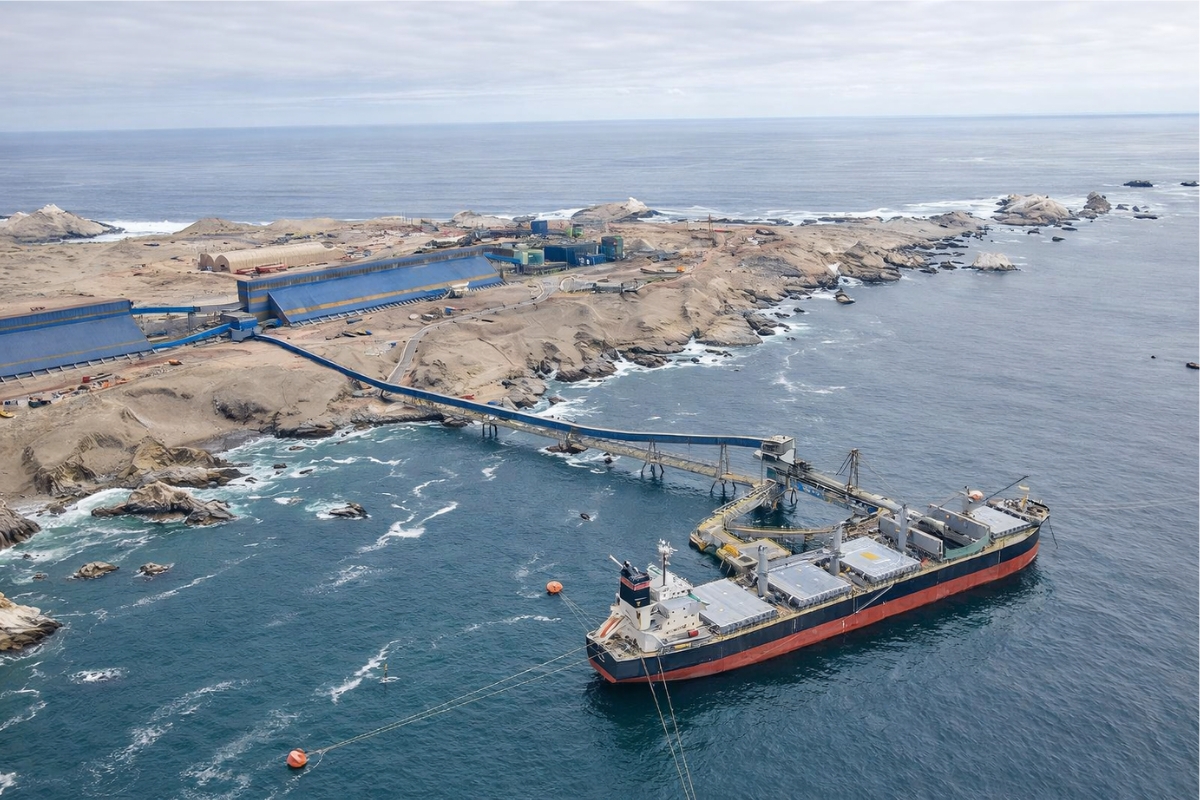
A $3.5 billion megaproject in Latin America pumps desalinated seawater at 1,050 liters per second over 194 km to keep a copper supermine in the Andes operational for another 20 years.
-
A hidden mine in the Andes valued at nearly R$ 1 trillion is starting to attract global attention, containing copper, gold, and silver, and raises an intriguing question: why do Argentina and Chile need to act together to exploit this gigantic wealth?
-
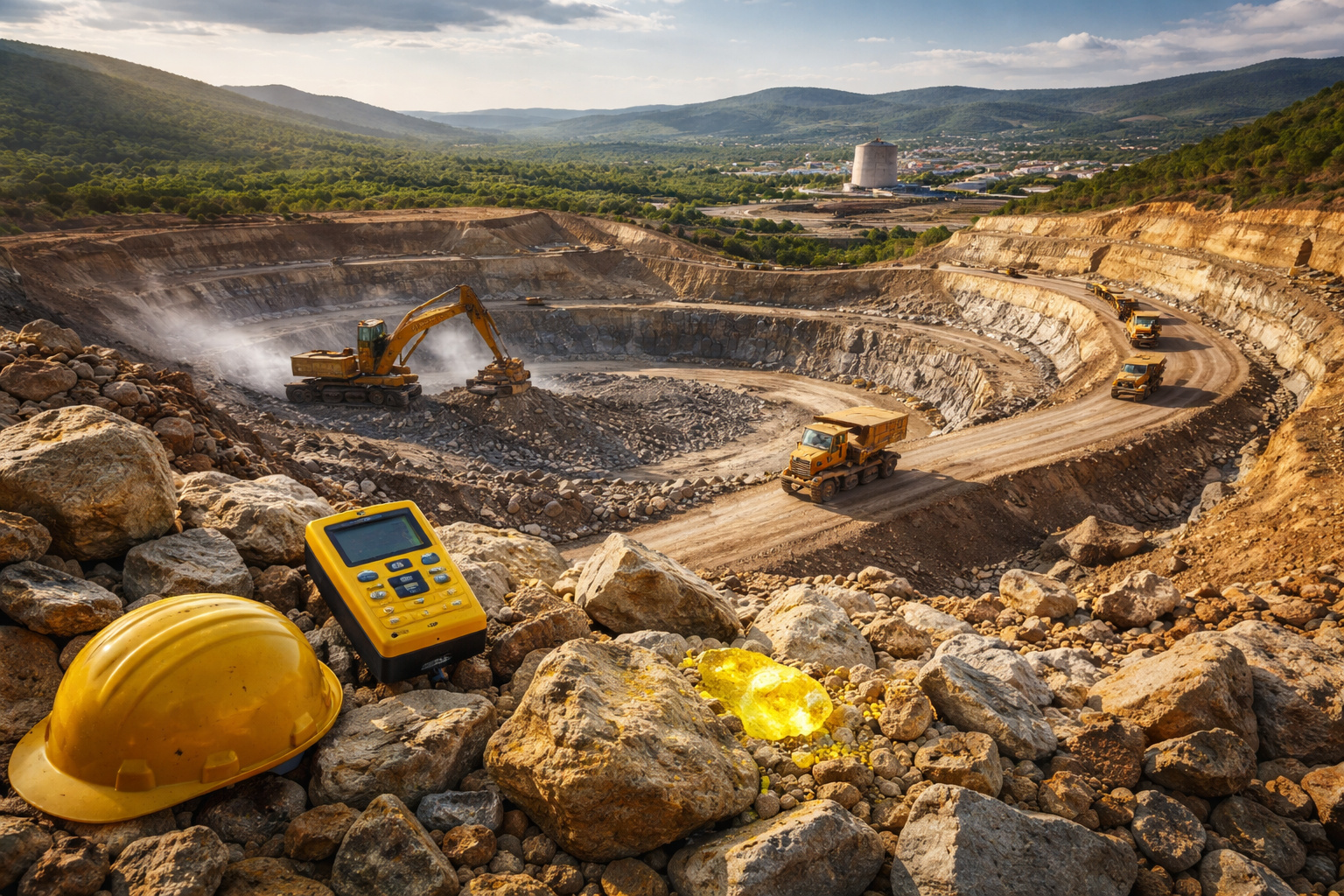
A silent discovery in the interior of Bahia could change the future of energy in Brazil: a uranium reserve in Lagoa Real has an estimated capacity to produce 400 tons per year and is already attracting the attention of energy sector specialists.

During the panel “Trends and Technological Innovations for Advanced Materials and Strategic Minerals“, the General Coordinator of Strategic Minerals and Energy Transition of the Mineral Sector, Gustavo Masili, emphasized that the development of clean energy sources directly depends on a solid mineral base.
According to him, technologies such as wind turbines, electric vehicles, and robotics utilize permanent magnets made from rare earth elements and other critical minerals.
Brazil, with significant reserves, has the potential to assume a prominent role in this global chain, provided it increases investments in research, innovation, and industrial transformation.
Brazil Windpower 2025: Technological Innovation and Energy Security
During the Brazil Windpower 2025, Masili explained that strengthening the mineral sector is crucial to ensure energy security and industrial autonomy.
He highlighted that the MME, in partnership with BNDES, created the Investment Fund for Strategic Minerals (FIP), aimed at projects for the exploration and sustainable production of minerals such as lithium, copper, nickel, and rare earth elements.
These initiatives enhance national added value, stimulate the creation of qualified jobs, and drive technological innovation in the sector.
The regulation of incentivized debentures in the mineral sector, expected in the coming months, was pointed out as a strategic measure.
This fiscal instrument is expected to attract new investments, promote mineral transformation, and foster regional development, aligning economic competitiveness with environmental sustainability.
Industrial Sustainability and Value Addition
Another highlight from the MME at Brazil Windpower 2025 was the progress in formulating the National Policy for Critical and Strategic Minerals (PNMCE).
The initiative, developed in an inter-ministerial way, aims to increase Brazilian geological knowledge, support mineral research, and stimulate value addition within the national territory.
The goal is to ensure that the production and industrialization of essential minerals occur sustainably, reducing external dependencies and strengthening the green production chain.
Additionally, the Guide for Foreign Investors in Critical Minerals, launched this year, presents an updated regulatory overview and the opportunities for international investors interested in participating in the sustainable advancement of national mining.
Economic Development and International Cooperation
The Brazil Windpower 2025 also reinforced the importance of international cooperation and public policies aimed at decarbonizing the energy matrix.
Representatives from the government and the private sector emphasized that Brazil, by investing in strategic minerals and industrial innovation, enhances its capacity to compete globally in the supply of inputs for clean technologies.
These measures strengthen the transition to a low-carbon economy, ensuring that the country advances sustainably and integrates mining, energy, and industry.
The MME, during the Brazil Windpower 2025, reaffirmed its commitment to aligning public policies and technological innovation to transform mineral potential into long-term economic and social development, consolidating Brazil’s leadership in renewable energy and the green economy.







-

Uma pessoa reagiu a isso.