





 Portuguese
  English
  Spanish
  5 min of reading
  0 comments



BRICS Expands Financing in Local Currencies to Reduce Dollar Usage — NDB Already Releases Billions in Real, Yuan, and Ruble for Global Projects.
While the major financial powers of the West closely observe the movements of the BRICS group, a silent and strategic transformation is advancing behind the scenes: the use of local currencies in infrastructure megaprojects financed by the New Development Bank (NDB) is already a reality. The initiative, aimed at reducing dependency on the dollar, is beginning to scale and could change the rules of the game in global tenders, especially in countries in Africa, Asia, and Latin America.
New Development Bank Boosts Local Currencies

Founded in 2015, the NDB (or BRICS Bank) was born as an alternative to traditional multilateral banks such as the IMF and the World Bank. The initial proposal was to finance sustainable development and the infrastructure of member countries — Brazil, Russia, India, China, and South Africa — with more flexible conditions, less tied to macroeconomic and structural requirements.
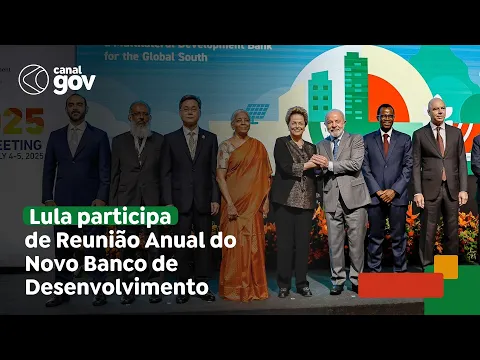
In recent years, the bank has taken a step further: it has started financing projects in local currencies, such as real, yuan, ruble, and South African rand. According to the NDB’s president, Dilma Rousseff, about 25% of the current loan portfolio is already denominated in national currencies, with the goal of reaching 30% by 2026.
-
Pharmacy inside the supermarket: what changes now in your purchase, why medicines won’t go on the shelves, which rules remain strict, mandatory pharmacist, separate space, controlled storage, more convenience and competition in the country.

-
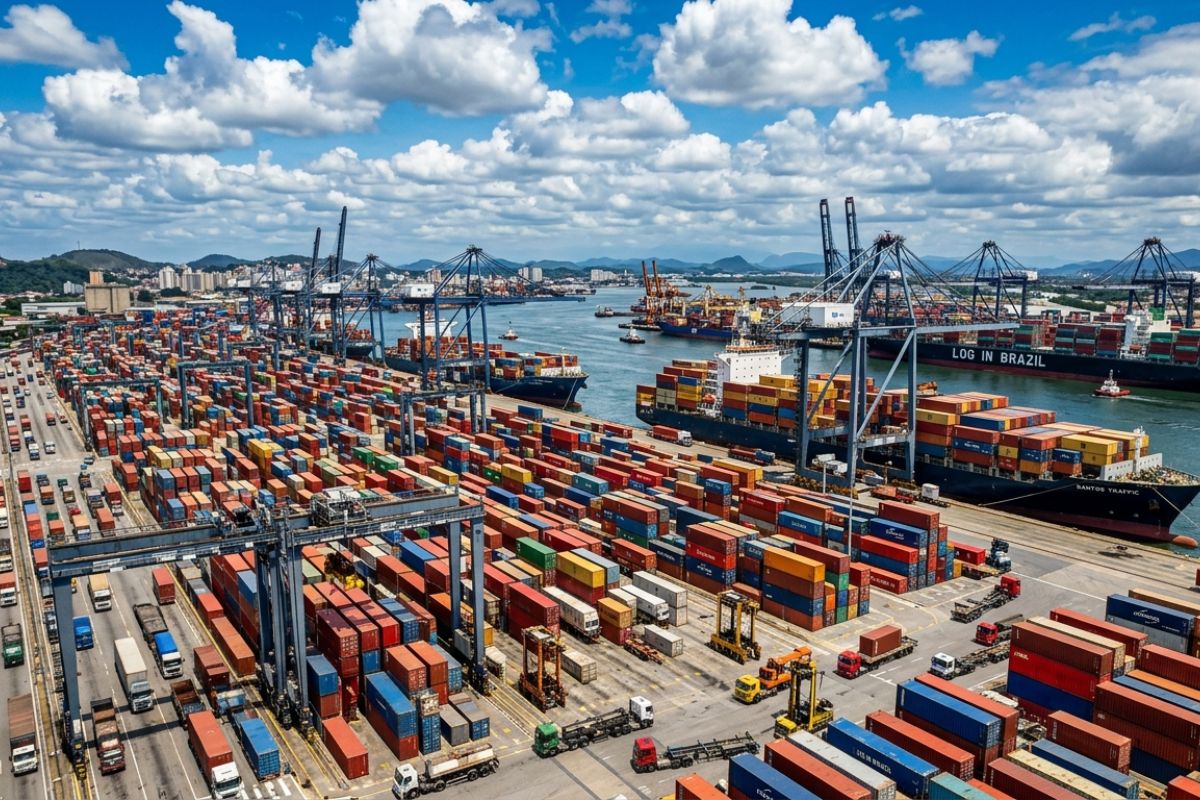
Ports like Santos and Paranaguá are operating at their limits and may block containers as early as 2030, warns a study by Macroinfra; bottlenecks increase costs and delays and push cargo to Rio, Salvador, Pecém, and Suape across Brazil.
-
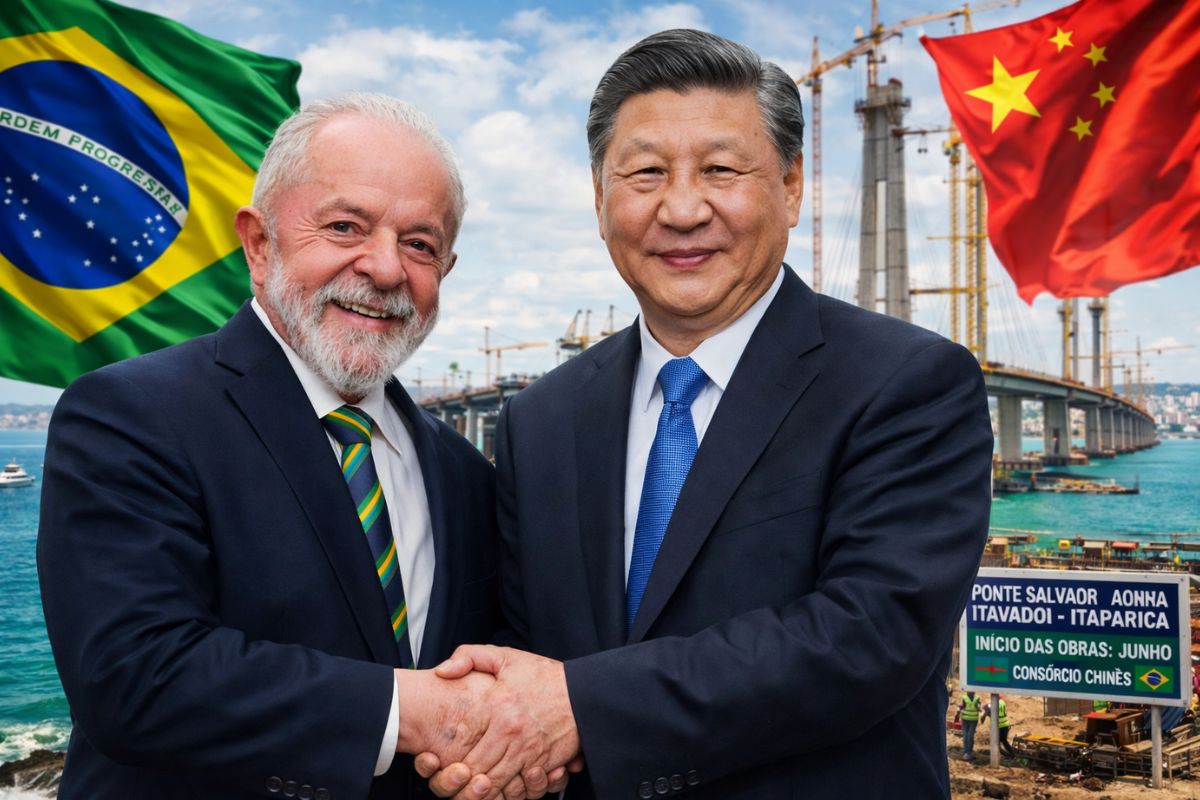
Lula reveals in an interview that he asked President Xi Jinping three times to invest in a major project in Brazil, the Salvador-Itaparica bridge, which is set to begin in June with the participation of a Chinese consortium and is expected to be extraordinary, according to the president.
-
Neighboring city of Belo Horizonte has properties starting at R$ 139,000 with 90 m² and a price per square meter much lower than the capital, even concentrating automotive, petrochemical, and logistics hubs.

This measure not only reduces currency risks for recipient countries but also poses a direct challenge to the dominance of the dollar in global finance.
Concrete Examples: Billions in Loans Outside the Dollar
The NDB has already approved numerous billion-dollar financings outside the dollar sphere. Among the most relevant examples:
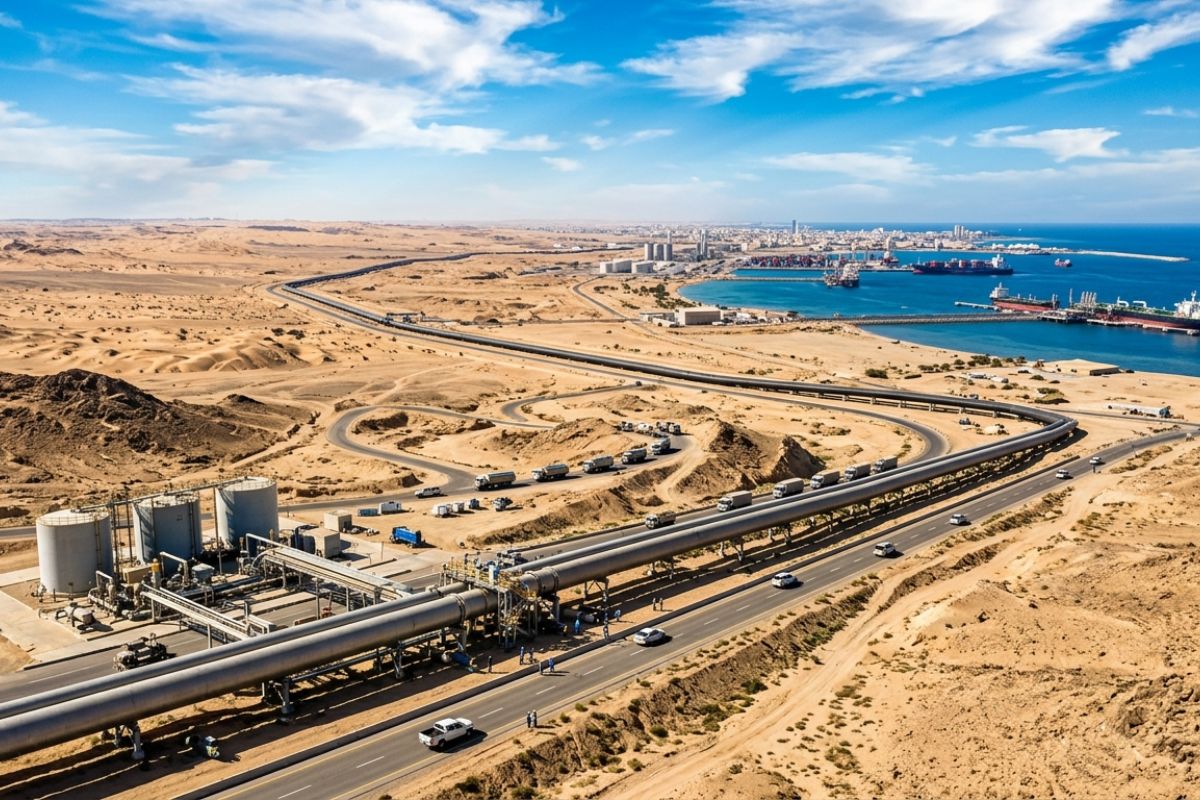
- China: the bank approved a loan of 150 million yuan for the acquisition of liquefied natural gas (LNG) ships, integrating the country’s energy logistics chain with cleaner sources and with settlements outside the dollar.
- South Africa: in 2024, the bank approved up to US$ 1 billion for water infrastructure projects. Although part of the funds is in dollars, a significant portion is in South African rand, as a way to mitigate exchange rate risks and strengthen the local currency.
- Brazil: although it does not yet have a significant volume of operations in reais, the NDB has already issued bonds denominated in reais in the local market, and plans to expand the portfolio of projects financed in Brazilian currency, especially in energy and transportation.
The bank’s strategy is to offer loans tied to the currency of the project’s revenue, meaning that if a project in Brazil will generate income in reais, the financing will also be in reais — reducing exposure to the dollar and the risk of currency depreciation.
The Goal: Break the Dollar’s “Currency Trap”
By financing projects based on national currencies, the NDB reduces reliance on the dollar and makes projects financially more viable for member countries. This happens because, when taking out a loan in dollars, the recipient country must convert its local currency and runs the risk that devaluation could substantially increase the cost of the debt.
With the use of local currencies, this risk is minimized. Moreover, countries strengthen their own currencies, create secondary markets for bonds in national currencies, and open space for local financial institutions to participate in operations.
This decentralized model strongly contrasts with the traditional system, where nearly all major works in developing countries are financed and settled in dollars.
Dilma Rousseff: “We Want to Strengthen Local Currencies, Not Create a New Currency”
During the 2025 BRICS summit, NDB president Dilma Rousseff made it clear that the bank does not intend to launch a single BRICS currency. Instead, the goal is to operate efficiently within the diversity of national currencies, increasing each country’s capacity to use its own internal financial structure without exposure to the dollar.
According to her, this model is more realistic and practical in the short and medium term. “It is not about abruptly replacing the dollar, but about expanding alternatives for Global South countries to choose how and with whom they want to trade,” Dilma stated in a recent interview.
This approach gained support from China and Russia, which already widely use their national currencies in bilateral agreements, including for the buying and selling of oil, gas, and arms.
BRICS Pay and Chain Dedollarization

The NDB’s strategy is not isolated. The BRICS group is also advancing with the BRICS Pay platform, a cross-border payment system that allows direct settlements in the local currencies of member countries.
The goal is to create a financial compensation network parallel to SWIFT, allowing companies and governments to operate without the use of Western banks.
This platform could serve as a basis for NDB disbursements and for international tenders for projects financed by the bank — consolidating a complete, decentralized financial ecosystem outside the dollar sphere.
As early as 2025, Putin stated that 90% of Russia’s transactions with BRICS members already occur in local currencies, which reinforces the practical viability of the model the bank has been promoting.
Impact on Western Banks and the Global Market
Although still modest compared to the total volume of global financing, the NDB’s expansion in local currencies is already beginning to disturb Western banks and credit agencies, which traditionally monopolize large projects in emerging countries.
As more countries opt for loans in national currencies with the NDB — with fewer conditions and lower exposure to the dollar — institutions such as the World Bank, the IMF, and private banks from the U.S. and Europe may lose influence over strategic projects, especially in Africa and Latin America.
Furthermore, by creating markets for public and private bonds in currencies like the real, yuan, and ruble, the bank helps to gradually internationalize these currencies, raising their status in the global financial system.





-

-

6 pessoas reagiram a isso.