





 Portuguese
  English
  Spanish
  5 min of reading
  0 comments



With Concentrated Production, Record Purchases Since 2020, and Growing Use of Local Currencies, BRICS Strengthens Gold in Reserves and Gradually Reduces Dependence on the US Dollar
The BRICS economic bloc has intensified gold accumulation and the gradual reduction of dependence on the US dollar, controlling about 50% of global gold production, a move that impacts reserves, international trade, and the global financial architecture dominated by the US currency.
Expansion of Gold Control by BRICS Countries
The BRICS countries, comprising Brazil, Russia, India, China, and South Africa, have been altering their reserve strategy by increasing production and acquisition of gold as a central asset. Officially, they hold about 20% of global reserves, but with strategic allies, they account for approximately half of global production.
Russia and China are leading this movement. In 2024, China produced 380 tons of gold, while Russia accounted for 340 tons, establishing both as key players in the global supply of the precious metal.
-
The Federal Revenue issues a good alert for Brazilian taxpayers: 60.9% are already using the pre-filled tax return, automatic refunds via Pix reach millions, and the government plans for a fully automated income tax in the coming years.

-
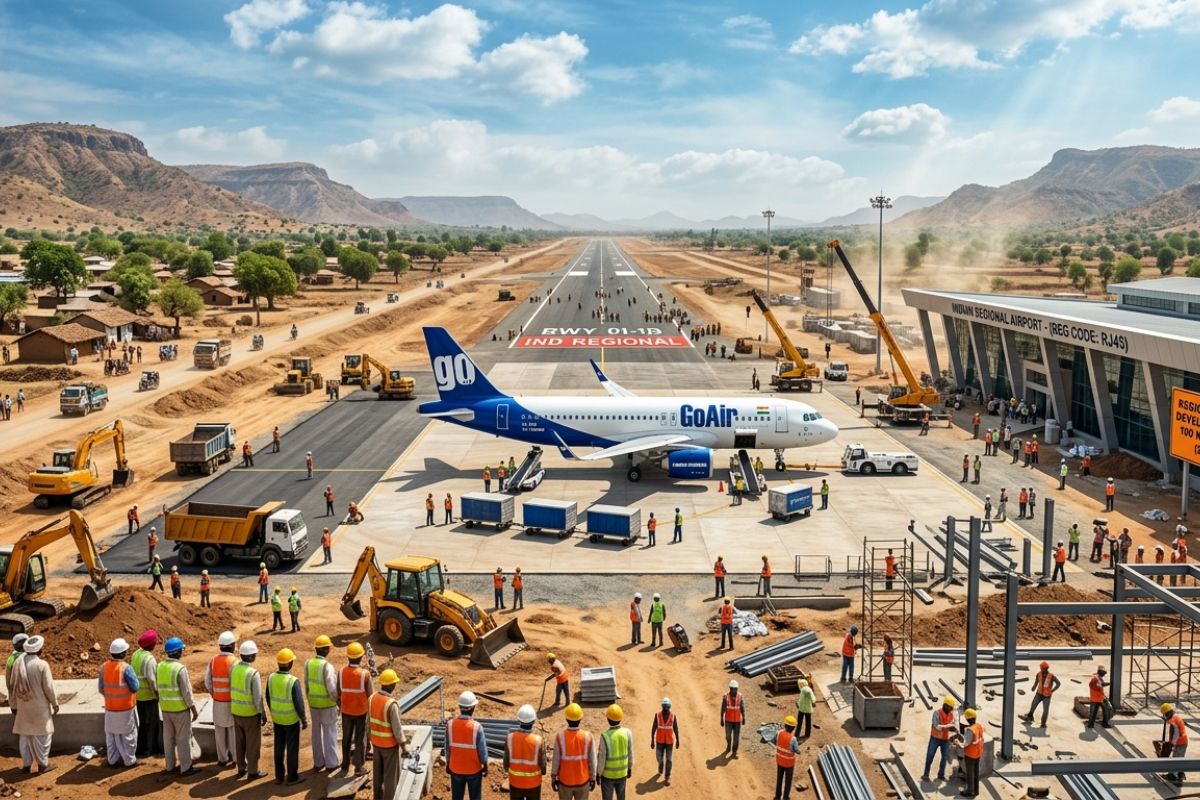
India announces a plan of $3.06 billion to bring aviation to forgotten regions: 100 new airports, $1.07 billion in subsidies, and regional routes guaranteed for 10 years, from 2026 to 2036, away from the centers.
-
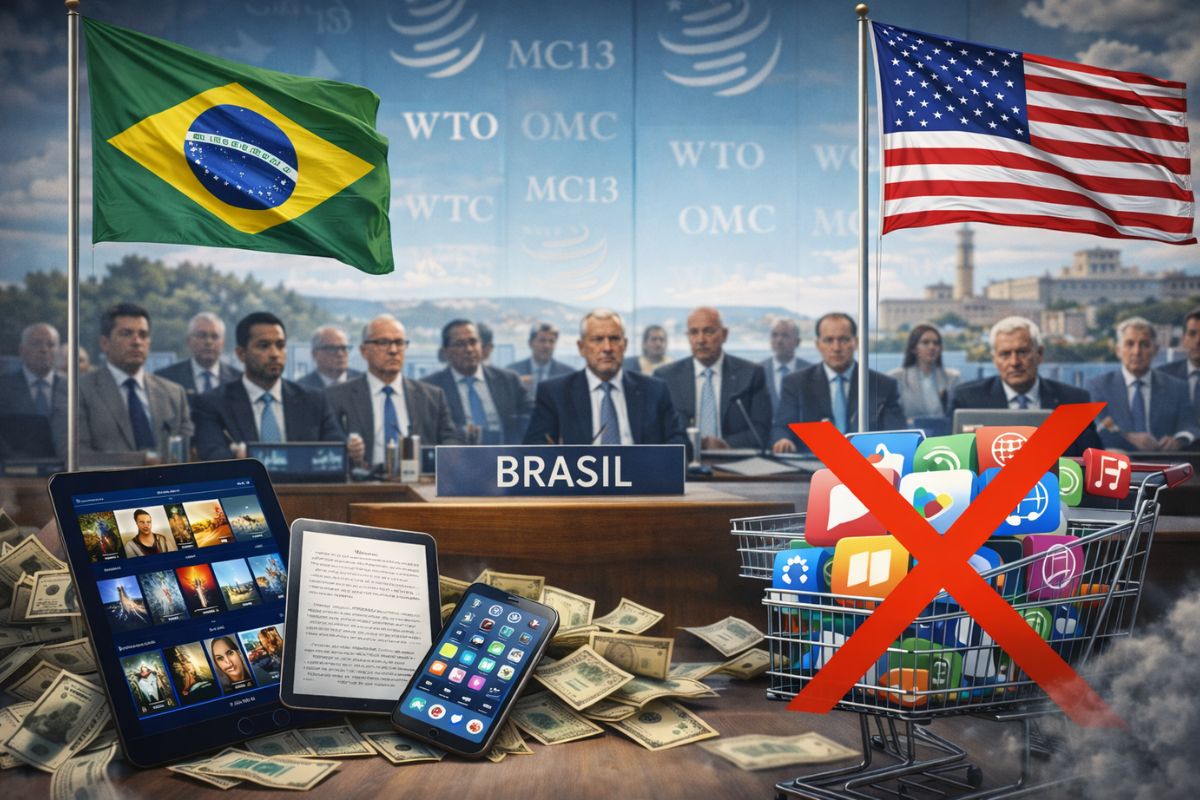
Brazil blocked a proposal from the United States at the WTO that would make the exemption from tariffs on digital products like streaming and ebooks permanent, favoring American tech giants at the expense of developing countries.
-
IPTU exemption for seniors in 2026: see how to secure the benefit.


Brazil began to actively participate in this strategy in September 2025, when it acquired 16 tons of gold, marking its first significant purchase since 2021, as part of the collective effort to strengthen metallic reserves.
Dual Strategy of Production and Reserve Accumulation
According to Anuj Gupta, director of Ya Wealth, BRICS countries are adopting a dual strategy, combining increased domestic gold production with reduced external sales and additional purchases in the international market.
Between 2020 and 2024, central banks of BRICS nations accounted for more than 50% of global gold purchases, evidencing a coordinated shift in monetary reserve management practices.
This strategy, according to Gupta, occurs alongside a decrease in reliance on dollar-denominated assets, reinforcing gold’s role as a central instrument for financial protection and value storage.
Impacts on the Dollar-Dominated Financial Order
For Sachin Jasuja, head of equities and founding partner of Centricity WealthTech, the increase in gold reserve control by BRICS represents a clear signal of tension in the global financial order sustained by the US dollar.
Although the dollar remains the primary world reserve currency, recent movements indicate that its supremacy is being gradually questioned, without an abrupt confrontation or immediate replacement of the existing system.
Currently, BRICS economies account for nearly 30% of global trade, which gives significant weight to the bloc’s joint monetary decisions and amplifies the systemic effects of those choices.
Reduction of Dollar Dependence in International Trade
One of BRICS’s historical goals is to reduce dependence on Western financial infrastructure, especially the dollar, both for trade settlement and for the composition of national currency reserves.
In the last decade, the share of intra-BRICS trade settled in local currencies has consistently increased, with approximately one-third of these transactions already occurring outside the US dollar-based system.
Bilaterally negotiated agreements, such as trade between India and Russia and between China and Brazil in local currencies, illustrate a pragmatic approach aimed at reducing transaction costs and exposure to financial sanctions.
Geopolitical Triggers for Strategy Change
Jasuja notes that the decisive turning point in BRICS countries’ thinking occurred after the war between Russia and Ukraine, when Western governments froze a substantial portion of Russian currency reserves.
This episode altered the global perception of the security of reserves held in dollar-denominated assets or under foreign jurisdiction, highlighting geopolitical risks associated with political misalignments.
Since then, reserve management has prioritized politically neutral assets, physically held and less susceptible to external control, reinforcing gold’s strategic role in this new context.
Growing Share of Gold in Currency Reserves
Central banks of BRICS are among the most aggressive buyers of gold in the global scene, with China, Russia, and India positioned among the largest official holders of the metal in the world.
As a result, the share of gold in the bloc’s currency reserves has steadily increased, while exposure to dollar-denominated assets has decreased slightly, reflecting a progressive diversification of national portfolios.
This change coincided with a strong and sustained rise in gold prices, associated not only with protection against inflation but also with growing official demand from central banks.
Recognition of Gold as a Central Trust Asset
The movement in prices suggests that markets increasingly recognize the renewed role of gold as the primary reserve asset in a fragmented global financial system.
In this scenario, confidence in traditional reserve currencies is no longer unconditional, opening space for assets regarded as neutral and historically accepted as stores of value.
This process occurs gradually, without an immediate rupture of the existing monetary system, but signals significant structural changes in how countries manage their reserves.
Gold Production and Strategic Flexibility
Ponmudi R, CEO of Enrich Money, states that the BRICS influence is growing in annual gold production, with member countries and allies accounting for nearly half of the new global supply.
This control of future production enhances the bloc’s strategic flexibility without implying immediate dominance over the international monetary system or direct replacement of the dollar as the central currency.
According to the executive, the acceleration of gold purchases should be primarily interpreted as a risk management and reserve diversification strategy in an unstable geopolitical environment.
Gold as a Neutral Asset in a Scenario of Global Tensions
Gold is regarded as a sanctions-resistant and politically neutral asset, a characteristic that has gained relevance following recent geopolitical developments involving major economic powers.
These factors have led several emerging economies to reevaluate the risks associated with excessive concentration of reserves in assets denominated in a single global benchmark currency.
The adoption of this strategy by BRICS does not eliminate the dollar’s role but reduces vulnerability to external shocks and financial restrictions imposed by third parties.
Limits and Challenges of the BRICS Strategy
Ponmudi R emphasizes that the global structural competition is not limited to gold, but also involves the petrodollar system, trade realignments, and increased import tariffs.
The strategic push by China towards electric vehicles, renewable energy, and less dependence on fossil fuels is part of a broader effort to reconfigure the global trade rules.
This movement seeks to reduce long-term exposure to commodity pricing linked to the dollar, enhancing the economic autonomy of emerging nations.
A More Diversified and Multipolar Financial System
The increasing accumulation of gold by BRICS countries does not signal the immediate end of the US dollar’s role in the international financial system.
According to Jasuja, this represents a credible structural change towards a more diversified and multipolar global system, where multiple assets and currencies coexist.
In this new arrangement, gold discreetly reemerges as a fundamental anchor of monetary confidence, reflecting a gradual but significant transition in global financial governance, even with some risks still present.








-

Uma pessoa reagiu a isso.