





 Portuguese
  English
  Spanish
  3 min of reading
  0 comments


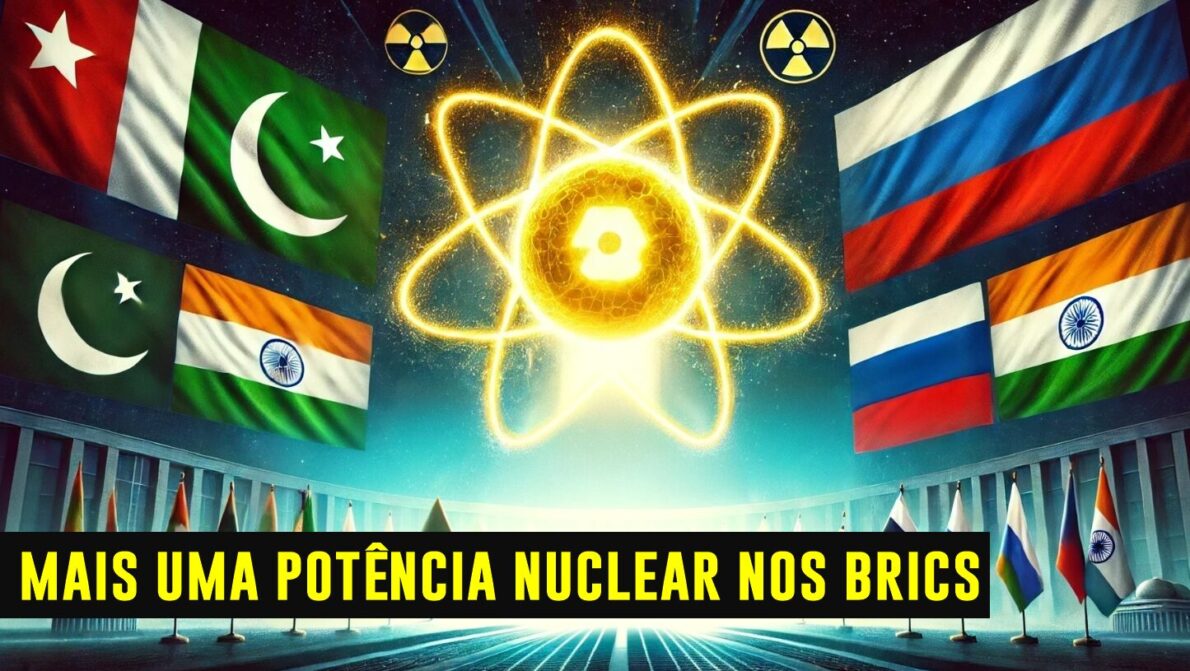
Russia Is Supporting Pakistan’s Entry Into BRICS, A New Nuclear Power That Is Already Generating Tensions With India. Discover How This Potential Expansion Of The Group Could Alter The Global Geopolitical Balance!
The recent announcement that Russia supports Pakistan’s entry, a nuclear power, into the BRICS group has sparked an intense debate among member countries, especially India, which has a historically tense relationship with Pakistan. This Russian support could redefine the power dynamics within the bloc, with analysts pointing to the possibility of increased Chinese influence if Pakistan’s membership materializes.
During a press conference in Islamabad, Pakistan, Russian Deputy Prime Minister Alexei Overchuk clearly expressed support for Pakistan’s candidacy to BRICS, highlighting that Moscow is committed to strengthening trade and cultural ties with Islamabad. “We are pleased that Pakistan has applied… We will support this,” Overchuk stated after talks with Pakistan’s Foreign Minister, Ishaq Dar.
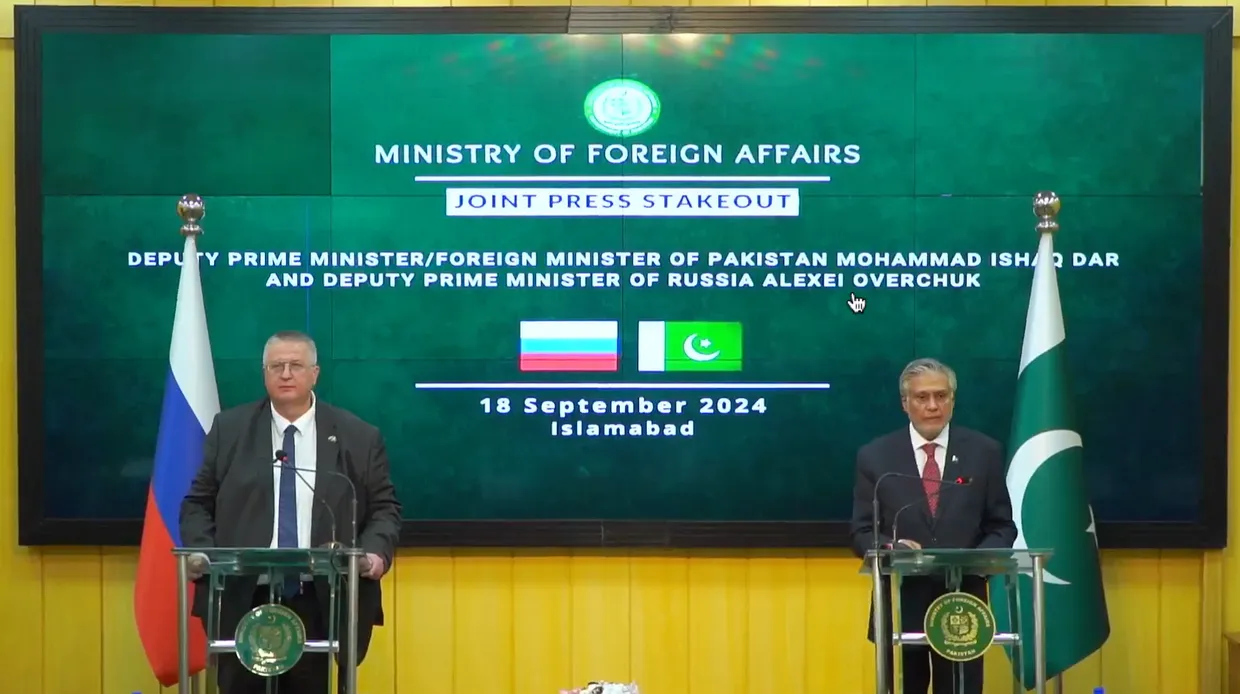
Russian Support for Pakistan
Russian support comes at a time of increasing economic isolation for Russia, exacerbated by Western sanctions due to the war in Ukraine, and reflects a strategy to expand its economic and geopolitical partnerships in Asia.
-
Spain challenges the USA and closes its airspace for operations against Iran, raising global tension and provoking the threat of a trade rupture.
-
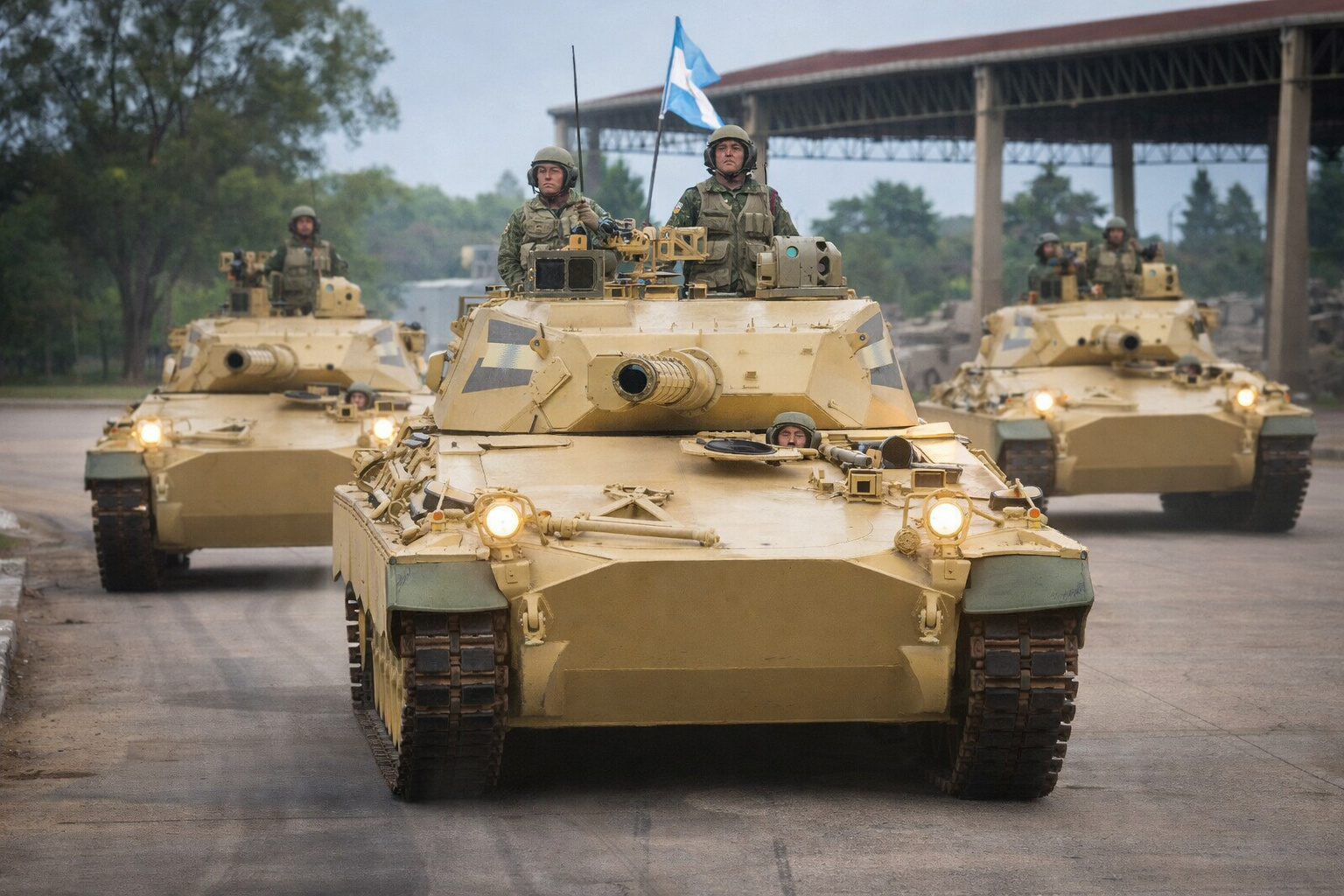
While no other country manufactures tanks in Latin America, Argentina activates the TAM 2C-A2 and raises a curiosity about the technological lag in the region.
-
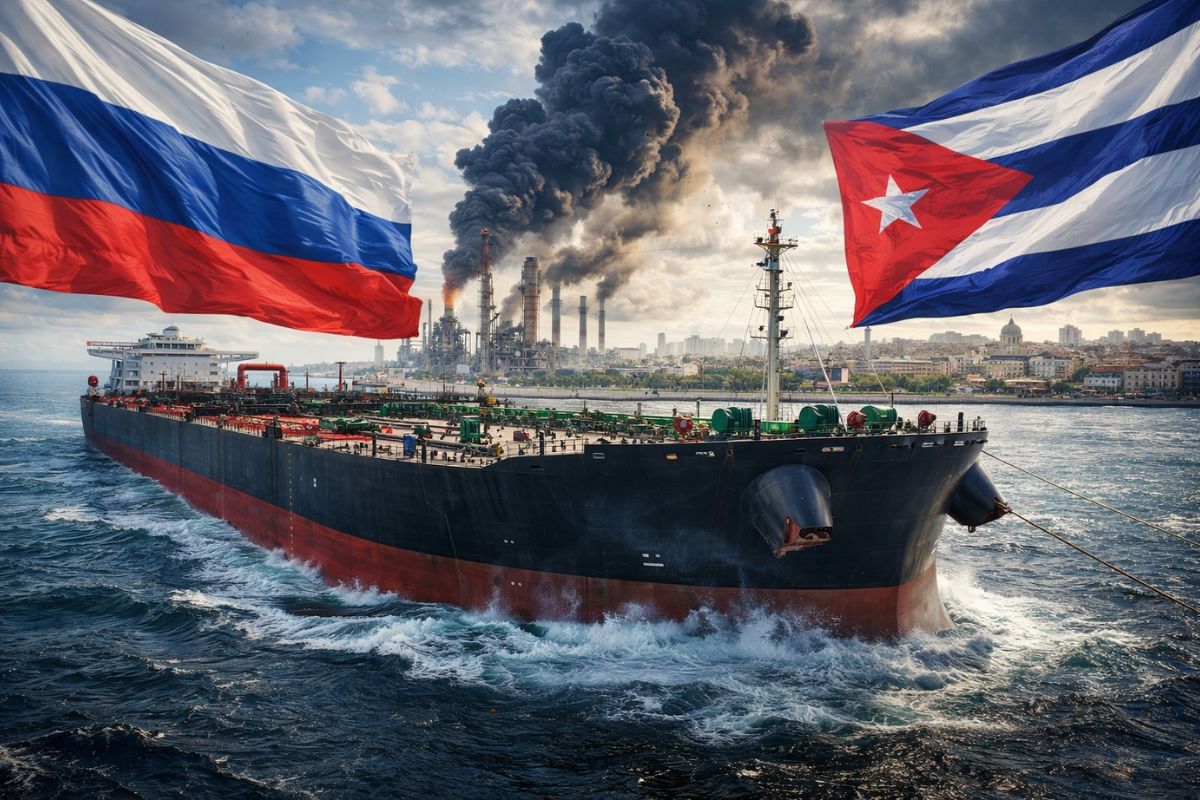
A Russian ship with 730,000 barrels of oil has just arrived in Cuba while Mexico negotiates fuel sales through private companies: the communist island is desperately seeking alternatives after losing its supply from Venezuela due to American military action.
-
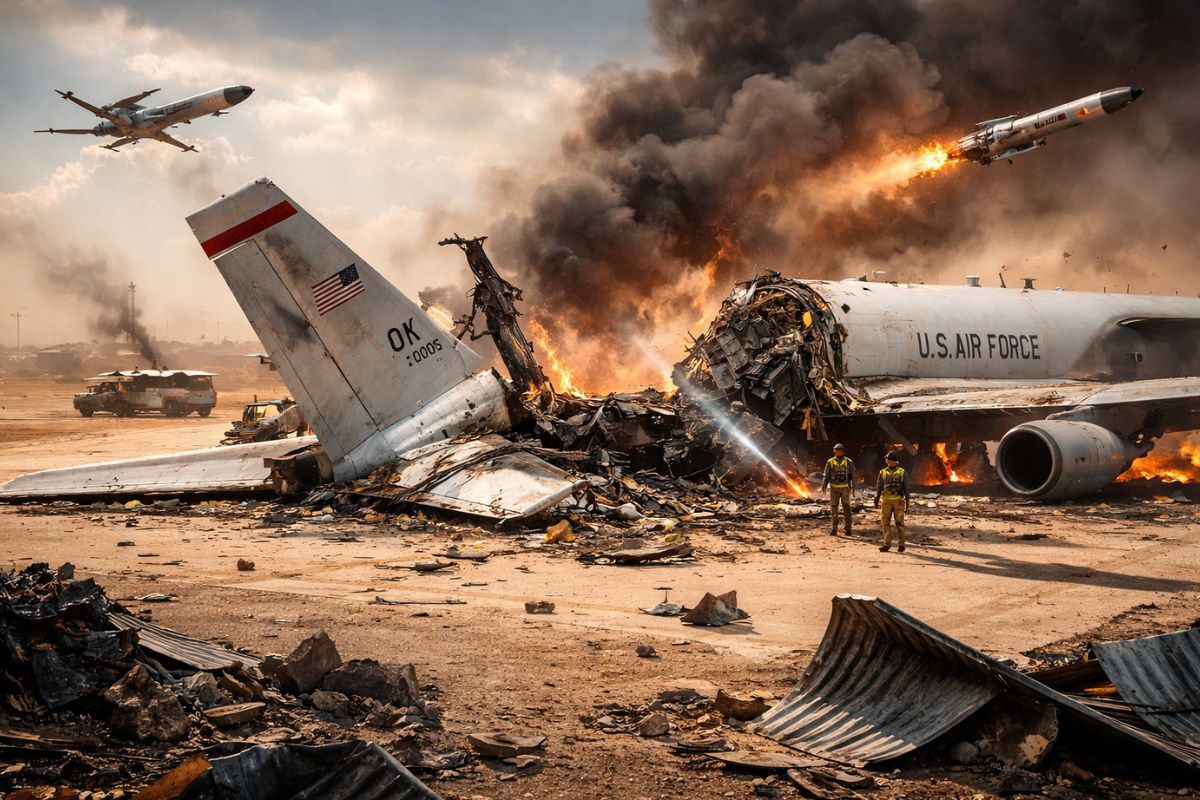
Iranian drones and missiles destroyed a 270 million dollar American spy plane in Saudi Arabia, splitting the E-3 Sentry aircraft in half and injuring 12 military personnel in an attack that exposes the vulnerability of U.S. bases in the Persian Gulf.

However, Pakistan’s inclusion in BRICS may cause discomfort in India, which has already shown reluctance regarding the bloc’s expansion in the coming years. Abhishek Sharma, a research assistant at the Observer Research Foundation based in New Delhi, commented that it is unlikely India will support Pakistan’s membership, citing the strict criteria that candidate countries must meet.
Furthermore, Sharma emphasized that any new member must maintain friendly relations or have significant trade with all existing members, a complicated condition given the tensions between India and Pakistan.
History of BRICS
BRICS, originally formed by Brazil, Russia, India, China, and South Africa, has sought to expand its global influence as an alternative to Western-dominated financial and political institutions. Recently, the bloc invited five new members: Saudi Arabia, Iran, Ethiopia, Egypt, and the United Arab Emirates.
The potential entry of Pakistan, a nuclear power with a strong alliance with China, could change the balance of power within the group, further favoring the Sino-Russian agenda.
The economic relationship between Russia and Pakistan has also strengthened in recent years, even in light of the sanctions imposed on Moscow.
Economic Partnership
In 2023, bilateral trade between the two countries reached US$ 1 billion, with expectations for continued growth. Pakistan’s Foreign Minister, Ishaq Dar, mentioned during the press conference that both nations are committed to overcoming banking restrictions that hinder international financial transactions, seeking to further strengthen economic ties.
This Russian move can also be seen as part of a broader strategy by Moscow to reinforce its regional alliances amid the economic isolation imposed by the West.
Russia and Pakistan are working to expand bilateral trade, focusing on overcoming the barriers imposed by sanctions. Beyond economic issues, Pakistan’s potential membership in BRICS opens a new chapter in international relations, especially regarding competition for influence in the global geopolitical landscape.
The future of Pakistan’s candidacy to BRICS, however, is still shrouded in uncertainties, with many factors to consider, especially the role that India will play in the internal discussions of the bloc.
The inclusion of a historically adversarial country to India could intensify divisions within BRICS, testing the group’s cohesion, which is already grappling with complex geopolitical challenges. On the other hand, for Russia and China, Pakistan’s entry could be viewed as an opportunity to broaden their regional and global influence.








Seja o primeiro a reagir!