





 Portuguese
  English
  Spanish
  4 min of reading
  0 comments


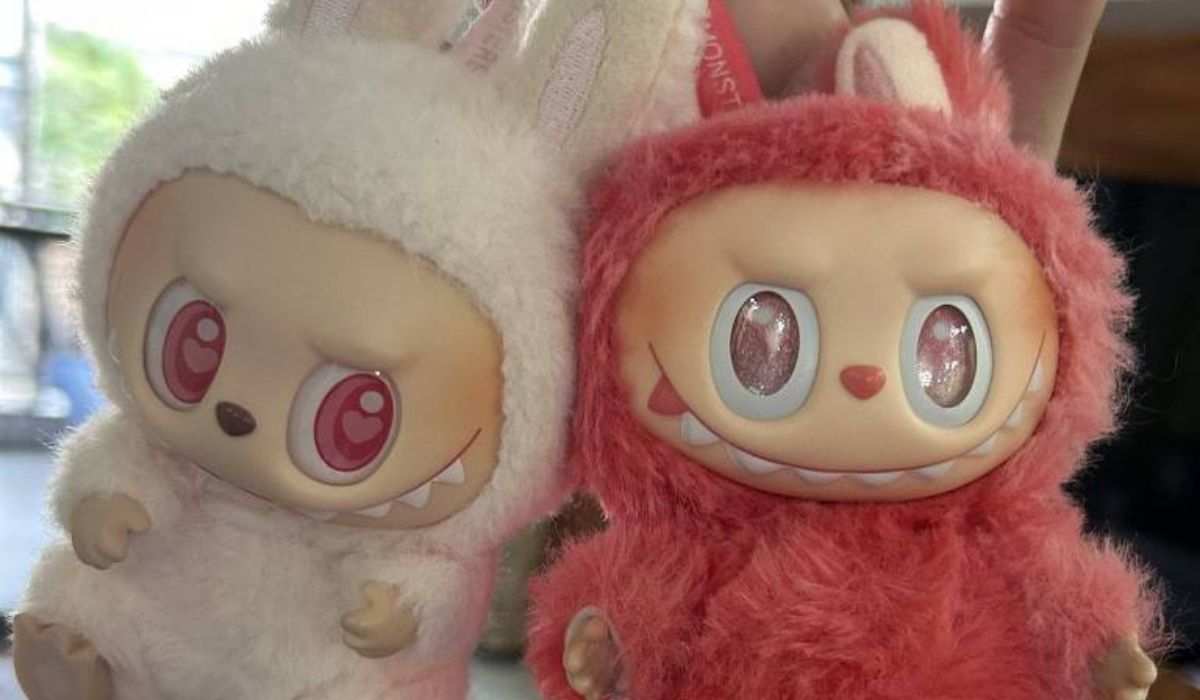
International NGO Investigation Points to Possible Labor Violations in Chinese Supplier Linked to One of the Most Popular Toys of 2025, Involving the Hiring of Youth, Extensive Hours, and Unclear Contracts, According to Findings Released by the British Press.

An investigation by the China Labor Watch (CLW) claims to have identified labor violations in a Chinese factory that is part of the production chain for Labubus, plush toys associated with Pop Mart that gained international prominence throughout 2025.
The conclusions are detailed in a report by the organization and were published by the British newspaper The Guardian, based on interviews conducted over three months with more than 50 employees from the investigated unit.
According to CLW, the findings indicate practices that may be in violation of Chinese labor laws, such as hiring young people between the ages of 16 and 18 without the special protections required by law, deficiencies in health and safety training, signing contracts without complete information, and long hours with excessive overtime.
-
Government enacts new law: paternity leave increases from 5 to 20 days with gradual increases until 2029, and Social Security pays the paternity salary; companies no longer bear the absence cost, estimated at R$ 5.4 billion.

-
End of the 1-hour lunch break in the CLT? Current labor law maintains the break, allows for negotiated reductions, and defines rules for working hours and home office in Brazil.

-
Historic bankruptcy of Centauro shocks the market, and the century-old company puts more than 500,000 products, machines, and complete infrastructure up for online auction.

-
New shoe factory in Ceará is expected to create 400 jobs and strengthen the local economy.


Pop Mart informed The Guardian that it prioritizes the protection of workers in its supply chain.
The company stated that it conducts regular audits of partner factories and is analyzing the allegations presented.
According to the company, if the violations are confirmed, corrective measures will be required in accordance with local laws.
Investigation into Youth Labor in Toy Production
The allegations focus on Shunjia Toys, a supplier located in Xinfeng County, Jiangxi Province, in southeastern China.
According to the CLW report and The Guardian article, the factory employs over 4,500 people and supposedly has a production line dedicated exclusively to Labubus.
During the investigation, the NGO claims to have identified three workers under the age of 18 performing regular roles on the assembly line.
Chinese legislation allows the hiring of individuals as young as 16, but imposes additional requirements for this age group, such as restrictions on activities deemed dangerous or excessively strenuous.
According to CLW, the interviewed adolescents were subjected to the same targets and workloads imposed on adults.
The organization also states that these young workers demonstrated a lack of understanding regarding the contractual terms to which they were bound, including details about their rights and legal responsibilities.
Reports of Incomplete Employment Contracts
The investigation also describes problems related to employment contracts.
According to the NGO, employees reported that it was common to sign documents without all clauses filled in at the time of hiring.
The report states that workers were instructed to provide only personal information, while details about roles, remuneration, contract duration, and social security contributions remained unexplained.
CLW claims that the process occurred quickly, with only a few minutes available for signing, which hindered the ability to fully read the document.
For the organization, this practice compromises the transparency of the labor relationship.
The Guardian emphasizes that such reports are part of the interviews conducted by the NGO and do not constitute a judicial decision or conclusion by Chinese authorities.
Work Hours and High Production Targets
Another point highlighted in the report concerns overtime.
CLW states that, although Chinese legislation establishes a monthly limit of 36 additional hours, factory workers reported completing more than 100 overtime hours in some months.
These hours would be associated with meeting high production targets.
According to the findings, teams of 25 to 30 people needed to assemble at least 4,000 toy units per day to meet demand.
The organization also mentions deficiencies in health and work safety training.
According to the report, some employees claimed not to have received adequate guidance on occupational hazards, especially during intense production periods.
Production Capacity and Actual Manufacturing Volume
Shunjia Toys reports having official capacity to produce about 12 million toys per year.
However, CLW asserts that actual production may exceed the reported volume based on daily targets reported by workers and the structure of the teams observed during the investigation.
According to the report, only two teams would be responsible for an estimated annual production of over 24 million units.
The NGO emphasizes that these estimates are based on reports collected on-site and not on official company data.
The executive director of China Labor Watch, Li Qiang, told The Guardian that discrepancies between planned capacity and actual production can occur in the Chinese manufacturing sector during periods of rapid demand increase.
He stated that when this happens, the pressure tends to fall on the workforce, through longer hours and intensified production pace.
Companies’ Reaction and Case Monitoring
Shunjia Toys did not respond directly to the allegations by the time the report was published.
Pop Mart, on the other hand, reiterated that it requires its suppliers to comply with labor laws and its own codes of conduct.
This case adds to international discussions about working conditions in global production chains, especially in sectors facing sudden spikes in demand.
Based on the information presented by the NGO, attention turns to potential responses from the companies involved and possible oversight actions by Chinese authorities.









-

Uma pessoa reagiu a isso.