





 Portuguese
  English
  Spanish
 2 min of reading


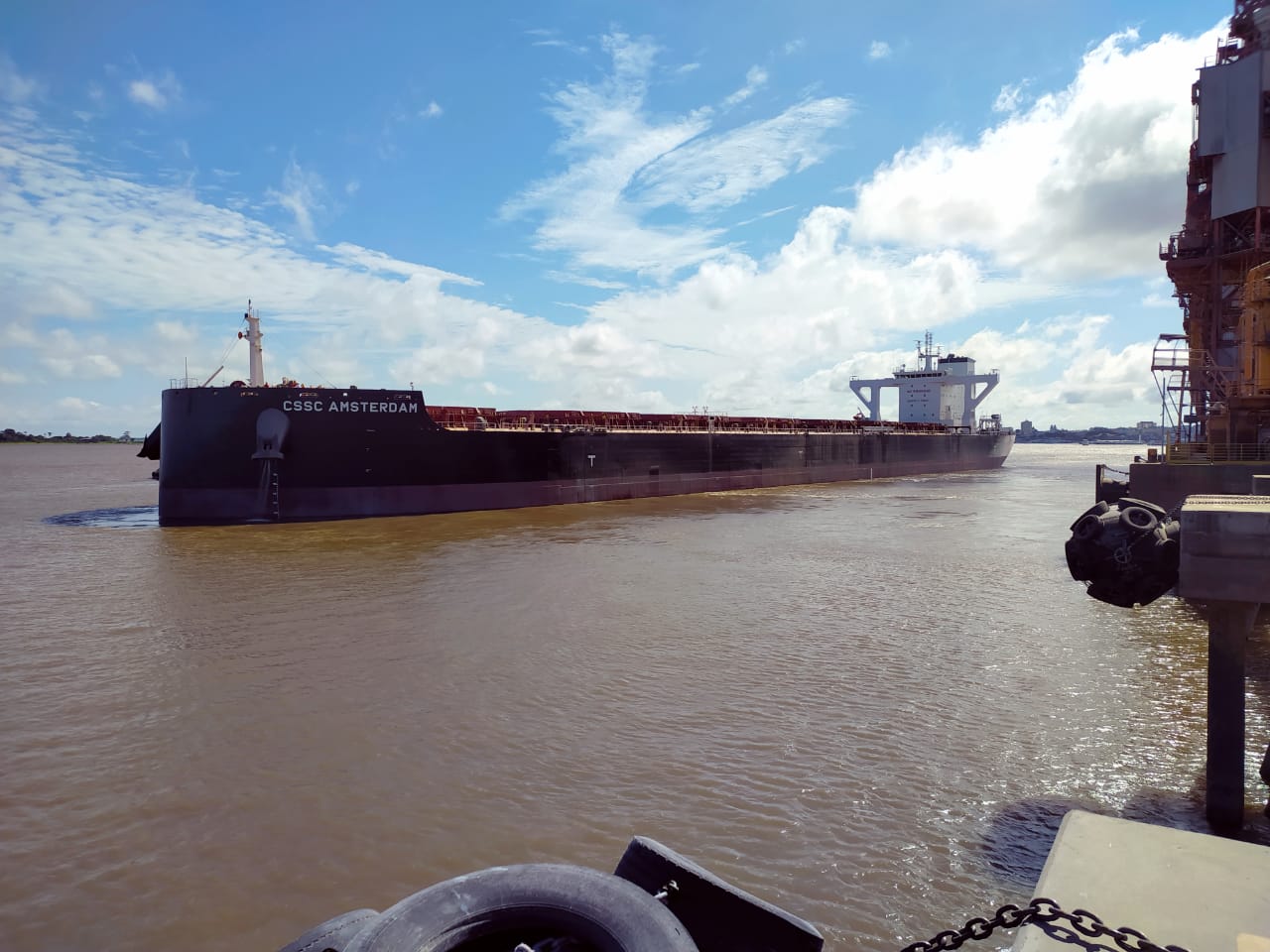
The MV CSSC Amsterdam Loaded More Than 82 Thousand Tons of Grain, Departing from the Port of Santarém, Pará, Heading to Europe
São Paulo, December 2, 2020 – Bureau Veritas, a global leader in Testing, Inspection, and Certification (TIC), conducted another record inspection of vessels in the country. This time, the Group was responsible for inspecting 82,531,299 tons of corn loaded on the largest ship ever docked in the history of the Northern Arc, the MV CSSC Amsterdam. Departing from the Port of Santarém, located in Pará, its maiden voyage is destined for Lisbon, Europe. Bureau Veritas evaluated different criteria, such as weight and quality of the cargo, as well as the vessel’s sanitary condition.
Other News About Bureau Veritas
- Bureau Veritas Establishes Agreement with OAB Macaé for the Restart of Business on Its Platforms in the Campos Basin
- Leader in Testing, Inspection, and Certification, Bureau Veritas is Hiring on This Day 30
- BUREAU VERITAS LAUNCHES SUPPLY CHAIN RISK MANAGEMENT SOLUTION TO ENSURE BUSINESS CONTINUITY IN CRISIS SCENARIOS
“Just in 2020, this is the second record inspection we have conducted in Brazil reflecting the good moment of the national Agribusiness. In the middle of the year, we inspected over 102 thousand tons of soybeans at the Port of Paranaguá. Nearly 200 years of experience in the sector and inspecting the MV CSSC Amsterdam adds to these long years of history,” emphasizes Claudio Fonseca, Operations Director of the Agri & Food Division.
The MV CSSC Amsterdam measures 255 meters in length, 43 meters in width, and has seven holds. Carrying more than 82 thousand tons of corn, approximately 62% higher than the average at the Port of Santarém, the cargo represents the largest volume ever shipped in the Northern Arc of the country. To give an idea of what this means, if this cargo were transported by trucks, more than 1,640 vehicles would be needed.
-
With 74% of companies facing difficulties in hiring, technicians and engineers in renewable energy are becoming scarce in Brazil and are essential to support the expansion of solar, wind, and green hydrogen projects.

-
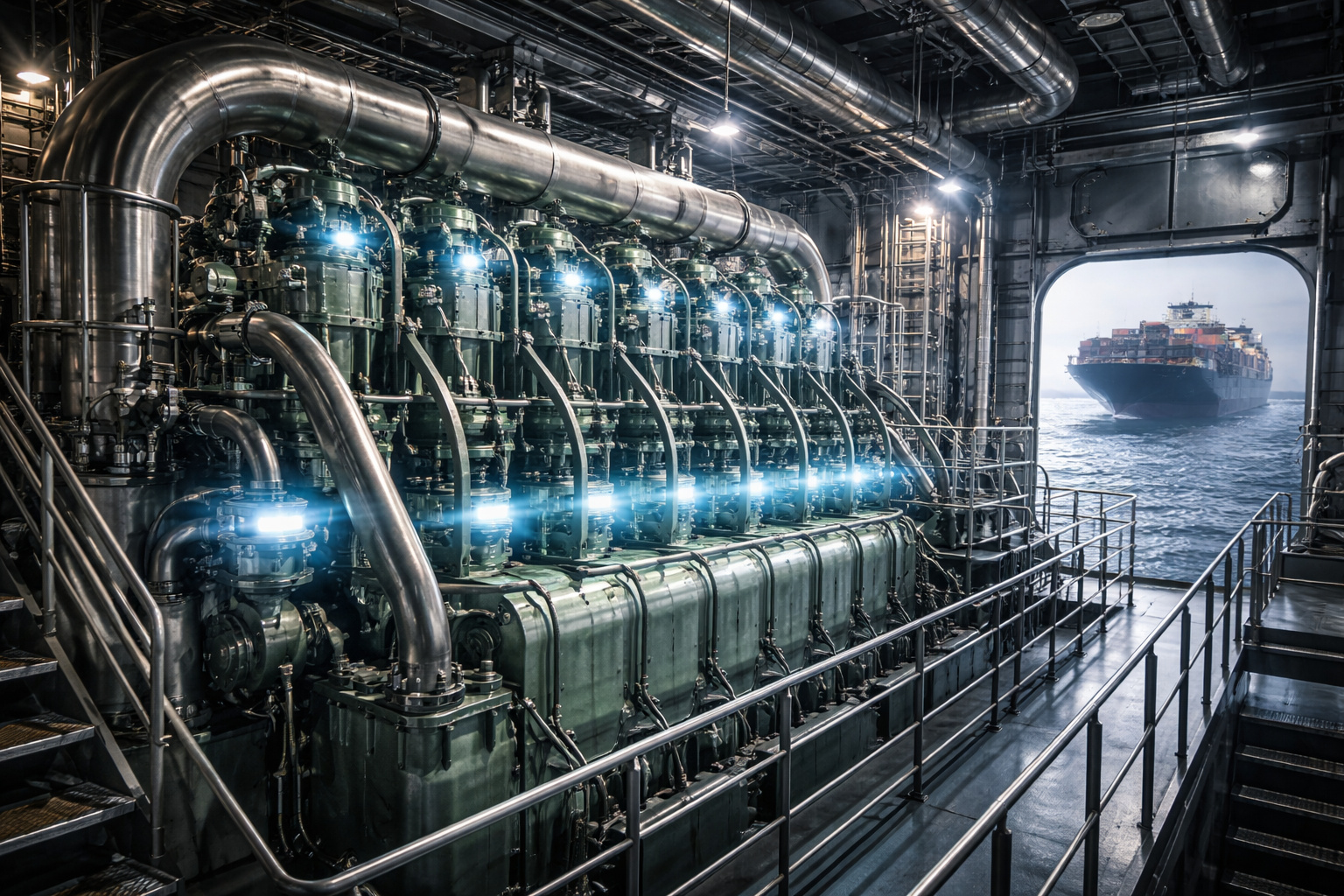
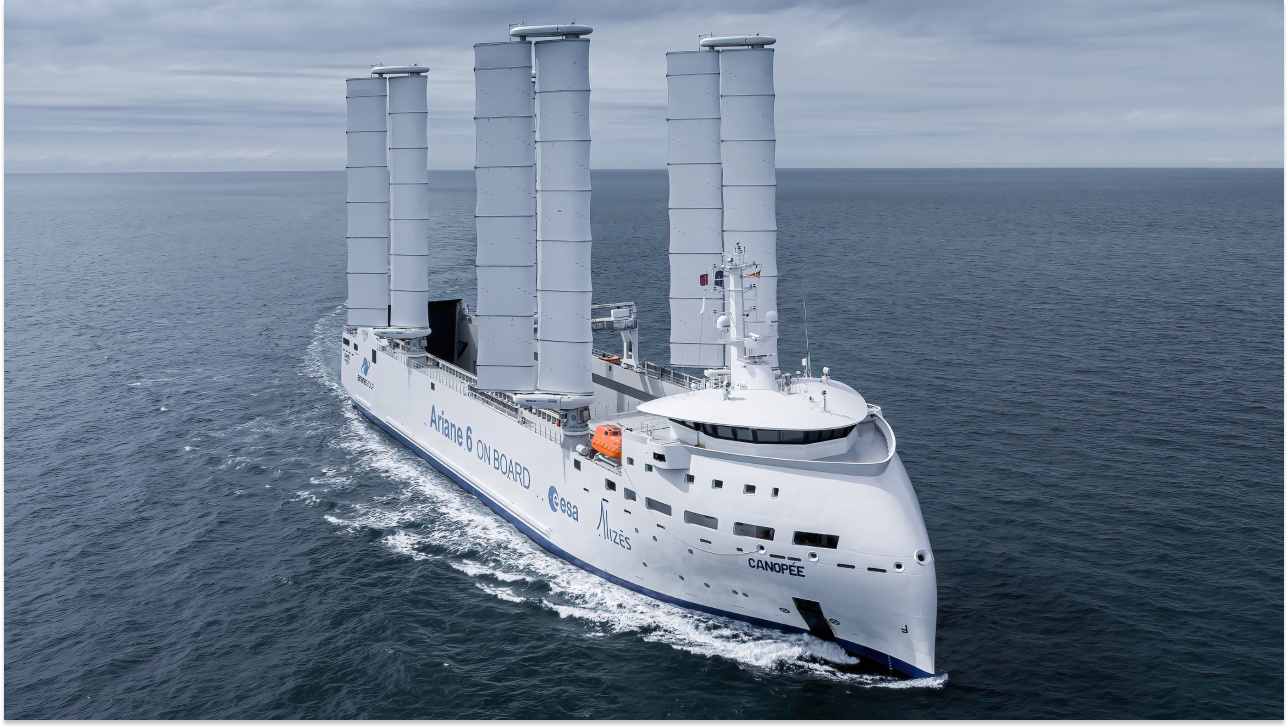
Europe is trying to create an ammonia-powered marine engine without auxiliary fuel, which could unlock the race for giant emission-free ships. The technology aims to eliminate one of the biggest obstacles to clean maritime propulsion.
-
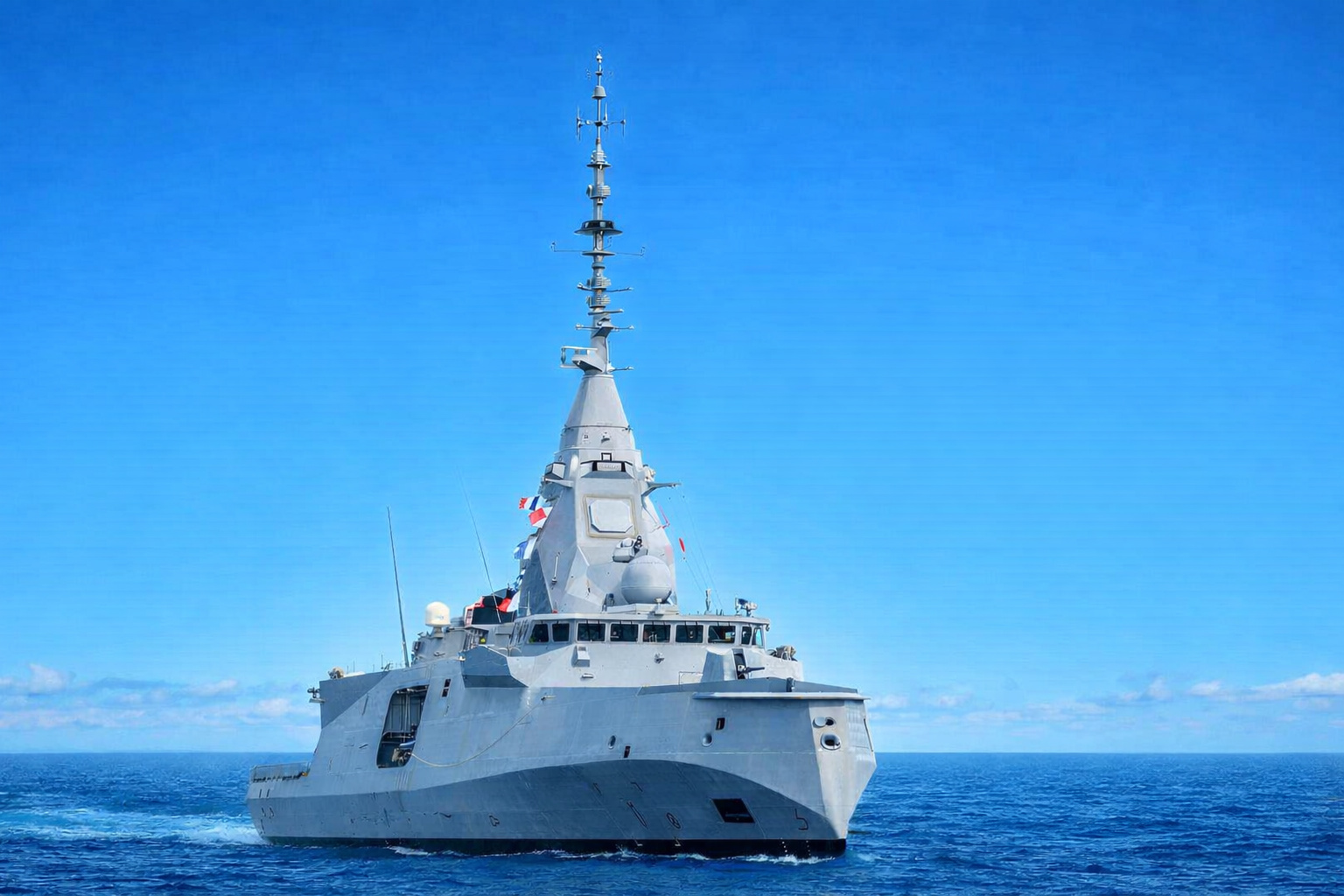
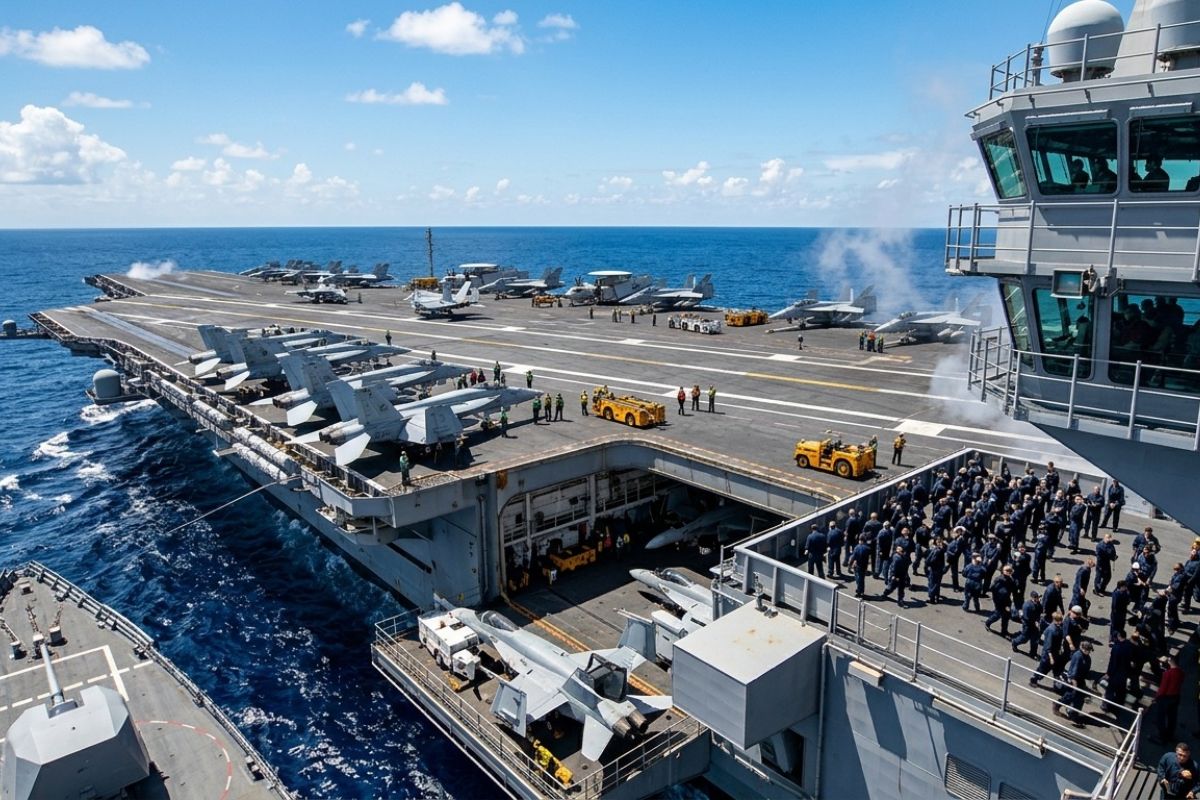
A 4,500-ton frigate with just over 100 crew members, state-of-the-art radar, and cruise missiles is being touted as the new standard of naval warfare in the 21st century.
-
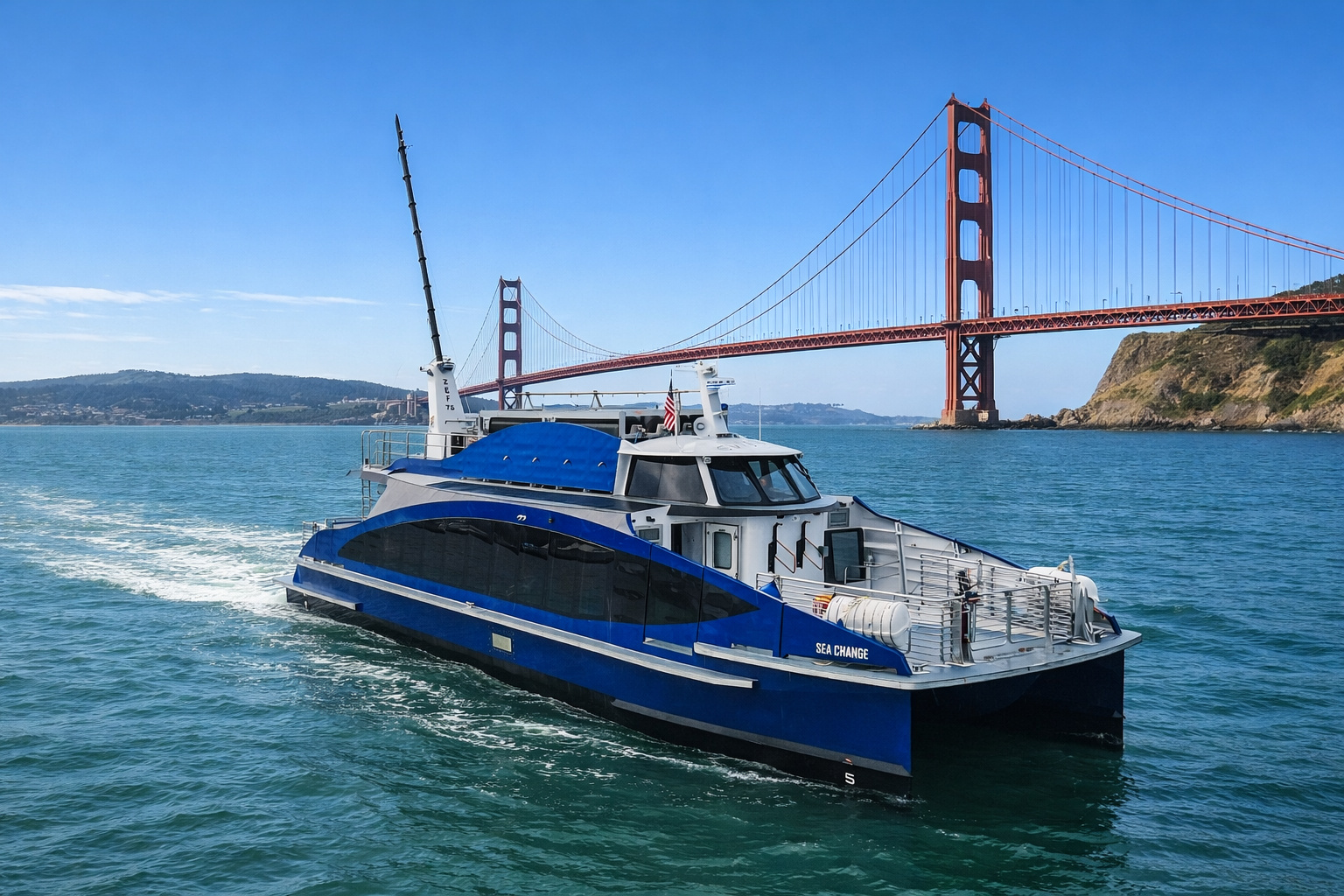
The first commercial hydrogen-powered ferry enters operation in the U.S., eliminates the use of diesel, uses fuel cells to generate clean energy on board, and transforms San Francisco Bay into a landmark of the new era of emission-free navigation.

About Bureau Veritas Group
Bureau Veritas is a global leader in Testing, Inspection, and Certification (TIC). With a global revenue of €4.6 billion, the company operates in 140 countries, serving 400 thousand clients with its five business divisions: Marine & Offshore, Agri & Commodities, Industry, Construction & Infrastructure, and Power & Utilities. With over 5,000 employees in Brazil, the company offers its complete portfolio of services, ensuring compliance, monitoring supply chains, forecasting trends, reducing risks, increasing efficiency, and safeguarding the reputation of its clients. More information on the website www.bureauveritas.com.br





Seja o primeiro a reagir!