





 Portuguese
  English
  Spanish
  3 min of reading


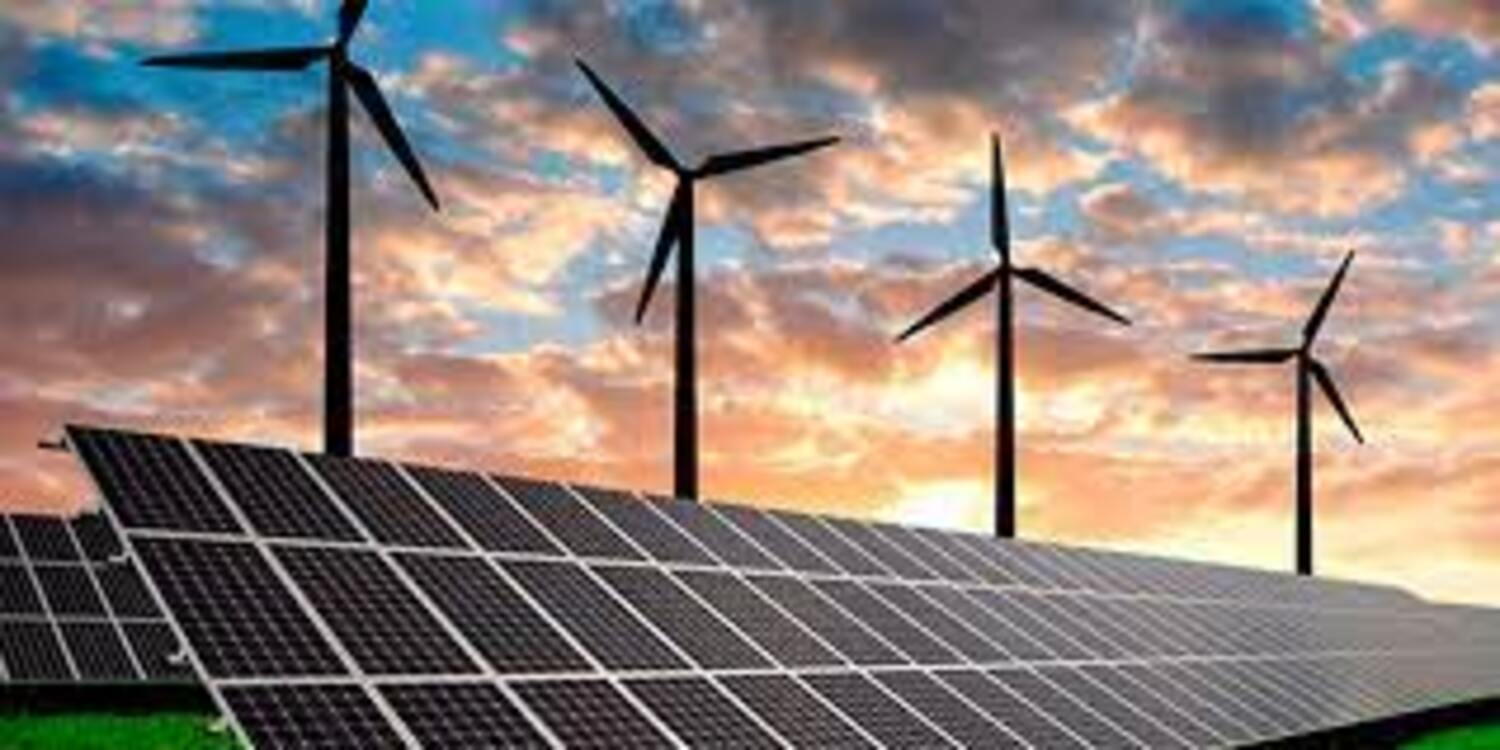
Among the advantages provided by renewable energy is that it does not eliminate any waste about the environment, not to mention that it uses only renewable sources, instead of coal and oil, for the production of heat and energy to sustain houses and corporate environments.
World Environment Day was celebrated on June 5 and is encouraging other consumers to seek a more sustainable and energy-viable world. With this in mind, the demand for renewable energy from wind and solar sources has increased exponentially. It was at the United Nations Conference on the Human Environment in Stockholm in the 1970s that this date was established, with the aim of raising awareness among Brazilians and other nations about the importance of adopting healthy methods for the environment and finally achieving the climate goals agreed upon among countries.
Nowadays, it is estimated that more than 90% of the world’s population has access to electricity, whether of good or poor quality. However, solar energy usage is expected to reach around 30% of the population by the end of this year. According to data provided by the IEA (International Energy Agency), the expectations are extremely positive and promising. The use of solar production could be a way to ensure that countries will not suffer from energy deficit, which leads to a huge spike in inflation. Currently, Germany and Japan are among the countries with the highest generation capacity in this sector, but Brazil is gradually moving towards this goal. After all, the economy is expected to receive an investment of at least R$ 300 billion by the end of this year.
Climate Summit and Renewable Energy


At numerous meetings that have taken place since Brazil began participating in climate summits, there was a promise that by 2030 there would be a reduction of at least 50% in the value of all gases emitted into the environment, but we are already in 2022 and this goal is far from being achieved.
-
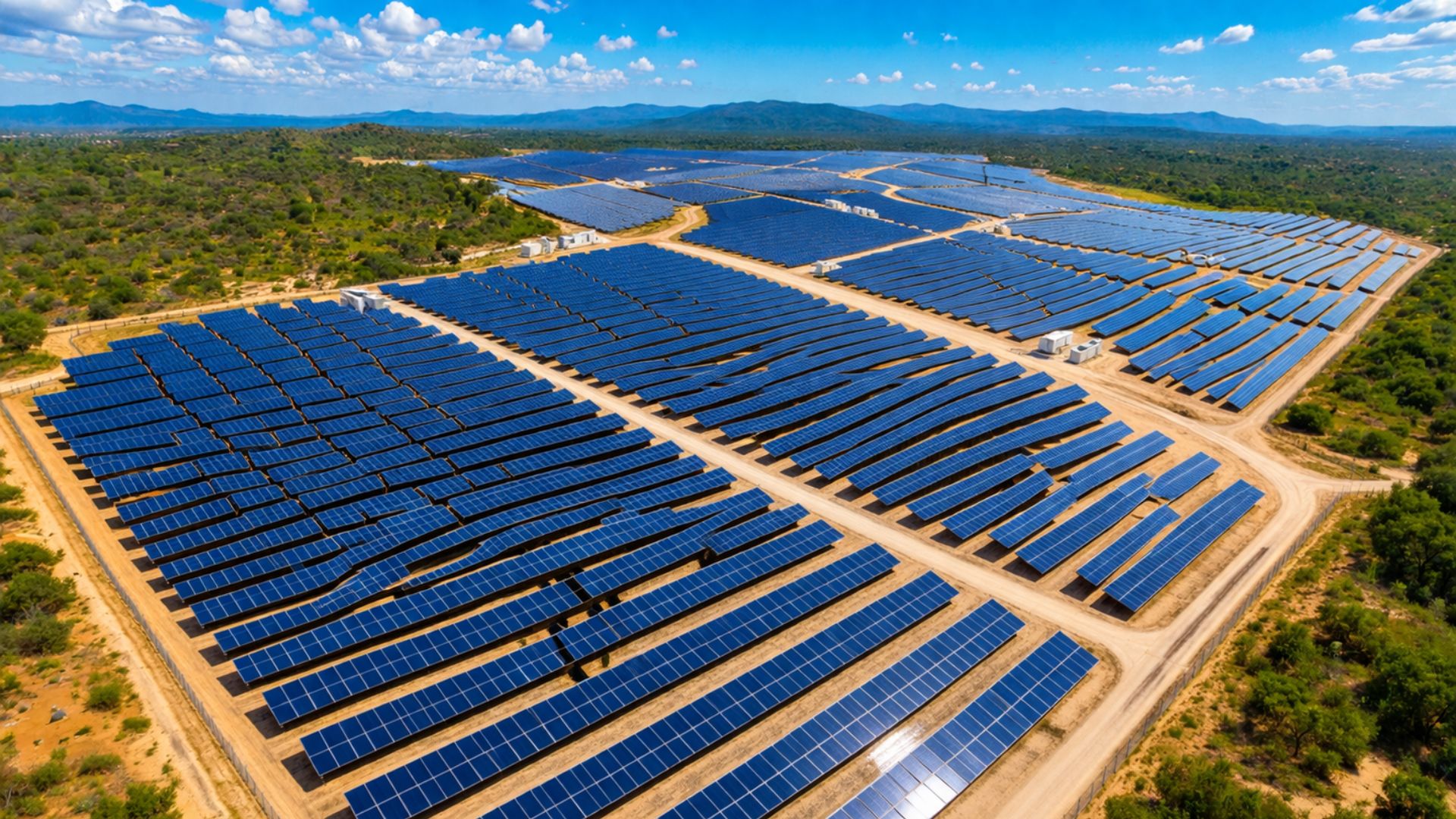
The Sol do Agreste Photovoltaic Complex begins operations in Pernambuco and accelerates the expansion of solar energy in Brazil, directly impacting the reduction of emissions and strengthening the sustainable energy matrix.
-
Renewable energy advances over protected areas in Brazil, and a survey by the Energy Transition Observatory reveals silent impacts that challenge environmental conservation and pressure sensitive traditional territories.

-
Rio Grande do Sul accelerates energy transition: State invests in renewable technologies and consolidates decarbonization strategies and pathways to attract billions in new industrial investments.

-
With 160,000 m² of collectors, an area larger than 20 football fields, Silkeborg, in Denmark, hosts a solar thermal plant that heats 19,500 homes and could become the largest solar heating plant in the world.


Many companies, such as Açotubo, are investing in solar energy production at sites across Brazil, as is the case in São Paulo state. According to the institution, its goal is to invest over R$ 800 thousand to ensure the production of its own sources and greater stability during times of scarcity from regional hydropower plants. According to the brand, considering that electricity bill prices increase by about 8% in a year – but have risen above 50% since last year, it is likely that the payback on the investment will occur in less than three years. The most pessimistic forecasts suggest that Açotubo’s investment will pay off by the end of 2027.
Renewable energy allows for the creation of many jobs across Brazil. Currently, companies like Topsun have dozens of job openings for those interested in working with the installation of solar photovoltaic panels. Not to mention that the company offers opportunities for those who wish to work in the “marketing” and information technology areas, to manage and care for all customer data.









Seja o primeiro a reagir!