






 Portuguese
  Spanish


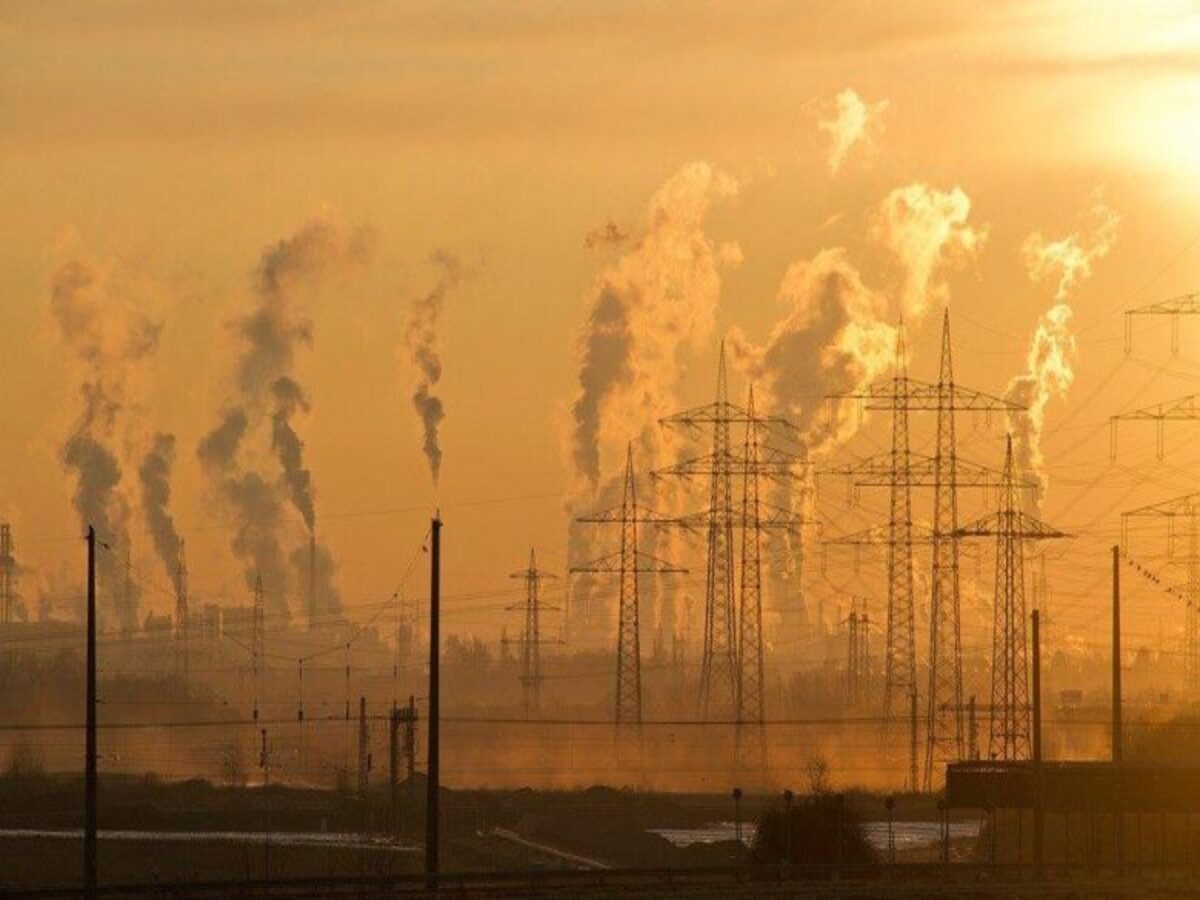

Brazil’s Accumulated Inflation Is One of the Highest Ever Seen, and the Energy Crisis Is One of the Factors Influencing the Increase to Double Digits.
According to data shared by the IBGE, it is estimated that the National Consumer Price Index (IPCA) has reached 12.13% over 12 months in Brazil. Inflation is high for various reasons, but the high price charged for electricity due to the energy crisis is one of the factors influencing economic instability. However, it is important to emphasize that Brazil is not the only country suffering from this situation; other countries, such as India, Turkey, and even Argentina, which reportedly reached an inflation rate of 53% in its accumulated value during the year 2021, are also in this group.
High inflation in Brazil can cause a series of negative impacts, such as higher prices for consumers while their salaries remain stagnant. And even the devaluation of the Brazilian currency, which makes traveling abroad unfeasible due to the price of the dollar, which continues to flirt with R$ 5 despite the increase in the Selic rate. During the year 2021, the dollar price began to flirt with R$ 6, forcing the Ministry of Economy and the Central Bank to increase the basic interest rate to double digits.
Higher Inflation Due to the Energy Crisis Impacts Various Sectors, Including Civil Construction
Despite a decline of at least one-third in the prices of iron and steel over the last twelve months, it is estimated that they have doubled in value since the pandemic due to inflation in the sector and low productivity in mining, which is failing to meet external market demands. In fact, losses in mining are impacting the international electric vehicle sector, as Elon Musk reportedly decided to lay off at least 10% of his employees due to the crisis that “is coming.”
-
At 14 years old, she worked in a factory in Hong Kong, studied economics abroad, and then entered the Chinese real estate market, which helped change the landscape of Beijing.

-
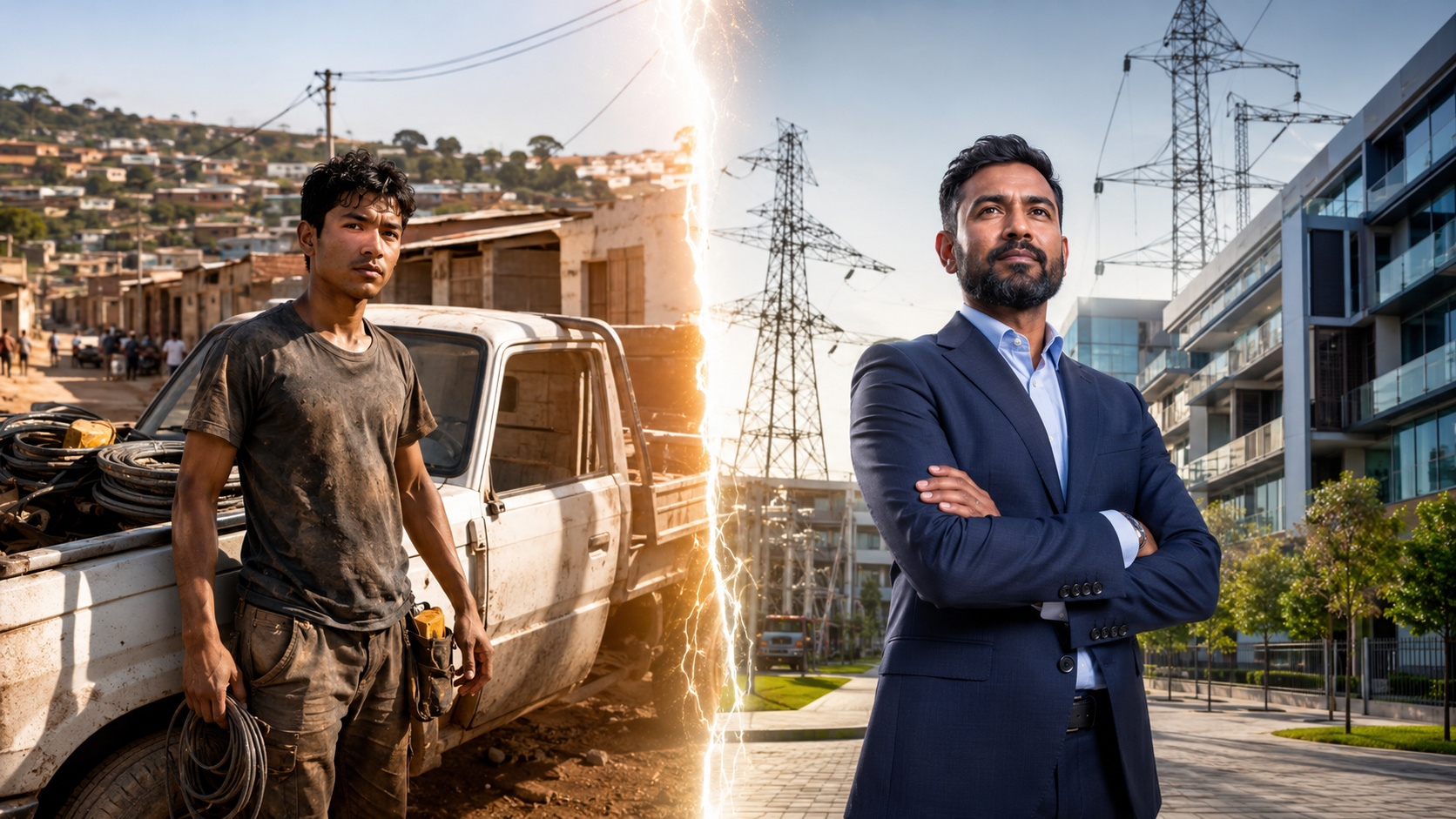
Fired during apartheid and with a little borrowed money, an electrician started with a borrowed truck and transformed electrical services into a group connected to energy, real estate, and infrastructure in South Africa.
-
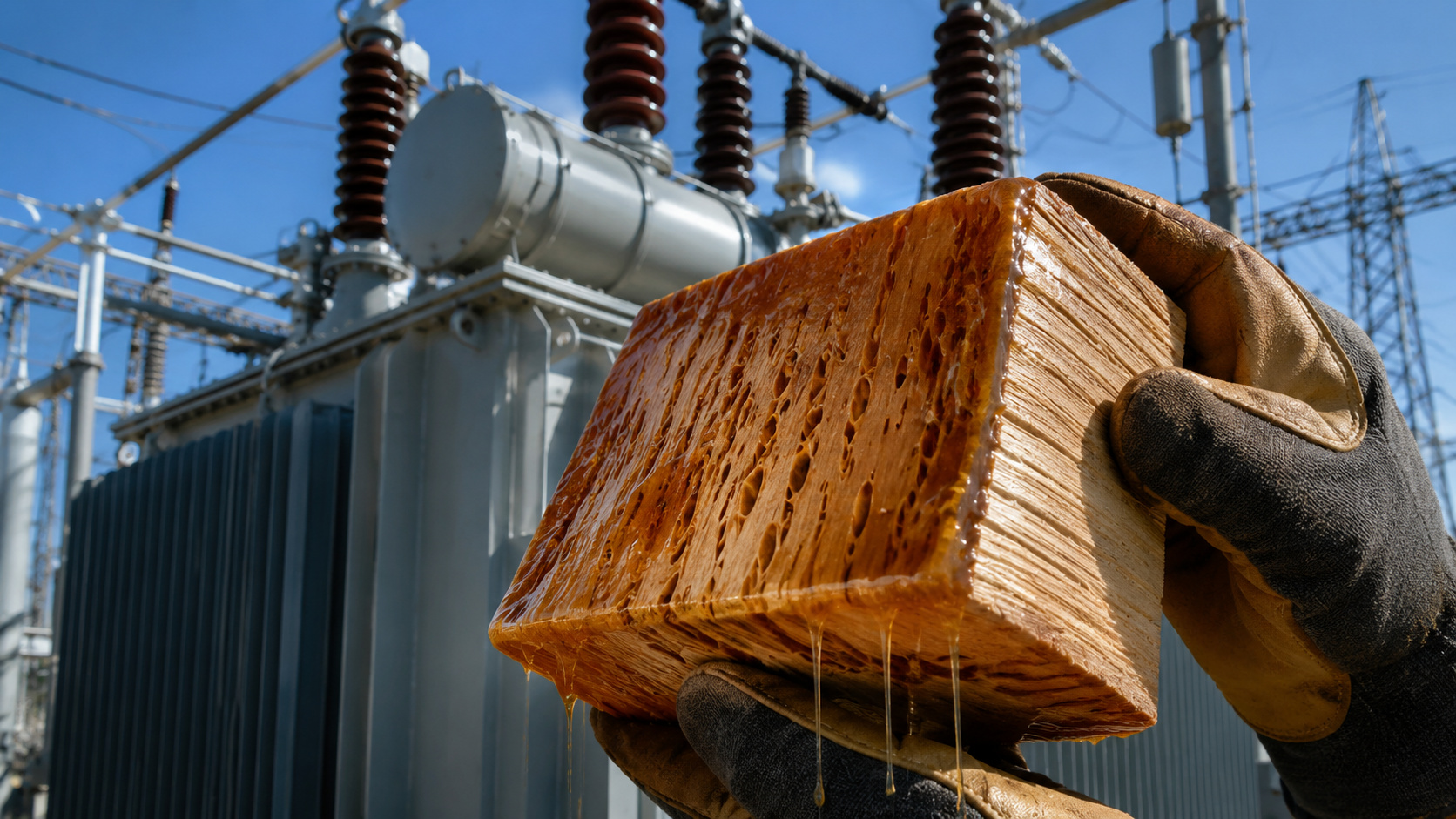
Wood has ceased to be just a construction material in Yale research and has become insulation for electrical transformers that face intense heat, aging, and increasing pressure from the renewable energy-powered grid.
-
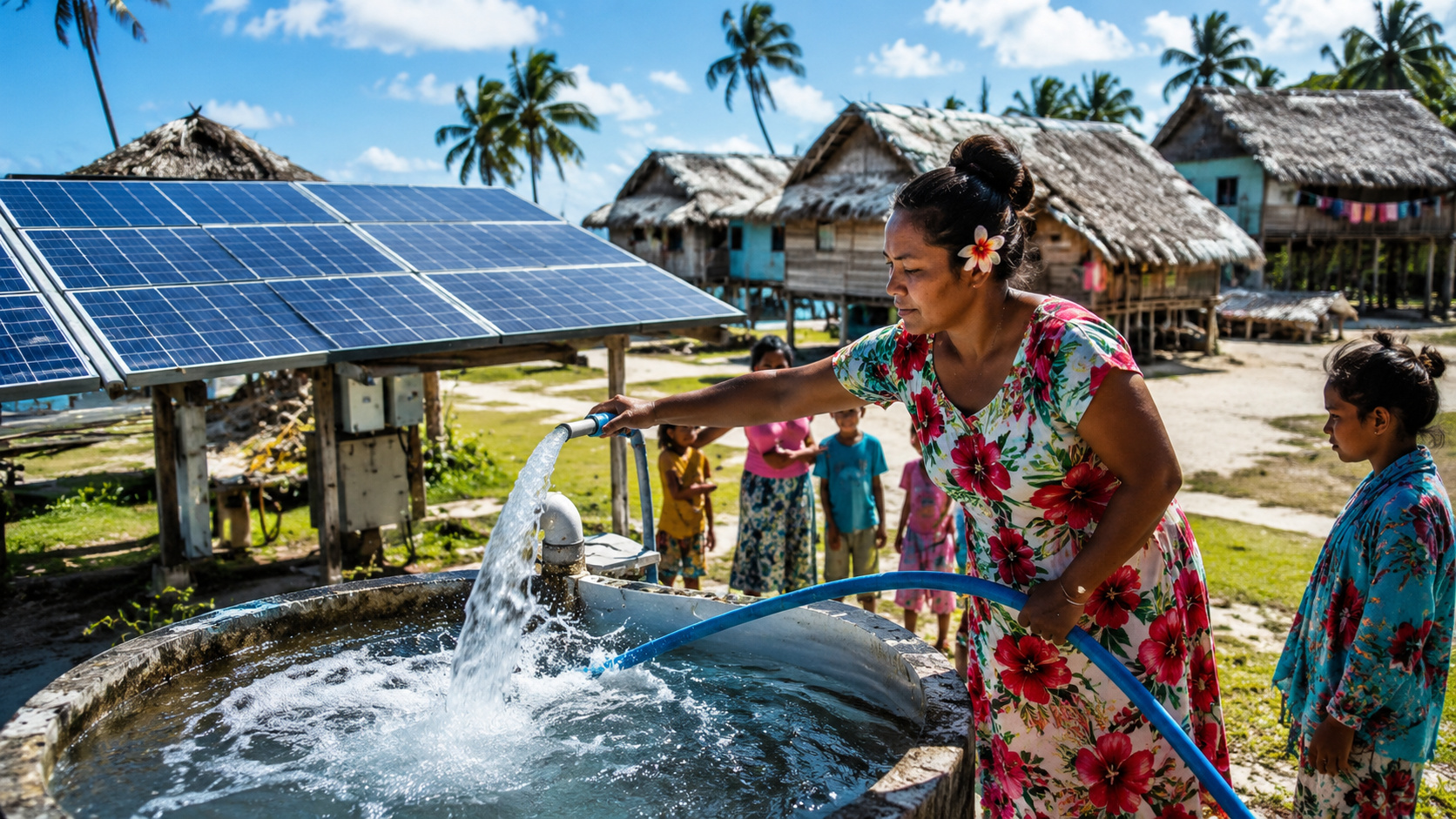
More than 1,000 residents of a remote island in Kiribati now have clean water and electricity with solar systems operated by the community itself.

In a corporate email that was allegedly sent by Elon Musk to other members of his company’s upper management at Tesla, the billionaire was recommending that the team pause hiring and job openings.
It is not only the civil construction industry that is being harmed by rising inflation. For example, the price of gasoline and other fuels is also at stake, as the price per liter of gasoline has reportedly surpassed R$ 7 in at least twenty Brazilian states.
The energy crisis and Brazil’s difficulty in producing its own energy have caused prices in the sector to skyrocket. The Ministry of Mines and Energy has reportedly announced plans to create a new energy tariff that would charge even higher rates than the red tariff level two.
Brazil Is Not the Only One Suffering from the Energy Crisis
It is worth noting that Brazil is not the only country experiencing an energy crisis; developing countries are also facing this type of issue since the onset of the pandemic. For instance, Argentina has an inflation rate over double digits. In Turkey, it is estimated that the energy crisis caused inflation of 7% just in the month of May. There is no doubt that solar energy is becoming an alternative to cope with or maintain stability in this crisis.







