





 Portuguese
  English
  Spanish
  6 min of reading
  0 comments


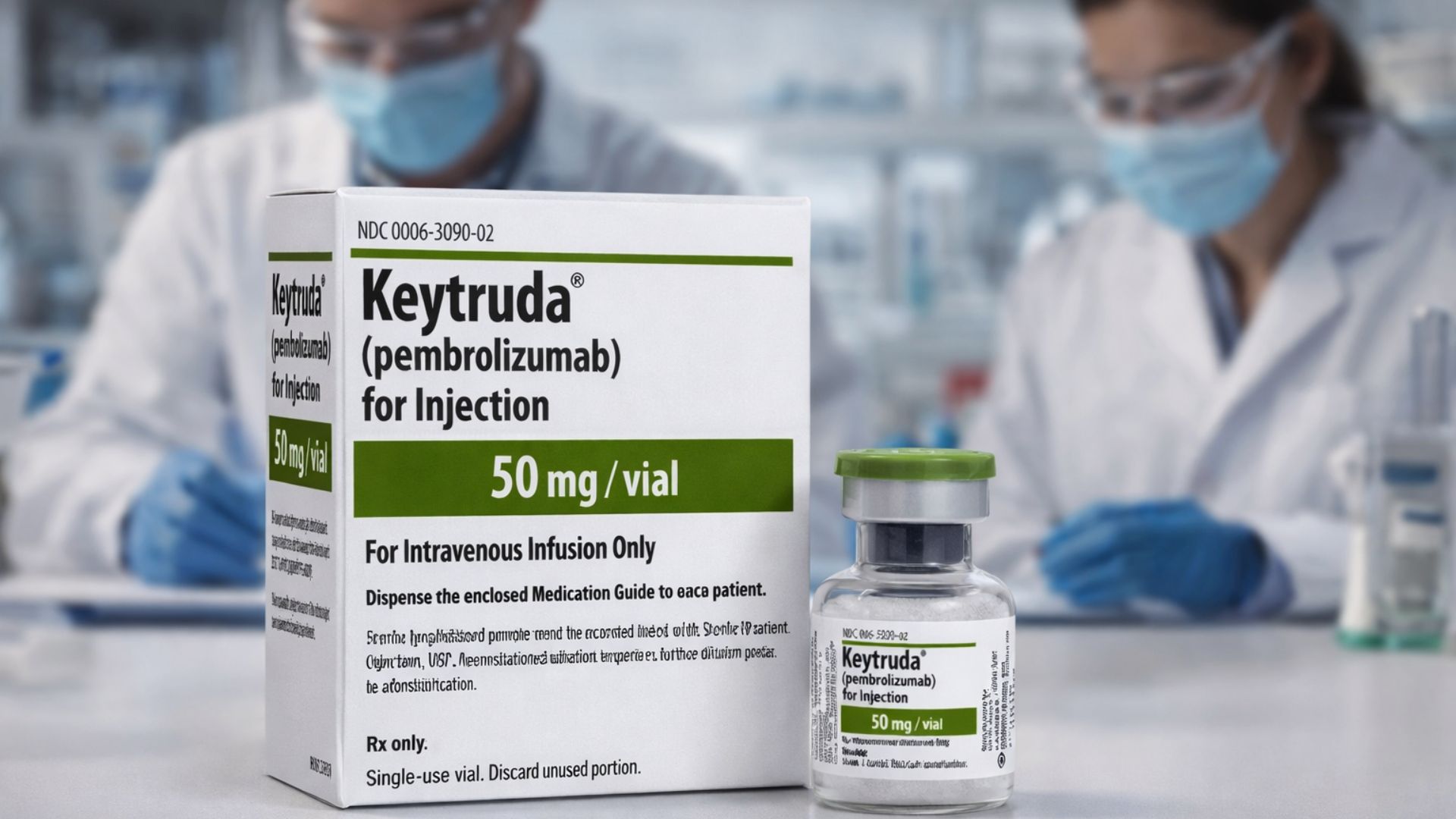
Partnership between the Butantan Institute and SUS enables national production of pembrolizumab, expanding access to immunotherapy against cancer, reducing costs and strengthening oncological treatment in Brazil with innovation and scale
The announcement that the Butantan Institute will start producing pembrolizumab for the Unified Health System marks a turning point in the fight against cancer in Brazil. According to updates from G1, the measure involves a partnership with the Ministry of Health and the pharmaceutical company MSD, focusing on technology transfer for national manufacturing of the medication.
Today, although pembrolizumab is already approved in the country and indicated for about 40 types of cancer, its access in the public network is still restricted. The main reason is the high cost, which limits its incorporation on a large scale in SUS.
With national production expected over the next 10 years, the expectation is to expand access to immunotherapy, reduce external dependence, and make treatment more sustainable for the public system.
-
China wants to divert rivers through the sky using thousands of generators installed in the mountains of the Tibetan plateau to make it rain in dry regions, and neighboring countries like India and Nepal are already beginning to worry about the effects of this technology.

-
A highly powerful solar explosion is heading towards Earth and could jeopardize the historic launch of NASA’s Artemis II mission in April 2026.

-
Scientists are developing a self-repairing asphalt that can close microcracks on its own before they turn into potholes, a technology that could drastically increase the lifespan of roads and reduce billions in maintenance worldwide.

-
Scientists from USP issue a warning about the air in the countryside after a study indicates that breathing outside of São Paulo may conceal silent risks, with evidence that worries experts about health impacts.


National production of pembrolizumab by the Butantan Institute can unlock access in SUS
The decision to transfer the technology of pembrolizumab to the Butantan Institute follows a strategy already used by the government to expand access to high-cost medications. This model allows Brazil to develop productive autonomy and reduce expenses in the medium and long term.
Currently, SUS offers the medication in a limited manner, mainly for specific cases, such as advanced melanoma. For other types of cancer, use still depends on evaluation by the National Commission for Incorporation of Technologies in SUS.
The current scenario shows a mismatch between innovation and access. While medicine advances rapidly, the public system faces challenges in incorporating modern therapies.
Among the main factors that hinder expansion are:
- High cost per treatment
- Limited financing model
- Need for proof of cost-effectiveness
National production could be the decisive step to change this scenario.
How immunotherapy with pembrolizumab works in the body against cancer
Pembrolizumab represents an important change in the way cancer is treated. Unlike traditional chemotherapy, which directly attacks tumor cells, immunotherapy works by stimulating the patient’s own immune system.
Many tumors develop mechanisms to escape the body’s surveillance. They use proteins that act as a kind of “brake” on defense cells, preventing them from being recognized as a threat.
The medication works by blocking this mechanism, allowing the immune system to identify and combat the tumor again.
In practice, this can result in benefits such as:
- Increased survival in certain cases
- Improved quality of life
- Lower toxicity compared to conventional treatments
However, it is important to highlight that results vary according to the type of cancer and the patient’s profile.

Why SUS still offers limited access to pembrolizumab in cancer treatment
Despite scientific advances, access to pembrolizumab in SUS is still restricted. The medication is already registered with Anvisa and is widely used in the private network, but its incorporation into the public system occurs gradually.
Currently, use is mainly concentrated on the treatment of advanced melanoma. For other types of cancer, such as lung, breast, esophagus, and cervical cancer, inclusion depends on technical and economic analyses.
These decisions take into account factors such as:
- Scientific evidence of clinical benefit
- Financial impact on SUS
- Sustainability of the system
This process, while necessary, ultimately delays access to innovative therapies for many patients.
High cost of pembrolizumab pressures SUS and limits advancement in fighting cancer
One of the biggest challenges for expanding the use of pembrolizumab in SUS is the high cost of treatment. In the private network, a single session can reach approximately R$ 97,000.
As treatment is continuous, the total cost can reach hundreds of thousands of reais per patient over time. This scenario creates a significant barrier to incorporation into the public system.
Moreover, the oncology financing model in SUS operates with fixed amounts per patient, which complicates the inclusion of high-cost therapies.
This combination of factors makes it clear that structural solutions are needed to enable access to immunotherapy in Brazil.

Butantan Institute can reduce costs and expand access to treatment with pembrolizumab in SUS
The national production of pembrolizumab by the Butantan Institute emerges as a concrete alternative to tackle the problem of high costs. By manufacturing the medication in the country, it is possible to reduce expenses with importation and logistics.
This opens up space to expand access in SUS and include more patients in treatment.
Among the main expected impacts are:
- Progressive reduction of cost per treatment
- Expansion of supply in the public system
- Greater predictability in supply
Experts point out that cost reduction can be decisive in enabling the expansion of immunotherapy in SUS, provided it is accompanied by adjustments in the financing model.
Broad indication of pembrolizumab reinforces potential in the treatment of different types of cancer
Pembrolizumab is currently one of the immunotherapies with the most indications in the world. In Brazil, it is already authorized for approximately 40 different types of cancer.
This range includes diseases such as lung cancer, melanoma, head and neck cancer, bladder, esophagus, and cervical cancer.
Despite this, the impact of treatment is not uniform. In some cases, the benefits are significant, with a substantial increase in survival. In others, the gains are more modest but still relevant.
The response to treatment depends on factors such as the tumor’s mutational burden and the immune system’s ability to recognize it.
Innovation in health and strengthening SUS with national production of immunotherapy
The initiative led by the Butantan Institute also represents a strategic advance for the country. The national production of high-complexity medications strengthens Brazil’s capacity to respond to public health challenges.
In addition to expanding access to cancer treatment, the measure contributes to:
- Reduction of dependence on imports
- Stimulus to the national pharmaceutical industry
- Development of technology and knowledge
This movement places the country in a stronger position in the global health innovation landscape.
Challenges still persist to expand the use of pembrolizumab in SUS
Despite the positive outlook, there are still significant obstacles to overcome. National production alone does not solve all the problems related to access to immunotherapy.
It will be necessary to advance in areas such as:
- Adjustment of oncology financing
- Expansion of hospital infrastructure
- Training of healthcare professionals
Moreover, the process of incorporating new technologies into SUS requires continuous evaluations to ensure a balance between innovation and sustainability.
A new path to expand access to cancer treatment in Brazil
The production of pembrolizumab by the Butantan Institute for SUS represents more than a technical change. It is a structural transformation in the way Brazil can face cancer.
By combining innovation, national production, and public policies, the country creates conditions to expand access to modern treatments and reduce inequalities.
There are still significant challenges, especially related to financing and implementation. However, the progress signals a more promising future for patients who depend on the public system.
In a scenario where cancer continues to be one of the leading causes of death, initiatives like this show that it is possible to evolve. And, most importantly, that expanding access to immunotherapy can make a real difference in the lives of thousands of Brazilians.






Seja o primeiro a reagir!