





 Portuguese
  English
  Spanish
  3 min of reading
  0 comments


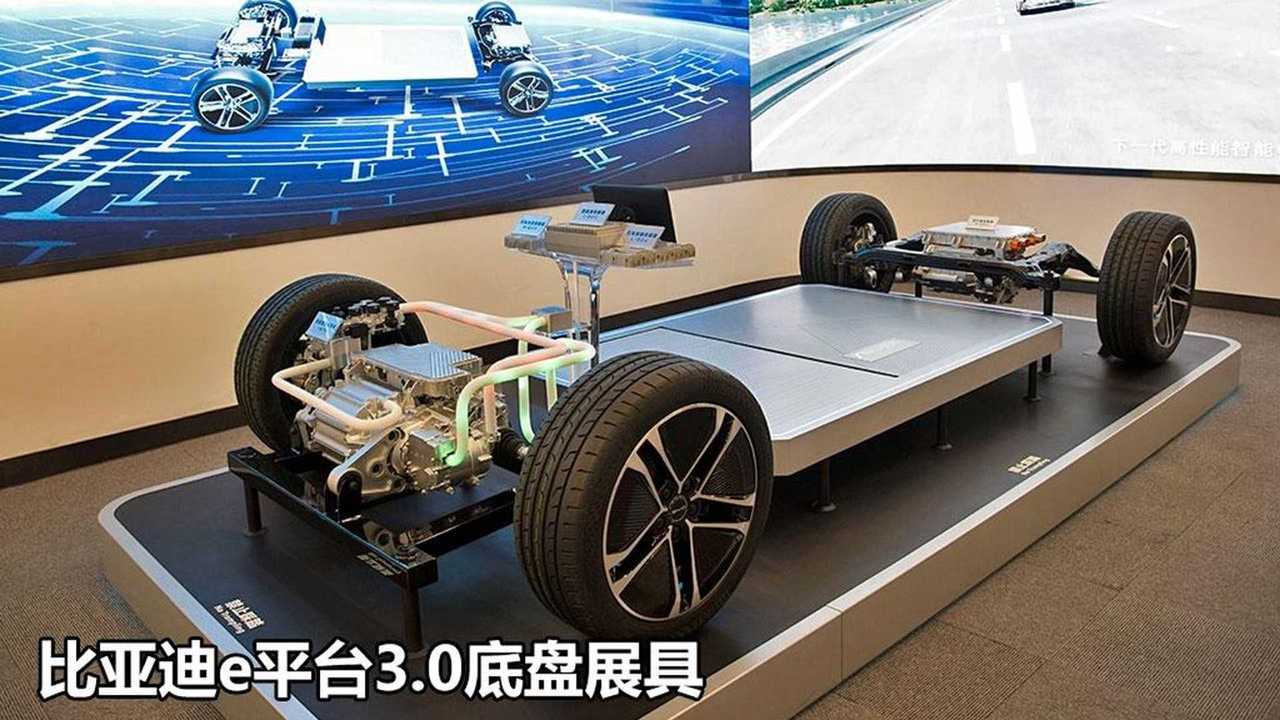
BYD Is Working On A New Platform For Manufacturing Electric Cars That Promises To Lower Costs To Compete Directly With Combustion Cars Around The World.
The Chinese multinational BYD is launching a major offensive against combustion cars by significantly reducing the prices of its electric and hybrid cars in key markets. However, this is just the beginning of a plan that promises to go further to boost the market share of plug-in electrified vehicles.
According to reports from the Chinese press, in a recent meeting, senior executives from BYD declared that the company is mobilizing all its strengths in technology and industrial chains to wage a liberation battle over the next three years.
In practice, it has been reported that the Chinese brand will take its next big step by updating its platforms. Specifically, the DM-i hybrid system (Dual Model) and the e-Platform electric architecture. An exclusive manufacturer of electric and plug-in hybrid cars, BYD sold over 3 million vehicles in the last year, making it the largest manufacturer of electrified vehicles in the world.
-
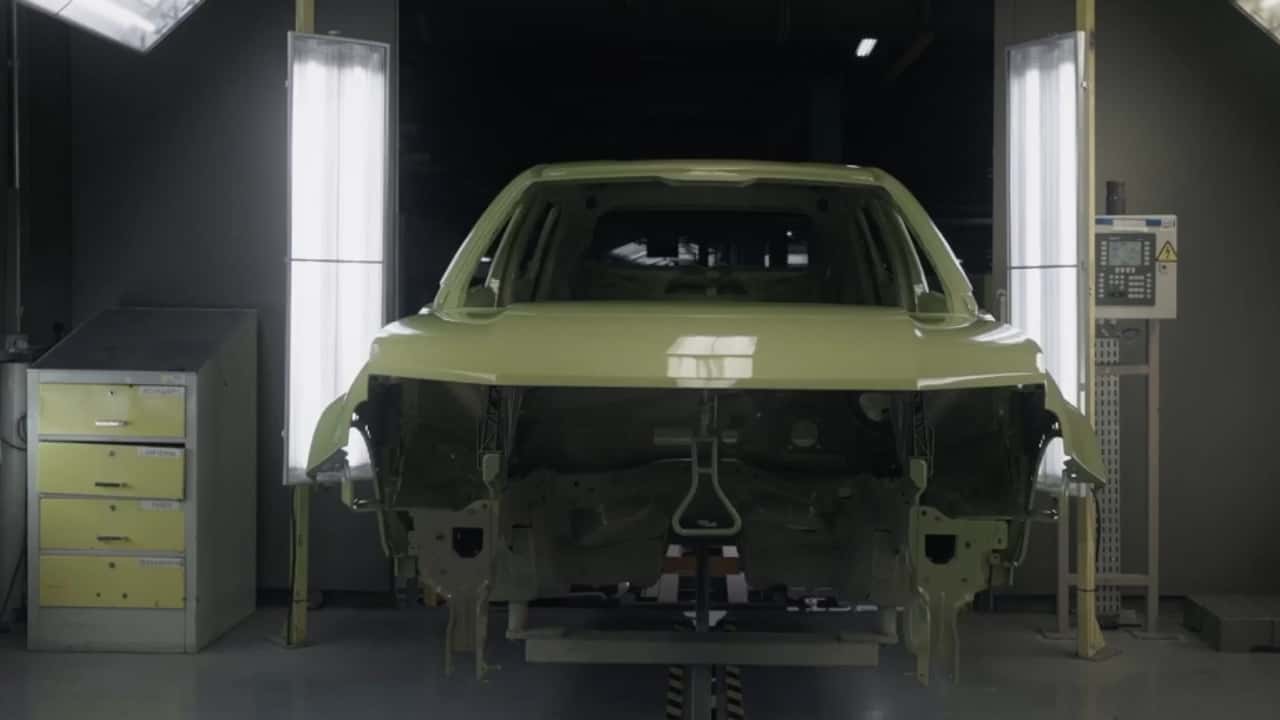
Jeep Avenger begins production in Brazil, debuting as the brand’s new entry-level SUV and inaugurating an unprecedented phase by becoming the first national Jeep manufactured outside of Goiana, as part of a R$ 3 billion plan.
-
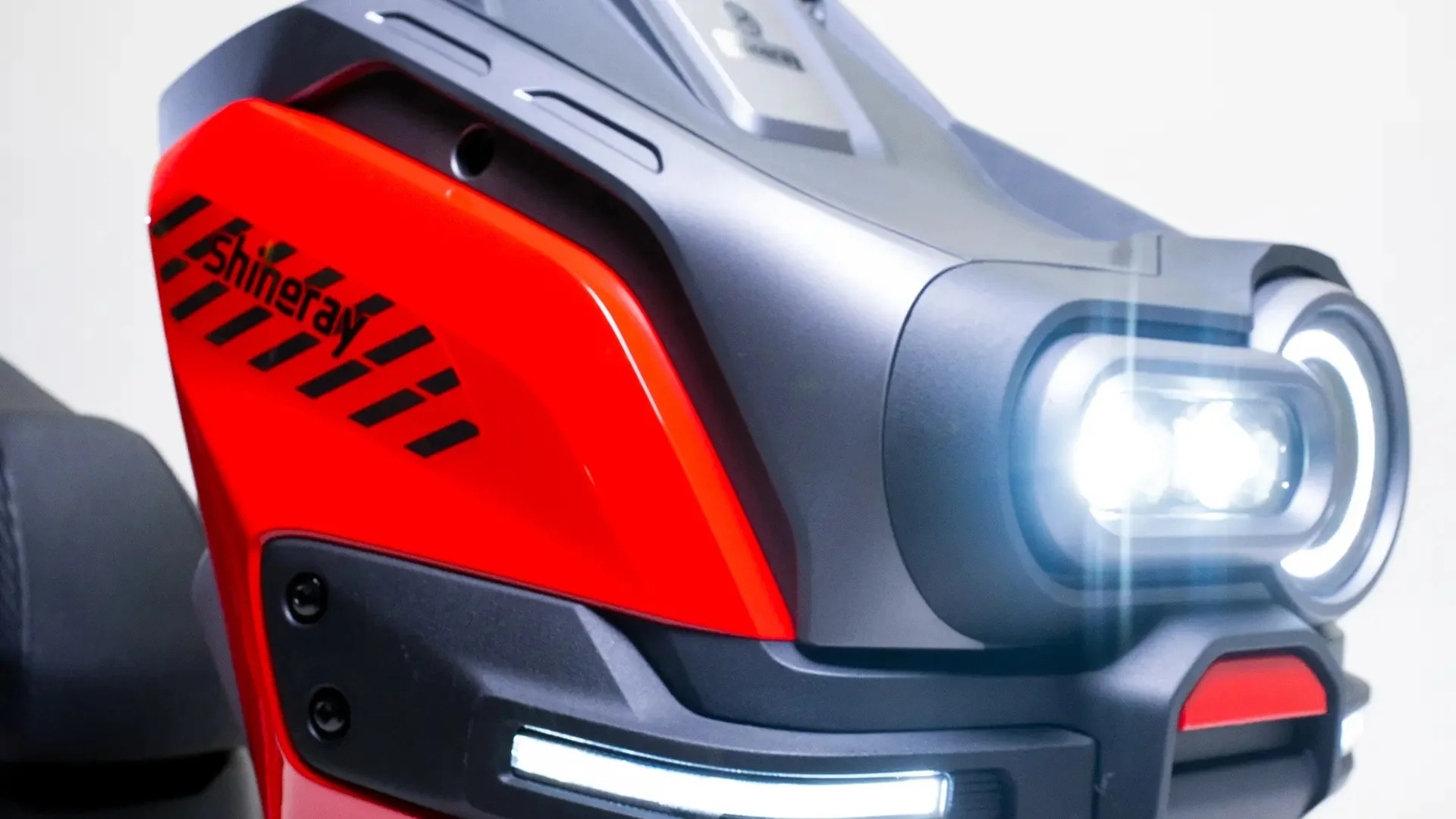
Costing R$ 12,490, the new Shineray Urban Lite 150 “cheap one” arrives in Brazil with a CVT transmission, digital dashboard, and LED lights, making it more affordable than the Biz and targeting those who want to abandon the bus.
-
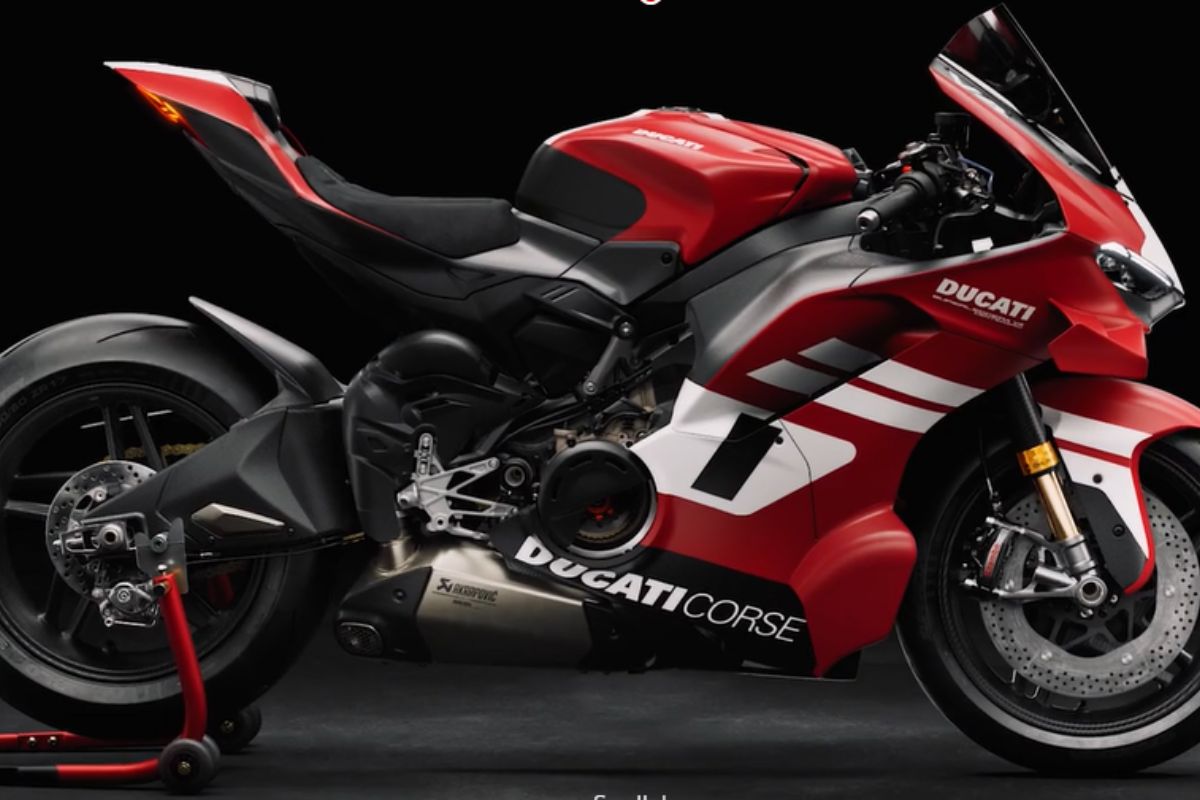
Ducati brings to Brazil the Superleggera V4 Centenario: 228 hp that become 247 with a track kit, carbon fiber and carbon-ceramic brakes, estimated price between R$ 1.5 and 2 million, deliveries only in 2027.
-
Used cars with electric steering for R$ 30,000: check out 5 practical and economical options for everyday use.


BYD Surpasses Tesla Sales, By Elon Musk
BYD surpassed the famous Tesla in battery electric vehicle (BEV) sales in the fourth quarter of the last year. It is worth mentioning that BYD launched its DM hybrid system in 2008, which reached its fourth generation in 2021, leaving combustion cars behind. In 2021, its system split into the DM-p technology more performance-oriented and the DM-i more focused on energy consumption.
Now, the Chinese giant is preparing to launch the 5th generation of the DM-i system, which, according to reports, will deliver impressive efficiency and consumption figures, with estimated averages of 2.9 l / 100 km, or 34.4 km/l, and a combined range of up to 2,000 km with a full tank and fully charged battery.
When Will We Have Electric Cars Cheaper Than Combustion Cars?
Speaking of electric cars (BEV), the report mentions that the praised e-Platform 3.0 architecture, which serves as the basis for newer models like Dolphin, Dolphin Mini, Seal, and Yuan Plus, will be updated to version 4.0 later this year.
Among the positive aspects of the platform is the use of blade batteries with a high level of safety and an 8-in-1 electric powertrain that integrates the motor, inverter, transmission, and other components into just one assembly, reducing weight, volume, and production costs.
However, according to information from the article, BYD’s next platform for electric cars could still improve component integration. With more parts being integrated and fewer electrical harnesses, there will be room for new cost reductions, potentially impacting further price cuts for the brand’s electric cars, possibly surpassing even combustion cars.
BYD Against Combustion Cars
All this effort is aimed at taking another step beyond competing with electric car manufacturers and starting to directly compete with combustion engine cars.
BYD’s main objective in its liberation battle is to capture more market share in gasoline vehicles and take three years to elevate the penetration of New Energy Vehicles (NEV) to a whole new level.
It is worth mentioning that BYD recently also launched a platform for electric cars with such an advanced system that allows some mechanical parts of the vehicle to be replaced. The Xuanji uses a superprocessor, with 4 or 6 nm, created in-house. It controls two AIs, one in the car itself and another in the cloud.








Seja o primeiro a reagir!