





 Portuguese
  English
  Spanish
  4 min of reading
  0 comments


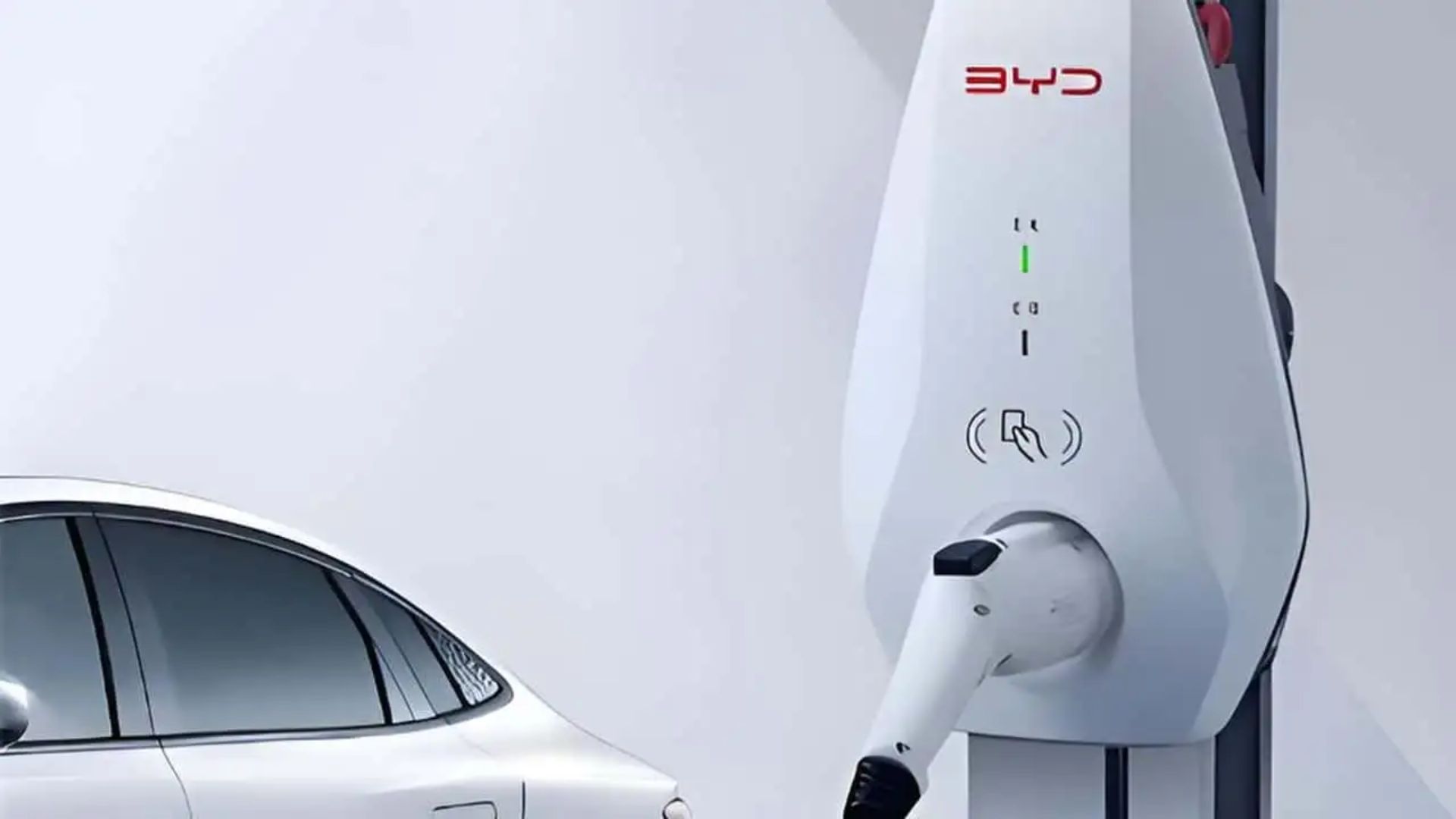
Sharing of Residential Chargers Advances in China and Expands Alternatives for Off-Grid Charging, Using Idle Wallboxes, Direct Negotiation Between Neighbors, and Integration with the Manufacturer’s App, Without Financial Intermediation.
BYD has started to offer, in its official app in China, a service for sharing residential chargers among owners of the brand’s vehicles who live in the same community.
The feature allows wallboxes installed in private garages to be used by other drivers, based on an agreement between the parties, expanding the alternatives for charging off the public network.
According to information released by specialized automotive market outlets in China, the feature works as a connection platform between neighbors.
-
Worlds covered by water, atmospheres filled with hydrogen, and the possibility of life beyond Earth: ocean planets are rewriting the map of cosmic search and forcing scientists to rethink where to look.

-
Argentina achieves the unimaginable after more than 110 years and reintroduces the largest native herbivore of South America to the Chaco to restore a lost link in nature.

-
Returning to the Moon now costs a billion-dollar bill and reignites the competition between the USA and China for science, technology, and rare minerals on lunar soil.

-
While the world looks at oil, the war with Iran is already disrupting helium supply from Qatar, affecting car and iPhone chips, threatening AI expansion, and putting pressure on aluminum packaging at the highest value in four years.


The owner of the charger registers the equipment in the app, provides the location, and defines periods when the point can be used.
Interested drivers can find available chargers nearby and contact each other to arrange times and prices.
According to BYD, the company does not act as a financial intermediary and does not charge fees on transactions.
The agreement on payment, access to the location, and other conditions occurs directly between the provider and the user of the charger.
How the Charger Sharing Works in BYD’s App
The initiative stems from a common reality in urban Chinese areas: residential chargers remain unused for a significant part of the day, especially when their owners are away from home.

By allowing sharing, these devices are used more frequently, which can help reduce the individual cost of installation and operation.
For drivers who do not have their own wallbox, the service offers the possibility of charging the vehicle closer to home.
In many cases, as reported by specialized publications, the value charged tends to be lower than that practiced by public fast-charging stations, especially outside peak hours of the electrical system.
Still, the operation depends on practical factors.
Access to the spot, internal rules of condominiums, and the actual availability of the equipment directly influence the experience.
For this reason, direct contact between parties remains a central step of the process.
Residential Charging as an Alternative for Those Who Do Not Have Their Own Wallbox
Residential charging continues to be the primary way of fueling electric vehicles in urban areas.
However, a portion of owners faces difficulties in installing individual chargers.
These limitations involve technical issues, electrical adaptation costs, or internal rules of residential buildings.
In this context, sharing within the same community emerges as an operational solution to circumvent some of these restrictions.
Instead of relying solely on commercial charging stations, the driver can use a nearby charger.
This dynamic contributes to reducing travel and time spent on charging.
Electric mobility experts consulted by the Chinese press point out that this type of solution tends to work better in controlled environments, such as condominiums or planned neighborhoods.
In these locations, the flow of vehicles and user profiles tend to be more predictable.
Nio and Xpeng Also Adopt Charger Sharing

BYD’s strategy is not isolated in the Chinese market.
Nio and Xpeng also offer charger sharing functions in their apps.
The information is reported in recent articles on the subject.
In the case of Xpeng, there are records that owners can adjust prices according to usage time, taking advantage of lower energy rates during the night.
Specialized publications also describe the possibility of automatic payment settlement after the completion of the charge.
The operational details, however, vary by region and installation type.
These initiatives indicate an attempt by manufacturers to expand charging options without solely depending on the expansion of public charging stations.
The strategy relies on using the infrastructure already present in the homes of the customers themselves.
Model Attracts Attention in Countries Like Brazil
Although BYD’s service is currently limited to China, the model draws attention for addressing challenges faced in other markets, including Brazil.
In the country, most electric vehicle owners depend on home charging.
At the same time, the installation of chargers in residential buildings still faces technical and regulatory hurdles.
In condominiums, sharing solutions could optimize already installed points, allowing alternating use by different residents.
Energy sector specialists consulted in debates on the topic emphasize, however, that any local implementation would require attention to condominium rules, individualized energy measurement, and legislation on billing between individuals.
Furthermore, the public charging network in the country grows unevenly. Expansion is concentrated in major centers and specific highway corridors. This scenario reinforces the relevance of complementary alternatives to public infrastructure.







Seja o primeiro a reagir!