





 Portuguese
  English
  Spanish
  4 min of reading
  3 comments





Conflict Between Industry Leaders Exposes Fragility in Business Model and May Accelerate Crisis in Chinese Automotive Industry
The rivalry between BYD and Great Wall Motor (GWM) is causing unprecedented turmoil in the world’s largest automotive market.
In May 2025, tensions escalated following controversial statements by GWM CEO Wei Jianjun regarding the risks of economic collapse in the sector.
The response came strongly from Li Yunfei, an executive at BYD, who rejected the comparison to the failed developer Evergrande.
-
The German economist Wolf-Peter Schill has no doubts: “Electric cars are already far superior to cars with internal combustion engines.”

-
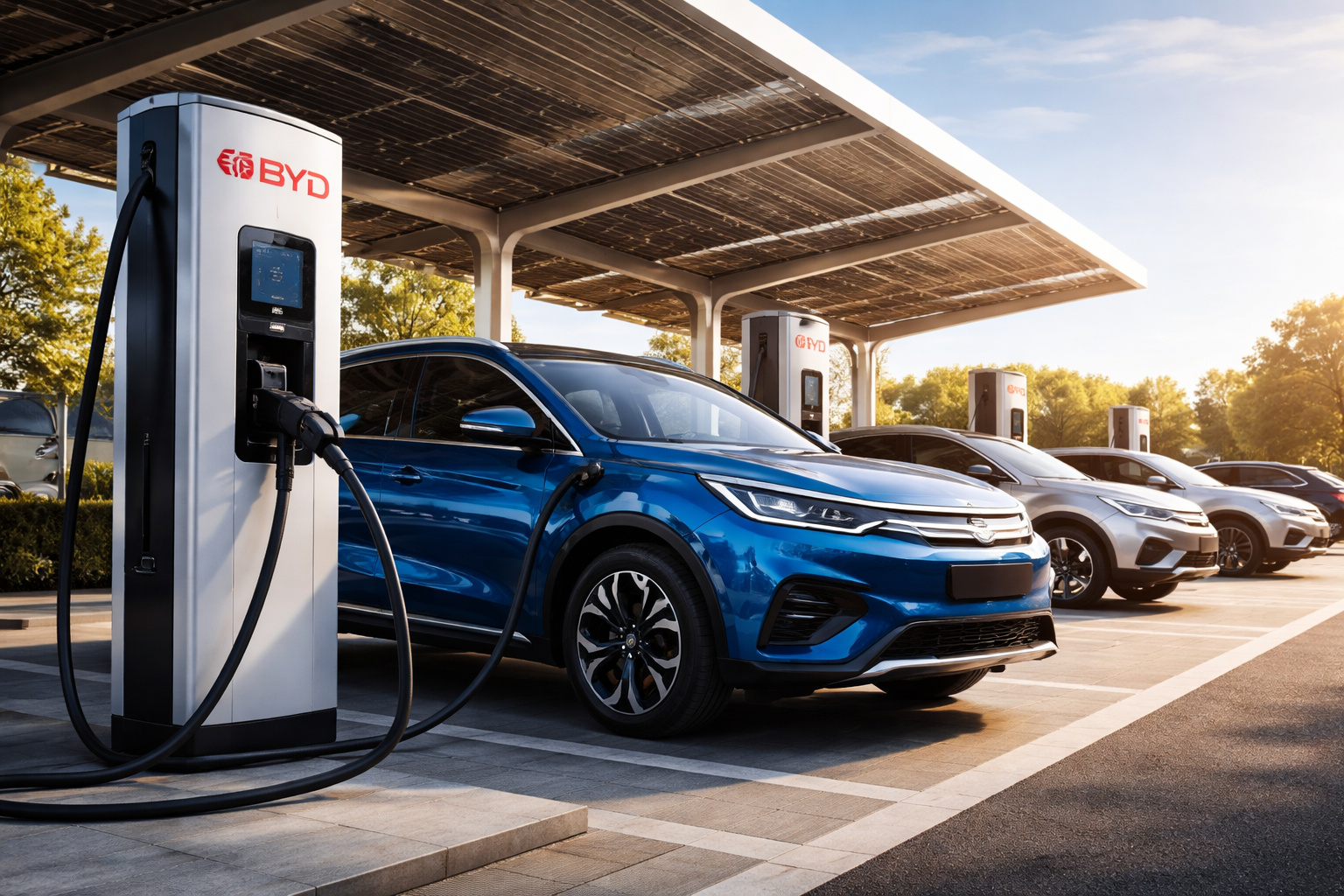
Largest public charging network in Brazil: BYD reaches 125 fast chargers and accelerates national expansion of electric mobility.
-
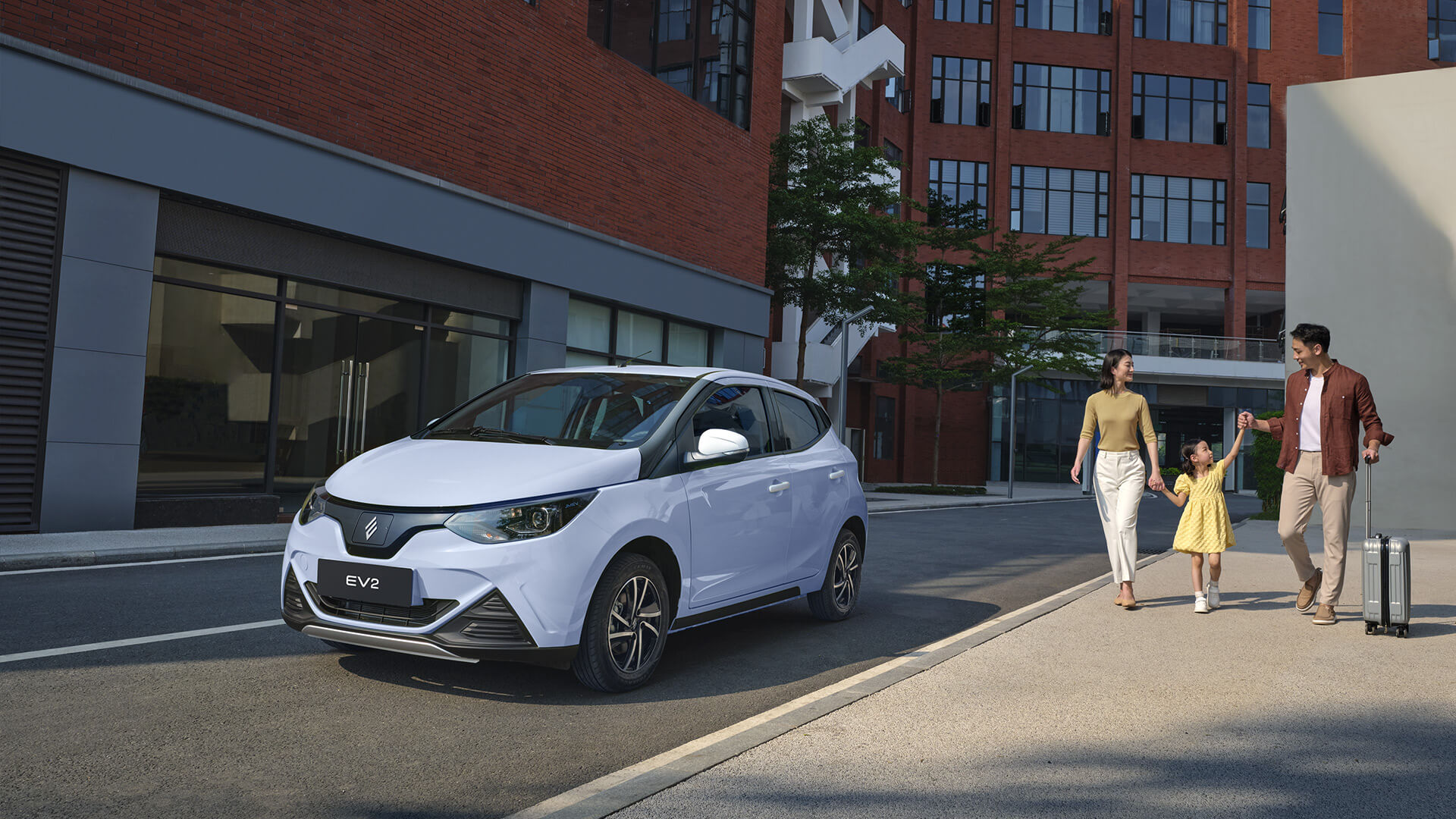
Goodbye expensive popular car: electric vehicle for less than R$ 70,000 starts being sold in Brazil with a range of 200 km and targets those looking to escape gasoline.
-
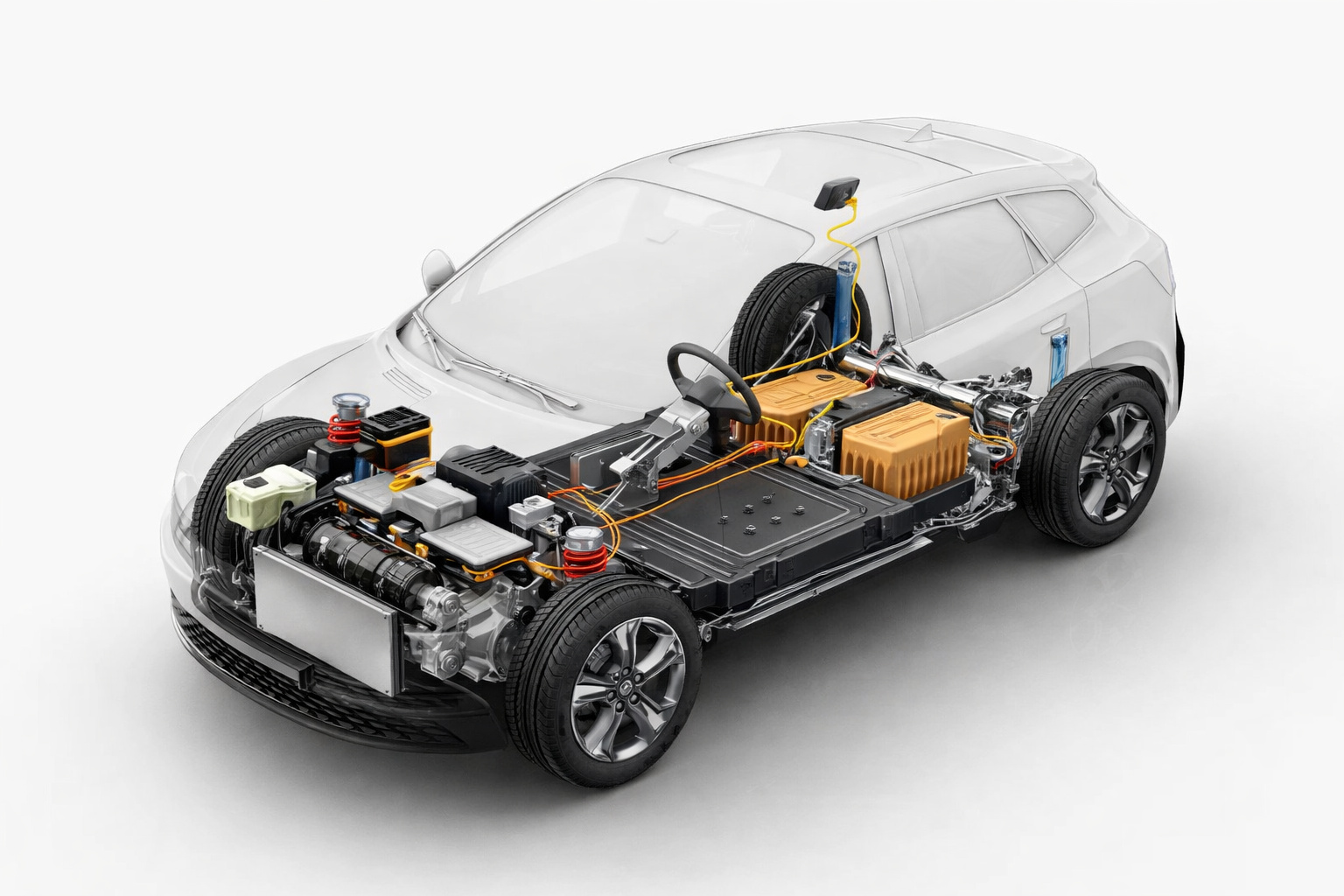
China Surprises Automotive Industry With Battery That Promises Electric Car Able to Run Up to 1,000 km Without Recharge

He promised to take legal action against the spread of false information.
The price war intensified as BYD reduced prices by up to 35% on 22 models.
The compact Seagull started selling for 55,800 yuan, equivalent to about R$ 39,000.
The move was deemed aggressive and triggered chain reactions from competitors like Geely and Chery, who also announced cuts.
The atmosphere of instability caused stock prices to fall and heightened fears of a bubble in the electric vehicle sector.
Tension Between Giants: How the Price War Between BYD and GWM Began
BYD’s offensive was seen by many as a response to falling sales in early 2025. With significant production capacity and a solidified leadership since 2023, the company bets on volume and competitiveness to maintain its dominant position.
In contrast, Wei Jianjun described the scenario as “unhealthy” and warned of the risk of collapse.
He evoked the case of Evergrande, whose excessive debt led to one of the largest real estate crises in China. However, Li Yunfei publicly rebutted the analogy. He stated that BYD’s debt-to-asset ratio is 70%, lower than traditional automakers like Ford and Toyota. According to him, the indebtedness aligns with the company’s rapid growth, which now leads the market for electrified vehicles in the country.
Furthermore, the executive stated that the automaker would take action against false content being propagated on social media.
The Impact of Aggressive Strategies on the Chinese Automotive Ecosystem
Price-cutting practices have been pressuring smaller companies. At the same time, they raise questions about the sustainability of this competitive model.
The practice of selling below cost, according to analysts, jeopardizes not only the profitability of automakers but also affects the health of the entire production chain.
The volatility in prices has impacted the stock market.
There were significant losses between January and May 2025.
The China Association of Automobile Manufacturers (CAAM) and the Ministry of Industry and Information Technology of China have already expressed concern about the situation.
Both warned that while competition is positive for consumers, the imbalance between costs and prices could bring structural damage to the sector.
Therefore, they advocated measures to balance market development and protect long-term stability.
The Government’s Response and Risks to Sector Stability
In light of the escalating conflict, Chinese authorities began to explore ways to regulate price cuts. They aim to promote greater predictability in business practices. The proposal is to avoid predatory practices that create market distortions and compromise technological innovation.
In parallel, efforts are being made to preserve jobs and ensure that financially sound companies are not forced to adopt unsustainable strategies.
Despite BYD’s strong offensive, other brands have resisted with niche policies and technological differentiation.
Meanwhile, analysts predict that the sector may undergo a new round of consolidation in the coming years.
There will be mergers, acquisitions, and possibly bankruptcies among companies that cannot maintain scale.
A Pivotal Moment for the Electrified Vehicle Industry in China
The price war between BYD and GWM exposes a turning point in the growth of Chinese electric mobility. On one hand, discounts accelerate the popularization of electric vehicles; on the other hand, they jeopardize profitability and innovation. The debate now goes beyond numbers.
It advances into what the sustainable future of the automotive industry will be in a country leading the electric revolution. The outcome of this dispute could shape not only the domestic market but also directly influence the global competitiveness of Chinese brands.
After all, beyond local leadership, BYD and GWM are vying for space in Europe, South America, and other developing continents.
Thus, the resolution of this tension will have repercussions that extend beyond China’s borders. It could also redefine the balance of power in the global automotive sector.








Quem sabe essa guerra faça que vendam suas torradeiras móveis num preço mais acessível ao terceiro mundo.
Todos torcem pata que ocorra crise na China! Vão ficar só na torcida, cuidem de suas economias senão serão atropelados!
Esses produtos xing ling não duram uma década. Novo até o QQ é bom. Valem nada.