





 English
  Francês
  Alemão
  Italiano
  Japonês
  Norueguês
  Portuguese
  Spanish
  5 min of reading
  0 comments



BYD Is Building The Largest Megafactory For Electric Cars On The Planet! There Will Be 1 Million Vehicles Per Year And An Industrial City With Schools, Shopping, And A Stadium! The Automotive Industry Revolution Is Already Underway And Can Change The Electric Vehicle Market Forever! Don’t Miss This Giant Transformation!
BYD, the Chinese automotive giant, is heavily investing to consolidate its position among the largest vehicle manufacturers on the planet, with an ambitious project that goes beyond simple car manufacturing.
The company is building, in Zhengzhou, a megafactory-city that promises to transform the electric car industry.
This complex will have everything its employees need to live and work, ranging from homes and schools to shopping centers and soccer fields.
-
Engineers propose a fourth traffic light for intersections – the change promises to affect crossings, queues, and waiting times.

-
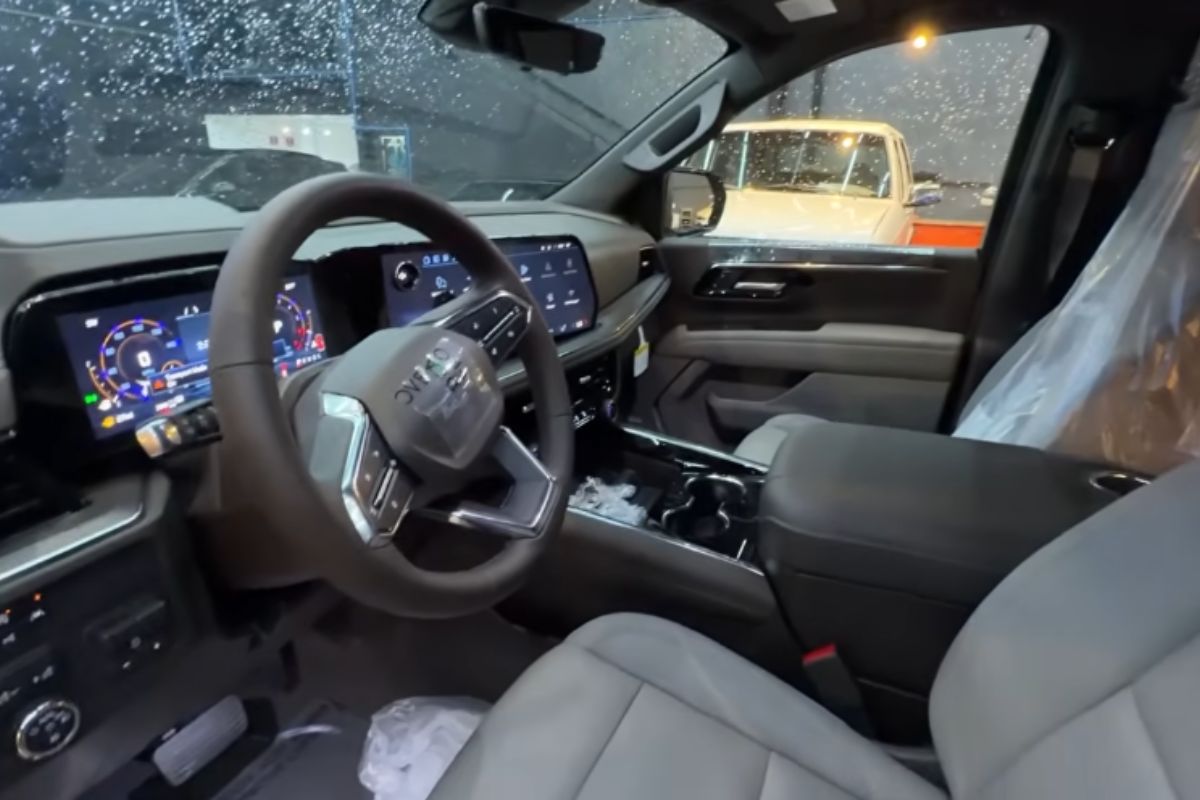
Chevrolet Suburban Z71 lands in Brazil with a V8 engine, off-road design, air suspension, seven seats, and colossal size, a rare version imported for around R$ 1.3 million with luxury and exclusivity.
-
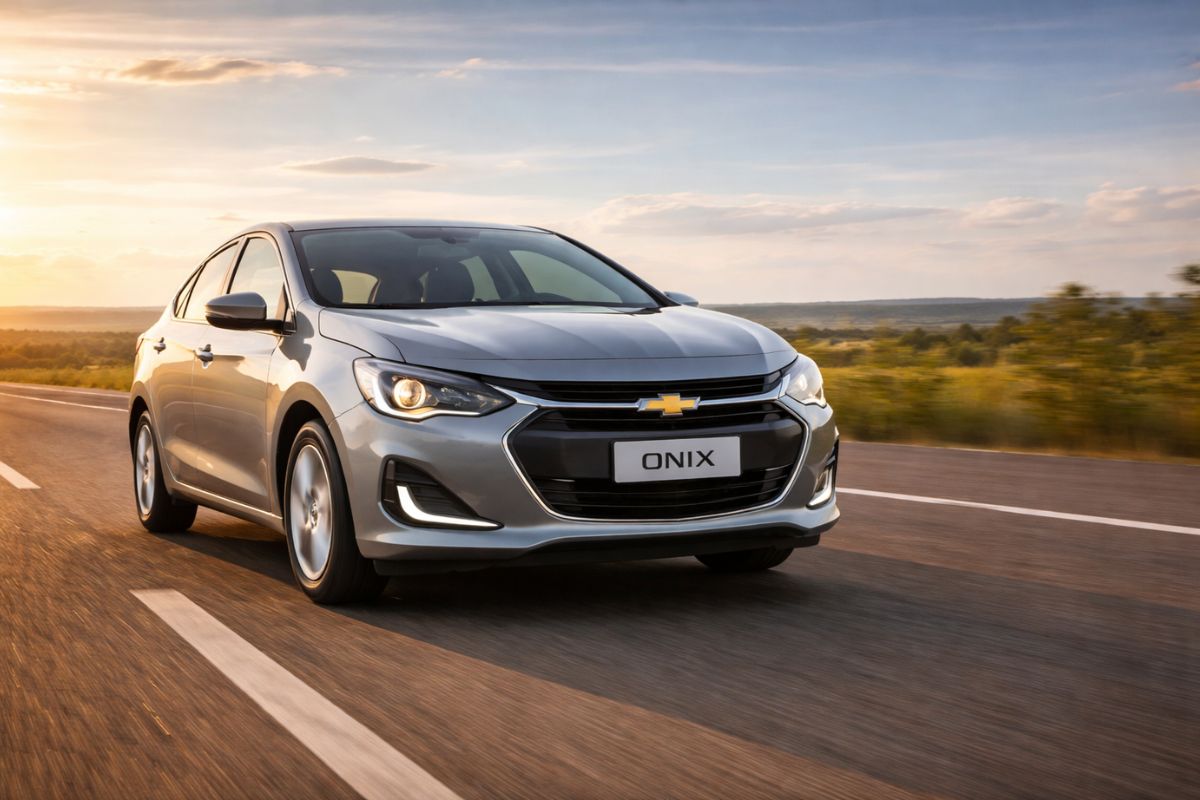
The Chevrolet Onix 1.0 turbo achieves 17.7 km per liter on the highway and ranks among the three most economical cars in Brazil in 2026, alongside two more expensive Toyota hybrids available at dealerships.
-
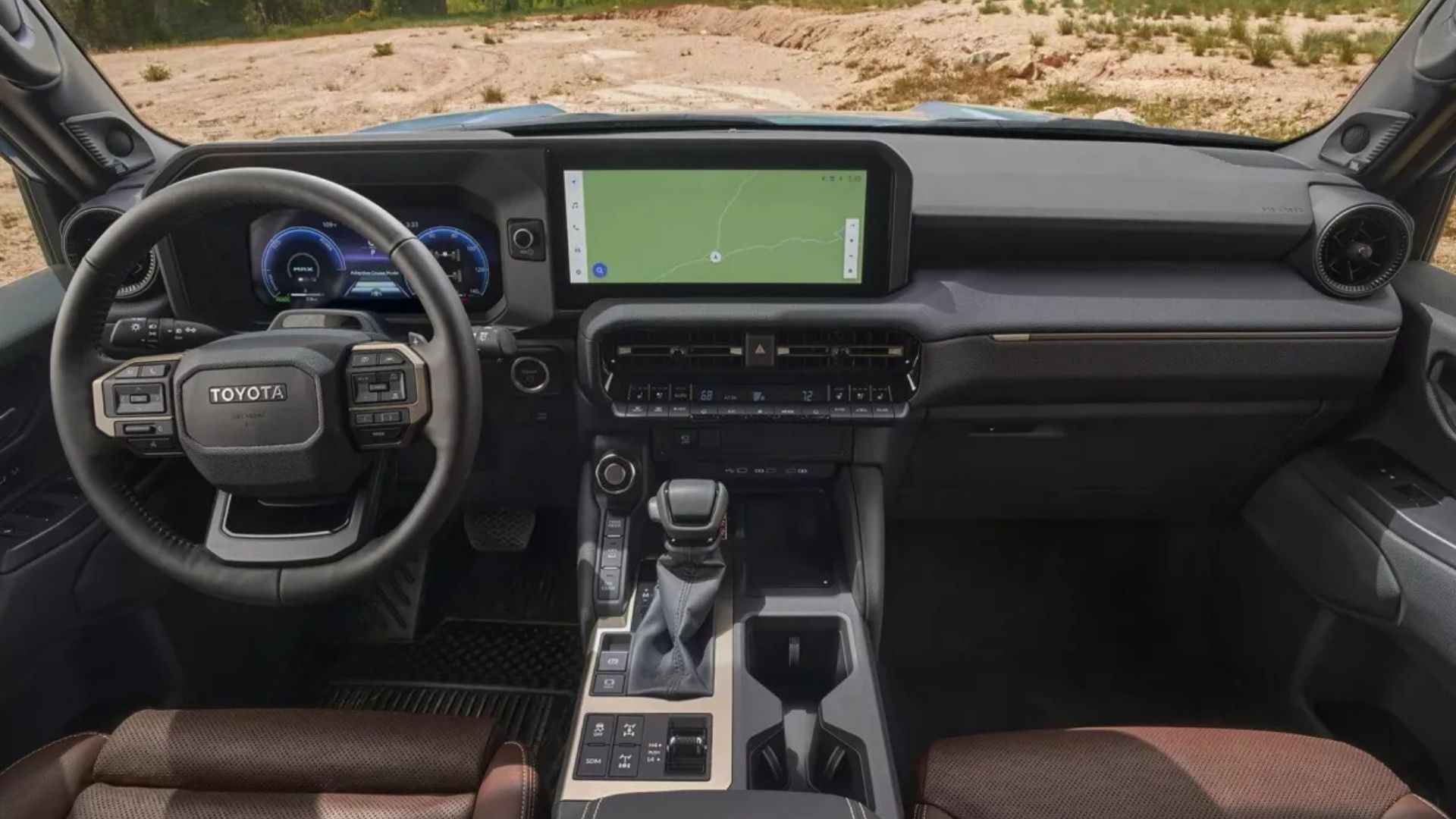
Little sister of the Hilux: Toyota launches Land Cruiser FJ with 4 radical versions, 2.7 engine with 166 hp and 4×4 traction with locking.

And the most impressive part: the production capacity of the plant will be 1 million vehicles per year.
A Giant Project
The size of the facility will be absolutely gigantic, with 130 km² of area, making it the largest electric car factory in the world, even surpassing the famous Tesla Gigafactory located in Nevada, which covers 11.6 km².
To put into perspective how monumental this megafactory will be, it can be said that it will be larger than several Brazilian capitals, such as Boa Vista (RR), which has an urban area of 128,123 km², or Macapá (AP), with 128,123 km².
But the most surprising thing about this project is that the factory will not just be a production center, but a true city planned to accommodate its workers.
In addition to factories and industrial areas, the plant will include housing for employees, schools for their children, recreation areas like tennis courts and soccer fields, as well as shopping centers and restaurants.
Currently, there are already 60,000 workers on-site, and BYD plans to increase that number to 200,000 people from different countries in the coming months.
The complex is being built in eight phases, and it is currently in the fifth phase of its development.
When completed, the factory will be capable of assembling up to one million cars annually, highlighting the Song Pro DM-i, one of the brand’s most sought-after hybrid cars.
Verticalization and Sustainability: A New Way of Production
Verticalization will be one of the key points to accelerate production and reduce operating costs.
BYD is not just assembling cars; it is also creating its own production chain within the complex.
With areas dedicated to producing batteries and other components, the company aims to reduce transportation costs of parts and cut down production time.
This more integrated production model could make a difference in increasing the brand’s competitiveness in the global market.
Furthermore, BYD is striving to keep sustainability in mind.
By concentrating the production of all components in a single location, the company not only reduces the carbon footprint associated with transporting parts but also tries to minimize environmental impacts, focusing on more efficient production with less waste.
The Risk of A Ghost Town and Project Challenges
However, the construction of this megafactory is not being received without criticism.
Even in China, one of the world’s largest markets for electric vehicles, there are concerns regarding the feasibility of such a grand project.
One of the biggest fears is the risk of the complex becoming a ghost town.
This could occur if the demand for electric cars declines drastically, something many analysts indicate as a risk for the industry’s future.
If that happens, the facility could be underused, resulting in high maintenance costs and a waste of resources.
Additionally, uncontrolled urban sprawl and the creation of an isolated location dedicated solely to car manufacturing and housing workers raise questions about the long-term environmental impact.
Although the factory aims to be sustainable and verticalized, transforming a large rural area into an industrial and residential environment may generate several challenges for the local environment, especially concerning the use of natural resources and waste management.
The Megafactory and The Future of The Chinese Automotive Industry
In 2024, BYD sold 4.25 million electric and plug-in hybrid cars.
This positions the company as one of the leaders in the electric vehicle market, but it also raises a question: is a factory capable of producing 1 million vehicles per year really necessary?
Many may see this move as an exaggeration, but the Chinese automotive industry is undergoing a period of radical transformation.
According to various analysts, the car industry in China is at a turning point, where many of the companies currently competing in the market will likely disappear in the coming years.
Few brands will survive this consolidation, and BYD seems to be preparing to dominate the sector.
With its bet on innovation and a large production capacity, the company is trying to position itself as one of the only survivors of this revolution in the automotive market.
However, for the project to be successful, it will be necessary to overcome several obstacles, from ensuring that the demand for electric vehicles continues to grow, to adapting the production model to the needs of a market that is still growing and transforming.
Conclusion: A Future of Innovations and Challenges
With a plant of 130 km², the BYD megafactory in Zhengzhou promises to be a milestone in the global automotive industry.
With its model of verticalization and sustainability, the company is seeking not only to increase its production capacity but also to create a living and working environment for its employees, something unprecedented in the sector.
The ambition is clear: BYD wants to be not just a giant in electric car production but also a reference in how to build a new type of industrial city.
However, the bold bet could be a risk, especially if market conditions change and the demand for electric vehicles significantly declines.
The manufacturing of cars and the creation of a city within a single complex is a major challenge, but BYD is willing to take the risk.
The big question is: Will other companies follow this model, or will it remain a historical attempt to revolutionize the industry?
Do you believe BYD will be able to maintain its leadership in the sector, or could its mega factory-city project end up being a big mistake? Leave your opinion in the comments!








Seja o primeiro a reagir!