





 Portuguese
  English
  Spanish
  4 min of reading
  0 comments



BYD Bet High By Importing 100 Thousand Electric Cars To Evade Taxes, But Is Now Facing A Huge Problem: A True ‘Graveyard of Cars’ Without Destination.
A Controversial Decision By BYD Has Generated Doubts And Debate About The Future of Electric Cars In Brazil.
The Chinese automaker, a leader in the electric vehicle segment, surprised the market by importing over 100 thousand vehicles to the country last year.
This strategy, described as bold by the Fórmula Turbo channel, aims to avoid the impact of rising import taxes.
-
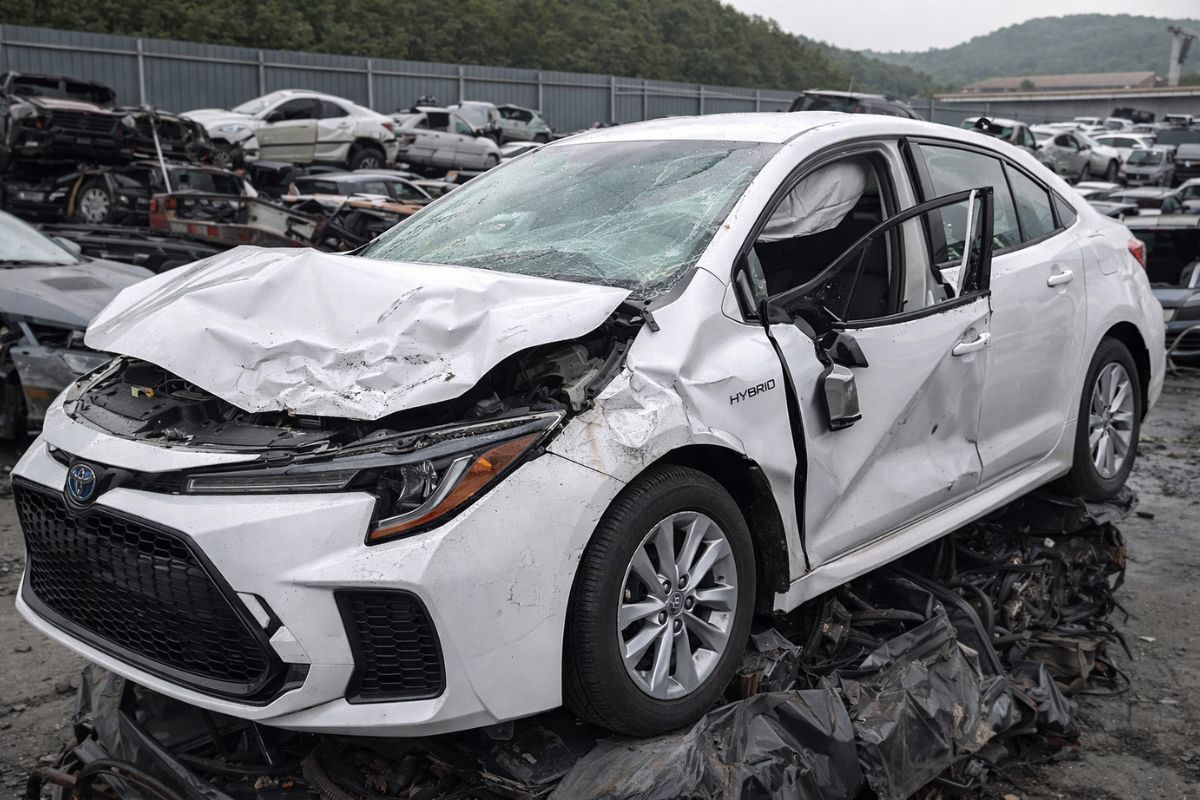
A 2024 Toyota Corolla hybrid with only 12,500 km ended up in the junkyard, and when the dismantling staff saw the car, they were shocked because they know that this model easily exceeds 300,000 km without serious mechanical issues.
-
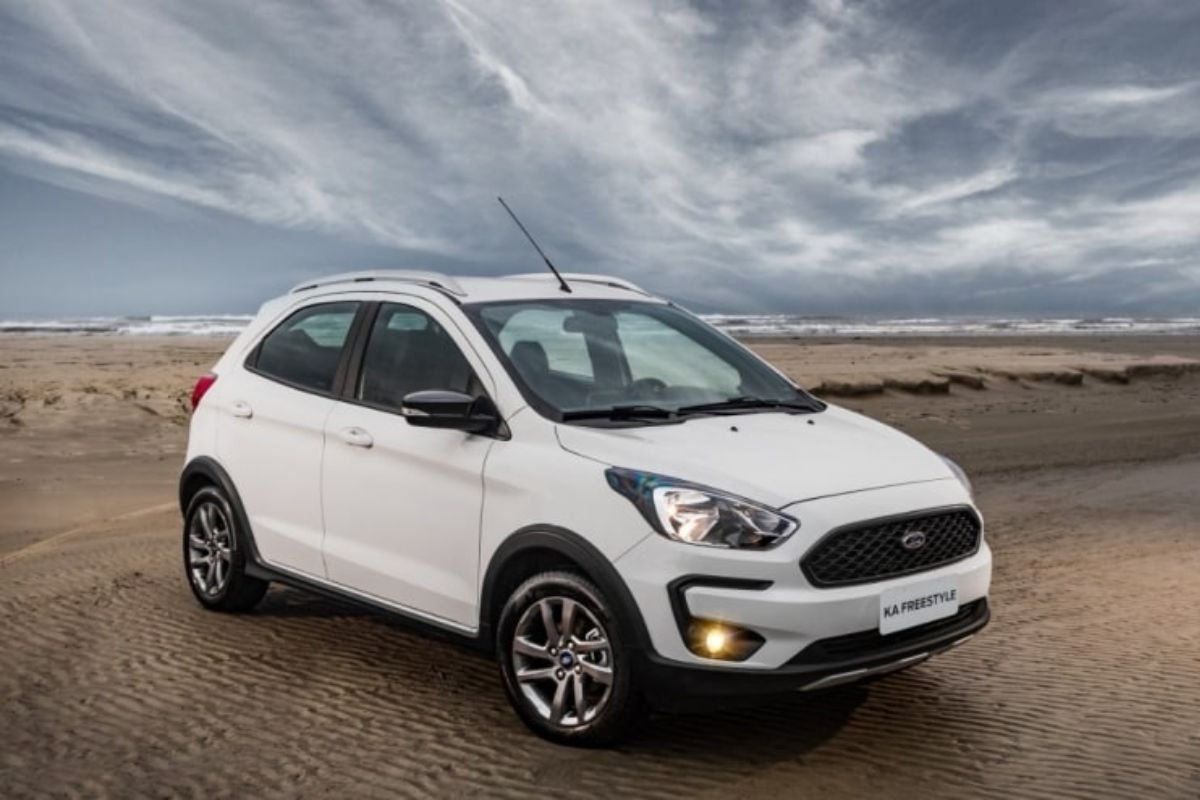
If you want a car with an SUV look but don’t have the money to buy a new one, there are 5 used models starting at R$ 17,900 with raised suspension and body protection that can handle dirt roads without fear.
-
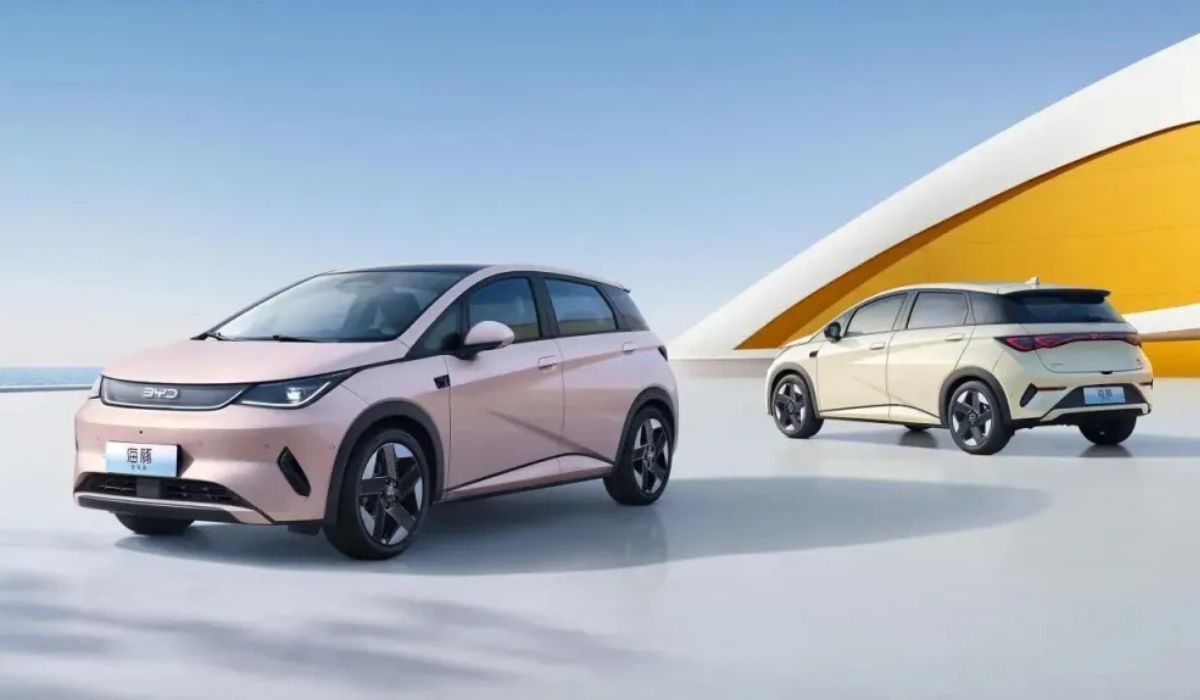
With a new look, more power, more technology, a larger size, and the farewell to a controversial item, the BYD Dolphin 2027 is getting ready to arrive in Brazil in 2026, stronger and more competitive than ever.
-
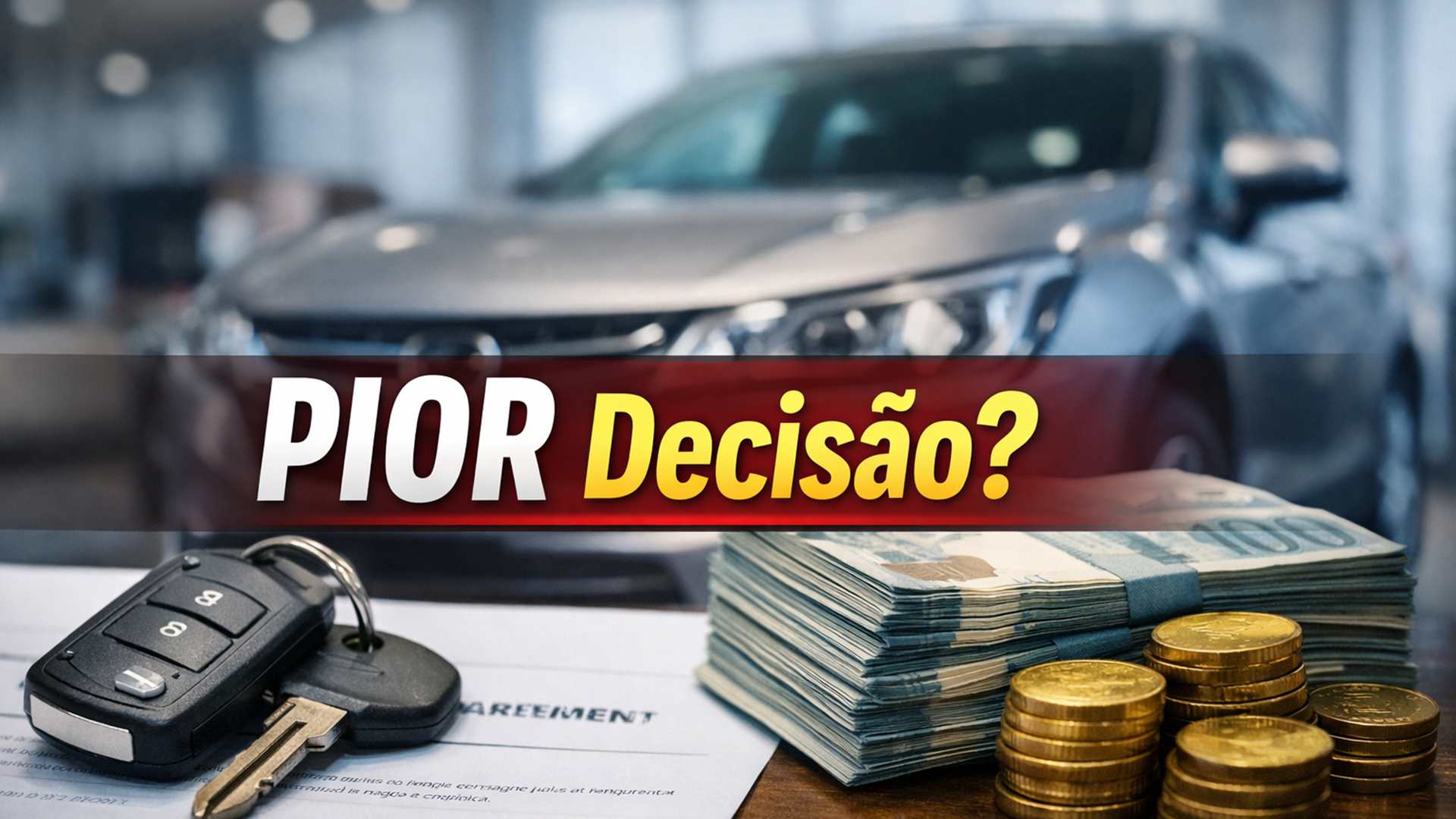
Is financing a car really worth it? Discover the impact of 25% annual interest and how you could end up paying up to R$ 39,000 more for your vehicle.

However, is this move the beginning of a new chapter of success or a potential failure in the Brazilian market?
The Rise of Electrics And The Challenges In Brazil
As detailed on the Fórmula Turbo channel, electric cars have gained ground in several countries.
In Norway, for example, electric models already represent the majority of sales. In Brazil, however, the reality is quite different.
Only 2% of cars sold in 2023 were electric or hybrid.
Despite this, BYD saw potential and took advantage of tax incentives to establish itself in the country. By 2023, the company dominated about 70% of the electric vehicle market in Brazil.
But, in January 2024, the scenario changed drastically. The Brazilian government reintroduced import taxes, which vary from 10% to 25%, and will continue to rise until reaching 35% in 2026.
This change directly affects vehicle prices and challenges automakers to keep their products competitive.
One Hundred Thousand Vehicles Idle: Solution Or Problem?
Fórmula Turbo explained that to avoid the new taxes, BYD imported a massive stock of vehicles, enough for two years of sales.
The company saved up to 13% on the cost of each unit, a significant reduction for vehicles that cost about R$ 200 thousand. However, this decision brought new challenges.
Stocking such a large volume means tying up capital in a still-growing market.
Furthermore, vehicles parked in lots and ports may suffer from prolonged exposure to the weather, which reduces their market value.
Another issue raised by the channel is consumer perception. Vehicles manufactured in 2024 but sold in 2025 or 2026 may be seen as “old” models, which could devalue the brand.
Insufficient Infrastructure: The Achilles’ Heel
The Fórmula Turbo channel also highlighted that the infrastructure for electric vehicles in Brazil is far from ideal.
Currently, the country has only 3 thousand public charging points, most concentrated in large cities like São Paulo, Rio de Janeiro, and Brasília.
In comparison, China has hundreds of thousands of stations spread across the territory.
This inequality directly affects the consumer experience. Drivers wanting to travel long distances face difficulties due to the absence of fast chargers on highways.
Additionally, the few chargers available are often occupied or out of service, discouraging the use of these vehicles.
Another critical point is the high cost for the installation of home chargers, which can exceed R$ 10 thousand, in addition to the increase in the electricity bill.
According to Fórmula Turbo, this combination of factors represents a significant obstacle to the popularization of electrics in Brazil.


Nationalization As A Solution
In order to overcome tax and logistical barriers, BYD announced plans to nationalize its production.
According to Fórmula Turbo, the company is building a factory in Camaçari, Bahia, scheduled to start operations in the first half of 2025.
Popular models such as Dolphin and Dolphin Mini are among those planned to be manufactured locally.
Nationalization promises to reduce costs, as vehicles manufactured in Brazil will not be subject to import tariffs.
In addition, local production may open up space for partnerships with Brazilian suppliers, strengthening the production chain.
However, the Fórmula Turbo channel warned that this transition will not be simple. Initial investments are high, and the time needed to consolidate production may delay the company’s plans.
During this period, electric vehicles will need to compete with already established models produced locally, which have regional tax incentives.
The Future Of Electric Cars In Brazil
Despite the challenges, BYD shows confidence in the Brazilian market. The company bets on awareness campaigns and aggressive pricing to attract consumers.
However, as Fórmula Turbo pointed out, success depends on external factors, such as more favorable public policies, expansion of the charging network, and greater acceptance by the public.
Furthermore, there are technical issues that concern consumers. The lifespan of batteries, which last 8 to 10 years, is a critical factor.
Replacing them can cost over R$ 50 thousand, making the resale of used vehicles unfeasible. Fórmula Turbo emphasized that this problem is exacerbated by the rapid technological obsolescence of electrics.
Opportunity Or Risk?
The electric car market in Brazil is at a crossroads. BYD positions itself as a leader and pioneer but faces obstacles such as poor infrastructure, high import tariffs, and a still-adjusting public.
Will the automaker manage to overcome these barriers and consolidate its success in the country, or will we see a setback similar to other markets?
Leave your opinion in the comments: Is Brazil ready for the electric vehicle revolution or is there still much to be done?




-

Uma pessoa reagiu a isso.