





 Portuguese
  English
  Spanish
  4 min of reading
  7 comments


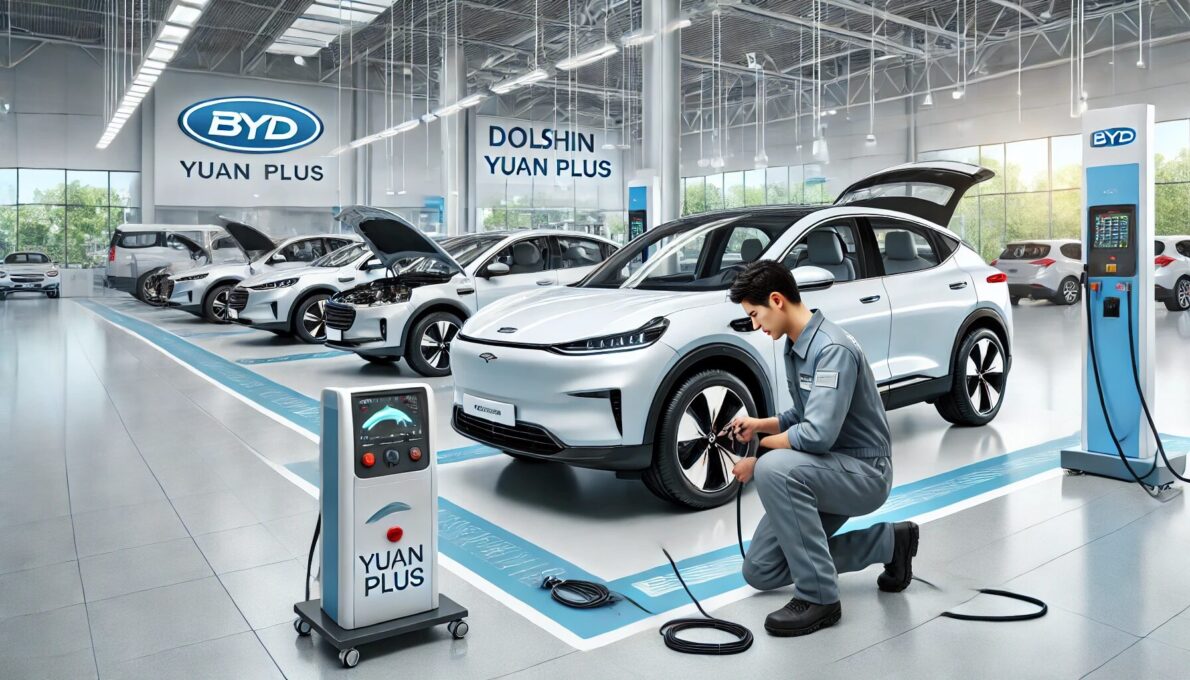


BYD Faces An Urgent Recall Of Almost 100 Thousand Electric Vehicles Due To A Critical Failure That Could Result In Fires. The Popular Dolphin And Yuan Plus Are The Main Affected Models.
A critical failure that could cause serious accidents has put one of the largest automakers in the world.
Although the company is synonymous with innovation and sustainability, it now faces one of the largest recalls in its history.
What could have been a technical detail has become a real risk for its users, leading to the urgent withdrawal of thousands of vehicles from the market.
-
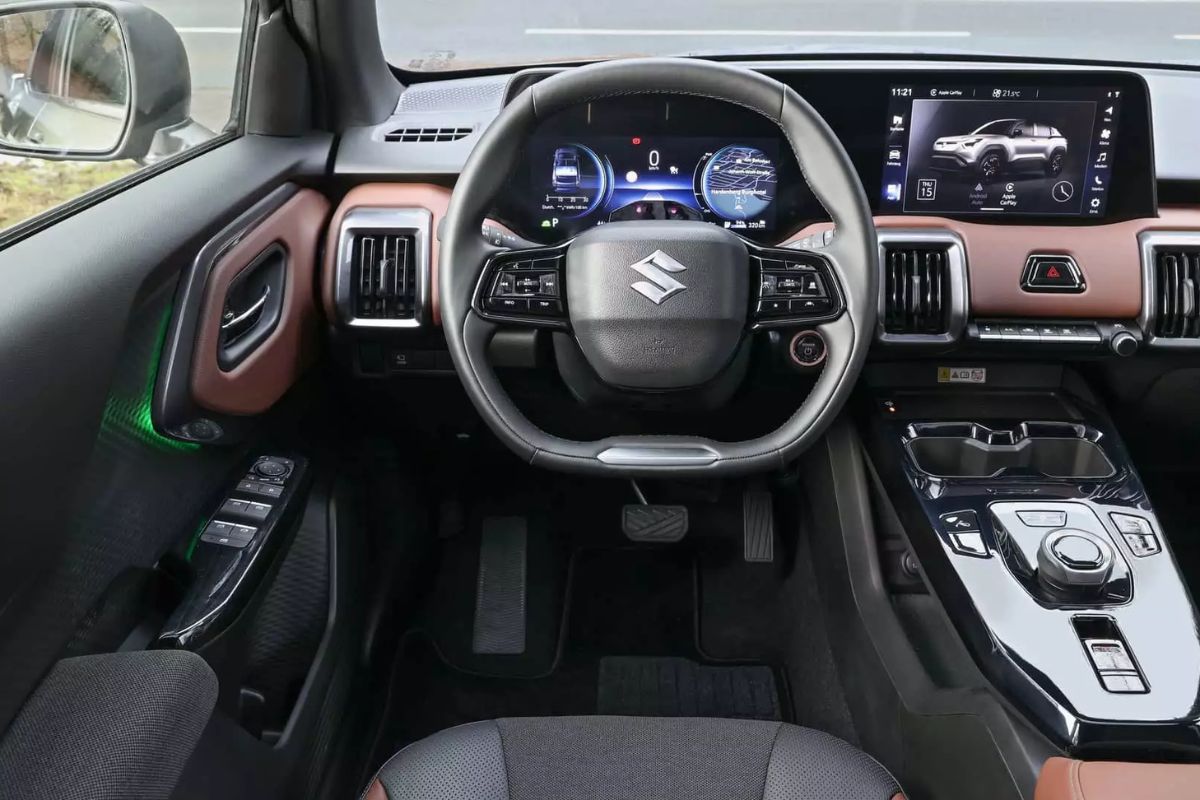
The 2026 electric Vitara arrives in Brazil and proves that Suzuki is not leaving: 4×4 traction, 184 hp, 61 kWh LFP battery, 293 km range, R$ 259,000, and a trunk capacity of 224 L.
-
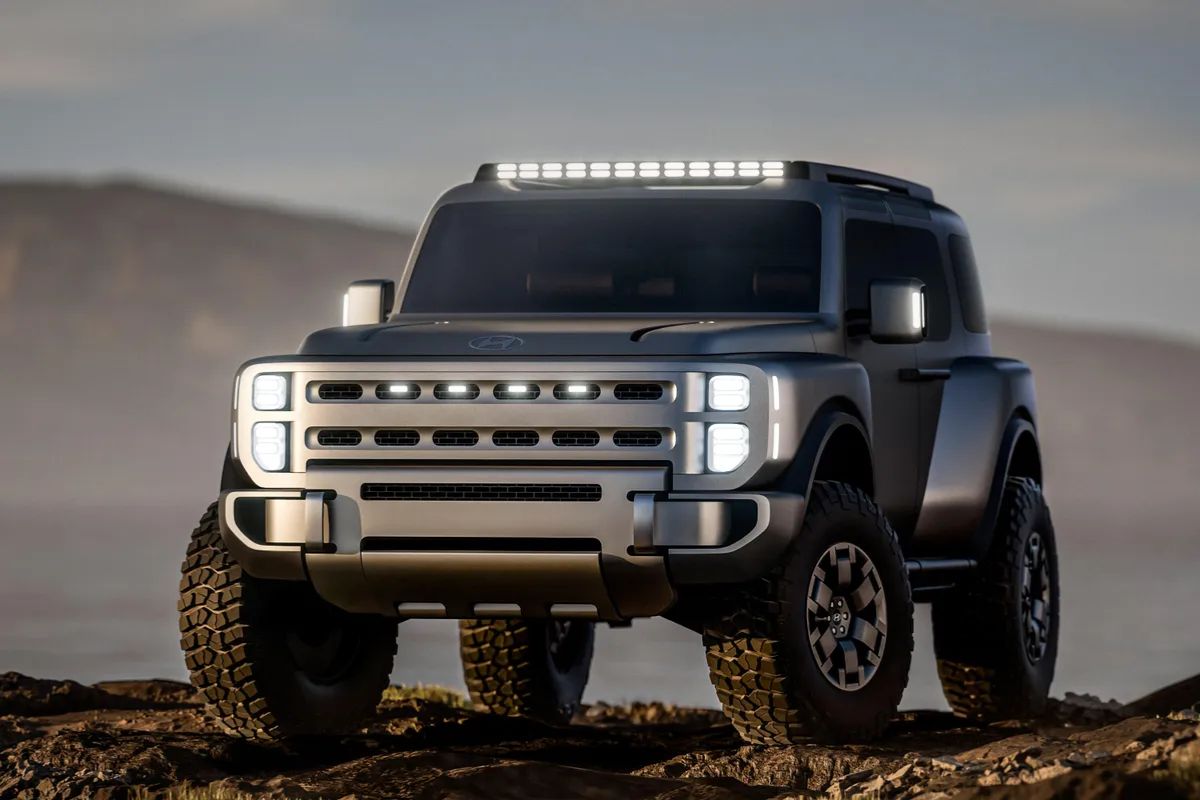
Hyundai has unveiled the Boulder, a square SUV with a body-on-frame design, 37-inch mud tires, and carriage-style doors that seems to be made to take on the Ford Bronco and the Scout Traveller in the United States.
-
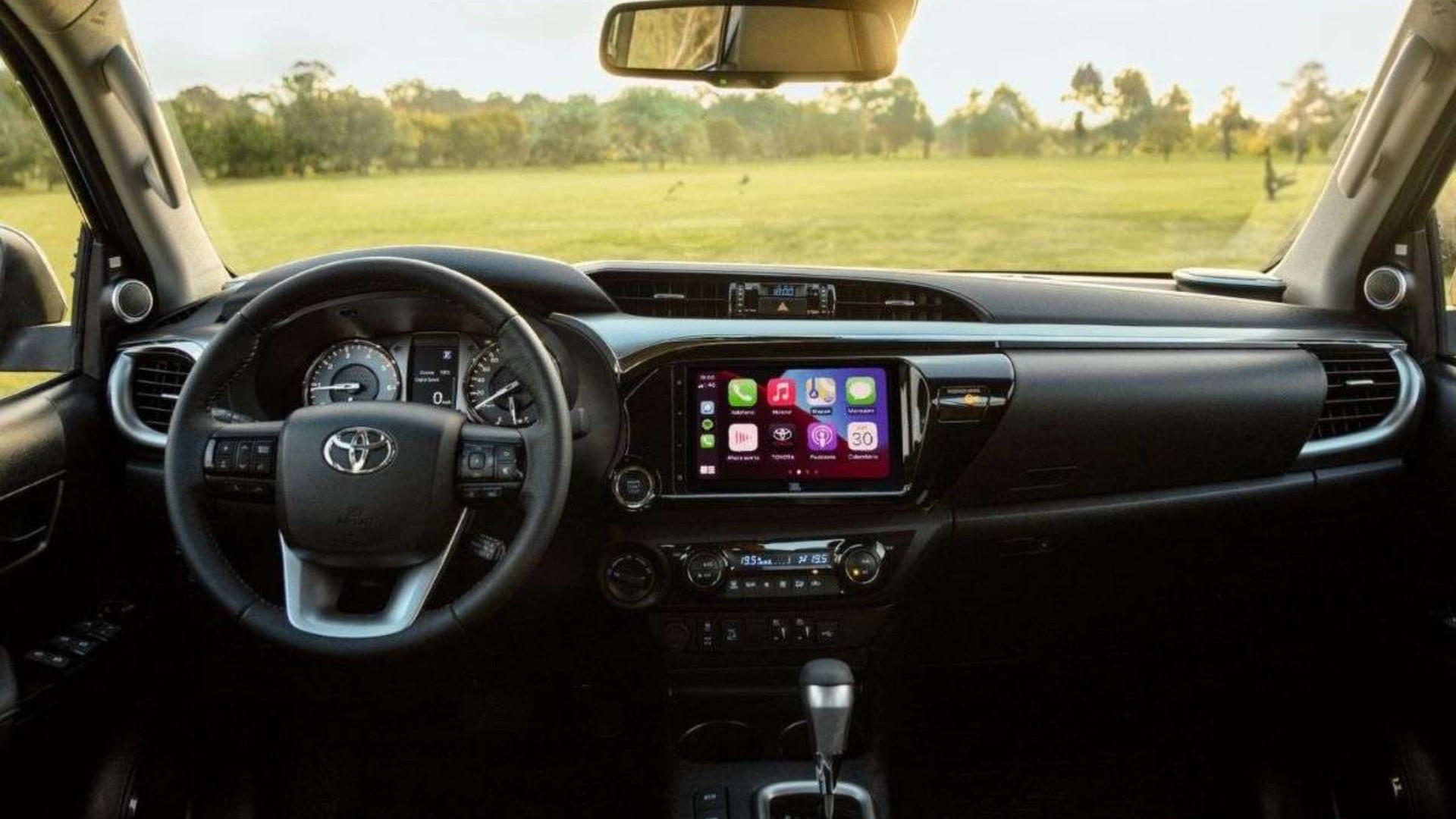
The Toyota Hilux is R$ 75.5 thousand cheaper and bets on the 2.8 turbodiesel engine with up to 204 hp and 50.9 kgfm to catch up with the VW Saveiro, which leads with 4,472 sales.
-
The new Renault Koleos has a screen exclusively for the passenger that is invisible to the driver, heated rear seats, and 29 assistance systems, but its Chinese competitors cost R$ 40,000 less and deliver more power.
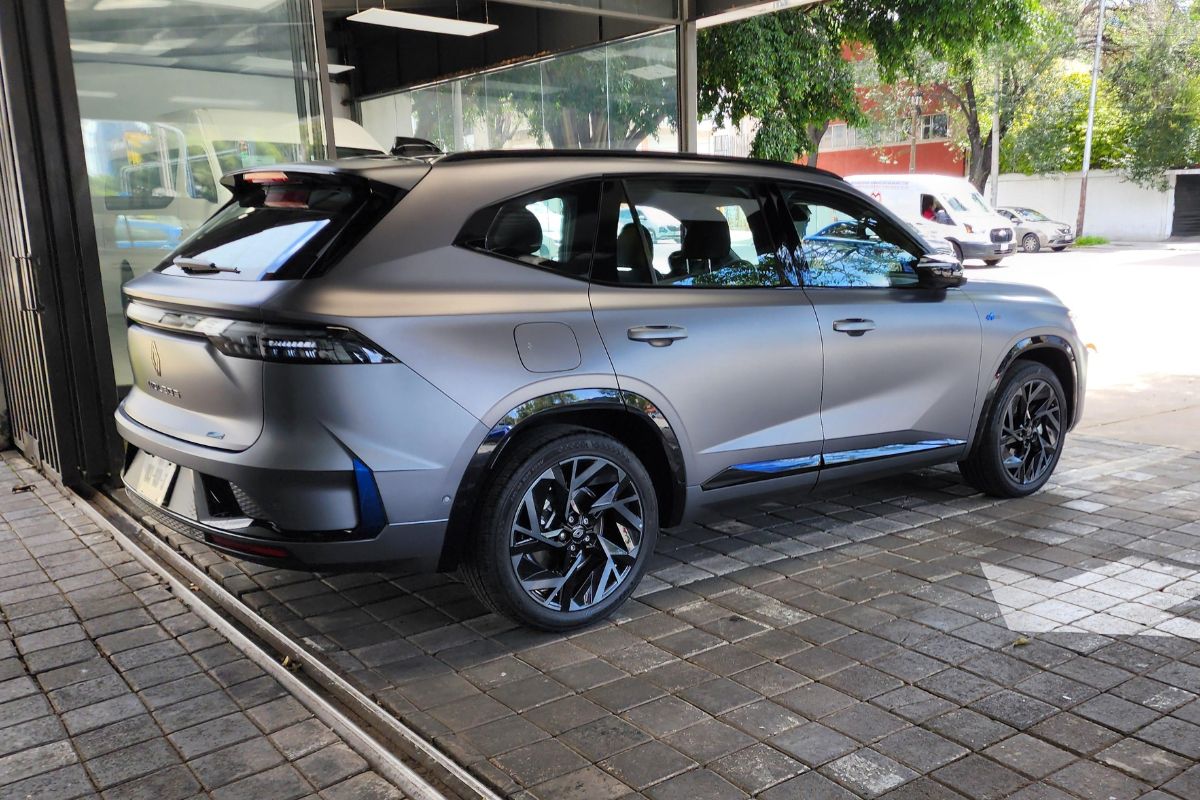

According to the State Administration for Market Regulation of China (SAMR), BYD announced the recall of 97 thousand electric vehicles manufactured between November 2022 and December 2023.
The reason? A manufacturing failure in a steering control unit, representing a potential fire risk in the affected models.
This serious failure prompted the company to take swift action to prevent possible accidents.
Dolphin And Yuan Plus Models At Risk
The Dolphin and Yuan Plus models, two of the best-selling by BYD in 2023, are the main targets of the recall.
These vehicles make up about 26% of the three million units sold by the company in the last year, making the problem even more significant.
According to data from the China Association of Automobile Manufacturers, these vehicles were a sales success but are now under scrutiny due to the failure that compromises safety.
Although the recall is significant, it has not been reported whether some of these vehicles were exported to markets outside of China.
The lack of clarity regarding the distribution of the affected vehicles keeps consumers in other countries on alert.
BYD Leads Sales, But Failures Are Not New
Although it is a rare event for BYD, this is not the first time the automaker has undergone a significant recall.
In 2022, the company had already faced issues with its plug-in hybrid Tang, due to a battery defect, which also presented fire risks.
However, the current recall affects a much larger volume of vehicles and includes 100% electric models, which are a pillar of the company’s global strategy.
According to the SAMR, BYD has already initiated the correction process, requesting its dealers to install a physical solution in the recalled cars.
This includes replacing the defective steering control unit, eliminating the fire risk. The automaker has not publicly commented on the issue yet, but the speed of the response suggests that it is taking the problem very seriously.
The Impact Of The Recall On BYD’s Future
This massive recall could affect the trust image that BYD has built over the past few years.
The company, which recently surpassed Tesla in global electric vehicle sales, now needs to manage this crisis efficiently to preserve its market leadership.
Moreover, it is crucial to ensure that such failures do not become recurring, compromising the safety and satisfaction of consumers.
According to industry experts, BYD will have to deal not only with replacing defective components but also with the potential damage to its reputation.
Widespread recalls can generate distrust and impact future sales, especially in international markets where the company is expanding its presence.
Other Issues Facing The Electric Vehicle Sector
In addition to the problems faced by BYD, the electric vehicle sector as a whole has been dealing with considerable challenges.
Issues such as high production costs, battery failures, and even component supply problems have pressured automakers to continuously improve their technologies.
In BYD’s specific case, recalls, although rare, are a reflection of these complexities that even the largest players in the sector cannot completely avoid.
Risks Of New Recalls?
The failure found in the Dolphin and Yuan Plus models raises a legitimate concern about the safety of other BYD vehicles.
Are other models at risk? The company has not yet provided additional details about the extent of the issues or whether other vehicles outside the specified manufacturing period are also vulnerable.
This level of uncertainty could raise doubts among consumers and investors about the safety of future vehicles.
Although BYD is a leader in the electric vehicle sector, the recent failures require swift and efficient actions to ensure that its successful trajectory is not tainted by safety issues.
According to industry analysts, the company will need to implement more stringent quality control measures to avoid new recalls at a time when its global presence is only growing.
Vehicles In Brazil Are Not Part Of The Recall, Says BYD
In a statement sent to the CPG portal, BYD emphasized that the models circulating in Brazil are not part of the recall. See the statement in full:
Regarding the information about the recall of some Dolphin and Yuan Plus electric vehicles, BYD Brazil clarifies that this measure is related exclusively to cars circulating in China.
They are different productions from the vehicles for export, which makes the topic solely about the Chinese domestic market, with no relation to the models in circulation in Brazil.









Acredito que isso vai ser moleza para a byd resolver.
Para manter credibilidade, os redatores e editores do CPG devem evitar o sensacionalismo infundado em suas publicações… o assunto nem diz respeito ao Brasil mas na manchete faz parecer que sim, além de usar expressões e ilações catastróficas, como “as pressas”, “Riscos de novos recalls”, “Será que outros modelos estão em risco?”, etc., além de cálculos absurdos (como 97 mil veículos pode representar 26% da produção de 3 milhões de unidades vendidas?)… sejam sérios, por favor.
Informação no mínimo pretensiosa, uma vez que esse recall não afeta o Brasil e sim a própria China, e o título da informação dar a entender que é no Brasil. Agora se tem esse chamado para correção significa a seriedade da empresa. Pior é as empresas que identifica o problema e devido a custos, deixa passar despercebido.