





 Portuguese
  English
  Spanish
  5 min of reading
  38 comments


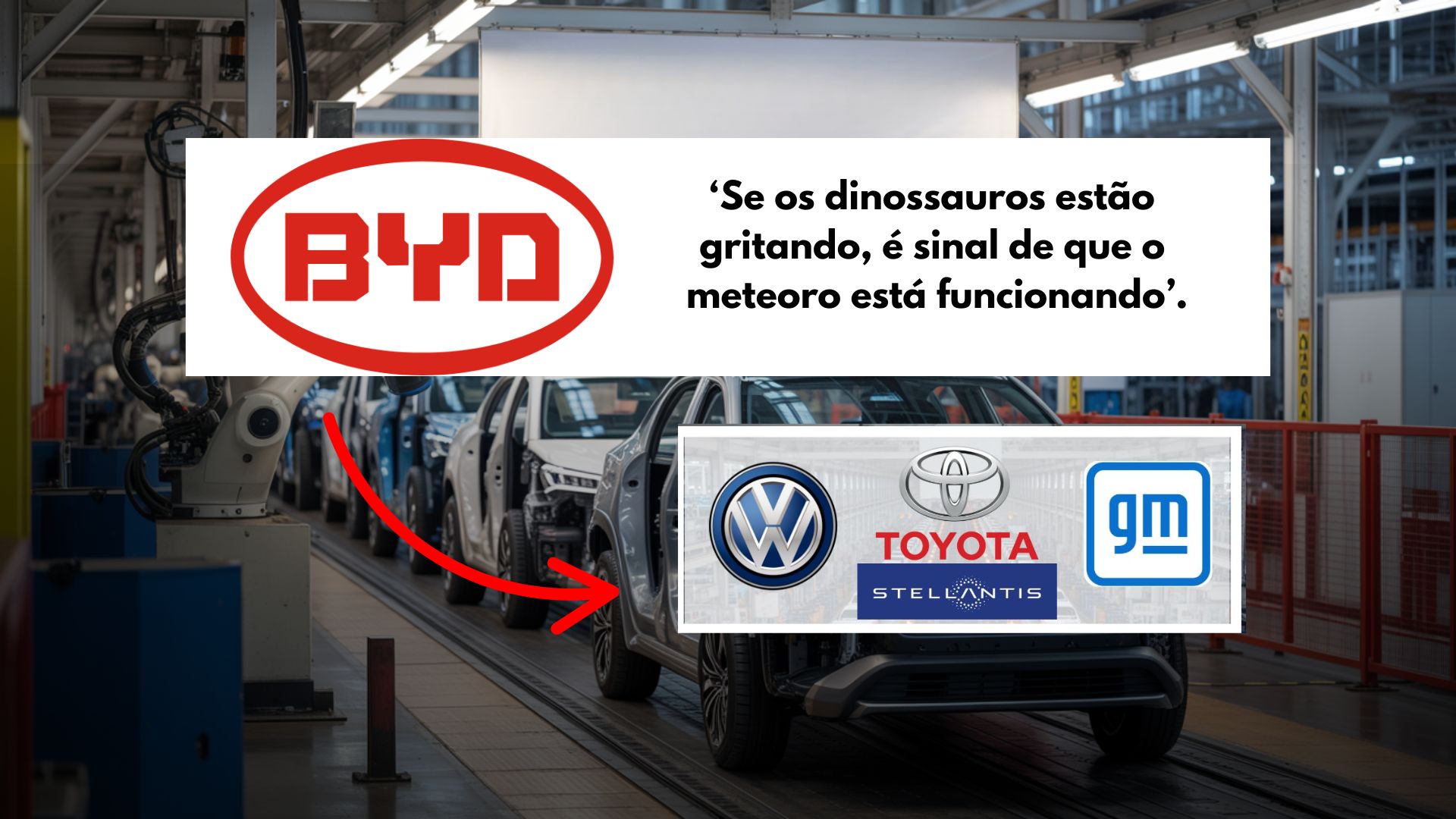


Dispute Between Traditional Automakers and BYD Over Tax Incentives Exposes Transformation of the Automotive Sector and Pressures Debate on Innovation and Competitiveness in Brazil.
In a scenario of increasing disputes in the Brazilian automotive sector, BYD Auto Brazil responded incisively to a letter sent to President Luiz Inácio Lula da Silva by leaders of the major automakers established in the country, such as Volkswagen, Toyota, Stellantis, and General Motors.
The document from the four automakers advocated for the maintenance of tax restrictions on partially disassembled imported vehicles, while BYD requests incentives to consolidate the operation of its new factory in Camaçari, Bahia.
BYD Rebuts Automakers and Questions Market Discomfort
BYD began its response on Wednesday (30) with a direct provocation: “Why Does BYD Bother So Much?”.
-
The Federal Revenue Service now automatically cross-references everything you declare with data from banks, credit cards, brokerage firms, and insurance companies, and any discrepancy between your income and your expenses triggers an alert in seconds.

-
Amid global tensions, Brazil blocks the United States’ proposal at the WTO and paves the way for a trade crisis and possible retaliations.

-
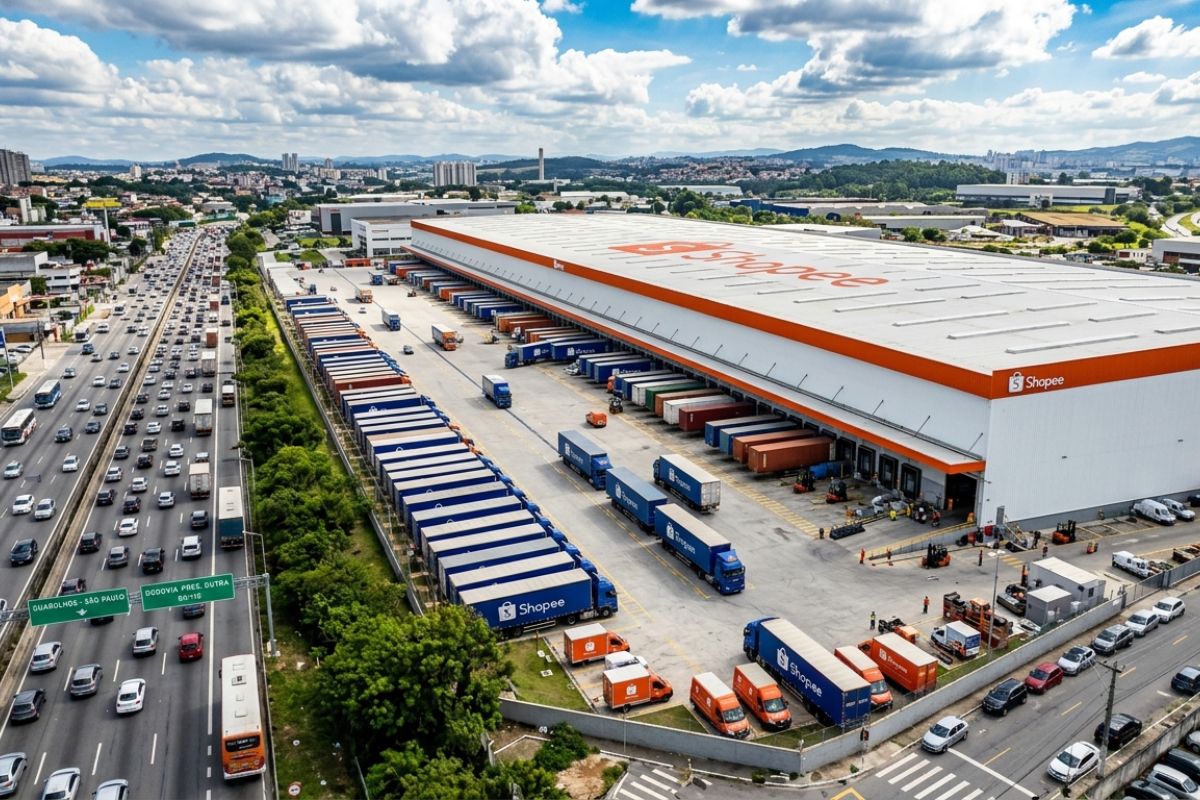
Shopee opens the largest logistics warehouse in Brazil in Guarulhos: 220,000 m² on Dutra, contract signed before construction, pays R$ 45/m² and accelerates deliveries at scale, putting pressure on Mercado Livre and Amazon.
-
After mistakenly transferring R$ 50,000 via Pix, a man will receive the amount back along with R$ 10,000 for moral damages from the recipient.


The company, which presents itself as responsible for bringing “technological, sustainable, and more accessible cars,” stated that it is being attacked by “obsolete competitors.”
According to the statement, “the future arrives suddenly. But sometimes, what arrives suddenly is the email. This time it was a letter sent by four of the largest Brazilian automakers to the President of the Republic, begging him to abort innovation.”
The Chinese manufacturer accuses its rivals of trying to impede progress, stating: “They demand, in no uncertain terms, that the government prevent the temporary reduction of taxes for those who dare to offer better cars at a fairer price.”
The text also mentions that, “for decades, [consumers] have been forced to pay dearly for old technology and lazy design.”
For BYD, the reaction of the national market to its arrival is already reflected in prices: “It was not by chance that a competitor reduced the price of an electric model by over 100 thousand reais after BYD’s arrival. Why did it cost so much before?”
Competition and Allegations of Unfairness
In the original letter from traditional automakers, the central argument was that competition would be “unfair.”
BYD’s response directly counters this point: “Nothing is more unfair than someone playing the game — and winning. Nothing is more unjust than assembling a car in Brazil under a regime authorized by the government, with a set date to nationalize production, and still delivering a product that the ‘locals’ cannot even dream of offering.”
The company also points out that practices such as the importation of semi-mounted or disassembled vehicles for local assembly are not exclusive to the Chinese brand: “This is not new; other automakers have already adopted the same practice before having complete local production. And BYD is doing this.”
Criticism of Anfavea’s Stance and Consumer Reactions
The response mentions that the reactions of representative entities of the Brazilian automotive industry, such as the National Association of Motor Vehicle Manufacturers (Anfavea), follow a recurring script.
“In the face of any sign of market opening or innovation, threats of mass layoffs, factory closures, and the end of the world as we know it arise. It is a form of emotional blackmail with a corporate veneer, repeated for decades by industry barons to protect a business model that has left the Brazilian consumer last in the line of modernity.”
BYD emphasizes that while “letters pile up in Brasília, consumers have already made their choice.”
The company directly references public opinion on social media: “Just look at the comments on Anfavea’s own social media: ‘You don’t fight for cheaper cars, now you want our support for what?’. Or: ‘I will always say the following: if Anfavea is so bothered, it’s because the other side is worth it.’”
Tax Incentives and Industrial Investments
At the heart of the dispute is the temporary reduction of taxes that BYD requests for its operation in Bahia.
The company justifies: “It makes no sense to apply the same level of taxation on 100% ready vehicles brought from abroad and on vehicles that are assembled in Brazil, generating local jobs, moving the logistics chain, and paying for obligations.”
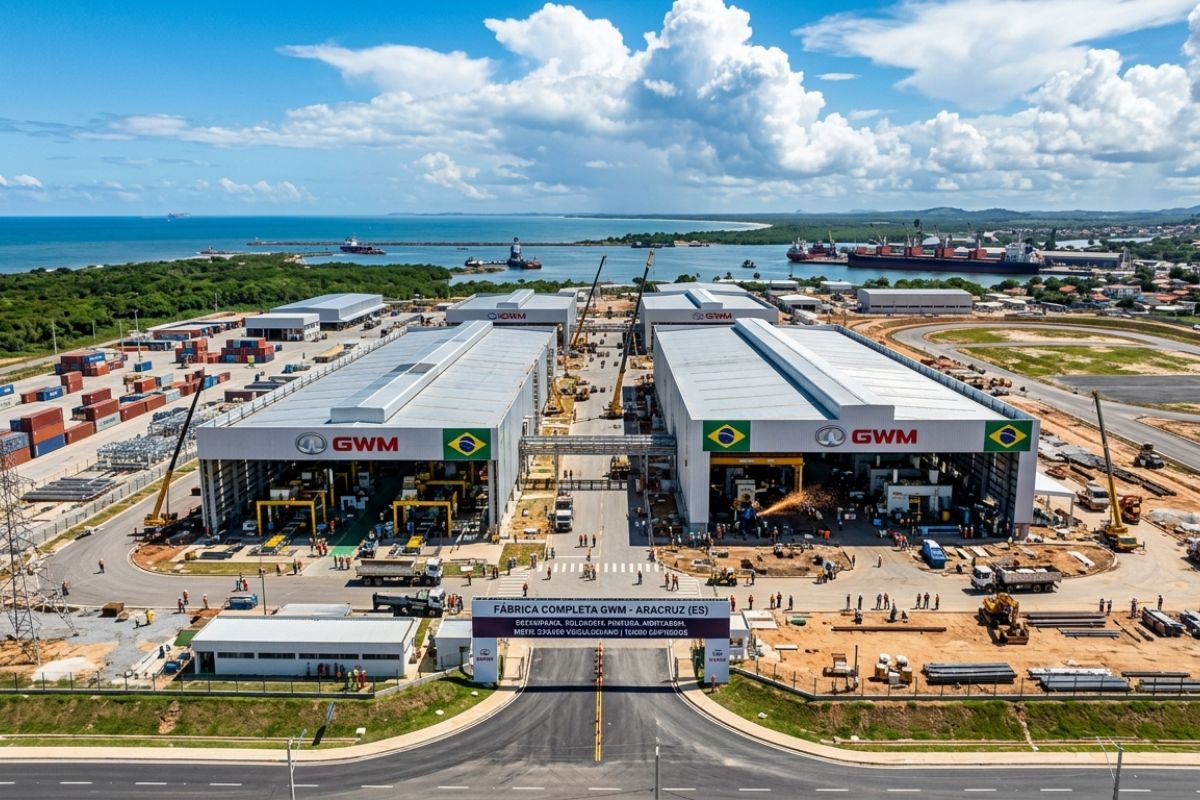
According to the statement, the contract with the Government of Bahia already provided for the initial assembly stage while the complete structure of the factory is finalized.
“In less than a year and a half, we are already finalizing the first stage of the factory construction in Camaçari (BA), in the same location where another automaker, which was also traditional, gave up on Brazil. Just the final assembly warehouse is already more than half the size of the old complete factory.”
The company reinforces that “nothing has changed. Everything is according to the plan from the beginning.”
Loss of Prominence and Transformation of the Sector
According to BYD, the discomfort of its competitors is not solely related to tax issues or assembly.
“The discomfort of the competitors has nothing to do with taxes, nor with assembly, nor with jobs. It has to do with the loss of prominence. With the fact that a new player has arrived offering more and charging less. With the fact that technology has finally ceased to be a luxury for the few and has become a reality for many.”
The company’s position is that its operation “is neither a shortcut nor a fiscal trick. It is a vision for the future with cleaner, safer, more connected vehicles, and fair cost-benefit.”
For BYD, “helping Brazil accelerate this transition is a strategic move not only for the brand but for the country.”
In conclusion, the letter suggests that the government should use the debate as evidence of the correct direction: “The President should listen to these letters — and use them as proof that he is on the right path. Because if the dinosaurs are screaming, it’s a sign that the meteor is working.”






Sou a favor da concorrência desde que seja melhor para o consumidor.
as montadoras tradicionais tiraram do alcance do povo os carros tradicionais, hoje em dia um carro tradicional está quase o mesmo valor ou o valor de um carro elétrico, portanto montadoras tradicionais reduzam o preço de seus veículos não elétricos parem de explorar o povo ou fecharão as portas.
O problema, é,porque,por tanto tempo,os brasileiros vem pagando caro por certos tipos de automóveis,que,apesar das empresas montadoras,sempre tiveram esse benefício fiscal,mas nunca foi repassado ao consumidor.Ahora,estão chorando de “barriga” cheia,sabem que,a nova montadora,BYD, realmente oferece essa oportunidade,de carros com tecnologia moderna,conforto e inovação,com preço acessível aos da classe média baixa.O que,as tradicionais,não levam em conta,porque, infelizmente,os carros que eram considerados,para essas classes,eram mais que problemas para os consumidores,que a maioria desses carros,hoje estão sendo estocados nos pátios das concessionária, que ninguém mais está querendo. São aqueles carros,sem nenhum tipo de design,tipo: celta,Corsa sedan, Corsa perua,Fiat uno, Palios,e outros carros,que perderam a preferência por não oferecer nenhum tipo de vantagem,ou custo benefício,para o consumidor..Espero que a BYD,assuma esse espaço e nos ofereça, realmente essa oportunidade de de ter um carro barato,com essas vantagens.
Eles tem que fazer igual as outras fizeram investiram e não simplesmente jogar carros aqui sem ter investimento aí fica fácil,mas isso é conluio com o desgoverno atual!!