





 Portuguese
  English
  Spanish
  5 min of reading
  2 comments


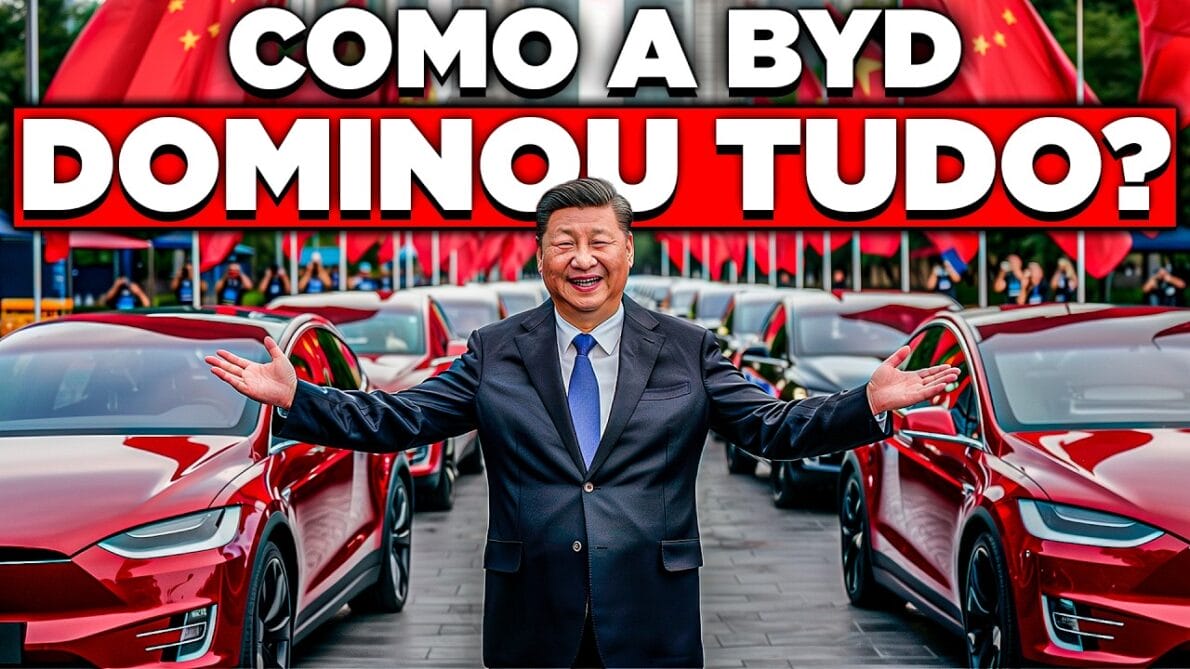

The Multinational BYD Surpasses Tesla and Becomes the Largest Automaker in the World in the Global Automotive Industry. Understand the Company’s Trajectory and What Will Be Necessary to Maintain Leadership.
BYD, the Chinese electric car manufacturer, surpasses Tesla and becomes the largest automaker in the world in the production of electric vehicles. Founded in 1995, BYD started as a battery company and over the years expanded its operations to include the manufacturing of electric vehicles, buses, and even solar energy solutions. With an innovative approach and massive investments in technology and infrastructure, BYD has managed to capture a significant share of the global automotive industry.
Let’s explore how this Chinese company managed to surpass Tesla, analyzing its market strategies, technological advancements, and strategic partnerships. We will discuss the challenges that BYD faces and its chances of remaining at the top of the global automotive industry. BYD’s rise not only redefines competition in the electric car sector but also highlights China’s growing role as a leader in sustainable technologies.
How BYD Surpassed Tesla in the Global Automotive Industry?


BYD surpassed Tesla, but it is important to mention that the company started its history focused on the production of small batteries. In the global automotive industry, the true revolution for the company occurred in 2020, with the launch of the Blade Battery, a lithium iron phosphate LFP battery.
-
An irregular parking case gains attention after a Mercedes Classe A was removed in such a strange way that it even raised doubts about damage to the car.

-
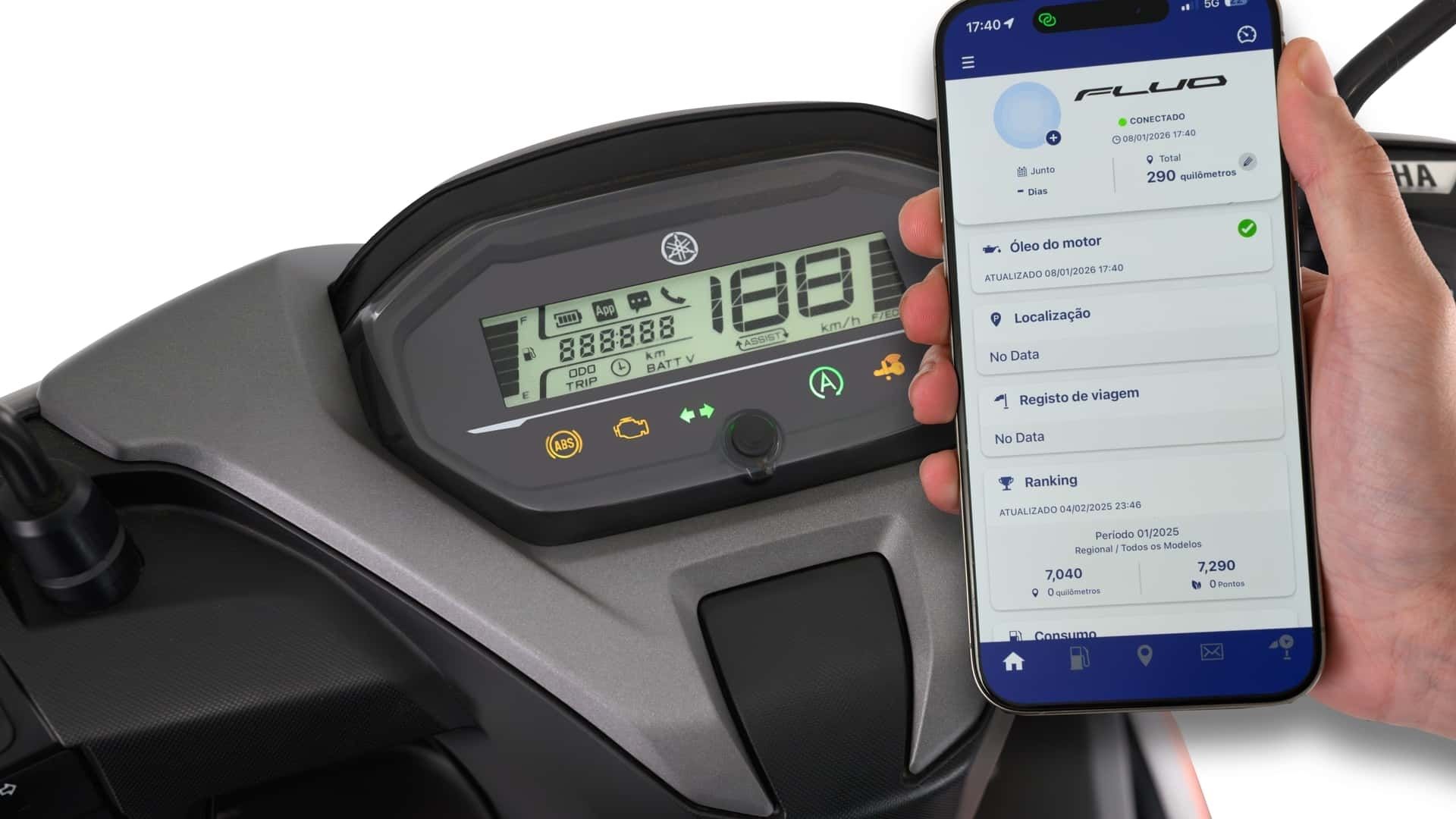
Costing R$ 16,000, the new Yamaha features a 125 cc hybrid engine with electric assistance, delivers 8.3 hp, includes ABS, optimized fuel consumption, Y-Connect connectivity, 25 liters of storage space, and a surprising 4-year warranty in the urban segment.
-
OMODA & JAECOO grows in Europe in 2026 with an integrated strategy of sales, innovation, local production, and technological advancement in the United Kingdom, Italy, and Spain.
-
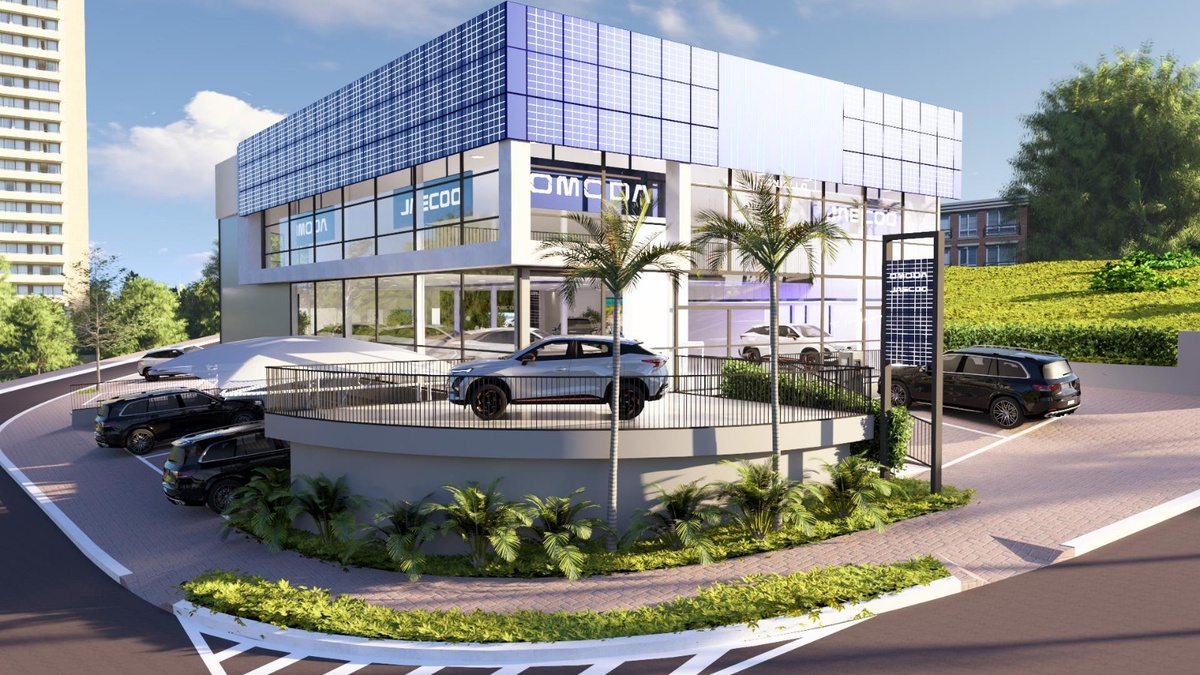
OMODA & JAECOO expands after-sales service in Brazil with competitive maintenance, a 7-year warranty, and high availability of parts for technological SUVs.

This innovation was a game changer, enabling the company to stand out in the global automotive industry. It not only reduced the production costs for the largest automaker in the world but also offered greater safety and efficiency compared to other lithium-ion batteries available in the market.
The technology was designed to be more compact and safe, making it an ideal choice for the next generation of electric vehicles. The Han, a sports sedan from the company, was one of the first models to incorporate this technology thanks to the battery. The Han not only offered greater autonomy but also gained consumer trust in terms of safety.
BYD Combines Technologies and Develops Its Own Formula for Success
This combination of performance and safety led to a surge in electric vehicle sales. In just one year, the sales of electric vehicles by the largest automaker in the global automotive industry increased dramatically from around 131,000 units in 2020 to over 1,500,000 units in 2021.
The multinational adopted vertical integration, producing a significant portion of its car components in-house. In this way, BYD surpassed Tesla, and the battery was one of the main reasons.
BYD did not limit itself to passenger electric cars. The company expanded its product line to include electric buses, trucks, forklifts, and even solar energy solutions. This diversification allowed BYD to capture a larger share of the global electric and sustainable vehicle market.
The multinational benefited from favorable government policies in China, which promote the adoption of electric vehicles through subsidies, tax incentives, and environmental regulations. This support helped BYD increase its domestic sales and position itself as a leader in the global market.
Understand the Steps Taken by BYD to Become Popular
With a solid technological foundation established, the current largest automaker in the world turned its focus to dominating the Chinese electric vehicle market. BYD surpassed Tesla, and success in the domestic market did not happen by chance. A series of substantial government incentives helped pave the way.
The electric vehicle industry in China received significant tax cuts and other financial incentives, making electric cars more accessible to the average consumer. These government policies helped the company achieve an impressive 35% market share in electric vehicles in China, compared to Tesla’s 7.8%.
This striking difference is partly due to the competitive pricing strategy adopted by the largest automaker in the world, allowing it to offer more value at a lower price than international competitors.
The multinational BYD surpassed Tesla, and another crucial factor for dominating the Chinese market was the strategic decision to focus on fleets and electric buses. Subsequently, the company gained a significant foothold in Europe.
What Does BYD Need to Do to Maintain Leadership?
The next frontier for the largest automaker in the world is one of the most challenging and competitive markets in the world: the United States. However, entering the North American market is marked by a series of obstacles, starting with the geopolitical tensions between China and the United States.
These tensions have resulted in significant import tariffs with the United States, imposing a 27.5% duty on automotive vehicles imported from China. In light of this scenario, the Chinese company’s strategy to enter the North American market and dominate the global automotive industry needs to be carefully planned.
So far, the approach has been less aggressive, focusing on specific niches like selling electric buses instead of trying to compete directly in the passenger car market. This cautious approach is an attempt to establish a presence without attracting too much political or commercial resistance.
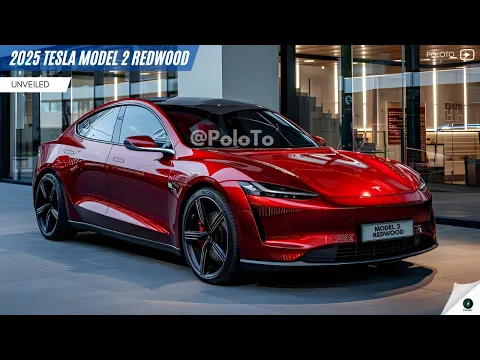
Meanwhile, Tesla, the main American competitor, is working hard on a low-cost model that could be called the Model 2, aiming to try to reclaim its position.
Expanding into new markets is also vital. BYD needs to intensify its efforts in emerging markets, as well as strengthen its presence in North America and Europe. Strategic partnerships with governments and local companies can facilitate this expansion and increase the acceptance of electric vehicles.
The company also needs to enhance its supply chain to ensure the availability of critical materials, such as lithium, and reduce costs. Vertical integration will continue to be an important differentiator, allowing greater control over production and component quality.
Focusing on sustainability is another priority. BYD should promote its products as environmental solutions, aligning with the growing global concerns about climate change and pollution.








Vamos corrigir: montadora é um termo cunhado só no Brasil. É fabricante. Embraer é montadora? Boeing ou Tesla são montadoras? Qual a palavra correspondente em inglês, francês, alemão…? Segundo lugar, a BYD vai ser a maior fabricante de veículos puramente elétricos a falir, isso sim, já que não haverá infraestrutura de transmissão e distribuição de energia elétrica para mantê-los em operação. Lembrando, tem mais tecnologia sofisticada nos carros a combustão do que nos elétricos. Portanto, nem veículos hibridos vão salvar a BYD, que não tem domínio sobre essa tecnologia.
Nossa, vc será contratado pela byd com essa sua inteligência