





 Portuguese
  English
  Spanish
  3 min of reading
  2 comments


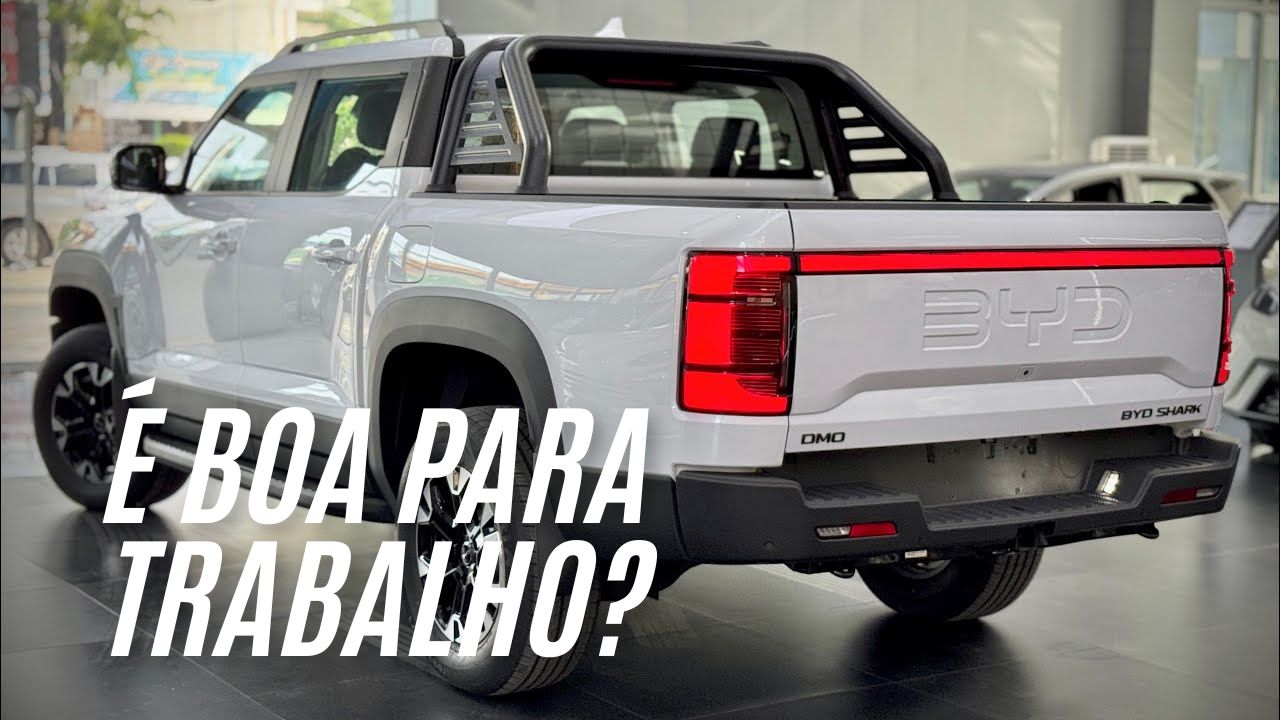


With Electric Range of Up to 100 Km, 790 Kg of Payload Capacity, and Price of R$ 379 Thousand, the BYD Shark 2025 Promises Luxury and Technology, but Falls Short in Performance as a Pickup.
The BYD Shark 2025 arrived on the market with the promise of being a game changer in the hybrid pickup segment. Equipped with cutting-edge technology and a robust design, it positions itself as an innovative vehicle. But does it deliver on all its promises? For many, the Shark is an excellent car, but it falls short as a pickup. Let’s understand the reasons behind this controversy.
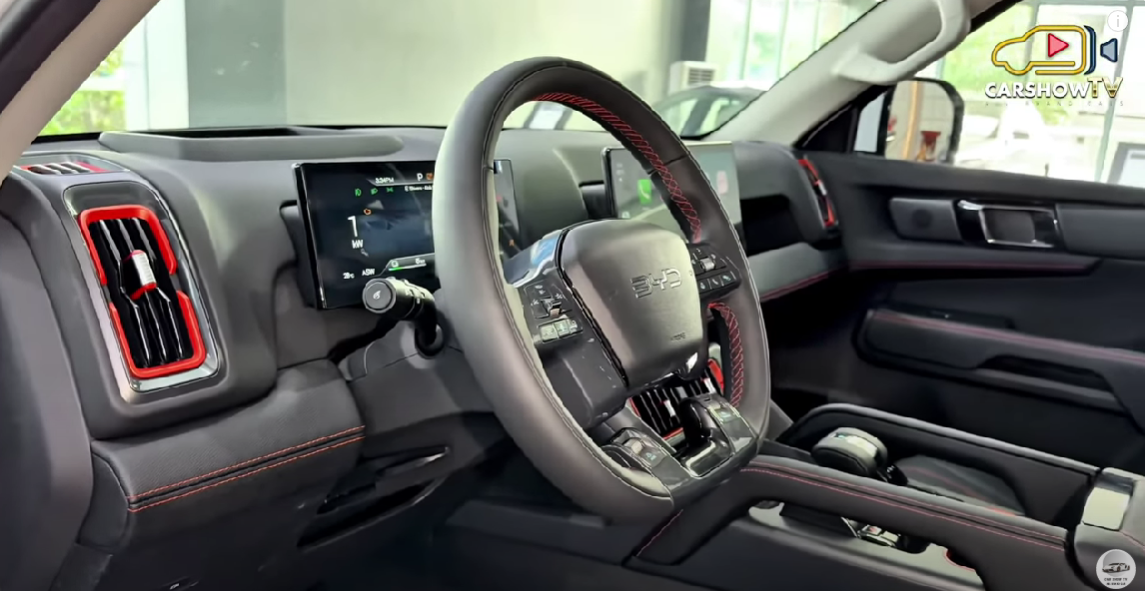
The Shark is equipped with a plug-in hybrid system that combines a 1.5 turbo gasoline engine with two electric motors, delivering a combined output of 437 horsepower. This puts it ahead of many pickups in terms of performance. The model features advanced capabilities such as autonomous driving, independent suspension, and an interior that rivals luxury SUVs.
Despite the innovations, the BYD Shark faces criticism for its limited capacity as a pickup. Its suspension, designed for comfort, is not ideal for heavy loads, and the high price puts the model in direct competition with more traditional and robust options.
-
OMODA & JAECOO grows in Europe in 2026 with an integrated strategy of sales, innovation, local production, and technological advancement in the United Kingdom, Italy, and Spain.
-
OMODA & JAECOO expands after-sales service in Brazil with competitive maintenance, a 7-year warranty, and high availability of parts for technological SUVs.
-
OMODA & JAECOO appoints Alessandra Souza as executive marketing director in Brazil and accelerates brand expansion with a focus on innovation, networking, and hybrid portfolio.

-
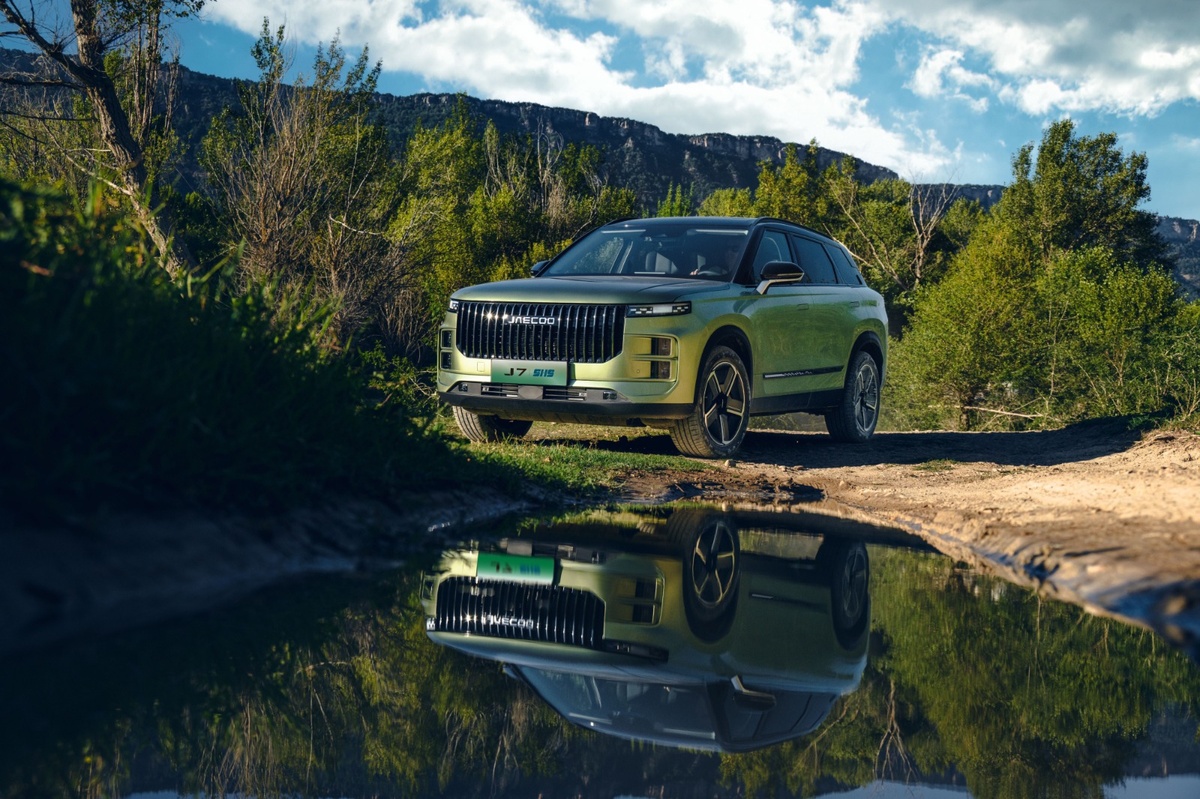
Jaecoo 7 with super hybrid SHS system exceeds 1,200 km of combined range with a 1.5 turbo engine, high-density battery, and intelligent energy management.

Design and Technology of the BYD Shark 2025
Visually, the Shark 2025 has similarities to models like the Ford F-150, but with a modern touch. The imposing front, LED headlights, and striking details give the vehicle a premium appearance. However, for some, this may seem like an “excessive inspiration” from established designs.
Technology is one of the highlights of the BYD Shark. With features such as energy regeneration, driving modes tailored for different terrains, and a rotating infotainment system, the model delivers convenience and innovation. Still, many criticize the reliance on the system for simple adjustments, such as air conditioning control.
Performance and Economy
With acceleration from 0 to 100 km/h in just 5.7 seconds, the Shark 2025 even surpasses some sports models. The all-wheel drive and the instant torque from the electric motors provide an exhilarating driving experience.
The BYD Shark promises a range of 100 km in fully electric mode, but in practice, the average is around 80 km. When used as a hybrid, the economy depends on frequent recharges. If not charged, the consumption drops to average levels, which may disappoint those seeking consistent efficiency.
Performance as a Pickup
One of the most criticized aspects of the Shark is its payload capacity. With a limit of 790 kg, it falls behind competitors like the Fiat Strada and other mid-size pickups. This is partly due to its independent suspension, which prioritizes comfort over robustness.
Traditional diesel pickups, such as the Toyota Hilux and the Ford Ranger, still dominate the market for their cost-effectiveness and reliability. The Shark, with its high price and unconventional features, is not an attractive option for those needing a heavy-duty work vehicle.
The Shark 2025 is ideal for those looking for an innovative and comfortable hybrid vehicle, but do not rely on a pickup for heavy work. It is more of a luxurious SUV with a bed than a functional pickup.









A Ranger Raptor carrega 715kg, menos ainda!!!! Sou do agro, tenho uma caminhonete a Diesel que pega muito peso e pula bastante nas deformações da pista!
Uma picape que não serve para o trabalho, não é econômica na estrada e tem preço maior que as demais, qual a sua finalidade?