





 Portuguese
  English
  Spanish
  5 min of reading
  0 comments


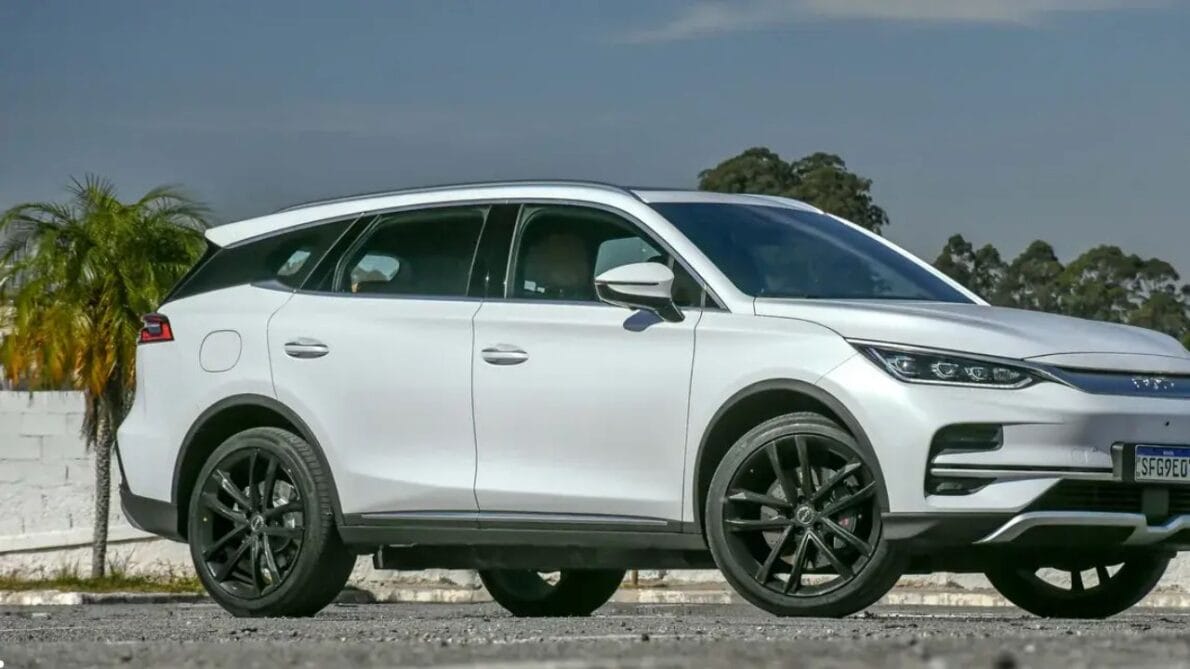
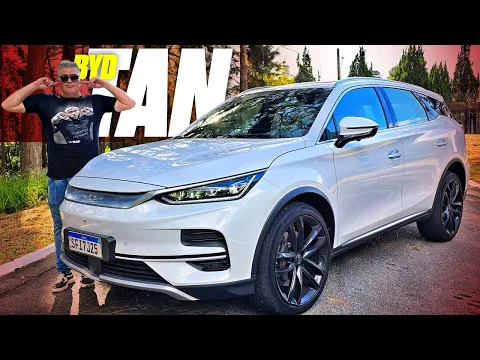
The BYD Tan 2025 Electric SUV Impresses With 517 Hp, 108.8 kWh Battery, and Promise of Ultra-Fast Charging. But Why Hasn’t Anyone Bought It?
When the BYD Tan 2025 emerged in the Brazilian market, the expectation was for a game changer for luxury electric SUVs. After all, we’re talking about a car that delivers 517 horsepower, 71.4 kgfm of torque, and a look that holds its own against high-end German SUVs. With robust lines, dynamic LED headlights, and an interior finish that blends sophistication with cutting-edge technology, the BYD Tan 2025 presents itself as a true “flagship” for the Chinese brand in Brazil.
This 2025 version underwent a subtle but necessary facelift that realigned the model with the new design of the BYD family. Additionally, the SUV has grown in dimensions, now nearly 5 meters long and with 22-inch wheels (which became 21 in the final version), maintaining an imposing presence. Inside, the leather finish, 15-inch rotating display, 360° cameras, panoramic roof, and even Dynaudio’s premium sound system reinforce the proposal of accessible luxury.
But it’s not just design that sets the BYD Tan 2025 apart. It also features an updated 108.8 kWh battery system, which gives it an estimated range of up to 465 km, according to practical tests, and an average consumption of around 4.2 km/kWh. In theory, a promising number—though in practice, not so much.
-
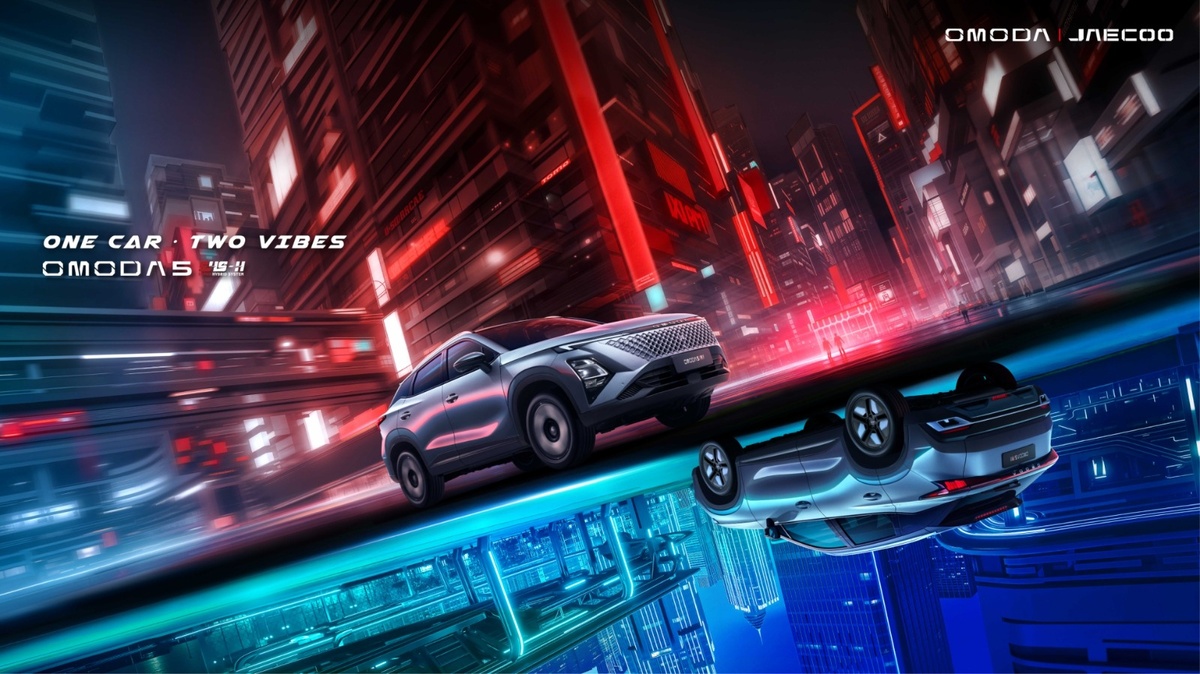
OMODA & JAECOO grows in Europe in 2026 with an integrated strategy of sales, innovation, local production, and technological advancement in the United Kingdom, Italy, and Spain.
-
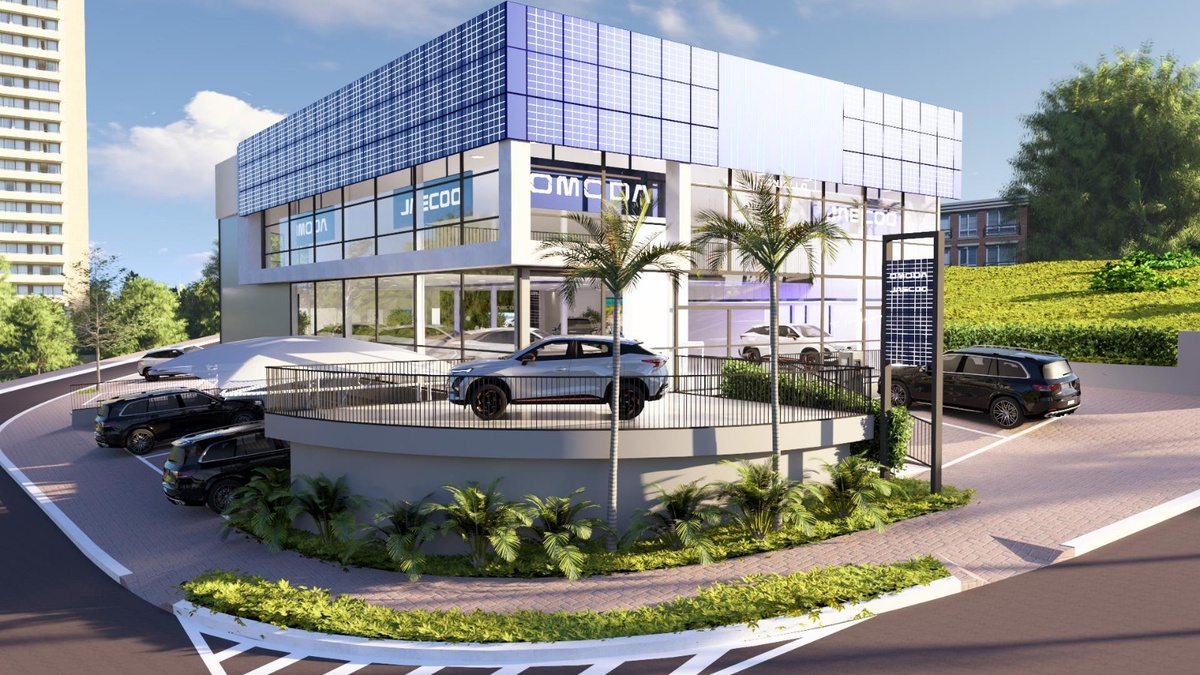
OMODA & JAECOO expands after-sales service in Brazil with competitive maintenance, a 7-year warranty, and high availability of parts for technological SUVs.
-
OMODA & JAECOO appoints Alessandra Souza as executive marketing director in Brazil and accelerates brand expansion with a focus on innovation, networking, and hybrid portfolio.

-
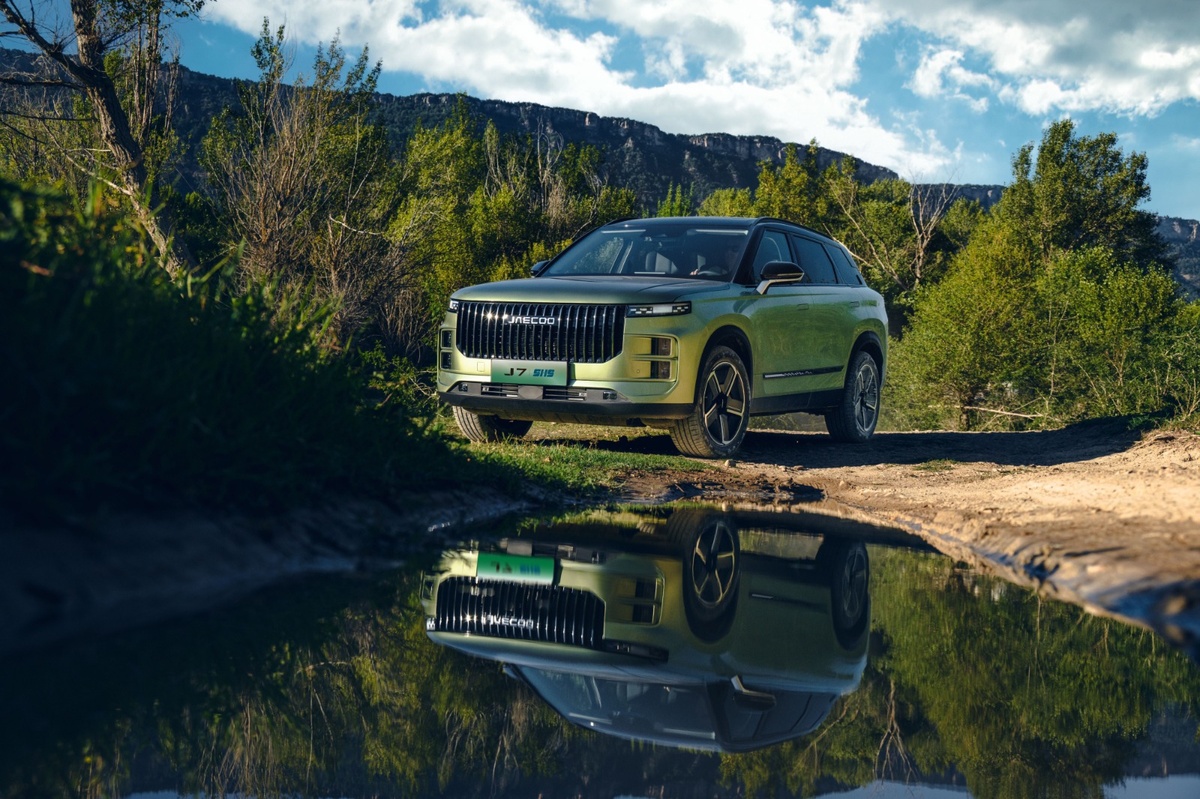
Jaecoo 7 with super hybrid SHS system exceeds 1,200 km of combined range with a 1.5 turbo engine, high-density battery, and intelligent energy management.

Consumes Electricity Like Gasoline? The (Real) Cost of Charging the BYD Tan 2025
Despite all the technology, the energy consumption of the BYD Tan 2025 is one of the most controversial points. Charging this electric SUV can cost as much as filling a gasoline tank. In a 44 kWh charge, the cost can exceed R$140, depending on the tariff of the fast charging station, which varies between R$2.40 and R$4 per kWh.
For comparison, this amount would be enough to fill 24 liters of gasoline and drive about 240 km with a combustion car. The problem is that, with this same charge, the BYD Tan 2025 only traveled 180 km. In other words, the math doesn’t add up as well as it seems at first glance.
And charging at home? It’s possible, but not practical. Using a conventional three-prong outlet, it would take about 53 hours for a full charge. Even at 11 kW AC charging stations, the time is around 10 hours, which is far from ideal for those living in a fast-paced urban environment.

6-Minute Ultra-Fast Charging: Myth or Revolution in Progress?
BYD’s major bet for the coming years is ultra-fast charging. During a recent presentation, the brand announced that its future models, including the successor to the BYD Tan 2025, could be charged with up to 1 MW of power, which, in practice, means 2 km of range per second of charging.
With this technology, an SUV like the BYD Tan 2025 could be fully recharged in just 5 to 6 minutes. This would transform the charging experience, putting electric cars on equal footing with combustion models in terms of practicality. But there’s one detail: there are currently no 1 MW stations in Brazil. The promise is for 2027.
Until then, the BYD Tan 2025 remains limited to fast charging of 170 kW, which is decent but not as revolutionary as the marketing suggests. Still, this outlook positions the SUV as a symbol of the transition to a new era of electric mobility, even if it’s not the most popular protagonist.
Premium SUV Performance, But With a Chinese Flavor
Driving the BYD Tan 2025 is a respectable experience. It goes from 0 to 100 km/h in just 5 seconds, even with its 2,630 kg weight. The all-wheel-drive system and the instant response of its two electric motors ensure vigorous accelerations and quick recoveries. Stability is also impressive, despite the sizable bulk.
However, there are criticisms. The suspension, though independent and with multi-links, is considered too stiff for Brazil’s bumpy roads. The car “feels” bumps and potholes, which may be bothersome for drivers used to smoother luxury SUVs, especially those equipped with air suspension like those from Mercedes and BMW.
If It’s So Good, Why Doesn’t It Sell? The “White Elephant” of the BYD Tan 2025 on Brazilian Streets
Despite all its attributes, the BYD Tan 2025 hasn’t appealed to Brazilians. BYD leads the electric vehicle market by a wide margin; models like Dolphin and Song are commonly seen on the streets, but the Tan has never taken off. Since its launch in 2022, it’s estimated that fewer than 500 units have been sold.
The price of R$ 537,000 is one of the main obstacles. Many consumers still don’t see the value in paying half a million for a Chinese SUV, even if it delivers more than many premium competitors. Additionally, the stigma of rapid depreciation for electric vehicles (often losing 20% in the first year) weighs on the purchasing decision.
Another point is the brand’s positioning: while cheaper BYD models sell very well by offering technology at accessible prices, the BYD Tan 2025 exists in a conflict zone—too expensive to be popular and too Chinese to be considered “premium” by many Brazilians.
The Future of Charging and the Role of the BYD Tan 2025 as a Technological Showcase
The BYD Tan 2025 may not have been made to sell. Above all, it showcases everything BYD knows how to do best: power, sophistication, connectivity, and the promise of a more practical electric future. It serves as a calling card to demonstrate that if the brand can make a luxury electric SUV with 517 hp, it can also deliver quality in models costing R$ 150,000.
And that’s the secret. The BYD Tan 2025 is the sacrificial lamb that paved the way for the models that have truly won over Brazilians. Its role is to prepare the ground for a future where, yes, it will be possible to charge 100 kWh in 6 minutes and then, perhaps, the story of the Tan will change direction.
Source: A Roda








Seja o primeiro a reagir!