





 Portuguese
  English
  Spanish
  5 min of reading
  0 comments


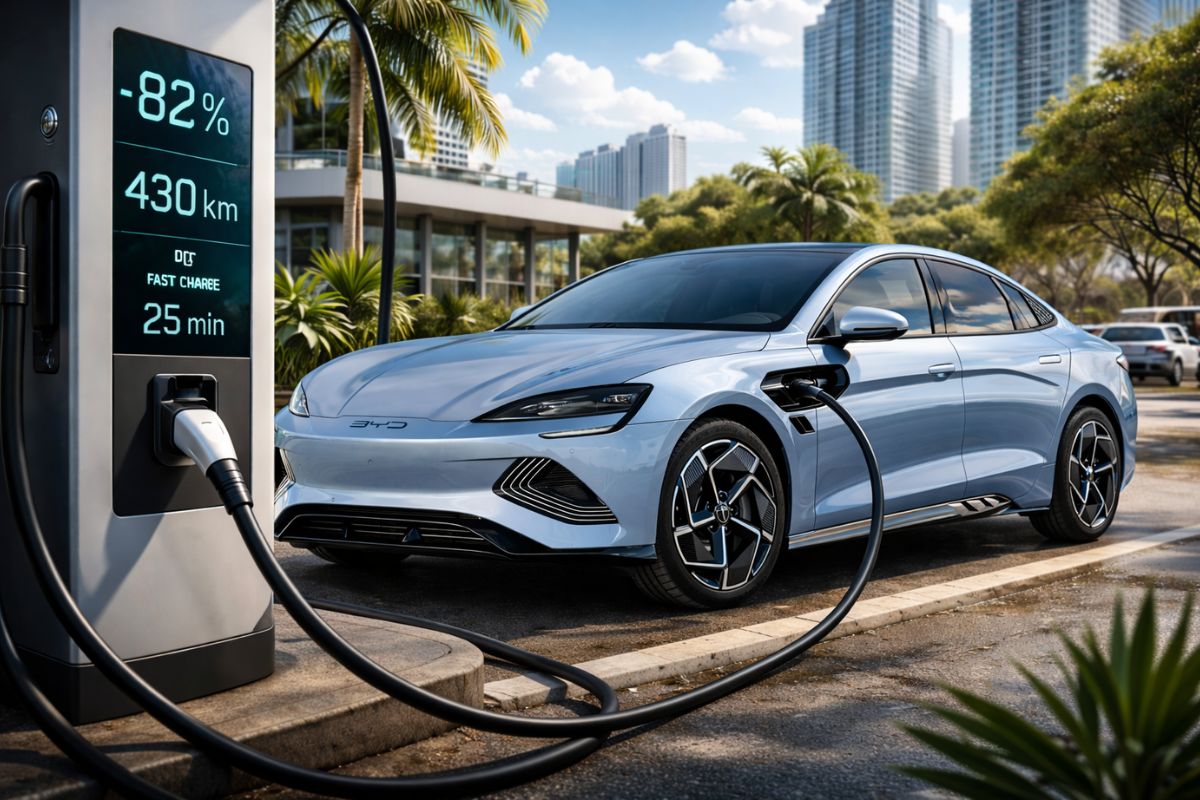
In daily use, the BYD shows how an electric car can have real range and fast charging, but the IPVA weighs heavily and the lack of a spare tire is bothersome
The BYD enters the garage with a hard-to-ignore promise: 530 hp, acceleration from 0 to 100 in 3.8 s, and a “roller coaster” feeling when you step on the pedal. However, before getting excited, there’s the other side of the package: there’s no spare tire, it relies on a repair kit and towing in some scenarios, and on top of that, the IPVA weighs heavily.
In practice, the BYD becomes a combination of extremes. It excels in comfort, finish, and silence, and hits the mark in performance. At the same time, it stumbles on simple decisions, such as unintuitive controls on the screen and makeshift solutions for things that should be basic in a car of this price.
The initial shock of the BYD: acceleration that changes your parameter

The first impact of the BYD is the delivery of power. It’s not just “going fast,” it’s accelerating in a way that feels like you’re going faster than you actually are. The torque arrives instantly, without shifting gears, and this changes the perception of safety during overtaking on the highway.
-
A dealership in the USA highlights the gap with Brazil: 2024 RAV4 for $31,000, 2022 Silverado for $32,000, and 2024 GMC 2500 diesel for $63,000, while equivalent SUVs and pickups cost much more in Brazil.

-
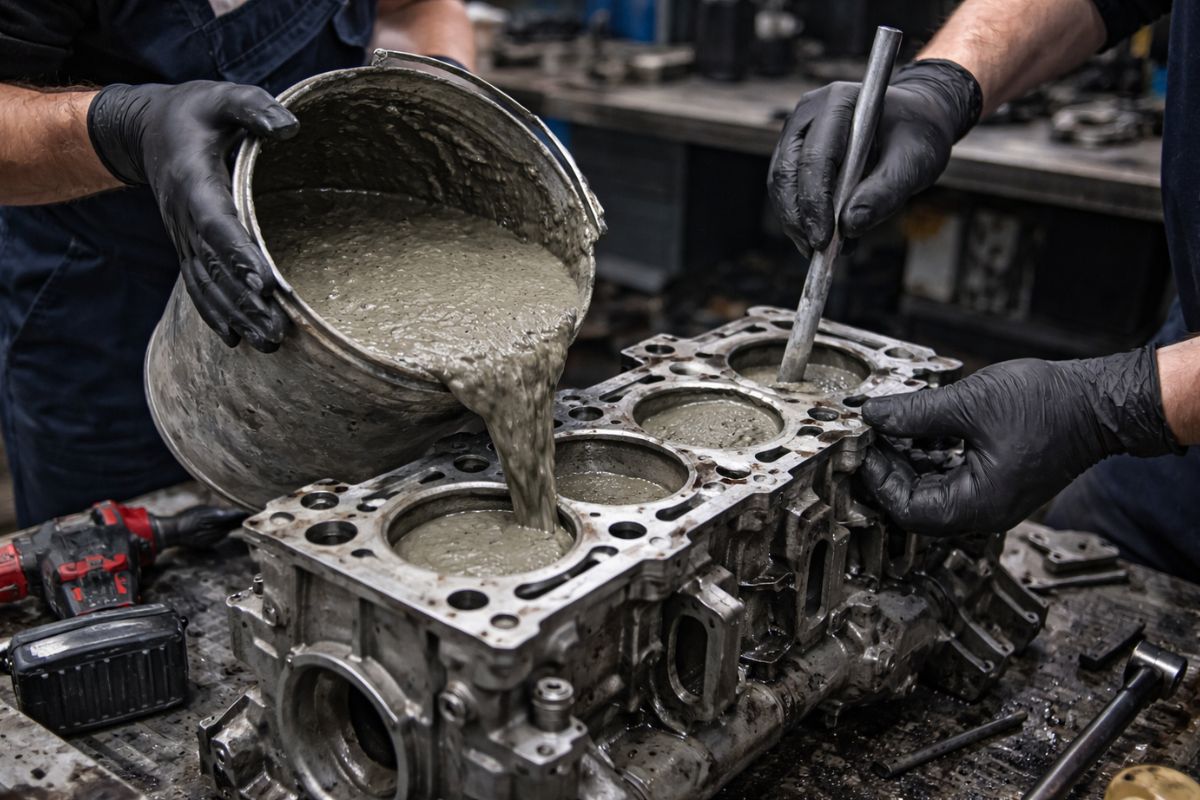
It seems crazy, but mechanics are pouring concrete inside purpose-built engine blocks, and the reason will change everything you thought you knew about high-performance engine preparation.
-
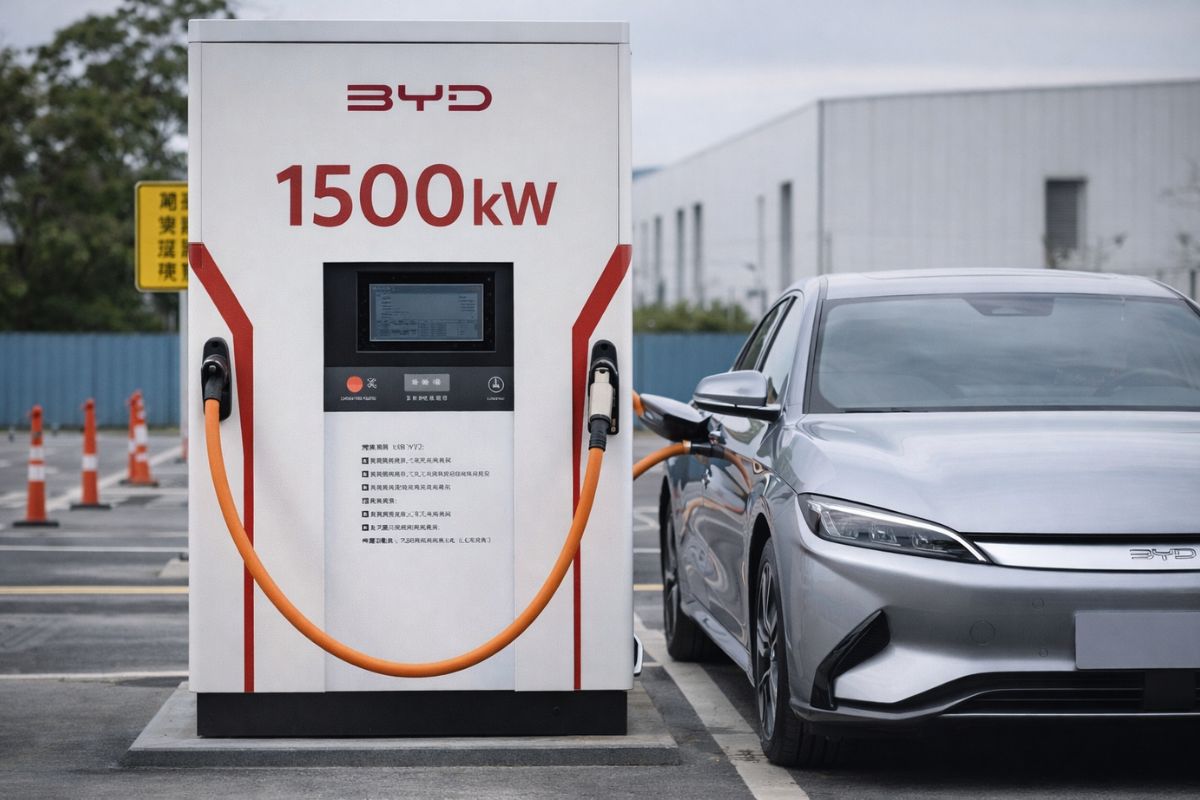
BYD was caught testing 1,500 kW chargers in China that are three times more powerful than Tesla’s, and the system promises to recharge electric cars in minutes with energy that costs less than one real per kilowatt-hour.
-
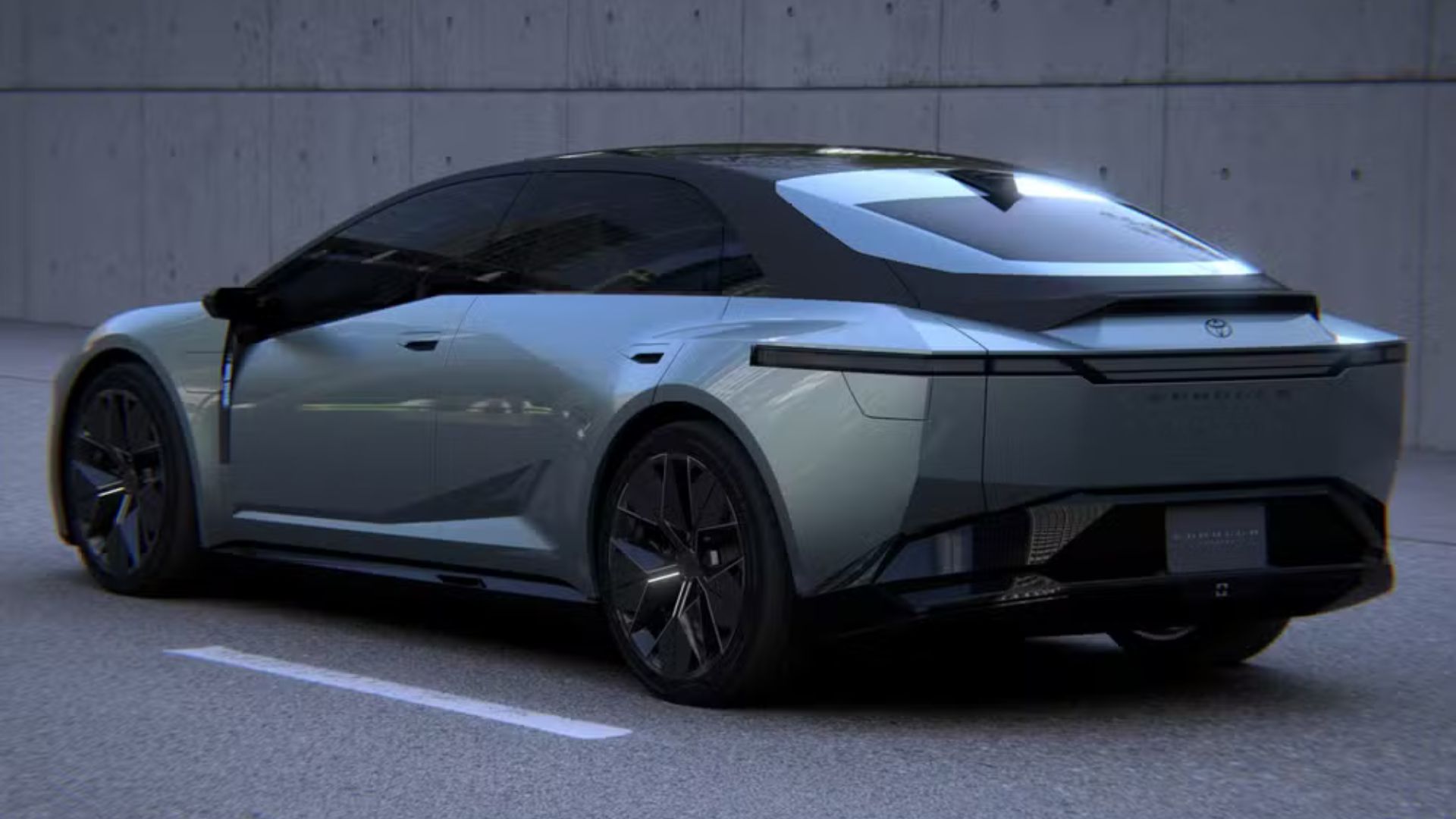
The best-selling car in history, the new Toyota Corolla will have ‘ultra-efficient’ turbo engines with up to 30% more efficiency, more powerful 1.5 and 2.0 options, support for ethanol, hydrogen, and plug-in hybrids, as well as a radical design expected for 2026.
When the 0 to 100 happens, the reaction is immediate: it’s powerful, it’s silent, and it’s easy to overdo it without realizing. And that’s where the car gains an argument that often convinces many people during the test drive.
Silence and finish: where the BYD humiliates many people
A repeated point is the absurd level of silence. The car is well sealed, with reinforced rubber and a feeling of an “isolated” cabin. This becomes a daily advantage, especially for those who are tired of noise and vibration.
In terms of finish, the perception is of a higher category. The comparison is direct with expensive cars that still use plastic in annoying spots. Here, the BYD gives the impression of being a “car from another shelf” without needing to appeal to status.
The real problem: BYD without a spare tire and the cost of the situation

The most critical point mentioned is simple and straightforward: the BYD does not have a spare tire. Instead, it comes with a repair kit with a compressor and sealant. It works for small punctures, but does not solve tears, and then the only option is towing.
The annoyance is not just technical; it’s situational. If you are in a remote place, without signal, with family in the car, relying on assistance can be a real headache. And there’s also the safety concern: buy a parallel spare tire without approval or accept the risk and the tow truck.
Beautiful panoramic roof, but with a solution that irritates

The glass roof draws attention, but the annoyance is practical: there’s visual discomfort and the solution for this is a protection that seems improvised, lacking the practicality of an integrated retractable system.
The result is that kind of detail that, in daily use, becomes a repeated “why did they do it this way?” In a car of this price, some choices seem like cost-cutting where it shouldn’t be.
Charging at home: wallbox, outlet, and what changes in routine
The BYD enters another logic of refueling. With a wallbox, it charges at a higher power, but requires electrical structure, grounding, and circuit breakers. The comparison used is clear: it’s like having a “7 kW shower” running for hours.
On the other hand, the lower power portable charger is slower, but plays an important role: it’s a makeshift solution at beach houses and in places where you stay for a few days. You don’t gain speed, but you don’t run out of alternatives.
Fast charging: real time, 20% to 80% and the logic of 80%
In fast charging, the described experience reinforces a known pattern: up to 80% it goes well, then it slows down. The charging from 20% to 80% appears to take around 20 to 25 minutes, and the final stretch to 100% tends to take longer, “just like a cellphone.”
This changes the way to plan a trip. The logic becomes: stop, have a coffee, and continue. And when there’s infrastructure in the area, the waiting time becomes part of the itinerary, not a drama.
Real range of the BYD: the practical account that comes close to 430 km
The range is estimated based on the average consumption cited of 21 kWh per 100 km and a battery around 82 kWh, leading to a projection of about 400 km, with the observation that in real life you can comfortably achieve around 430 km, especially on the highway, depending on usage.
In other words, the BYD is not just about catalog numbers. It delivers a range that makes sense for the daily life of those who drive a lot, as long as the person learns to use and plan for charging.
Costs and “traps”: insurance ok, high IPVA


In terms of insurance, the reported experience is of a value close to that of a combustion car of equivalent price. The shock comes with the tax: in Minas Gerais, a 4% IPVA is mentioned, with something like “10 thousand” in IPVA, and the complaint of lack of incentives for pure electric vehicles.
This point weighs because it’s an unavoidable annual cost. The BYD may be silent and powerful, but the tax is not silent.
Financing, in cash and the account that few people do
The report delves into the math: there’s an offer with a down payment of 161,994 and 36 installments around 3,100, and the thesis is that “paying in cash is not always better” depending on the opportunity cost. It compares the Selic scenario and calculates a cutoff point of 10.64% per year for financing to make sense.
Here, the message is less about “car” and more about financial decision-making. The BYD appears as a purchase that can be rational if the person does the math on interest, discounts, and liquidity, not just emotion.
Technology and interface: big hits and small irritations
The BYD brings features that delight, such as watch unlocking, NFC, app, 360 camera, and driving assistance systems, with lane reading and adaptive control.
But it also irritates in simple things, like air conditioning controls hidden in menus and an excess of functions that seem more “for show” than for use.
The summary is straightforward: the technology is there, but it’s not always in the most practical way.
Quick question for you to comment: with all this on the table, would you buy a BYD for the performance and range package, or would the lack of a spare tire and high IPVA make you give up?








Seja o primeiro a reagir!