





 Portuguese
  English
  Spanish
  3 min of reading
  0 comments


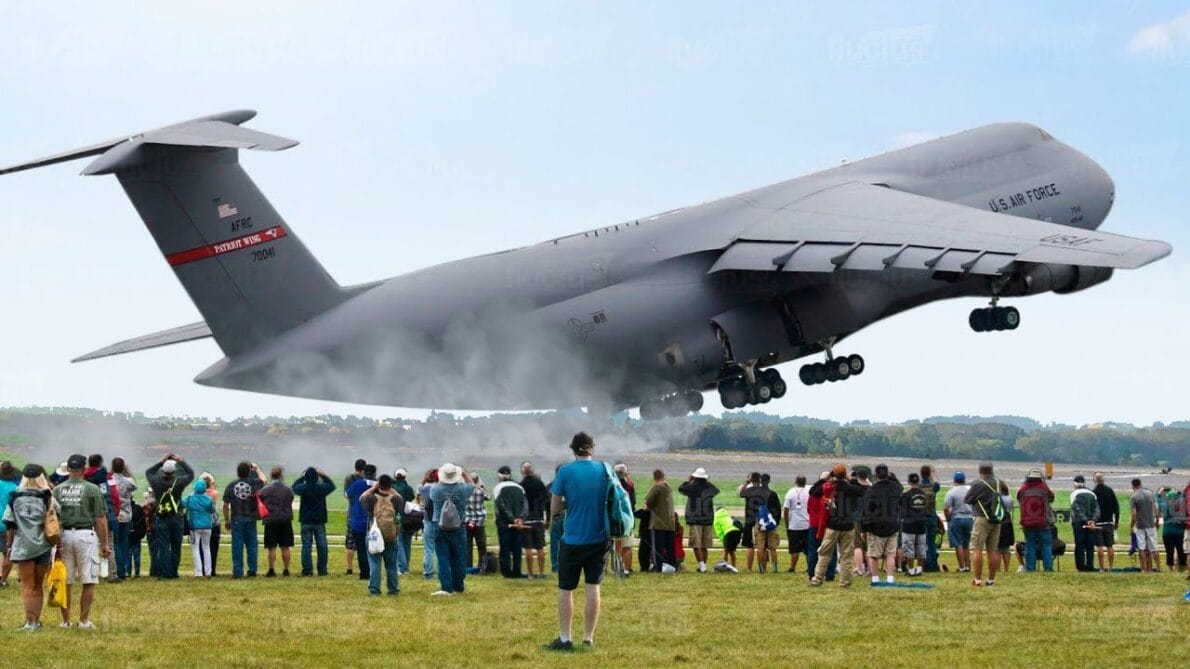
The Largest Airplane In The US, The Lockheed C5 Galaxy, Requires A Colossal Amount Of Energy To Take Off, Due To Its Impressive Size And Cargo Capacity. Discover Amazing Details About This Giant Of The Skies, Its Specifications And How Its Powerful Engines Ensure Performance.
Introduced in the Late 1960s, The Lockheed C5 Galaxy Remains The Largest Military Transport Aircraft In Service Today. Designed To Carry Larger Cargo Over Longer Distances, The C5 Has An Impressive Maximum Takeoff Weight Of 840,000 Pounds (Approximately 381 Tons). With A Cargo Compartment Measuring 121 Feet Long, 19 Feet Wide, And Over 13 Feet High, It Can Carry Up To 36 Pallets, Two Abrams Battle Tanks, And Up To Three Chinook Helicopters.
Measuring 247 Feet Long And With A Wingspan Of 222 Feet, Even When Empty, The Largest Airplane In The US Weighs 380,000 Pounds (172,365 Kilos). Of Course, Such A Large And Powerful Aircraft Requires Equally Powerful Engines To Fulfill Its Purpose. The Secret To The Enormous Amount Of Energy Needed For The C5 Lies In The General Electric F-138-100 Turbofan Engines Onboard. Each Of These High-Bypass Engines Can Produce 23,133 Kilos Of Thrust, More Than Three Times The Power Produced By A Single F-16 Falcon.
One Of The Largest Jet Engine Overhaul Facilities By GE Is Located In Brazil

These Gigantic Engines, Measuring About 15 Feet In Length And Nearly Nine Feet In Diameter, Operate At Such A High Level That They Require Constant Maintenance To Ensure Proper Functioning. The Maintenance Technicians Assigned To Each C5 Are Extremely Well Trained, But Many Important Decisions Regarding These Units Are Made At The General Electric Factory.
-
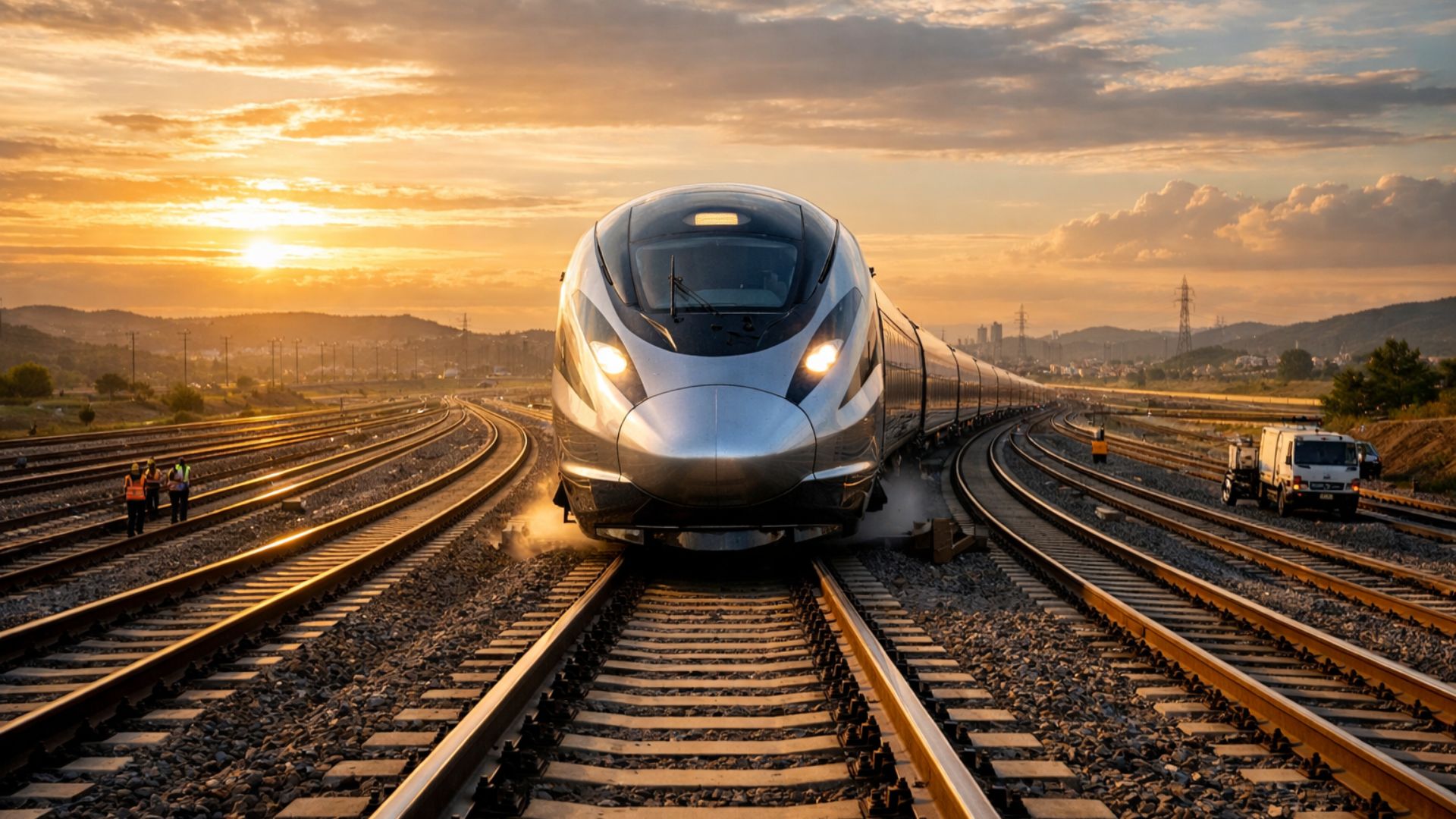
São Paulo surprises the world with a colossal railway network project that promises over 1,000 km of tracks, R$ 194 billion in investments, and 40 projects connecting the capital to the interior with fast and sustainable trains.
-
The world’s largest escalator, measuring 905 meters in China, reduces urban travel time from 1 hour to about 20 minutes and transforms mobility in mountainous regions with an engineering solution adapted to the terrain.

-
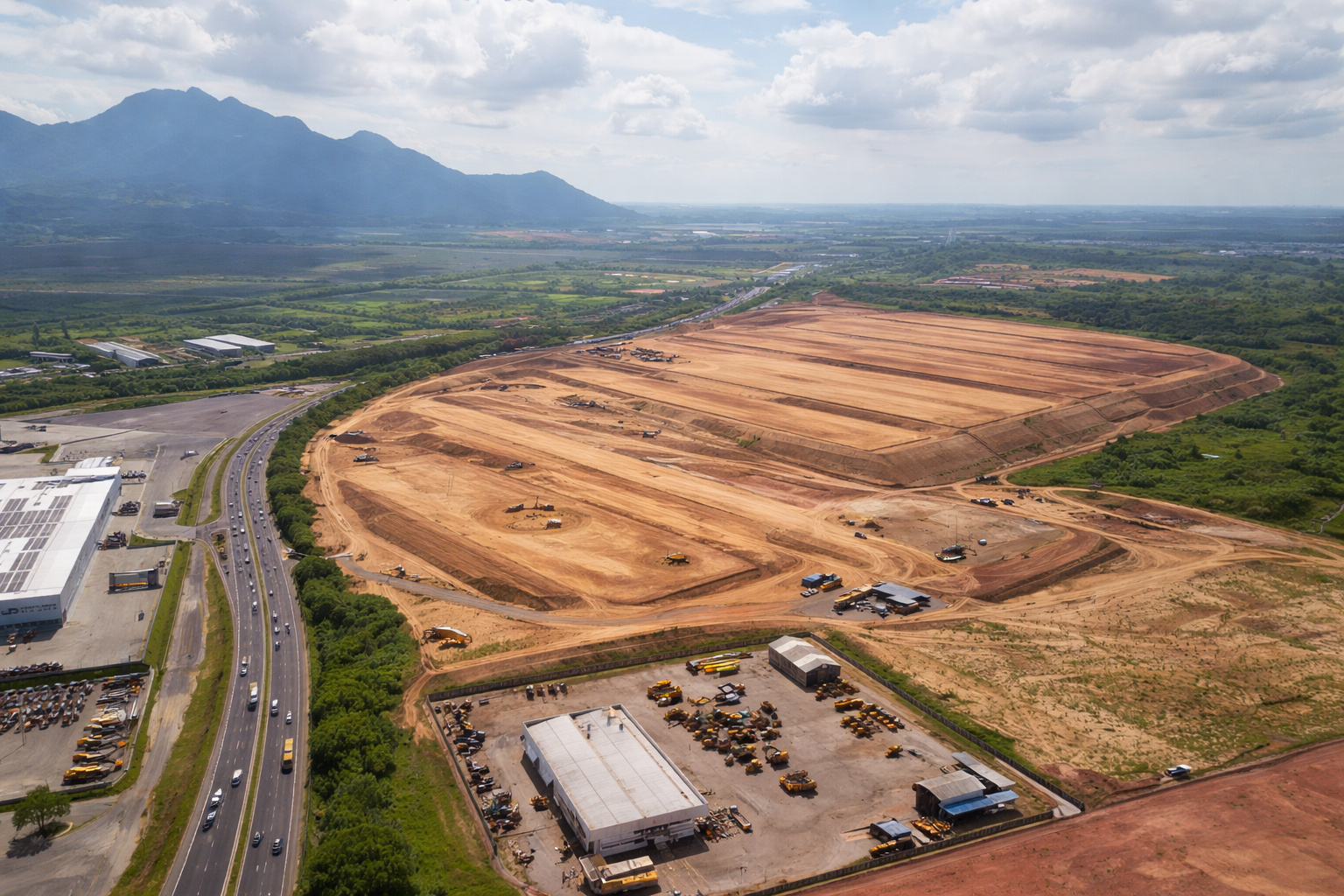
A R$ 300 million logistics giant is taking shape in Serra with over 100,000 m² and raises a question: how can this transform e-commerce and distribution in the state?
-
Could Uber Rides Lose Minimum Fare? Understand What’s Happening!

One Of The Largest Jet Engine Overhaul Facilities By GE Is Located In Brazil, Where About 300 Engines From Various Customers Are Overhauled Annually. Each Engine Has An Operating Cycle That Can Range Between 2,500 And 15,000 Takeoffs And Landings, And Once This Point Is Reached, The Engine Is Removed And Sent To The Brazilian Facility.
In Addition To The Engines, One Of The Most Impressive Innovations Of The C5 Galaxy Is The Front Door, Which Allows The Entire Nose Section To Lift Above The Cockpit, Significantly Increasing Cargo Space. The Cockpit Of The C5 Galaxy, Located On The Upper Deck, Is Large Enough To Accommodate Two Pilots And A Flight Engineer, With Huge Windows That Provide Excellent Visibility During Takeoff And Landing. The Cockpit Features Various Advanced Avionics And Flight Management Systems, Including A Flight Management System, Digital Autopilot, And Satellite Navigation Systems.
Even With Over 50 Years Of Age, Most Operational Versions Of The C5 Have Undergone Extensive Upgrades To Ensure The Aircraft Remains Compatible With Modern Military Requirements
An Aircraft The Size And Weight Of The C5 Galaxy Requires An Exceptional Landing Gear System. Engineers Provided The Aircraft With Five Sets Of Landing Gear, With Four Of The Rear Struts Placed Near The Outside Of The Fuselage, Maximizing Stability During Takeoff And Landing, Especially When The Aircraft Is Loaded To Capacity.
With 28 Tires Measuring Four Feet In Diameter, The Largest Airplane In The US May Require A Runway Of At Least 8,000 Feet To Take Off, Which Can Extend Up To 11,000 Feet In High Altitude And Heat Conditions, Or On Wet Or Icy Runways. Despite Its Age, The C5 Galaxy Continues To Undergo Regular Testing And Capability Exercises, Demonstrating That It Can Even Move Backward Using Its Own Engines, Something Most Airplanes Do Not Do.
The C5 Galaxy, With An Estimated Range Of 8,890 Kilometers Carrying 122,470 Kilos Of Payload, Can Have This Range Extended With Aerial Refueling. Despite Its Impressive Capacity, It Is Not The Only Large Cargo Aircraft In Operation Worldwide, Being Comparable To The Antonov AN-124 And The Airbus Beluga, Both Also Giants Of The Skies With Unique Capabilities.









-

Uma pessoa reagiu a isso.