





 English
  Francês
  Alemão
  Italiano
  Japonês
  Norueguês
  Portuguese
  Spanish
  3 min of reading


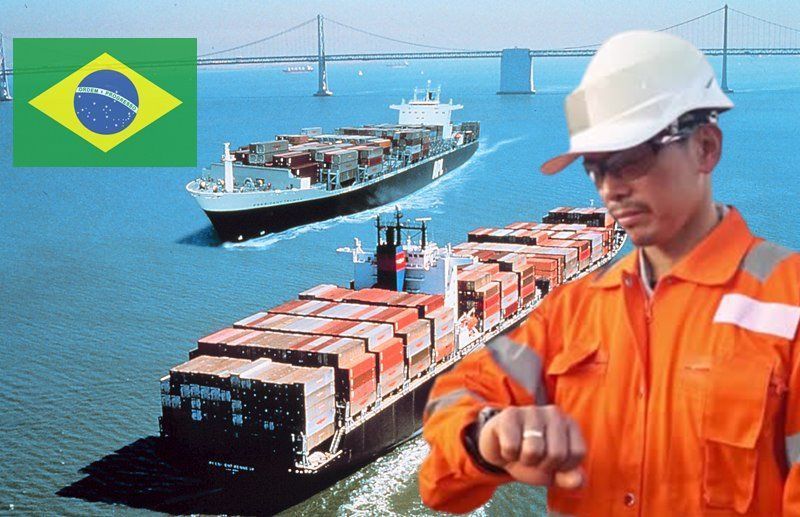
The New Bill Signed by the Federal Government and Sent to Congress Aims to Favor Cabotage with Tax Reductions, in Addition to Increasing Demand for Ships Navigating the Brazilian Coast. But the Requirement to Hire 2/3 of National Labor Divides Opinions Among Shipowners
On August 11, the Brazilian maritime sector had a positive glimpse into cabotage. The Federal Government signed and sent to the National Congress the much-discussed bill, called “BR do Mar”, which aims to stimulate job creation, increase port operations along our coast, maximize ship flow, and reduce bureaucracy / lower taxes. However, the requirement to hire 2/3 of the crew from Brazil for each vessel became one of the trending topics on a corporate social media platform last Monday. Watch the signing video here.
Brazilian Crews Are Expensive, International Shipowners Prefer to Fill Their Ships with Filipinos and Indians
A relevant and favorable factor for national cabotage is that we have large Brazilian shipowners operating vessels and already transporting cargo along our coast, some of which have 100% national crews. Examples of some well-known companies
- Aliança Navegação e Logística Ltda.
- Companhia de Navegação Norsul
- Flumar Transp. de Químicos e Gases Ltda
- Hidrovias do Brasil – Cabotagem Ltda.
- Log-In Logística Intermodal S.A
- Mercosul Line Navegação e Logística Ltda
- NorsulCargo Navegação S/A (Grupo Norsul)
The issue is that the international market has a preference for certain nationalities: Filipinos and Indians who are mostly assigned to the crew. The main reason believe it or not is not just cost reduction as their salaries are similar to ours. The fact is that their contracts do not incur the same burdens that we Brazilians have, as they are terminated after each discharge, unlike our CLT, which becomes indefinite after 90 days.
-
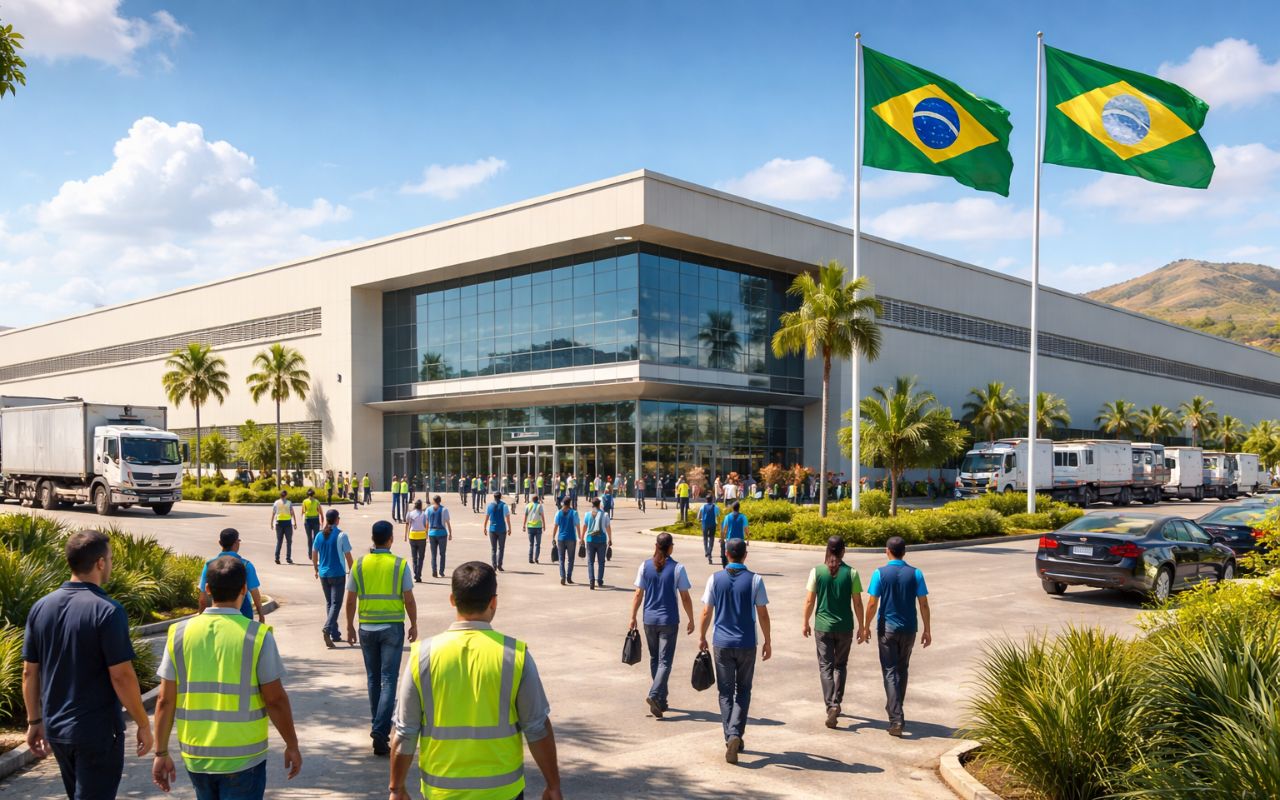
New shoe factory in Ceará is expected to create 400 jobs and strengthen the local economy.
-
No one imagined it, but a mixture of sawdust with a mineral that fights fires surprises scientists with a result that changes the course of fire-resistant construction.

-
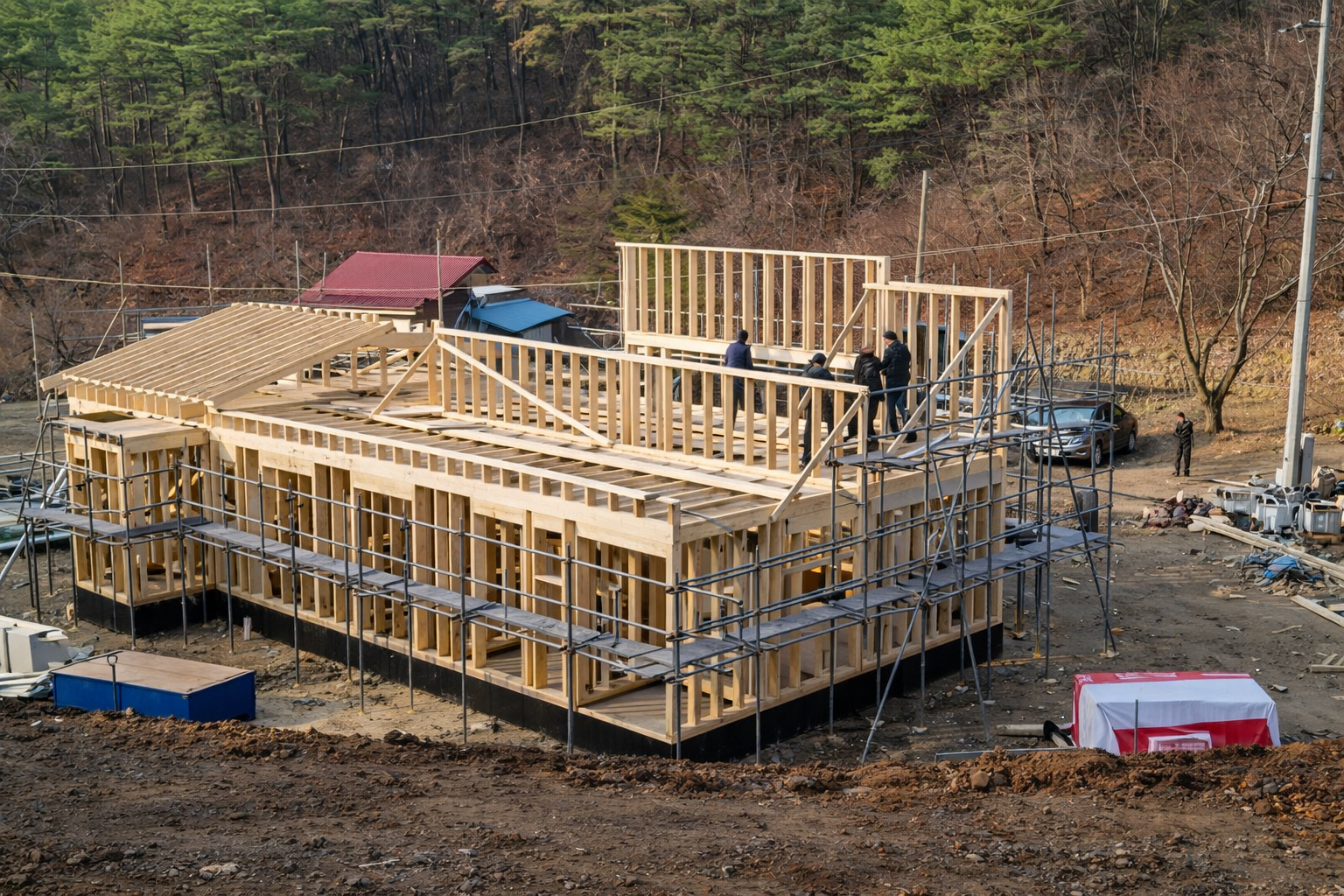
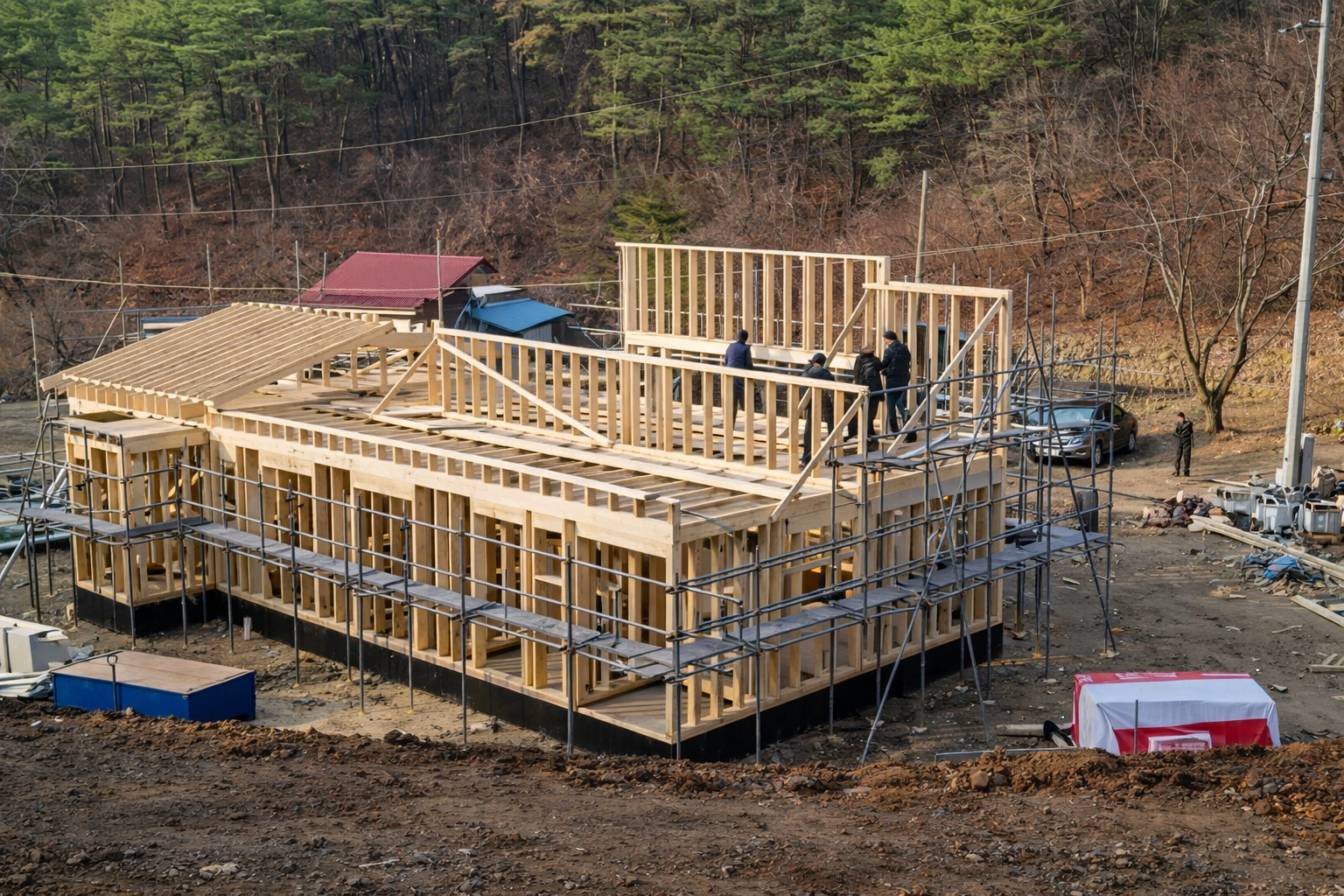
From empty land to a high-end house, wooden construction uses a lightweight system, metal structure for the foundation, ventilated ceramic cladding, and special windows to create an efficient and comfortable living space throughout the year.
-
From vacant land to a high-end house, wooden construction uses a lightweight system, a metal structure for support, ventilated ceramic cladding, and special windows to create an efficient and comfortable living space throughout the year.

For them, there is no contract termination if the company no longer wants the crew member to embark; they simply do not embark anymore. Moreover, they are many in all roles, meaning they are extremely dependent on the company and their job, as there is no guarantee of returning to board.
Filipinos and Indians work on long-haul ships and cabotage from other countries, as they usually do not have jobs in their own, and they are unlikely to complain about working conditions, salaries, etc. Poles and Norwegians hold supervisory positions on ships due to their operational experience, making it rare for other nationalities to get promoted on board. Without obligation, it is virtually impossible to place Brazilians on board as there is no advantage for the shipowner.
But Is the BR do Mar Good or Bad for Brazilian Cabotage?
For Brazilian seafarers, 2/3 of the crew is great, but for companies it is “a headache” due to potential and indirect profit reduction, which poses a dilemma. Even with international contracts, this requirement still does not please shipowners, as it breaks the taboo of preferred nationalities. Shipowners will have to maintain hygiene, food, salary, training, and good practices, which they will not be very pleased about.
It is easier to operate a “pirate” ship by international standards (except for some rare exceptions) than to deal with complaints to the Ministry of Labor and Federal Police about lack of food, salaries, and conditions on board. Is it impossible to have cabotage with Brazilians on board? No! Is it more work? Yes! Several national-flag companies operate without issues and are profitable.
Read Also
- Learn how logistical cabotage works in Brazil
- Job openings in logistics and cabotage companies to work in Rio de Janeiro, Espírito Santo, and Manaus
Considerations by Wendell Torres, Second Engineer










Seja o primeiro a reagir!