





 Portuguese
  English
  Spanish
  4 min of reading
  0 comments


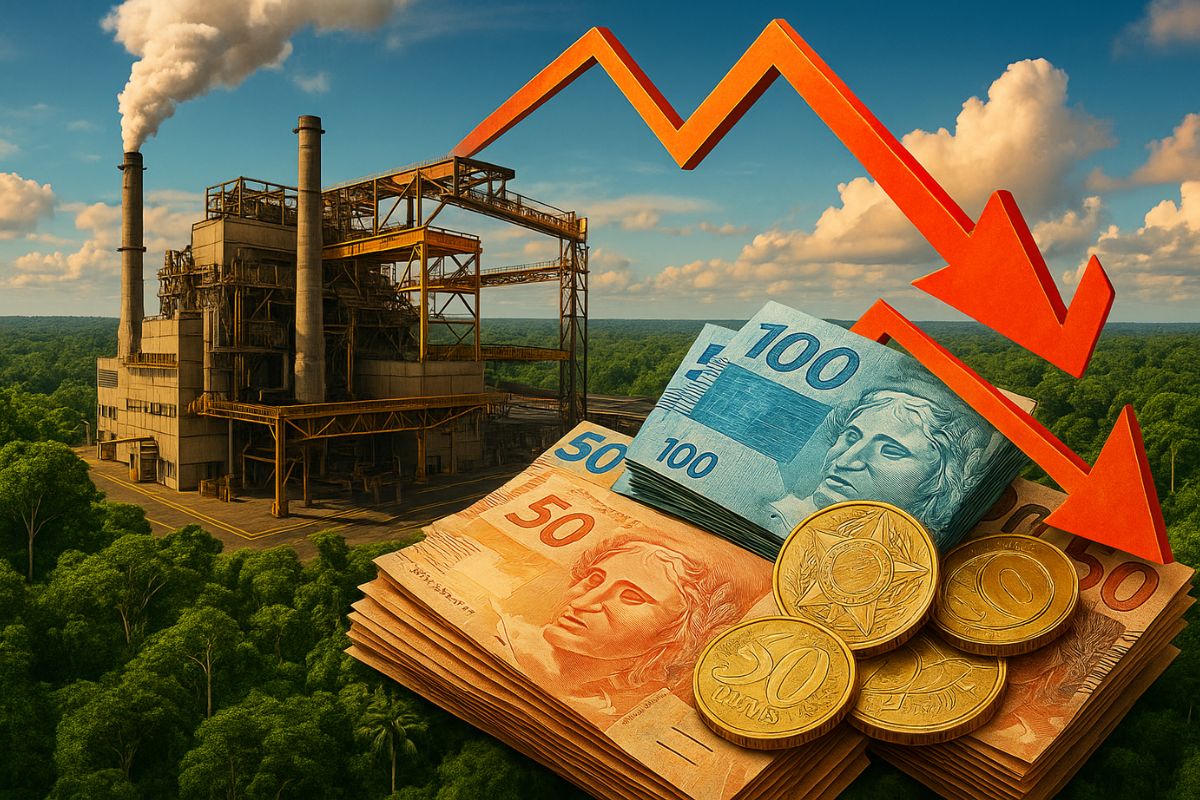
How Tax Incentives Created Nearly 60 Years Ago Affect Your Pocket and Prevent Tax Reduction in the Country
The Free Trade Zone of Manaus is marketed as a development engine for the Amazon, but in practice it has become one of the biggest economic bottlenecks in Brazil. Created in 1967, it exempts companies from various taxes to attract factories to the middle of the forest — but the cost of this policy is paid by all Brazilians, who face more expensive products and higher taxes.
Even with tax benefits that have already exceeded R$ 20 billion per year, the model has not generated innovation, international competitiveness, or infrastructure that justifies its continuation. The result is a system that protects few and harms many, maintaining distortions that stifle the national economy.
Origin And Expansion Of A Privilege
The Free Trade Zone was established by Decree-Law No. 288, during the military dictatorship, with the aim of occupying the Amazon through tax incentives. The location — thousands of kilometers from major centers — imposed high logistical costs from the beginning, offset by reductions of up to 88% in import tax, total exemption from IPI, PIS/Cofins, and land almost for free.
-
Oil surged to $115 a barrel due to the war in the Middle East, and diesel in Brazil has already risen to R$ 7.45 per liter, while the United States…

-
Brazilian city bets on the business environment to generate jobs and attract investments in the energy sector — secretary reveals strategy at Macaé Energy 2026.
-
50 viaducts, 4 tunnels, 28 bridges, and 40 kilometers of bike paths: BR-262 in Espírito Santo will receive 8.6 billion reais for the largest engineering project in the state’s history, inspired by the Immigrant Highway in São Paulo.

-
Brazil produces too much clean energy and doesn’t know what to do with it: over 20% of solar and wind capacity was wasted in 2025 while investors flee and 509 renewable generation projects were abandoned in the last year.


What was supposed to last a few decades has already been extended until 2073, consolidating a hundred-year tax privilege. The problem is that the model does not require export targets, innovation, or efficiency. Companies set up only to take advantage of the incentives, with no commitment to stay if they end.
Billion-Dollar Cost And Limited Return
Between 2004 and 2014, tax waivers jumped from R$ 5.5 billion to R$ 24.3 billion annually. On average, this represents R$ 250,000 per year for each formal job created in the region. Nonetheless, Amazonas’ GDP did not grow proportionally, and the interior of the state remains with low economic activity.
The majority of jobs are low-skilled and have modest salaries. A study by the Catholic University of Brasília showed that, for every additional R$ 1 billion in production, the average salary increases by only R$ 0.90 — very little given the benefit granted.
The Weight Of Logistics
Producing in Manaus means facing transportation costs that are much higher. A TV made in São Paulo reaches the market in 6 hours; the same TV produced in Manaus takes 10 days. This creates a vicious cycle: high costs lead to more incentives, and more incentives reduce the pressure for efficiency.
Furthermore, wealth remains concentrated in the capital, while the interior remains marginalized. Without the incentives, most companies would leave the city immediately, revealing the artificial dependence of the model.
How The Free Trade Zone Prevents Tax Reduction In Brazil
The FTZ is not just a regional problem: it hinders any attempt to simplify the national tax system. Whenever there is a proposal to reduce import taxes or simplify taxes, the Free Trade Zone lobby reacts.
This is because its competitiveness relies on high taxes elsewhere in the country. If everyone paid less tax, Manaus would lose its artificial advantage.
Examples abound:
- 2017 – A proposal to exempt video game consoles was blocked to protect 500 jobs in the FTZ, even with an estimated cost of only R$ 50 million.
- Green Mobility – Bicycles produced outside Manaus went without incentives, harming 9,000 jobs across the country to protect 900 in the FTZ.
- Coca-Cola – Received a subsidy to manufacture soda in the region, unfairly competing with factories throughout Brazil.
Impacts On Consumers And Industry
Products manufactured in the Free Trade Zone often cost more than imported products, even with total tax exemption. Inefficient logistics and a lack of global competitiveness prevent Brazilian consumers from accessing lower prices.
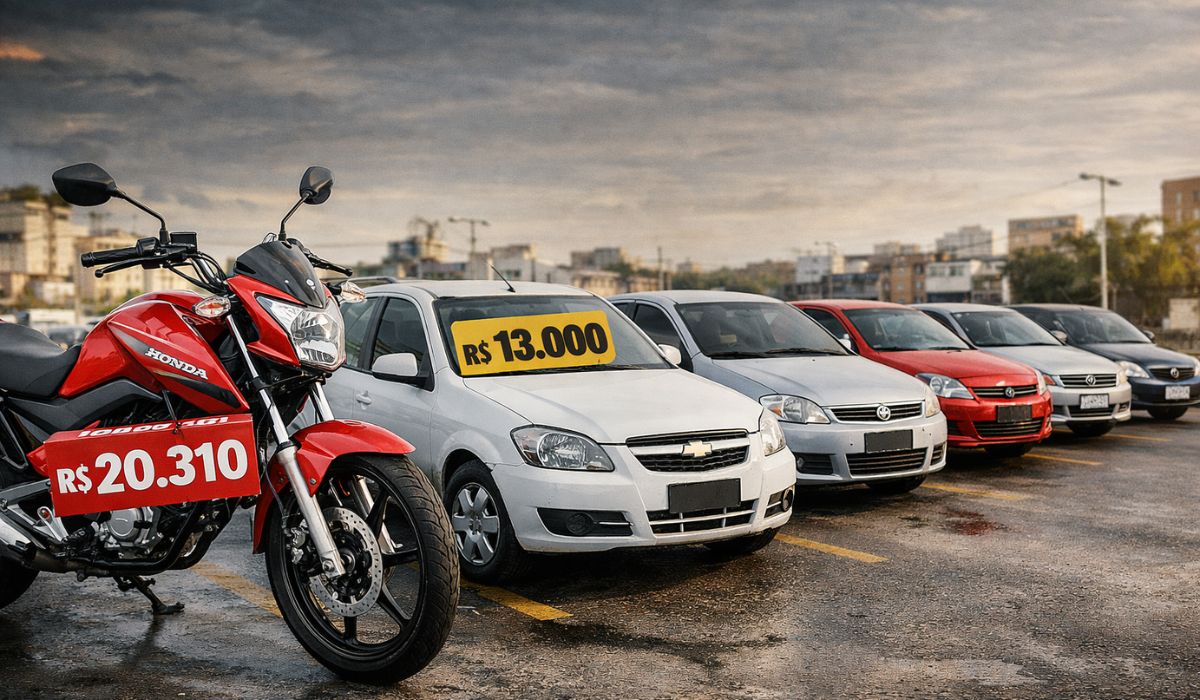
The model also distorts production chains. Motorcycles, for example, travel thousands of kilometers between ports and highways to be assembled in Manaus and then sold in the Southeast — an economic nonsense made possible only by tax incentives.
Why The Model Persists
The Free Trade Zone survives because it benefits a small, organized group — companies, local politicians, and workers in the industrial hub. The harmed ones, millions of consumers scattered across the country, do not mobilize politically.
Large multinationals, such as Samsung, LG, Coca-Cola, and Ambev, also have an interest in maintaining the system, which guarantees higher profit margins in Brazil. The narrative that Manaus would “die” without the FTZ is used to block any proposals for change or transition.
What Is At Stake
Maintaining the model means perpetuating a system that concentrates income, raises product prices, and prevents Brazil from advancing toward a more efficient and competitive market. Meanwhile, alternatives for the development of the Amazon — such as sustainable tourism, bioeconomy, and technology — continue to have no space to thrive.
Do you believe that the Free Trade Zone of Manaus is still necessary or has it become an obstacle to Brazil’s development? How to balance regional protection and national competitiveness? Leave your opinion in the comments — we want to hear from those who live this reality in practice.







Seja o primeiro a reagir!