





 Portuguese
  English
  Spanish
  3 min of reading
  0 comments


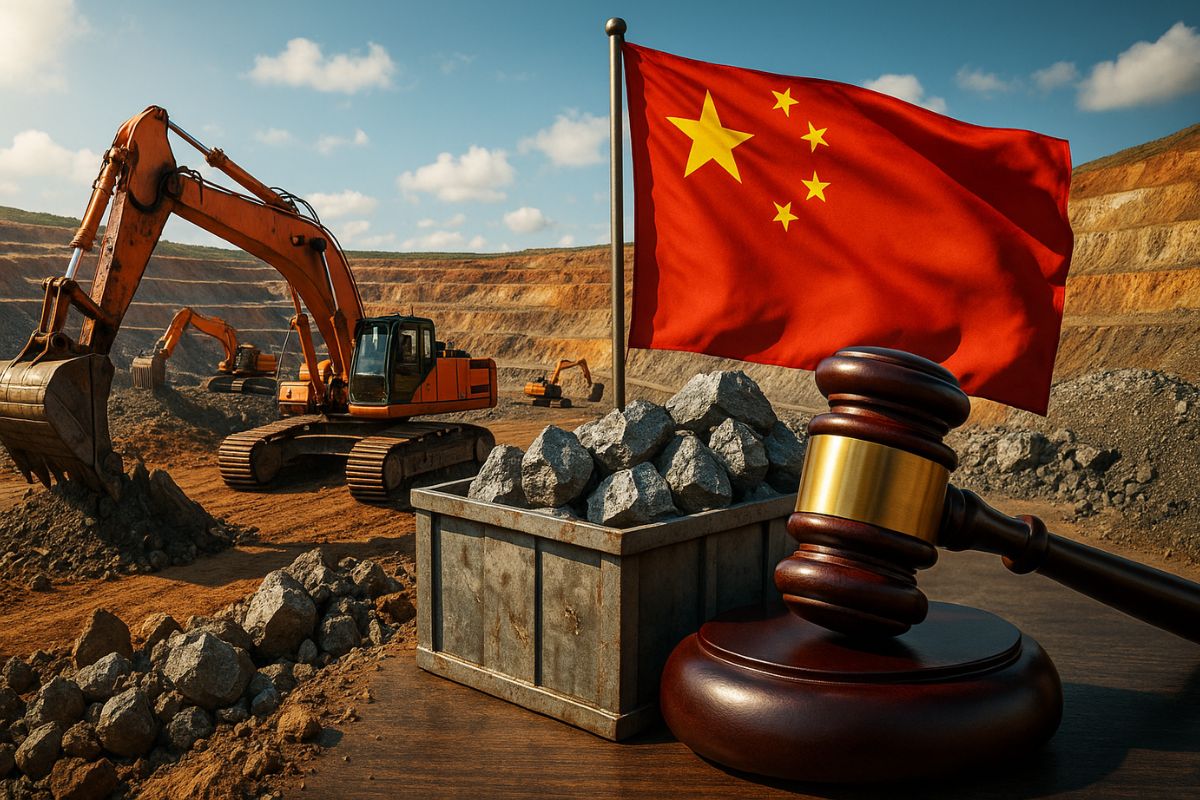
Cade Opens Investigation Into Sale Of Anglo American Mines In Brazil To Chinese State-Owned Company. Brazilian Antitrust Authority Investigates Whether The Sale Of Anglo American Mines In Brazil To A Chinese State-Owned Company Could Affect Competition And The Security Of The Supply Of Critical Minerals.
The Administrative Council for Economic Defense (Cade) announced the opening of an investigation into the sale of Anglo American mines in Brazil to a Chinese state-owned company. The operation, valued at around US$ 500 million (R$ 2.7 billion), involves the transfer of assets from the British mining company to MMG Limited, an Australian company controlled by China Minmetals Corporation, the state arm of China.
According to Estadão, the investigation is taking place within an Administrative Procedure for the Investigation of Economic Concentration Act (APAC), a format used when the agency identifies a risk to competition, even if the operation is not subject to mandatory notification.
Why The Sale Concerns Authorities And Companies
The negotiation has gained international attention because China already holds a prominent position in the global strategic minerals exploration. If completed, the sale of Anglo American mines in Brazil to a Chinese state-owned company would give the Asian country greater control over Brazilian nickel, an essential resource for electric vehicle batteries, wind turbines, solar panels, and semiconductors.
-
Larger than entire cities in Brazil: BYD is building a 4.6 km² complex in Bahia with a capacity for 600,000 vehicles per year, but the discovery of 163 workers in conditions analogous to slavery has shaken the entire project.

-
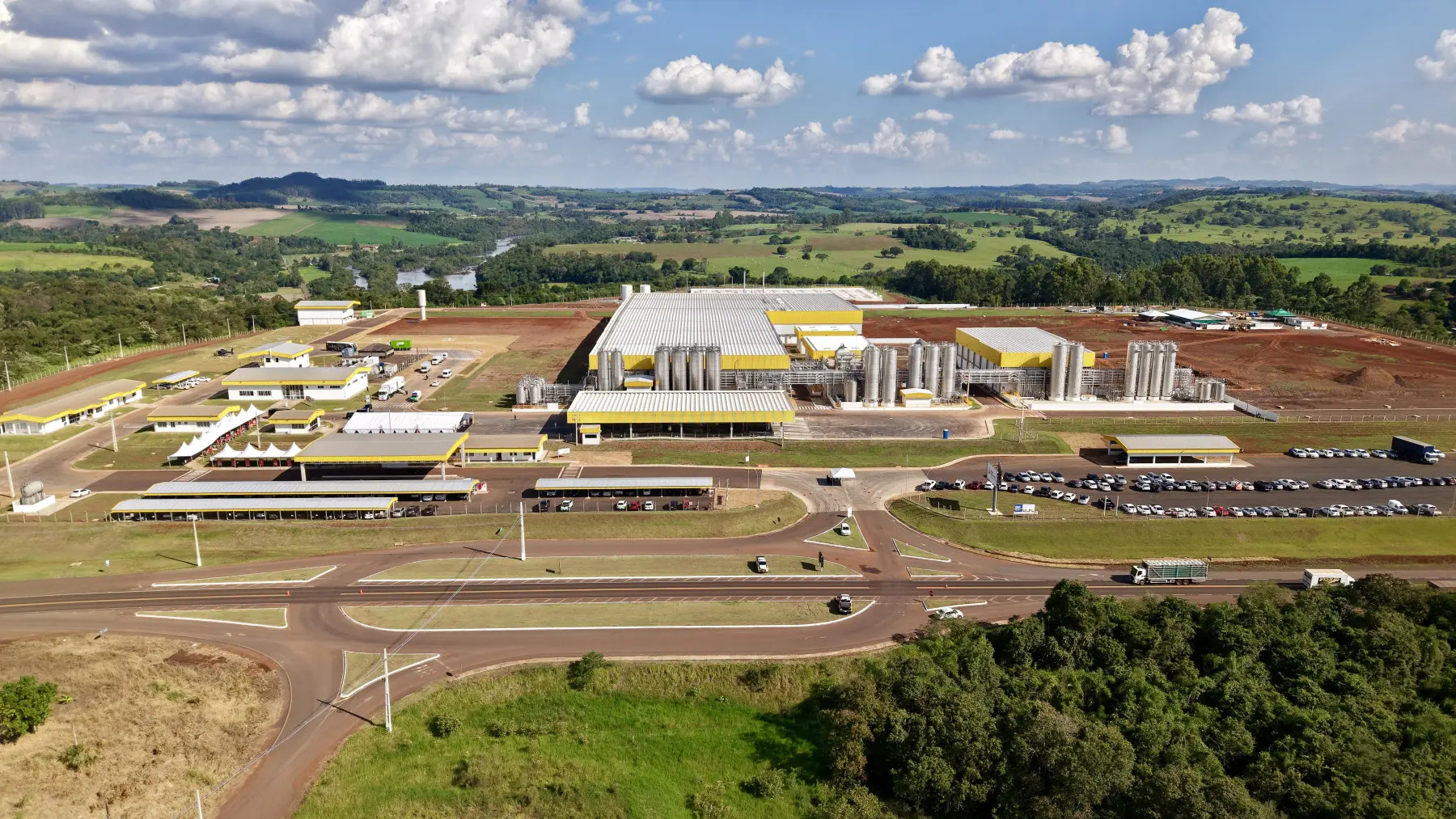
With an investment of R$ 612 million, a capacity to process 1.2 million liters of milk per day, Piracanjuba inaugurates a mega cheese factory that increases national production, reduces dependence on imports, and repositions Brazil on the global dairy map.
-
Brazilian city gains industrial hub for 85 companies that is equivalent to 55 football fields.

-
Peugeot and Citroën factory in Argentina cuts production by half and opens a layoff program for more than 2,000 employees after Brazil drastically reduced purchases of Argentine vehicles.


The private sector in the United States has expressed concern. The American Iron and Steel Institute (AISI) even urged the Donald Trump administration to pressure President Luiz Inácio Lula da Silva to review the agreement, arguing that Chinese consolidation could weaken the global supply chain and reduce the maneuvering room for other economies.
What Is At Stake In The Critical Minerals Market
Brazil is one of the countries with the largest nickel reserves in the world, along with Indonesia and Australia. Experts point out that the conclusion of the sale of Anglo American mines in Brazil to a Chinese state-owned company would further strengthen Beijing’s influence in a sector considered strategic for the energy transition and defense industry.
In addition to nickel, critical minerals such as lithium, cobalt and rare earths are at the center of geopolitical disputes. With restrictive export policies, China already uses its dominant position in these inputs as a leverage tool in global trade negotiations.
Cade And The Impact Analysis In Brazil
Cade must assess whether the sale of mines to a Chinese state-owned company creates market concentration capable of limiting internal competition or distorting prices. Although the process is restricted, experts claim that the outcome could impose conditionalities on the operation or even veto the deal if there is proven risk to the national economy.
This is not the first time that mergers or acquisitions involving mineral assets have sparked debate in Brazil. In recent years, operations in the sector have been viewed not only as market moves but as strategic issues of economic and technological sovereignty.
The Cade investigation into the sale of mines to a Chinese state-owned company reveals how the global competition for critical minerals directly influences Brazilian economic policy. The outcome of this process could redefine the country’s position in essential supply chains for the energy transition and high-tech industry.
And you, do you think Brazil should restrict the sale of strategic assets to foreign state-owned companies? Or do you believe that foreign investment is beneficial for the sector? Share your opinion in the comments.







-

-

2 pessoas reagiram a isso.