





 Portuguese
  English
  Spanish
  4 min of reading
  0 comments


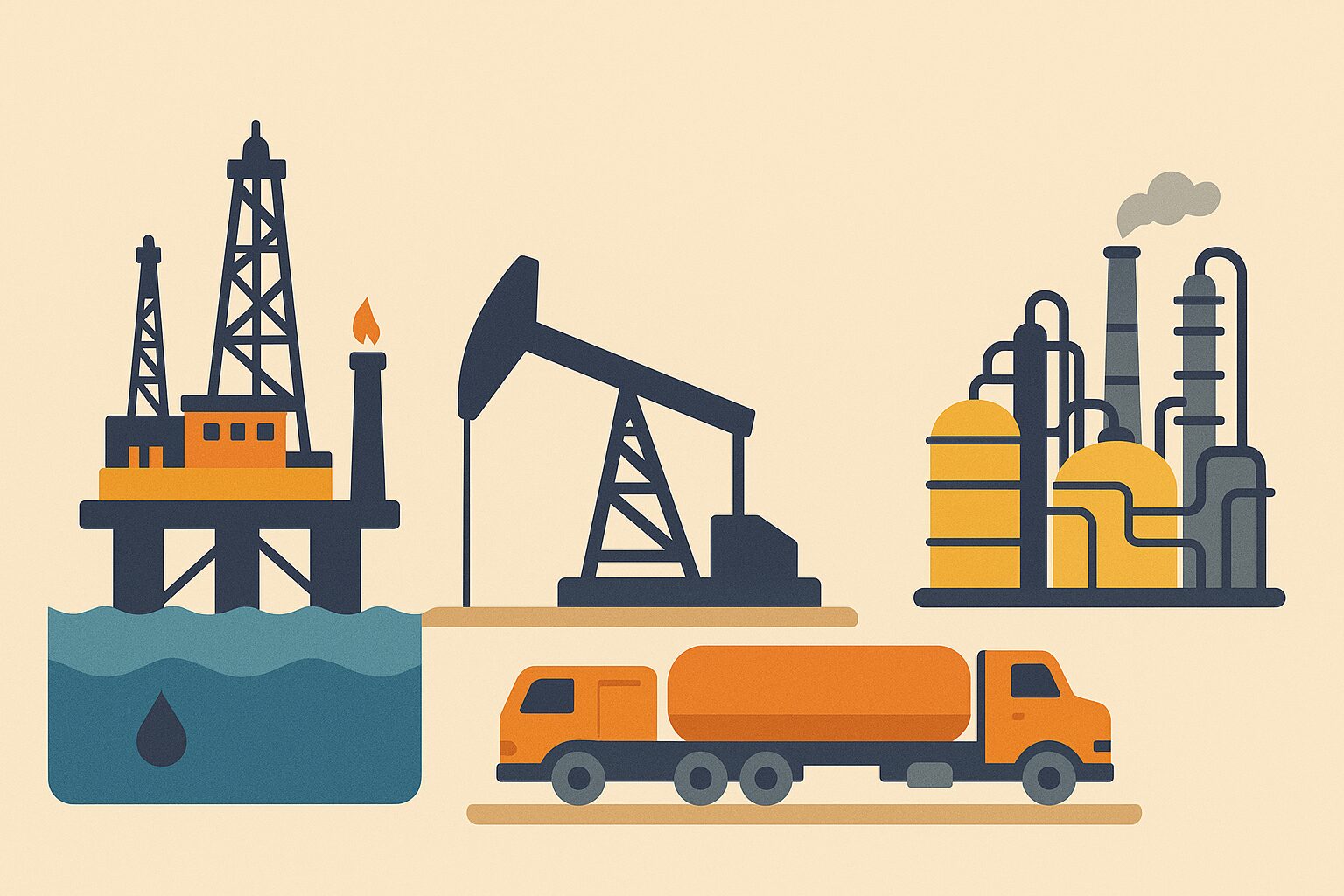
Strategic Sector Integrates Various Industrial And Logistical Stages That Move Trillions And Influence The Global Market
The oil production chain is one of the most complex and strategic in the world. It involves several stages, professionals from different areas, and advanced technologies. From discovery to end-use, each part of this chain plays an important role. This guide will clearly and directly show how everything works.
Exploration: The Beginning Of Everything
Everything starts with exploration. Specialized companies look for locations with the potential for oil. This stage involves geological studies, satellite images, soil analysis, and seismic testing. The goal is to find reserves underground or on the seafloor.
When there are positive signs, companies drill test wells. If oil is found in commercial quantity and quality, the production process begins. The oil production chain depends on this first stage to exist. Without exploration, there is no way to move forward.
-
Lula reveals a masterstroke by Petrobras to undo a deal made by Bolsonaro, which involves the return of an important refinery that currently produces less than half of what was expected and makes Brazil dependent on international diesel.

-
A study confirms that the natural gas sector will reduce greenhouse gas emissions in Brazil by 0.5% and accelerate the energy transition by 2026.

-
Petrobras implements a severe adjustment and confirms a 55% increase in the price of aviation kerosene with a proposal for installment payments for the companies.

-
The rise in oil prices could ensure an extra revenue of R$ 100 billion for the Federal Government, indicates a recent economic study.


Drilling And Extraction: Oil Comes Out Of The Ground
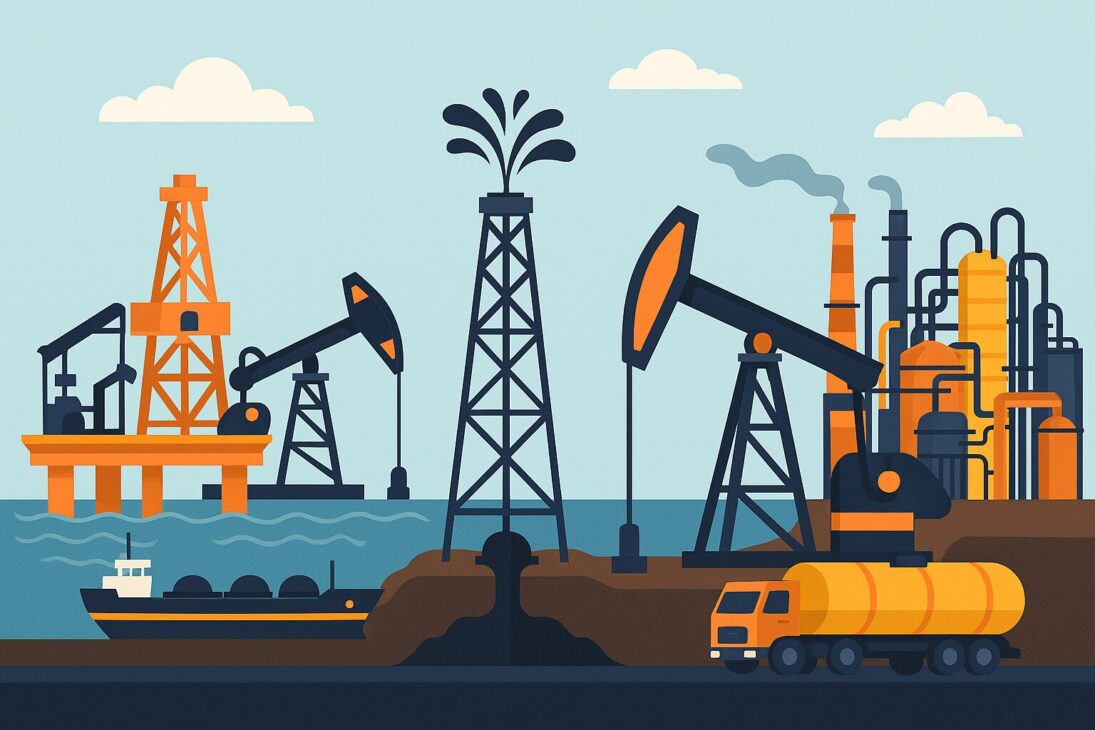
With confirmation of the reserve, drilling begins. Platforms are installed offshore or on land. Drilling towers make their way to the reservoirs, which can be thousands of meters deep.
Oil is then extracted using pumps or natural reservoir pressure. In some cases, it is necessary to inject water or gas to facilitate the process. This part is one of the most expensive and technically demanding in the oil production chain. It involves safety, environmental control, and high technology.
Separation And Initial Treatments
When it comes out of the well, oil is mixed with natural gas, water, and impurities. Therefore, it goes through separation units. The gas is separated, water is treated, and oil is sent for transportation.
This oil is not yet ready for use. It needs to be refined, but first, it must be transported to refineries. Here, the oil production chain begins to gain volume, moving trucks, ships, and pipelines.
Transportation: Taking Oil To The Refineries
The transportation of oil is done in several ways. Oil tankers are used for long distances, especially for exports. Pipelines connect production fields to refineries or terminals. On a smaller scale, tank trucks transport oil to regional centers.
This stage requires care with leaks, accidents, and thefts. A leak can cause an environmental disaster. Therefore, the oil production chain relies on real-time monitoring and safety systems.
Refining: Transforming Oil Into Product
Crude oil must be refined to become gasoline, diesel, kerosene, asphalt, lubricants, and other products. This process occurs in refineries. There, oil is heated and separated into different fractions according to the boiling point of each component.
Each fraction is treated differently. Some become fuels, while others become raw materials for the chemical and petrochemical industries. Refining is an essential stage of the oil production chain, as it is where it truly becomes useful for society.
Distribution: From Fuel To The Consumer
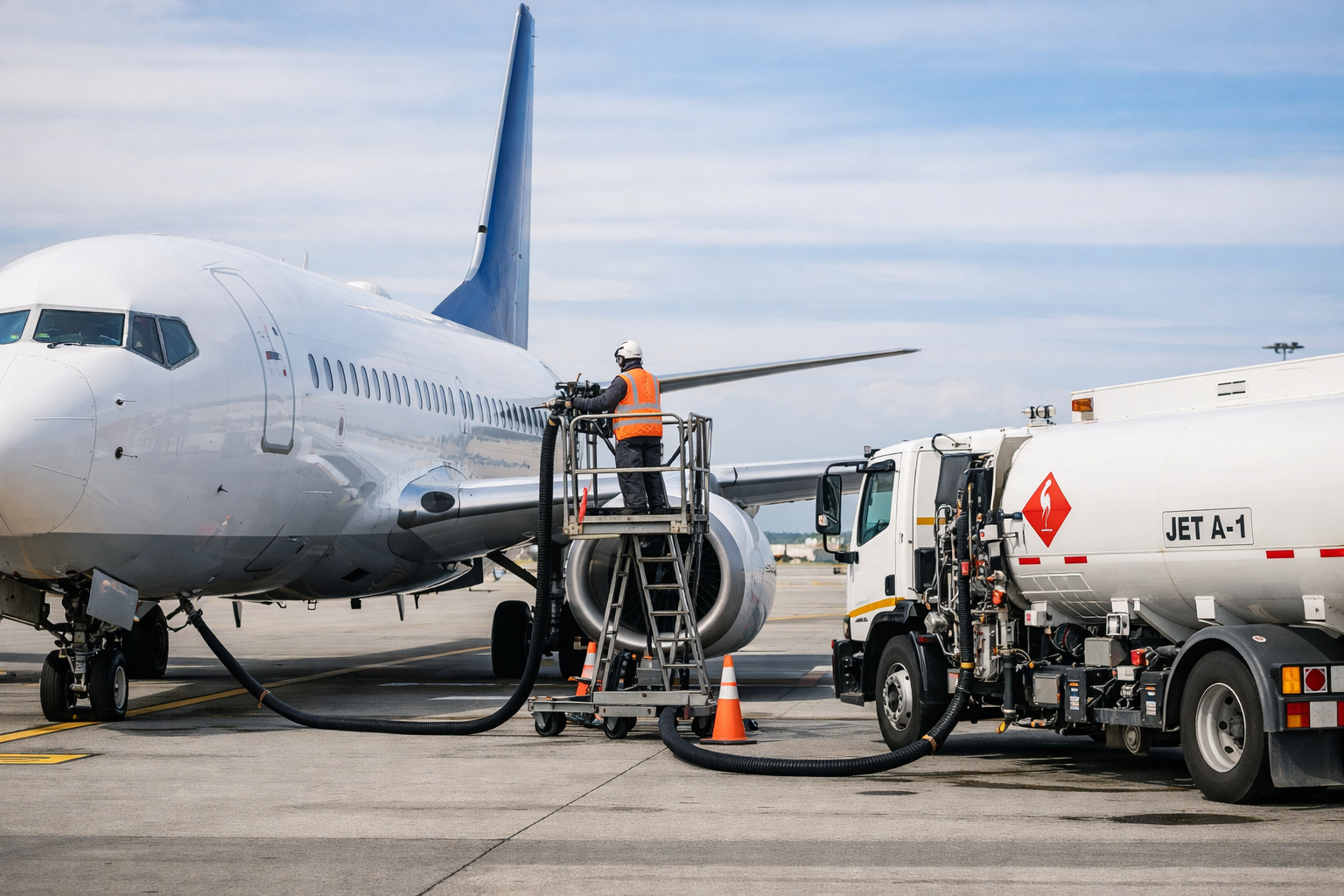
After refining, oil turns into a product ready for use. These products are stored in tanks and then distributed to gas stations, airports, industries, and other consumption points. It is a phase that requires efficient logistics.
Gasoline, diesel, and cooking gas need to arrive safely at their destination. Any failure in distribution can lead to shortages and price increases. The oil production chain concludes this stage at the final consumer.
Environmental Impact And Recycling
Oil is a fossil resource, and its use generates greenhouse gas emissions. Therefore, companies in the sector invest in technologies to reduce impacts. This includes carbon capture systems, waste reuse, and emissions monitoring.
Additionally, there are initiatives to recycle petroleum-derived products, such as plastics, tires, and lubricants. The oil production chain is beginning to adapt to increasingly stringent environmental requirements.
Economic Importance Of The Oil Production Chain
This chain generates millions of direct and indirect jobs worldwide. It employs everyone from engineers and technicians to truck drivers and gas station attendants. In producing countries, oil represents an important share of GDP.
Moreover, oil prices influence the cost of transportation, electricity, food, and nearly all industrial products. The oil production chain has a direct impact on inflation and the global economy.
Geopolitics And International Dependence
Oil is also a matter of power. Countries with large reserves have influence in international relations. Armed conflicts, sanctions, and trade disputes often involve interests in the oil production chain.
On the other hand, dependent countries need to import and maintain strategic stockpiles. This generates bilateral agreements and diplomatic tensions. The oil production chain is not just technical — it is also political.
Energy Transition And The Future Of Oil
With global pressure for clean energy, the oil production chain is reinventing itself. Many companies are investing in solar, wind, and biofuels. But oil will still be necessary for decades, especially in heavy transportation and aviation.
The future of the oil production chain depends on innovation. Cleaner technologies, more efficient exploration, and refining with less environmental impact are the most promising paths.
Conclusion: Why Understanding The Oil Production Chain Is Important
Understanding this chain helps to better comprehend the world we live in. From the fuel we use in our cars to the products we buy in the market, oil is present. It drives economies, creates jobs, and influences political decisions.
The oil production chain is long, complex, and essential. And it will continue to evolve, even in the face of environmental and energy challenges of the 21st century.







-

Uma pessoa reagiu a isso.