





 Portuguese
  English
  Spanish
  3 min of reading
  0 comments


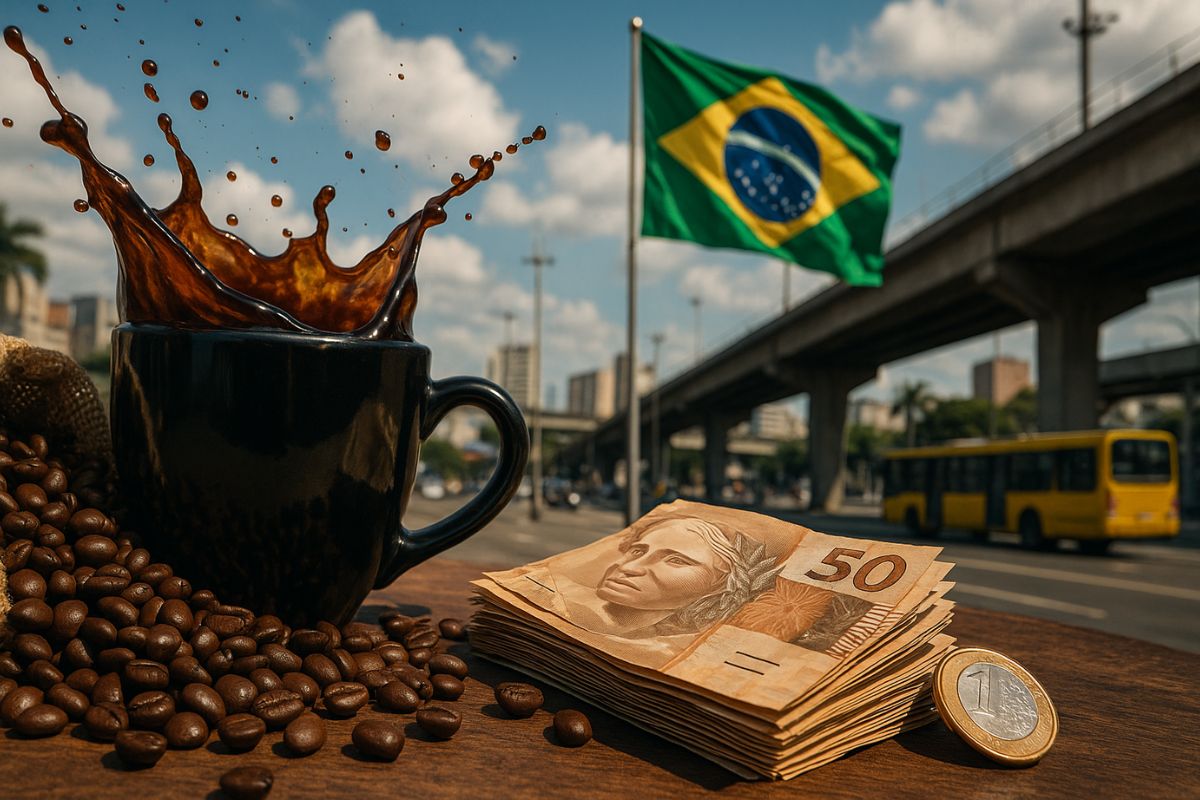
Research Shows That Brazilian Coffee, Cultural Symbol and Daily Habit of Millions of People, Faces Historic Price Increase That Alters Choices and Forces Consumers to Seek Cheaper Alternatives
Brazilian coffee, a staple on almost every family’s table, is more expensive than ever. A survey conducted by the Axxus Institute with 4,200 people in September 2025 reveals that 24% of Brazilians have reduced their consumption of the beverage this year and 39% have switched from traditional brands to cheaper options, in a clear adaptation to price increases.
According to specialists, this trend reflects not only the rising cost of the product in the domestic market but also the impacts of global and climatic factors. Still, daily consumption remains high, demonstrating that the love for coffee withstands economic difficulties.
High Prices Pressure Brazilian Coffee Consumption
Data from the Brazilian Coffee Industry Association (Abic) indicate that costs have skyrocketed due to international tariffs, reduced stocks, and production losses.
-
Oil surged to $115 a barrel due to the war in the Middle East, and diesel in Brazil has already risen to R$ 7.45 per liter, while the United States…

-
Brazilian city bets on the business environment to generate jobs and attract investments in the energy sector — secretary reveals strategy at Macaé Energy 2026.

-
50 viaducts, 4 tunnels, 28 bridges, and 40 kilometers of bike paths: BR-262 in Espírito Santo will receive 8.6 billion reais for the largest engineering project in the state’s history, inspired by the Immigrant Highway in São Paulo.

-
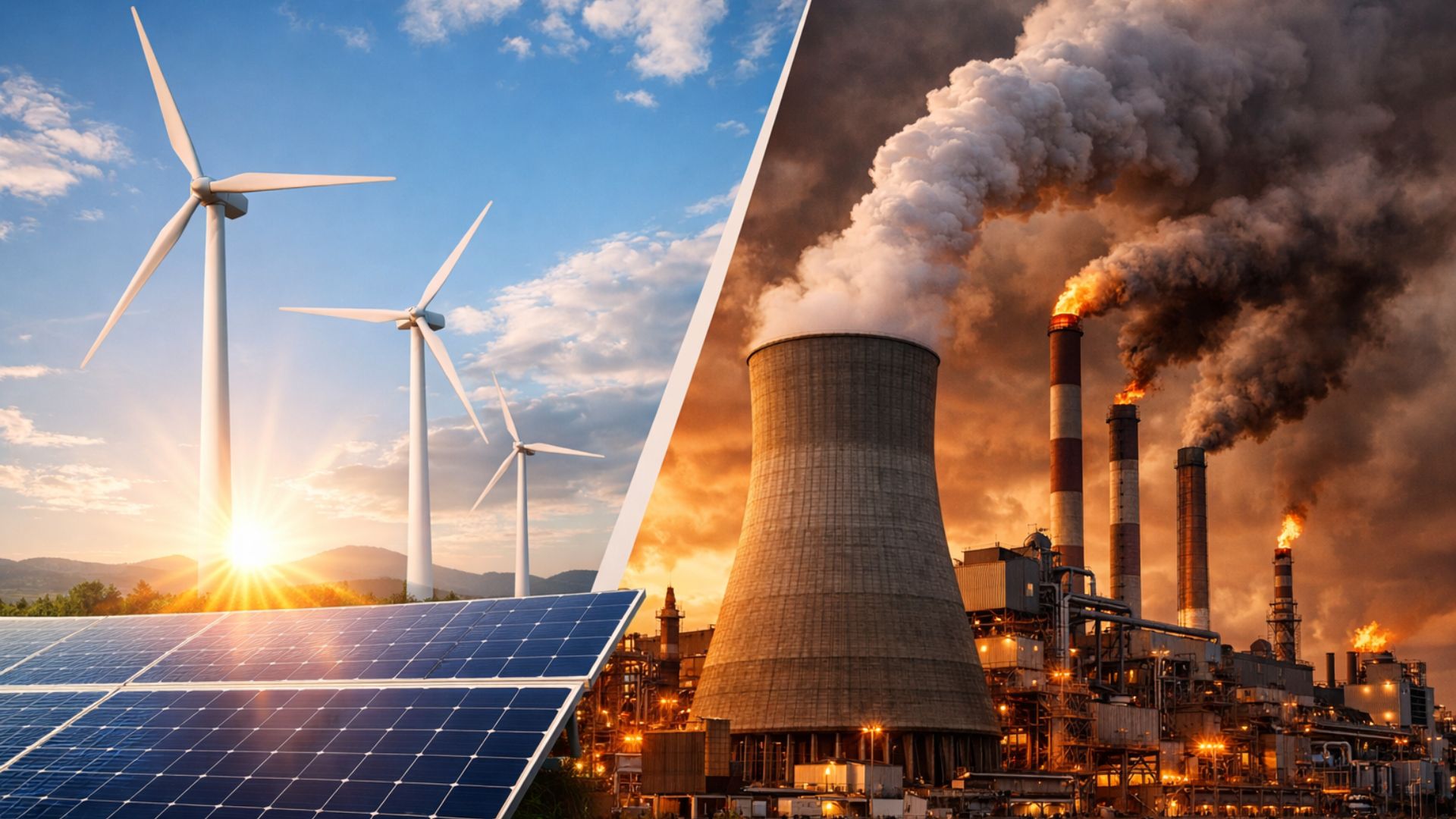
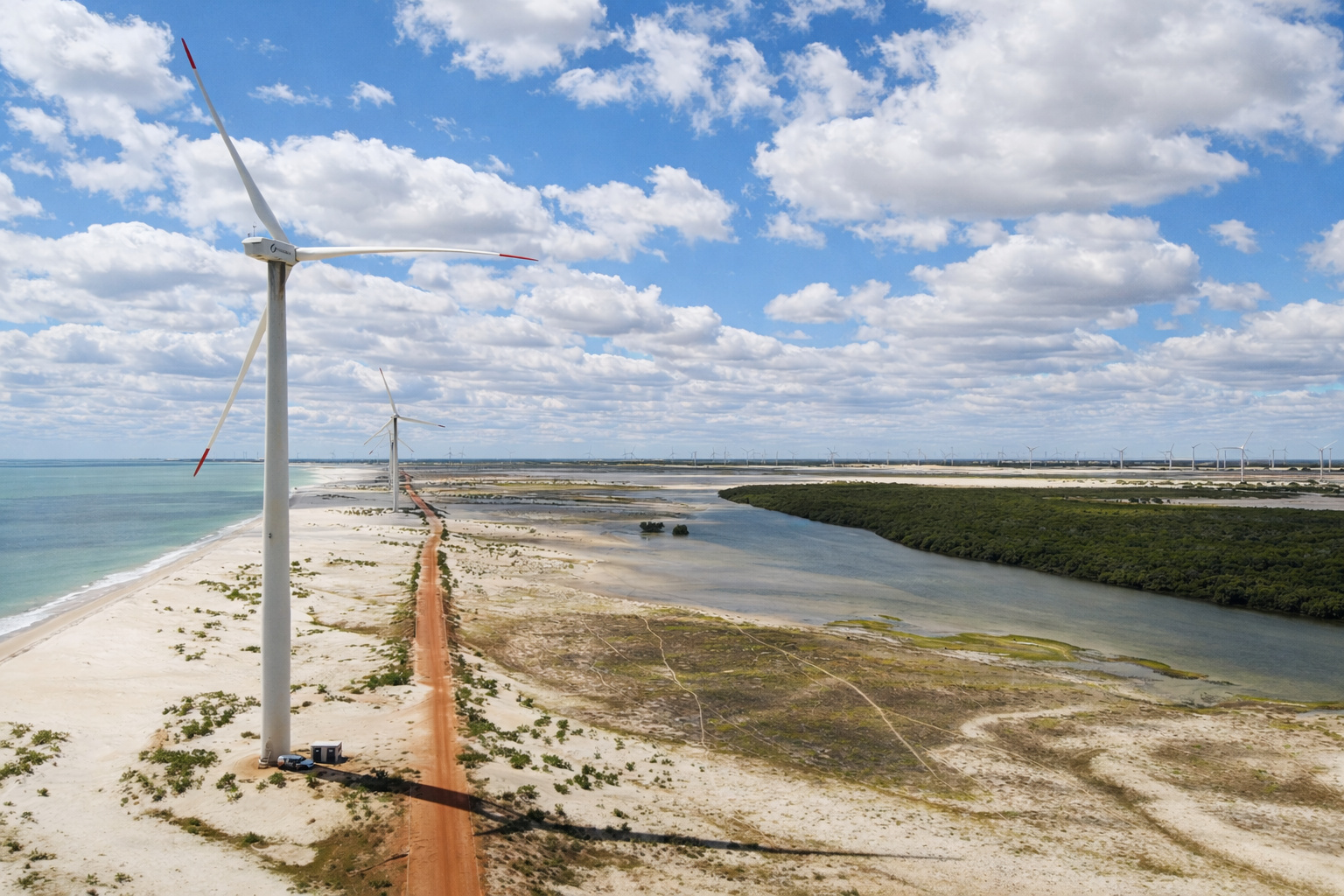
Brazil produces too much clean energy and doesn’t know what to do with it: over 20% of solar and wind capacity was wasted in 2025 while investors flee and 509 renewable generation projects were abandoned in the last year.


The average price of coffee per kilogram reached R$ 62.83 in August 2025, nearly double what it was two years earlier.
In addition to the 50% tariffs imposed by the United States on Brazilian coffee, climatic issues have reduced production, especially of the arabica variety.
Frosts in the Minas Gerais Cerrado have resulted in losses of approximately 25,000 tons.
This combination has raised industrial costs and increased the price of the product for the end consumer.
Change in Buying Habits
The Axxus Institute survey shows that while consumers previously aimed to maintain their favorite brands and only compare prices, the priority now is to save money.
Almost 40% of respondents now choose the cheapest brand on the shelf, compared to only 7% in 2019.
According to researcher Sérgio Parreiras Pereira from the Agronomic Institute of Campinas (IAC), this data reveals a significant behavioral change:
Coffee remains essential, but the choice criterion has become purely financial.
Daily Consumption Still Resists
Even with rising prices, 96% of Brazilians report consuming coffee every day. Among them, 44% drink three to five 50 ml cups daily.
This data confirms that, although it weighs on their wallets, the beverage continues to be an essential part of their routine.
The challenge is to maintain this habit in the face of successive price increases.
Abic itself projects that prices could rise by up to 15% in the coming weeks, following the increase in production costs.
Prospects and Impacts on Internal and External Markets
In addition to domestic consumption, Brazilian coffee faces challenges in international trade.
Exports to the United States, especially of specialty and soluble coffees, have already recorded a significant decline.
The combination of tariffs, high production costs, and logistical problems pressures producers and threatens Brazil’s competitiveness in the sector.
Experts warn that Brazilian coffee is likely to remain expensive in the short term, which may solidify the trend of shifting to cheaper brands and reduce consumption among part of the population.
Brazilian coffee continues to be present in the national routine, but the significant price increase is transforming habits and requiring adjustments.
The switch to cheaper brands and the reduction in consumption by part of the population show that the beverage, once accessible, has become a burden on the budget of many families.
And you, have you changed the way you consume coffee because of the price? Have you stopped buying your favorite brand or reduced the cups you drink per day? Share your experience in the comments and join this discussion.






Seja o primeiro a reagir!