





 Portuguese
  English
  Spanish
  2 min of reading
  0 comments


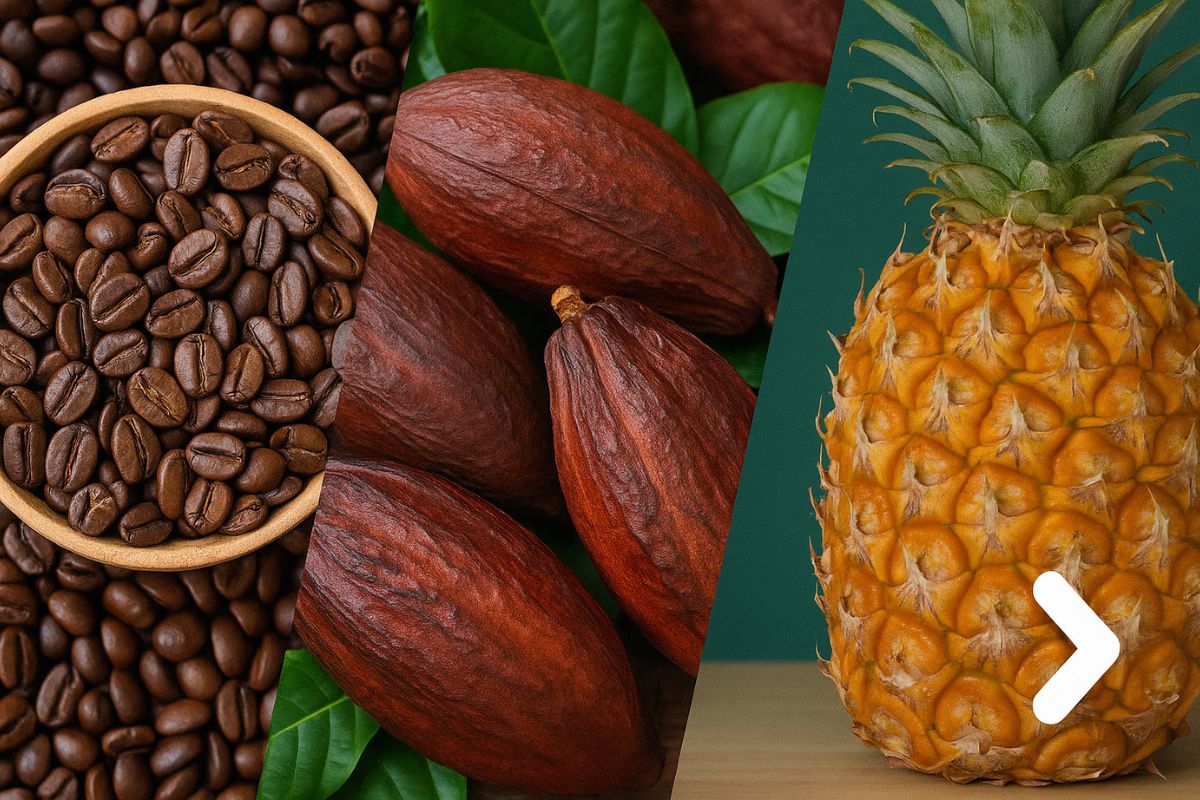
Statement Paves the Way for Exclusion of Items Like Coffee, Cocoa, and Pineapple from Tariff Increase Coming into Effect This Friday
Possibility of Zero Tariff for Natural Products was mentioned on Tuesday (29) by U.S. Commerce Secretary Howard Lutnick in an interview with CNBC. The measure could exclude some items that are not grown on American soil from a 50% tax.
According to Lutnick, products like coffee, mango, pineapple, and cocoa fall into the category of “natural resources” that do not compete with local production. The statement comes just days before the new tariff increase on Brazilian exports is set to take effect on August 1st.
Brazilian Coffee May Escape Taxation
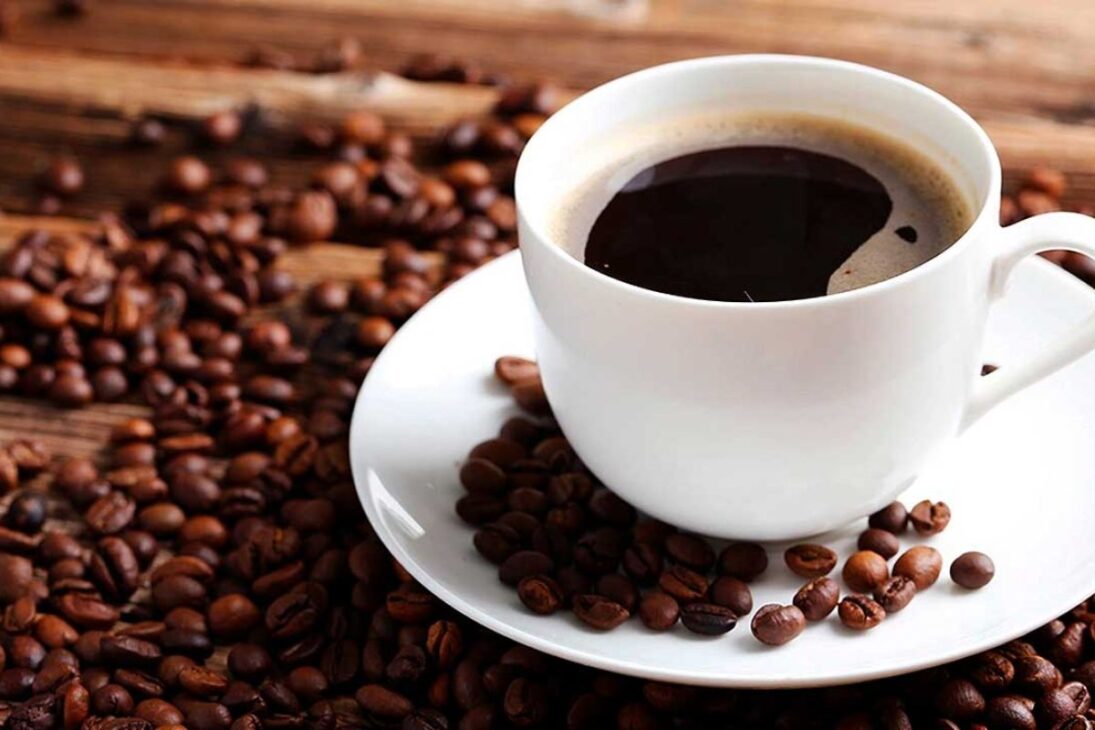
The United States produces only 1% of the coffee they consume. The rest is imported from countries like Brazil, Colombia, Vietnam, and Ethiopia. Therefore, the possibility of zero tariff for natural products could directly benefit Brazilian coffee, the country’s main agricultural export item.
-
Oil surged to $115 a barrel due to the war in the Middle East, and diesel in Brazil has already risen to R$ 7.45 per liter, while the United States…

-
Brazilian city bets on the business environment to generate jobs and attract investments in the energy sector — secretary reveals strategy at Macaé Energy 2026.

-
50 viaducts, 4 tunnels, 28 bridges, and 40 kilometers of bike paths: BR-262 in Espírito Santo will receive 8.6 billion reais for the largest engineering project in the state’s history, inspired by the Immigrant Highway in São Paulo.

-
Brazil produces too much clean energy and doesn’t know what to do with it: over 20% of solar and wind capacity was wasted in 2025 while investors flee and 509 renewable generation projects were abandoned in the last year.


Data from the Coffee Exporters Council (Cecafé) shows that Brazil exported 50.44 million 60-kg bags in 2024, generating revenue of US$ 12.5 billion. The U.S. was the largest destination, receiving 8.13 million bags — 16% of the total.
Tropical Items Also in the Crosshairs of Exemption
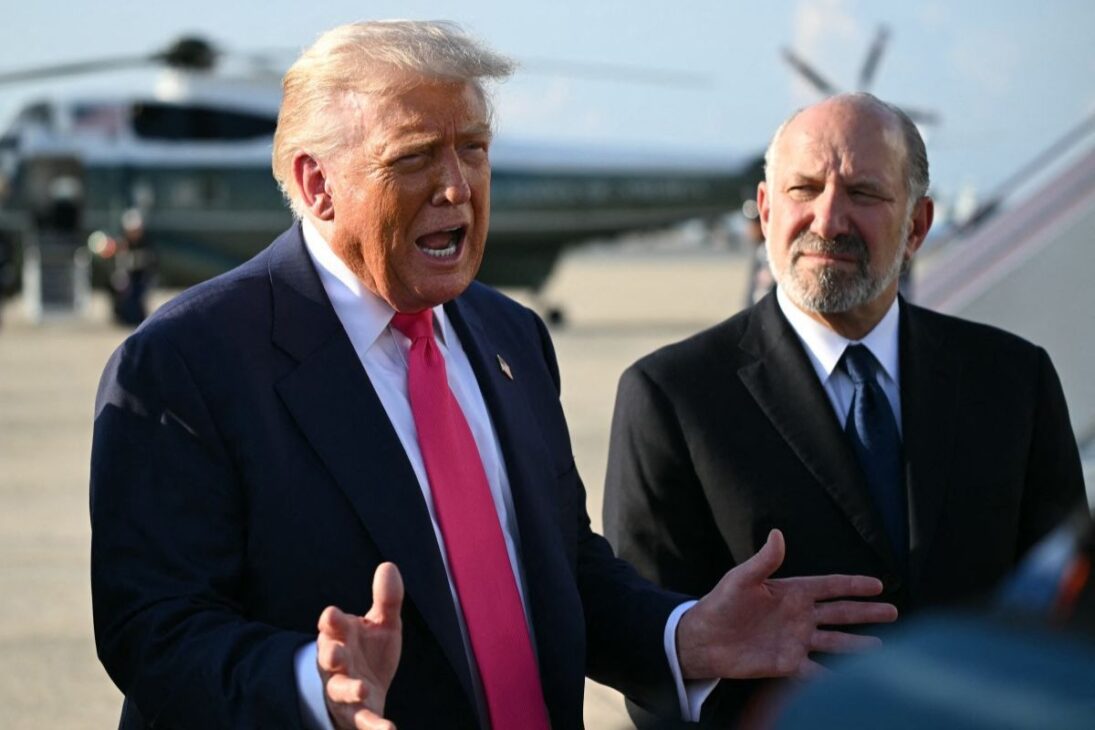
In addition to coffee, Lutnick’s statement included products such as mango, pineapple, coconut, and cocoa, which are significant for Brazilian agribusiness. However, the measure does not explicitly mention Brazil, nor does it define which countries would be favored in potential agreements.
Despite this, the signaling from the U.S. government opens the door for short-term diplomatic negotiations, especially in the context of the new tariffs coming into effect.
Do you think Brazil should seek immediate exemption for its natural products or negotiate a broader agreement with the U.S.?








-

Uma pessoa reagiu a isso.