





 Portuguese
  English
  Spanish
  2 min of reading
  0 comments


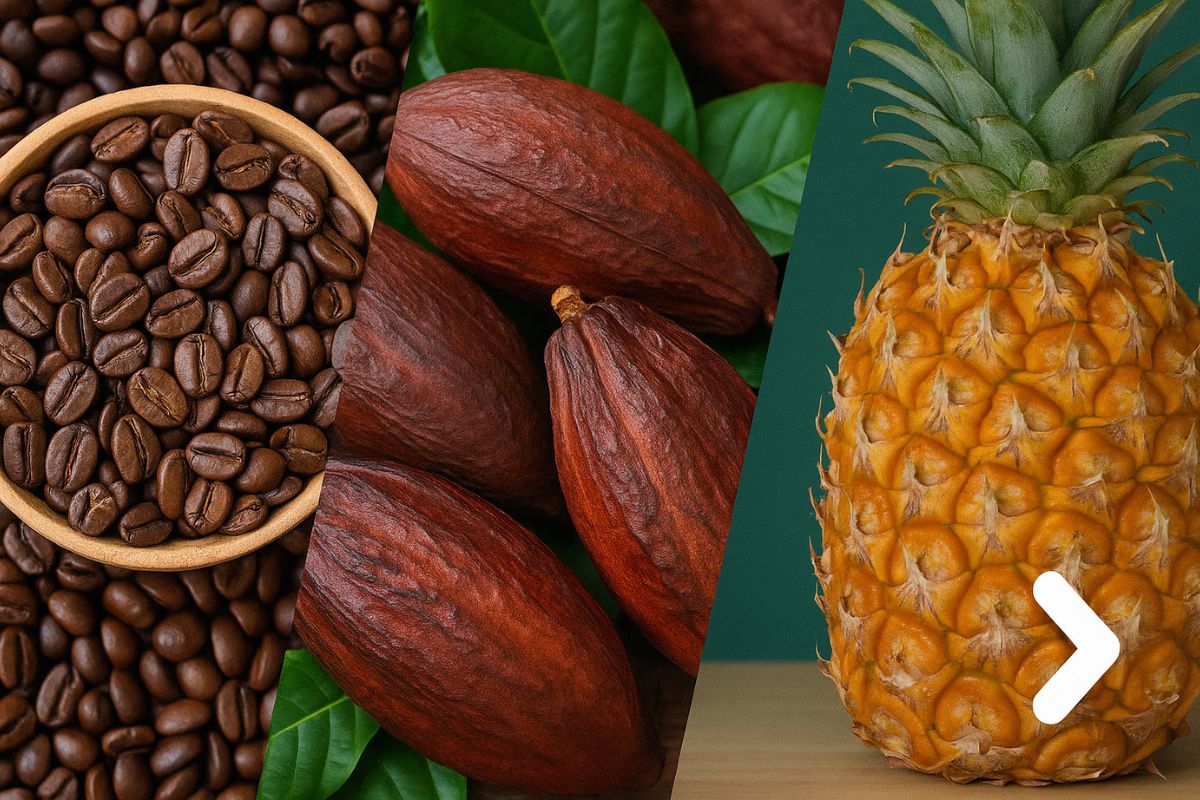
Statement Paves the Way for Exclusion of Items Like Coffee, Cocoa, and Pineapple from Tariff Increase Coming into Effect This Friday
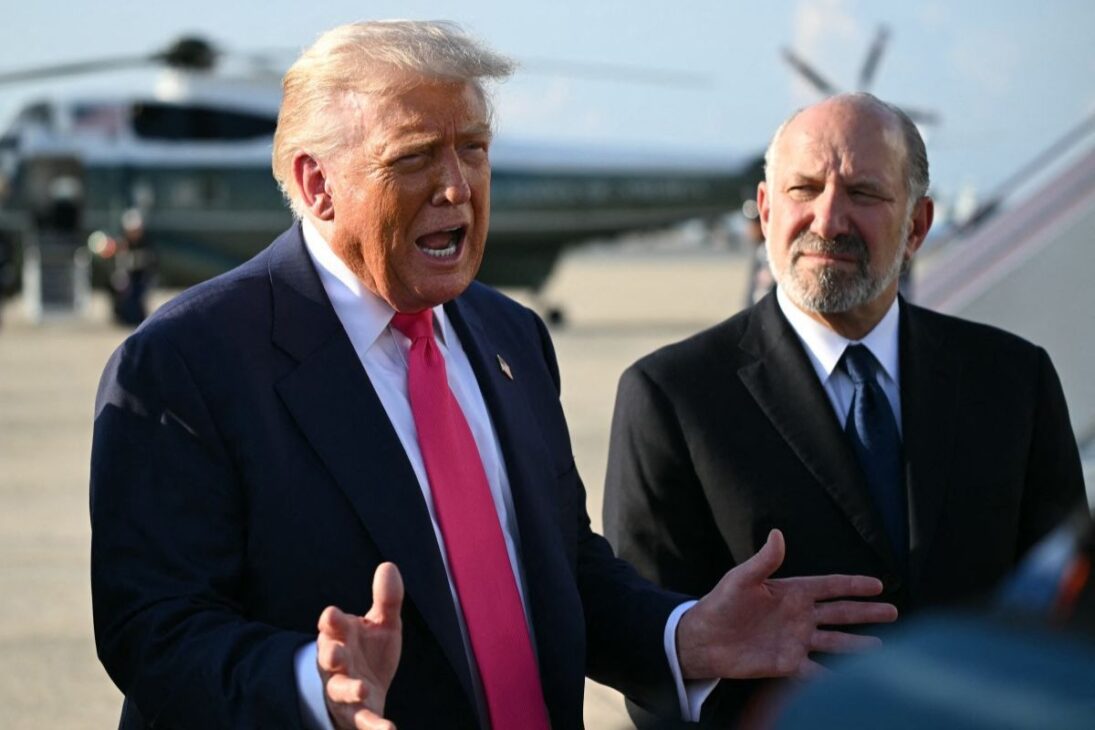
Possibility of Zero Tariff for Natural Products was mentioned on Tuesday (29) by U.S. Commerce Secretary Howard Lutnick in an interview with CNBC. The measure could exclude some items that are not grown on American soil from a 50% tax.
According to Lutnick, products like coffee, mango, pineapple, and cocoa fall into the category of “natural resources” that do not compete with local production. The statement comes just days before the new tariff increase on Brazilian exports is set to take effect on August 1st.
Brazilian Coffee May Escape Taxation
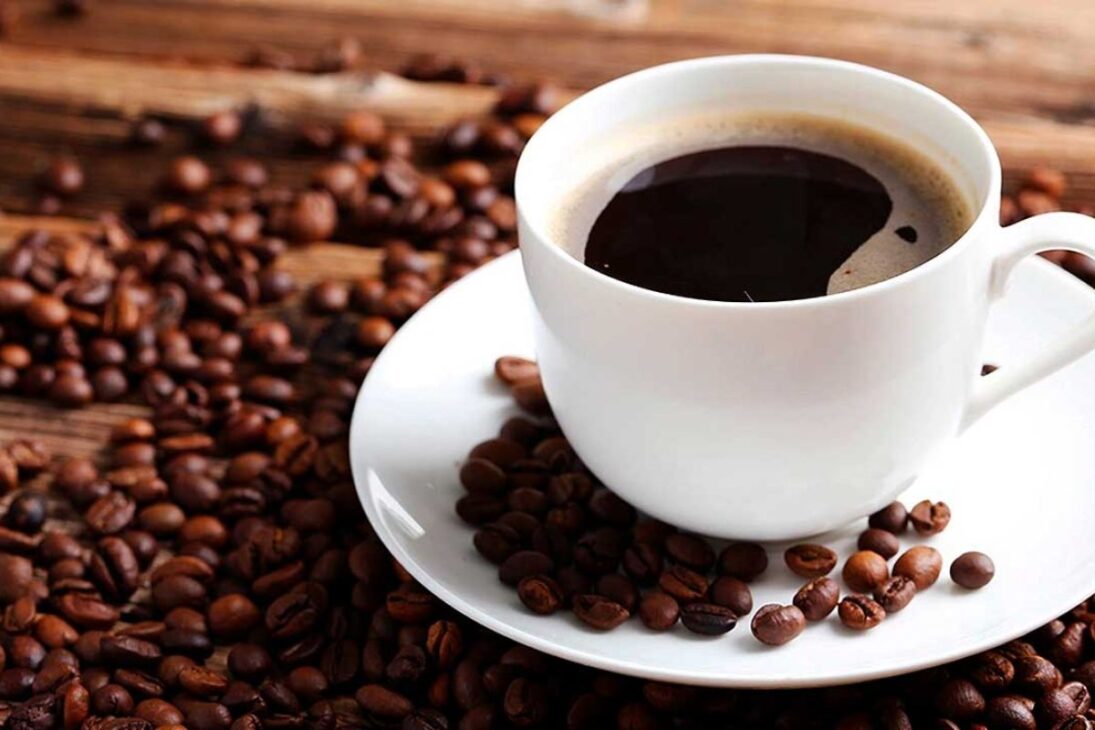
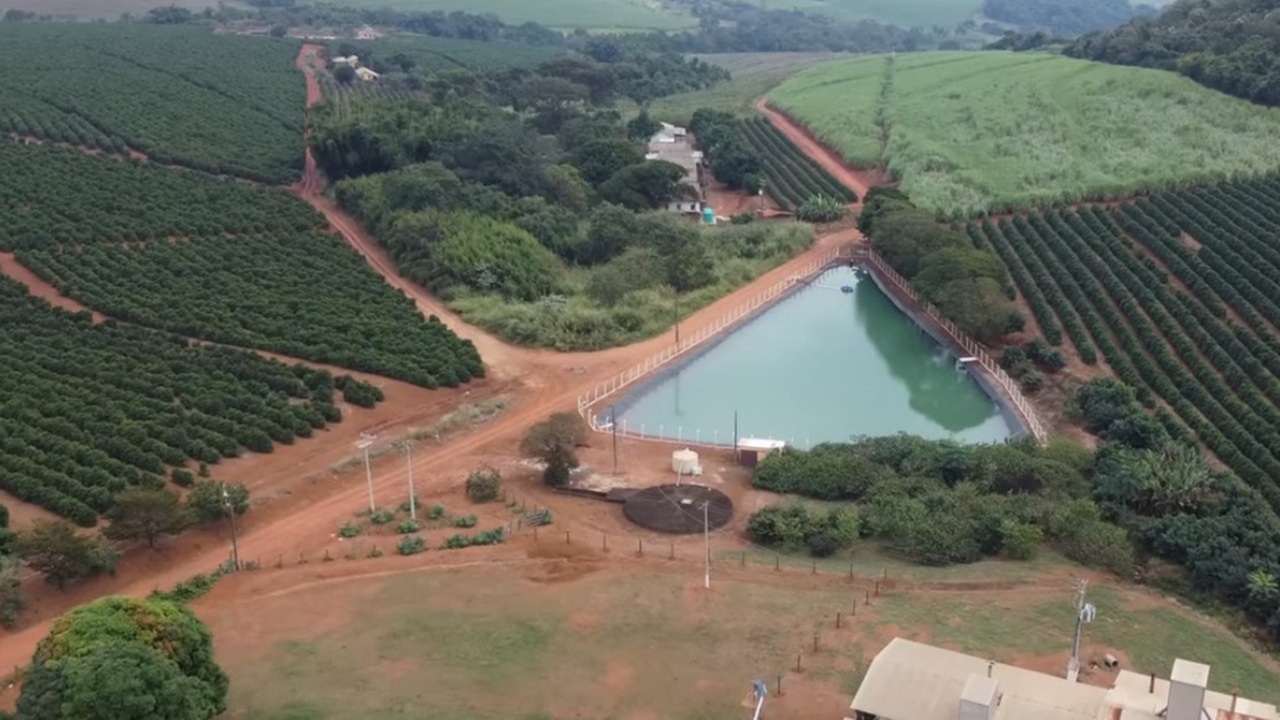
The United States produces only 1% of the coffee they consume. The rest is imported from countries like Brazil, Colombia, Vietnam, and Ethiopia. Therefore, the possibility of zero tariff for natural products could directly benefit Brazilian coffee, the country’s main agricultural export item.
-
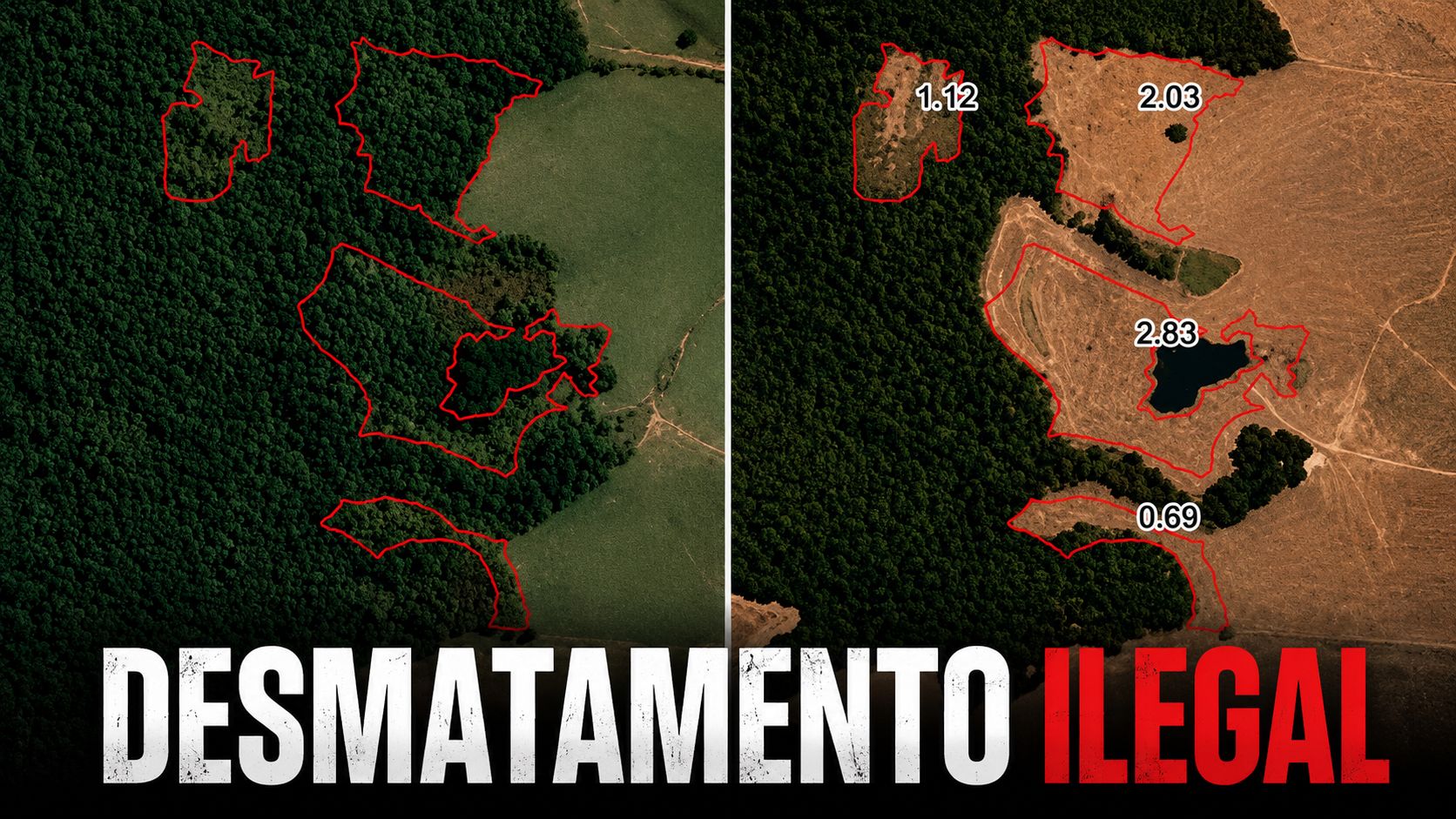
Satellite images reveal illegal deforestation in Paraná, showing more than 10.3 hectares of native forest destroyed in Lapa, resulting in the owner receiving a fine of R$ 109,000.

-
State government launches an unprecedented plan against marine litter with 45 goals, actions for 10 years, and a priority to reduce plastics that already appear on 100% of the beaches analyzed on the Brazilian coast.
-
Correios prepare a new layoff plan for up to 7,000 employees amid the crisis: the plan is expected to target employees from units that will be closed during the company’s restructuring.

-
Retirement no longer covers the bills for millions in Brazil: the number of elderly people working has increased by 53% in ten years, exposing the harsh reality of those who need to remain active after 60.



Data from the Coffee Exporters Council (Cecafé) shows that Brazil exported 50.44 million 60-kg bags in 2024, generating revenue of US$ 12.5 billion. The U.S. was the largest destination, receiving 8.13 million bags — 16% of the total.
Tropical Items Also in the Crosshairs of Exemption
In addition to coffee, Lutnick’s statement included products such as mango, pineapple, coconut, and cocoa, which are significant for Brazilian agribusiness. However, the measure does not explicitly mention Brazil, nor does it define which countries would be favored in potential agreements.
Despite this, the signaling from the U.S. government opens the door for short-term diplomatic negotiations, especially in the context of the new tariffs coming into effect.
Do you think Brazil should seek immediate exemption for its natural products or negotiate a broader agreement with the U.S.?




-

1 person reacted to this.