





 Portuguese
  English
  Spanish
  3 min of reading
  0 comments


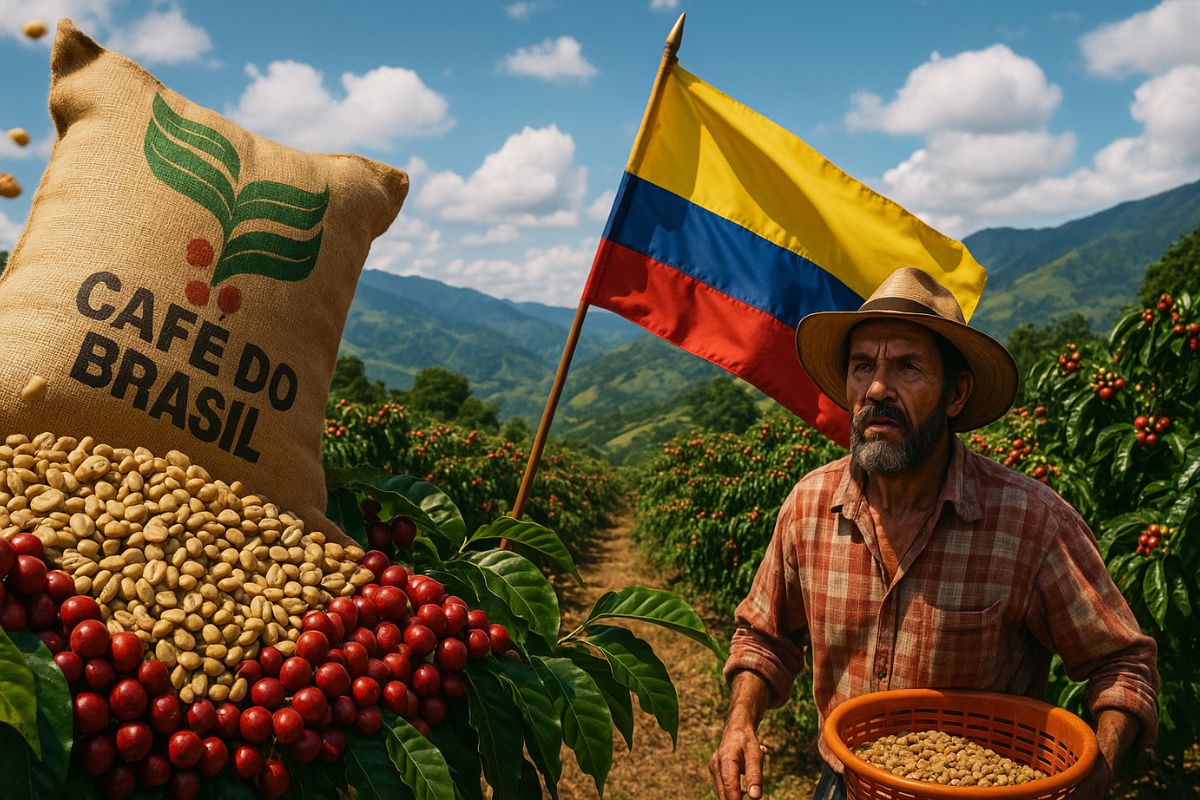
The Influx of Grains from Brazil Pressures Colombian Coffee, Raises Fear of Fraud in “100% Colombian” Labeling, and Leads Authorities to Discuss Urgent Measures to Protect the Brand
The Colombian coffee is experiencing a moment of tension due to the massive entry of grains from Brazil, which increased 578% in August compared to the same period last year, according to data from Cecafé. Producers fear that the situation will compromise the reputation of one of the world’s most prestigious labels, known precisely for the authenticity of its origin.
The alert comes in the context of changes in the global market. The tariffs imposed by Donald Trump on Brazilian coffee — 50% compared to only 10% for Colombian — redirected part of Brazilian production to new destinations, including Colombia. This sparked a rush to balance supply and reinforced fears that cheaper grains could be irregularly mixed with Colombian products.
Impact of Trump’s Tariffs and the Market Dispute
According to industry leaders, the increase in Brazilian exports is a direct consequence of the tariff barrier imposed by the United States.
-
The largest food company on the planet, JBS, has just opened a 4,000 square meter laboratory in Florianópolis to develop customized proteins that modulate muscle mass gain, immune response, and metabolic performance.

-
After nearly 30 bids and competition among industry giants, a Spanish company purchases one of the largest airports in Brazil for almost R$ 3 billion and takes over the management of Galeão in a concession that will last until 2039.

-
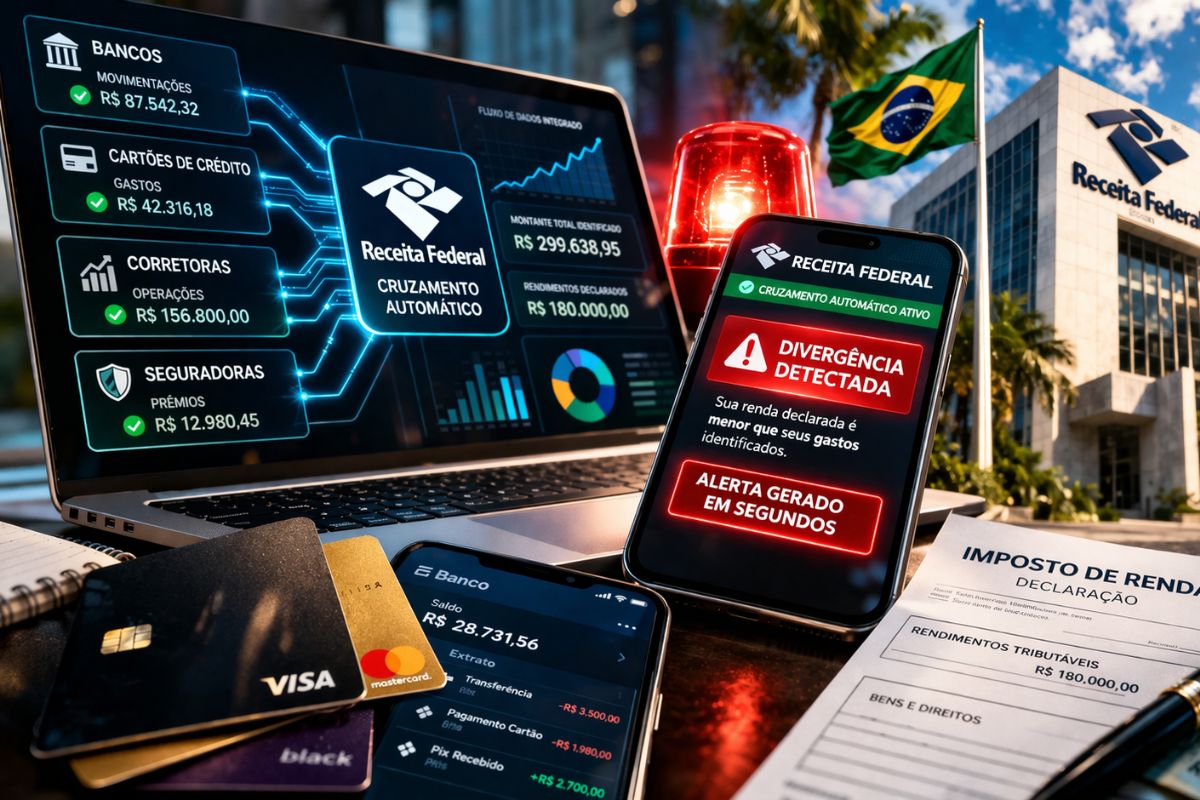
The Federal Revenue Service now automatically cross-references everything you declare with data from banks, credit cards, brokerage firms, and insurance companies, and any discrepancy between your income and your expenses triggers an alert in seconds.
-
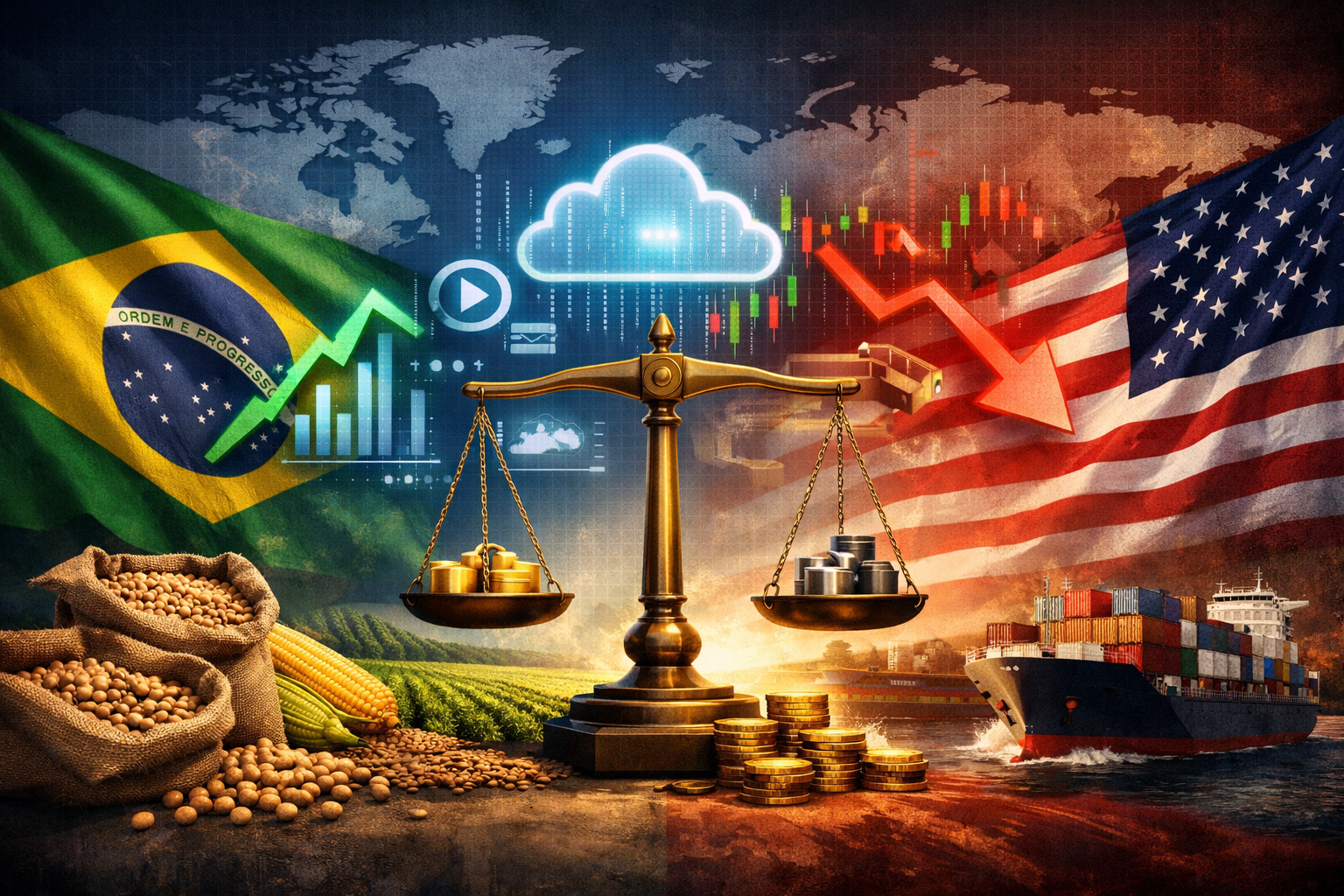
Amid global tensions, Brazil blocks the United States’ proposal at the WTO and paves the way for a trade crisis and possible retaliations.

While Brazilian sales to the United States fell 47% in a year, Colombia gained ground, especially in Mexico, where exports grew 90%.
This change in route raised Brazilian coffee prices by nearly 50% in two months, but it also increased risks for Colombian producers, who see the situation as an incentive for triangulation and practices that threaten the legitimacy of the “100% Colombian coffee” seal.
Risk to Colombia’s Premium Brand
The president of the Colombian Coffee Growers Federation, Germán Bahamón, was categorical in stating that any attempt at mixing must be reported and punished.
According to him, preserving the authenticity of the brand is vital to maintaining the trust of international consumers.
The concern goes beyond the immediate impact on prices. The global reputation of Colombian coffee, built over decades as a premium product, is at stake.
Contamination of the supply chain with grains from other origins could lead to loss of credibility, canceled international contracts, and a decrease in the added value of the product.
The Role of Brazil in the Current Scenario
Brazil, the world’s largest coffee producer, is trying to prevent this dispute from turning into a crisis of image.
For the president of Cecafé, Márcio Ferreira, the priority is to ensure that Brazilian grains exported to Colombia are intended for the internal consumption of that country, and not for adulteration of international labels.
“Our coffees are being purchased to meet domestic demand, not to harm the reputation of Colombian products,” he stated.
Even so, the movement reinforces how quickly the international market can be reshaped by tariffs, trade wars, and political disputes, pitting two of the biggest symbols of global coffee against each other.
Reaction of the Colombian Government and Next Steps
Colombian authorities are studying stricter enforcement mechanisms to ensure the traceability of the grains.
Among the measures being considered are customs reinforcement, audits of exporters, and investigations into labeling.
The goal is to protect the brand and ensure that international consumers continue to associate Colombian coffee with quality and exclusivity.
Experts warn that the trend is for the continuation of increased Brazilian exports to Colombia as long as tariffs in the U.S. remain in place.
This movement could intensify pressure on local producers and increase the risk of fraudulent practices if the government does not act quickly.
The advance of Brazilian coffee over Colombia unveils the side effects of the tariff war and questions the integrity of one of the most valued seals in the global market.
Protecting the authenticity of Colombian coffee will be crucial for the country to maintain its international prestige and avoid severe economic losses.
Do you believe that Colombia will be able to preserve its premium brand in the face of the massive influx of Brazilian grains? And if it were in Brazil, how should producers react to a similar risk? Share your opinion in the comments.







-

Uma pessoa reagiu a isso.