





 Portuguese
  English
  Spanish
  3 min of reading
  0 comments



Discover The Fascinating Origin Of Coffee, From Ethiopia To Your Cup. Explore The History, Climatic Challenges, And The Future Of This Ancient Beverage!
Coffee, more than just a simple drink, is a link that connects cultures, ignites passions, and drives the global economy. Its history, woven with legends and marked by climatic challenges, reveals a fascinating journey from the highlands of Ethiopia to the steaming cups that warm homes and offices in every corner of the planet.
The Legendary Roots And Global Expansion
The saga of coffee begins in the 9th century in the mountains of Ethiopia, where the shepherd Kaldi, intrigued by the energetic behavior of his goats after consuming the red berries of a shrub, discovered the stimulating properties of the plant.
From this revelation, coffee began its journey, first through the Arabian Peninsula, where its cultivation and consumption intensified, and then to the rest of the world.
-
Furniture made with aluminum and glass does not warp and has become an alternative to replace MDF in Brazil.

-
Finland, the happiest country in the world, wants to hire 140,000 technology professionals and is eyeing Brazilians: visas are issued in just two weeks and salaries with a 37-hour workweek are surprising.

-
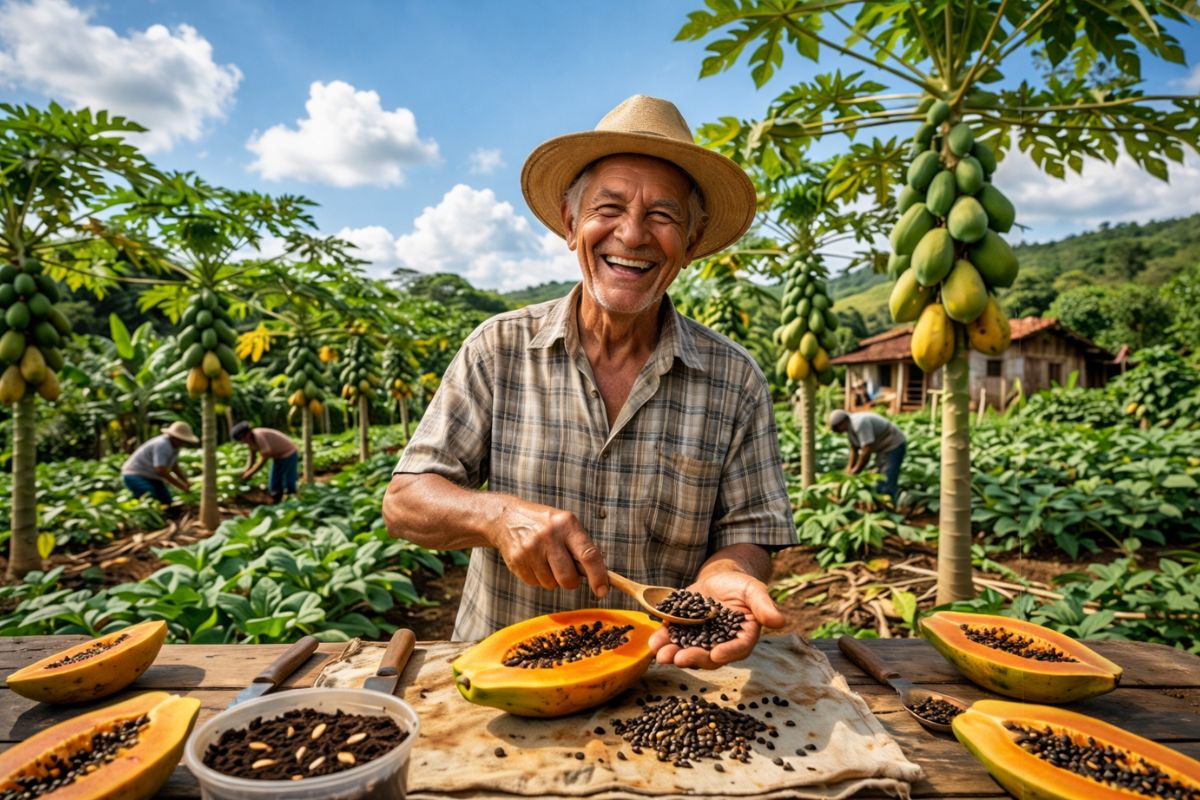
Mr. Mário reveals the technique of the caipira papaya: he cuts the fruit in half, discards the seeds from the tip, and plants the ones from the back to increase the chance of a productive female tree.
-
Few remember, but the submarine that disappeared in 1968 with 52 crew members was found after 51 years at the bottom of the sea at more than 2,000 meters, intriguing the entire world.

By the 15th century, coffee was already appreciated in Mecca and Constantinople, giving rise to the first coffeehouses, centers for meeting and intellectual debate.
From there, the drink conquered Europe in the 16th and 17th centuries, adapting to different tastes and customs, and spread across continents, becoming one of the most valuable commodities in the world.
The Vulnerability Of Coffee To Climate Change:
The production of coffee, especially the Arabica variety, is extremely sensitive to climatic conditions. The plant requires a mild subtropical climate, with stable temperatures and regular rainfall.
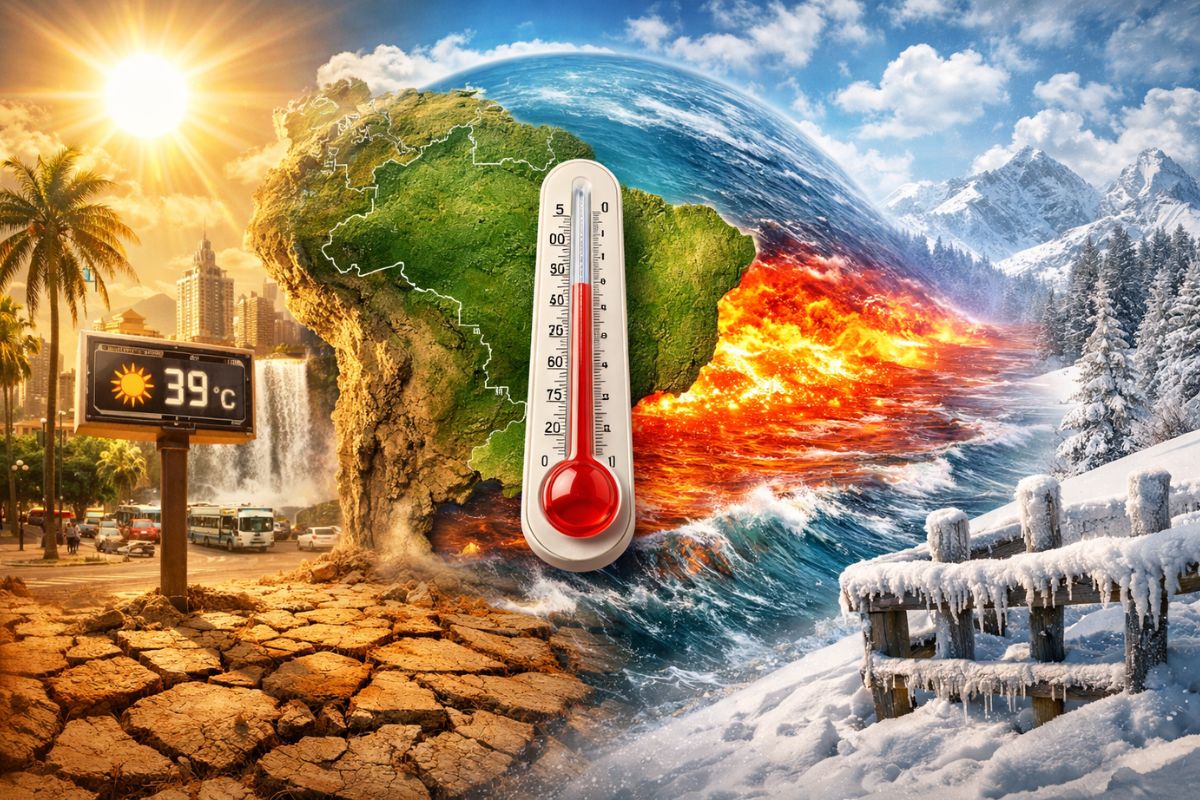
However, climate change has caused extreme events such as prolonged droughts, frosts, and torrential rains, which directly affect production.
Brazil and Vietnam, the world’s largest coffee producers, have suffered from the intensification of these climatic events.
In Brazil, the 2024 drought negatively impacted the harvest, while in Vietnam, the prolonged dry spell reduced production by 20%.
These events, increasingly frequent and intense, threaten the stability of production and the price of coffee, which has risen worldwide.
The Future Of Coffee And The Quest For Sustainability
The Food and Agriculture Organization of the United Nations (FAO) warns of the need to adapt to climate change in coffee production.
The development of more resilient varieties and the implementation of sustainable agricultural practices are essential to ensure food security and the continuity of this ancient tradition.
In addition to climatic challenges, coffee production faces other issues such as the exploitation of rural workers and deforestation.
The pursuit of a fairer and more sustainable coffee that respects the environment and workers’ rights is crucial for ensuring the future of the beverage.
Coffee, more than just a simple drink, is a symbol of culture and social connection. Its history, from Ethiopian legends to modern cafés, reflects humanity’s journey and the quest for flavors and experiences.
Protecting this tradition is a global challenge that requires action and awareness to ensure that future generations can enjoy the aroma and flavor of coffee.








Seja o primeiro a reagir!