





 Portuguese
  English
  Spanish
  4 min of reading
  0 comments


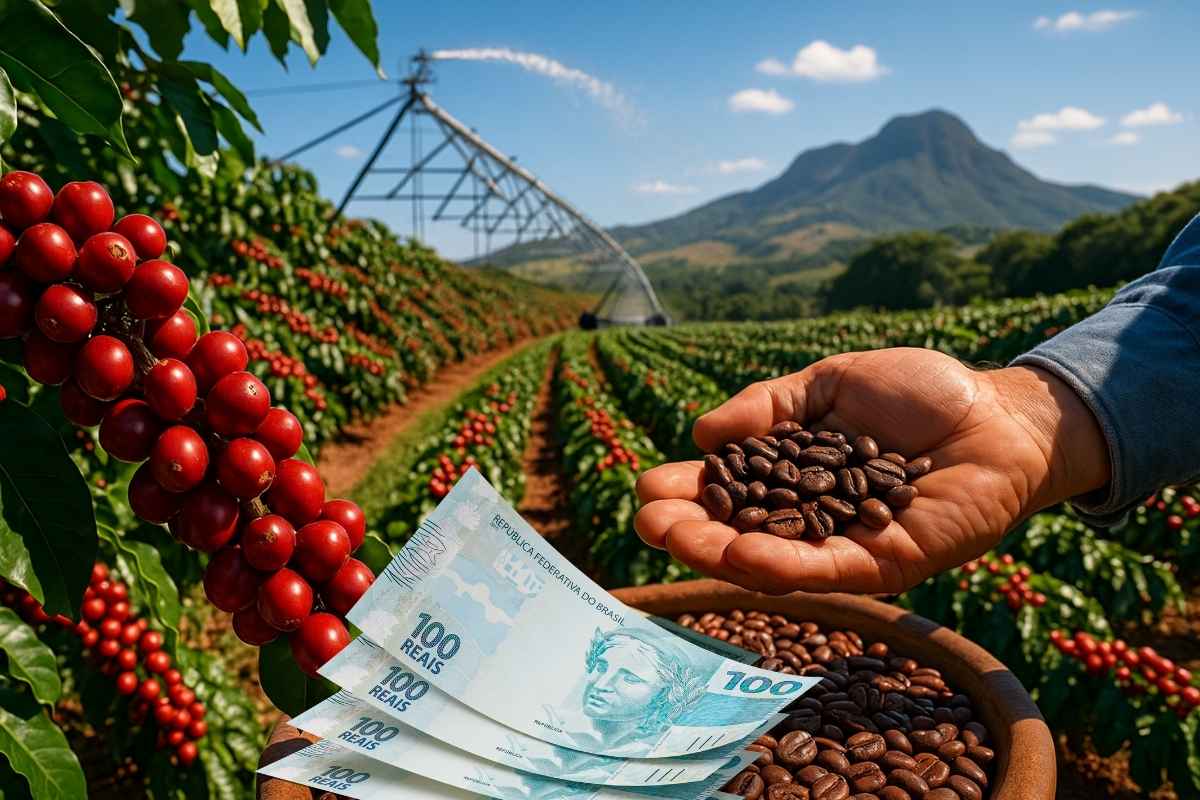
Producing High-Quality Coffees Requires Planning, Altitude, Irrigation and Rigorous Management to Achieve Extraordinary Margins.
The search for more profitable crops in agriculture has led small and medium producers to diversify their areas and invest in alternatives beyond soy and livestock. Among the options, specialty coffees stand out as the main promise, with the potential to generate revenue of up to R$ 100 thousand per hectare per year.
This result, however, does not happen by chance. The cultivation of premium coffees requires altitude above 800 meters, mild climate, clay soils and water availability for irrigation. Moreover, only those producers who invest in quality, certifications and detailed management practices achieve differentiated prices, ensuring competitive beans in national and international markets.
Special Coffee as the Protagonist of High Profitability
Investing in specialty coffees has attracted attention for its ability to generate up to five times more profit compared to conventional coffee.
-
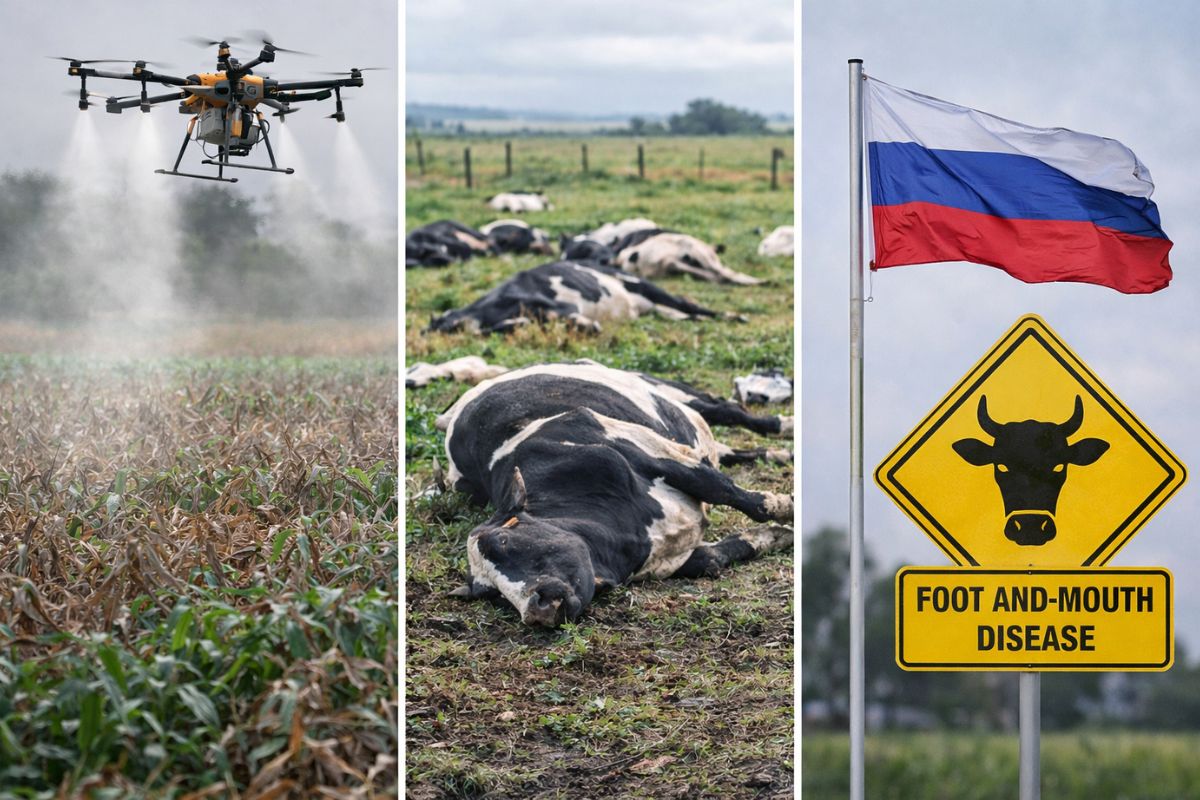
Agricultural drone sprayed poison into the air and destroyed the neighbor’s crops, causing 1 million in damages; 48 cows died from nitrite poisoning in the pasture, and Russia is hiding a possible outbreak of foot-and-mouth disease: the week was brutal for the rural sector.
-
Russia cut fertilizers, China cut fertilizers, and oil prices soared with the war in the Middle East: sugarcane producers in the interior of São Paulo are seeing costs explode from all sides and warn that the effects will take months to be absorbed.

-
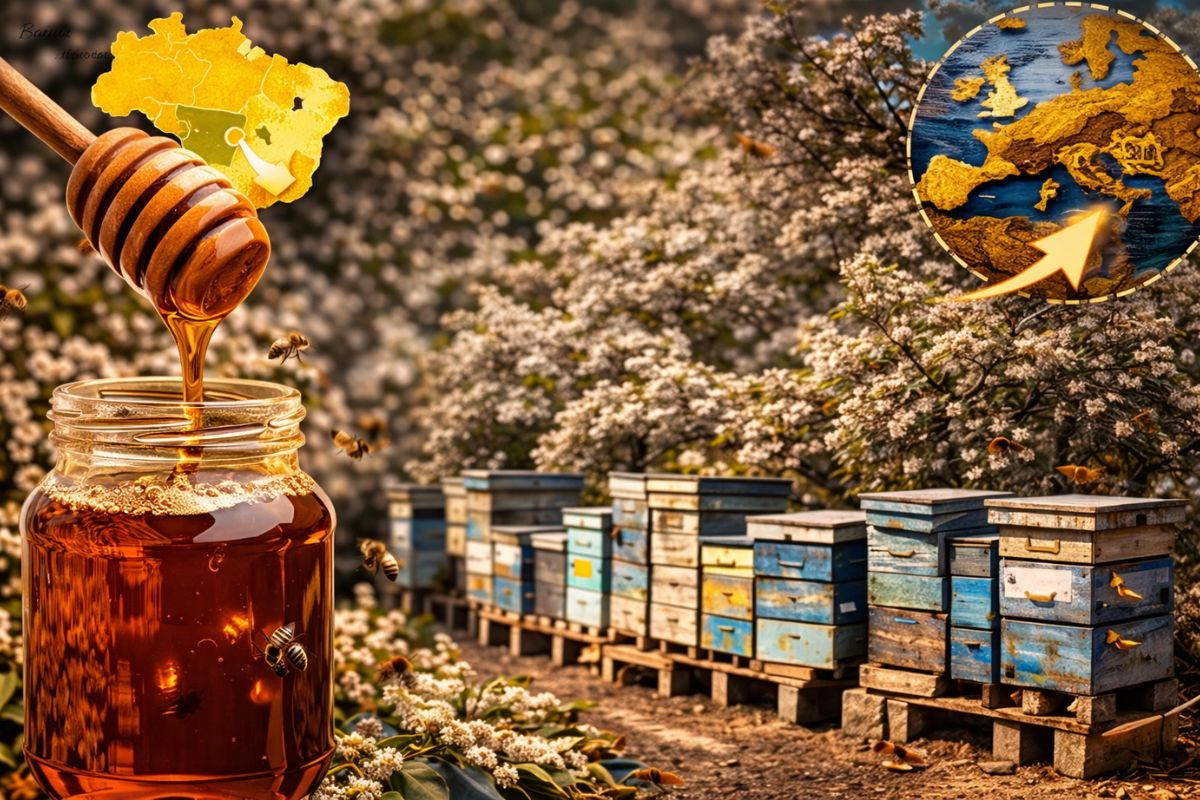
It does not come from flowers, is produced only every two years, and more than 90% goes straight to Europe: meet the bracatinga honeydew honey from Santa Catarina, considered one of the rarest in the world and overlooked by Brazil itself.
-
They said no to 26 million dollars and would do it all over again: mother and daughter from Kentucky reject a million-dollar offer from a mysterious company that wants to build the largest data center in the state on more than 2,000 acres of rural land.


Producers report that small areas, such as plots of one to three acres, are sufficient to achieve significant results when well-managed.
The initial investment ranges from R$ 25 thousand to R$ 30 thousand per hectare, considering implantation and basic structure.
From there, with well-cared-for harvests aimed at premium markets, it is possible to surpass the average of traditional coffee farming.
Differentiation lies in the positioning of the product, which can win awards, certifications, and loyal customers.
Pink Pepper: Growing Demand and Low Competition
Another bet among the most profitable agricultural crops is pink pepper.
Despite low production in Brazil, international demand is strong, especially in Europe, where it is used in gastronomy, cosmetics, and medications.
The average market price hovers around R$ 50 per dry kilogram, but national supply still does not keep pace with demand.
This gap opens up space for new producers, especially in small areas, who can integrate pink pepper with other crops and direct a significant portion of production for export.
The reduced competition makes the moment favorable for those looking to start.
Pupunha Heart of Palm: Continuous Harvest and Stable Market
Pupunha heart of palm also appears on the list of lucrative alternatives.
Unlike other species, its harvest does not kill the plant, allowing for successive cuts and reducing replanting costs.
This characteristic ensures constant production, serving both the domestic market and exports.
With steady demand in the food sector, pupunha heart of palm also contributes to soil improvement and can be integrated into other production systems.
For those seeking diversification, it is a medium-term option with stability.
Horticulture and Irrigated Fruit Culture: Quick Turnaround and Monthly Income
Vegetables and irrigated fruits are known for their short cycle and fast returns.
Lettuce, tomatoes, potatoes, carrots, and peppers can be planted and harvested in 30 to 90 days, ensuring regular cash flow.
Producers report earnings of R$ 8 thousand to R$ 15 thousand per hectare per month, depending on the sales channel.
In terms of fruit culture, the highlight goes to irrigated crops such as mango, melon, guava, and orange, which allow for year-round production.
In addition to domestic consumption, Brazilian fruits have great acceptance abroad, opening doors for export and stable contracts with supermarket chains.
Intensive Livestock Farming: Tradition Adapted to Modernity
Although not new, livestock farming remains among the most profitable crops in agriculture when conducted in an intensive system with rotational grazing.
This model allows for increased land productivity, improved soil management, and higher profitability per area.
More than tradition, intensive livestock farming is now a way to maximize results on properties of any size, as long as there is planning in animal nutrition, pasture rotation, and market management.
Producers who adopt this model achieve greater efficiency and protection against sector fluctuations.
Açaí in the Cerrado: The Purple Gold on the Rise


Açaí, a traditional fruit from the Amazon, is beginning to be cultivated in irrigated areas of the Brazilian Cerrado.
This movement expands the reach of the fruit, which is already referred to as purple gold of agribusiness.
With consumption rising in Brazil and abroad, açaí represents an agricultural frontier capable of generating high returns.
In addition to the fresh fruit, processing into pulp opens opportunities to add value and increase producer income.
The successful adaptation to the Cerrado could transform açaí into one of the most promising crops of the next decade.
The most profitable crops in agriculture go beyond soy and cattle.
Specialty coffees, pink pepper, pupunha heart of palm, irrigated horticulture, fruit culture, intensive livestock farming, and açaí from the Cerrado are examples of how the Brazilian agribusiness can reinvent itself, even in small areas.
Do you believe that the future of agriculture involves this diversification? In your opinion, will specialty coffee truly be the most profitable crop, or can others, like açaí and pink pepper, surprise? Share your perspective in the comments; we want to hear from those who live the field in practice.








-

Uma pessoa reagiu a isso.