





 Portuguese
  English
  Spanish
  6 min of reading
  0 comments


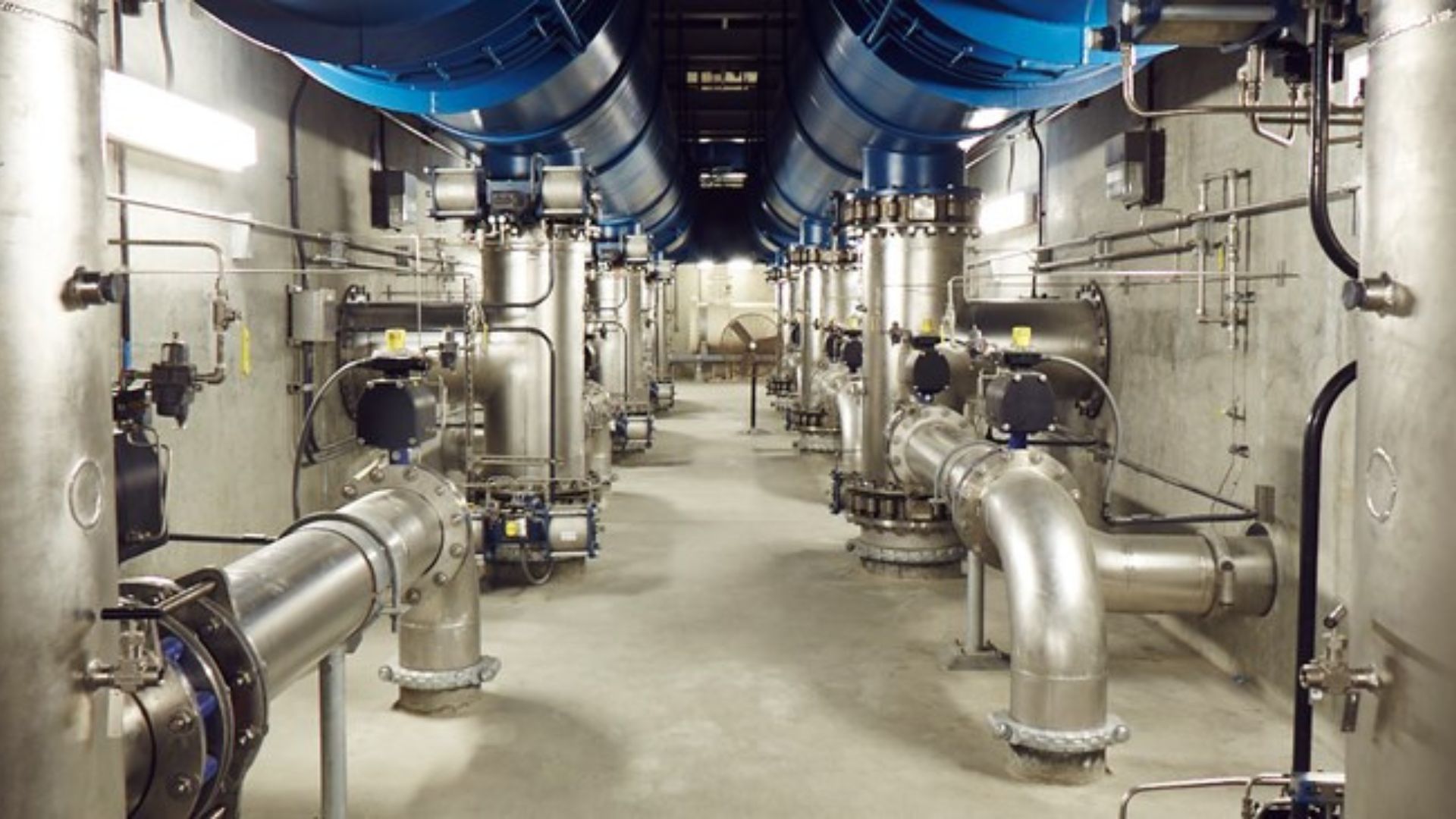
Silent Transformation in Southern California Reuses Effluents, Purifies Gigantic Volumes, and Returns Water to the Groundwater. System Recharges Aquifers, Creates Barrier Against Seawater Intrusion and Reduces Dependency on Water Imports in Dry Periods.
In Southern California, a water reuse system that has been operating since January 2008 has begun to be treated as a water security infrastructure: the Groundwater Replenishment System (GWRS), in Fountain Valley, Orange County.
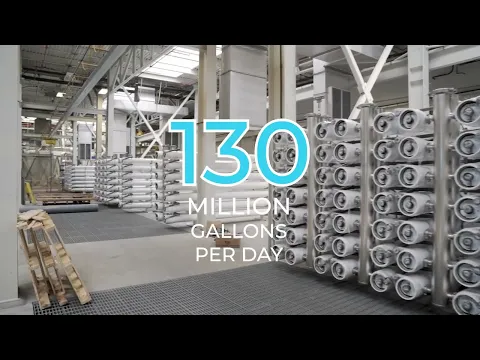
The facility produces up to 130 million gallons of high-quality water daily from previously treated effluent, with the final destination underground, where the water is injected and also infiltrated to recharge aquifers.
The project is a partnership between the Orange County Water District (OCWD) and the Orange County Sanitation District (OC San) and is cited by state public agencies as the largest advanced effluent purification system in the world, with production associated with supplying up to 1 million people in the region.
-
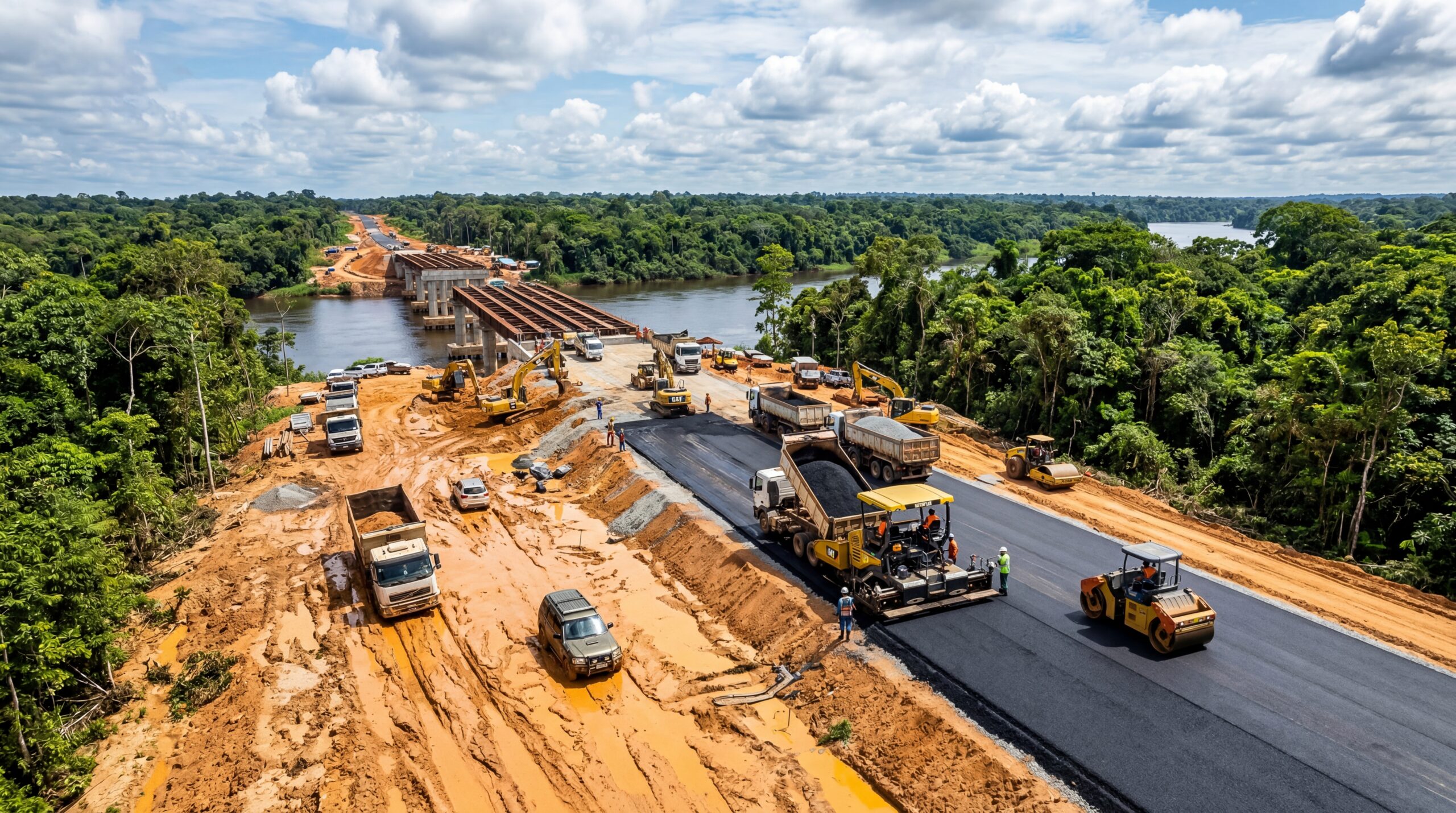
After nearly 50 years of neglect, BR-319 receives R$ 678 million to pave 340 km, gain a 320-meter bridge, and try to lift Amazonas out of the mud, the quagmire, and road isolation.
-
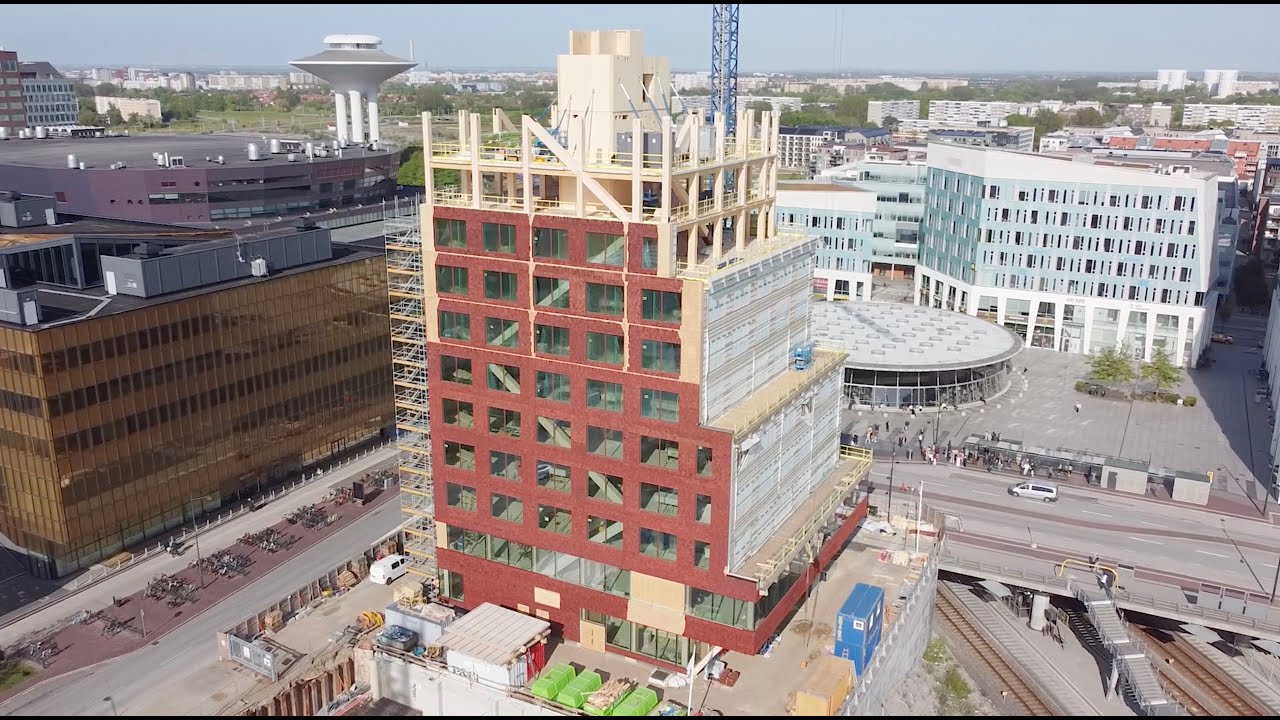
In Sweden, a 51-meter tower was built almost entirely of wood, without a concrete structural core and with solar panels integrated into the facade, using CLT and laminated beams to challenge the dominance of steel and concrete in modern buildings.
-
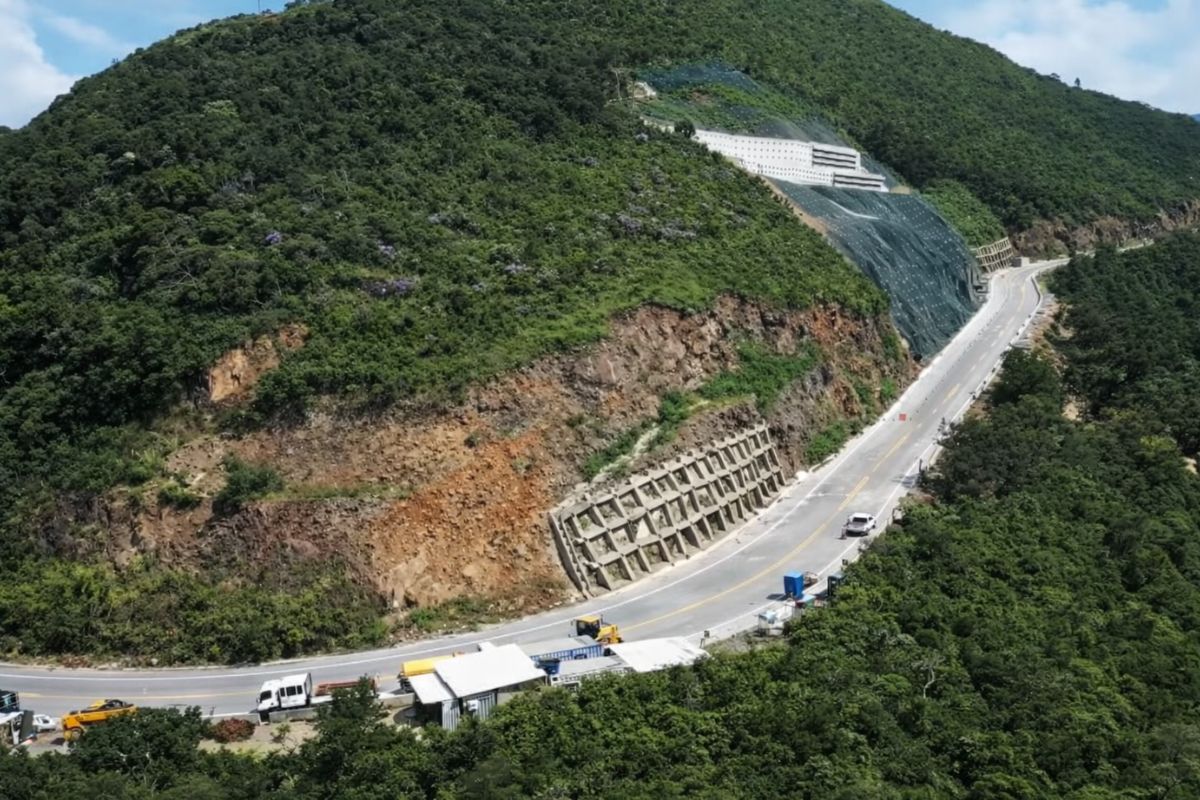
The section of Serra da Rocinha on BR-285 is now open in Timbé do Sul: 50 m tensioned curtains and top-down technique stabilize the slope, with a stairway duct controlling the water.
-
Scientists use sawdust mixed with clay to create a lighter brick, promising efficient thermal insulation and impressing by transforming waste into a solution for construction.

The logic of the GWRS is not to send purified water directly to the tap.
The adopted model is that of indirect potable reuse: water, after going through advanced treatment, is incorporated into the aquifers that supply the local groundwater basin.
According to the California State Water Resources Control Board, the process includes injection and percolation of water into the aquifers of Orange County until it becomes part of the supply system associated with the groundwater used by the served cities.
Injection into the Groundwater and Recharge of Aquifers in Orange County

The operational division reported by OCWD details how the volume is distributed when the plant operates at capacity: about 30 million gallons per day are pumped to injection wells in Huntington Beach and Fountain Valley to create a barrier against seawater intrusion; approximately 10 million gallons per day flow through pipelines to injection wells in the central basin, in Santa Ana; and around 90 million gallons per day are sent to percolation basins in Anaheim, where the water naturally passes through layers of sand and gravel until it reaches deeper aquifers, expanding the local water supply for consumption.
The starting point of the system is an effluent that, under conventional conditions, could be discharged into the Pacific Ocean after treatment at sewage treatment plants.
In the GWRS, this effluent undergoes an additional purification step with three technological barriers described by the operators: microfiltration, reverse osmosis, and disinfection using ultraviolet light combined with hydrogen peroxide.
The goal is to remove particles and microorganisms, reduce dissolved salts, and degrade organic compounds, producing water that, according to OCWD, meets state and federal drinking water standards.
The facility is presented by the districts as a “locally controlled” production system that is resilient to dry periods, precisely because it relies on treatable sewage flow and an integrated purification and recharge infrastructure already incorporated into aquifer management.
Barrier Against Saline Intrusion and Protection of the Coastal Aquifer

The emphasis on “storing water” underground also responds to a typical threat faced by coastal aquifers: when the extraction of groundwater reduces the pressure of the water table, saline water can advance from the ocean inland through geological formations, raising salinity and compromising the quality of the water extracted.
The solution used in Orange County, as described by the district itself, is to maintain a hydraulic barrier via injection wells near the coast.
By injecting high-quality water into this area, the system helps maintain groundwater levels that hinder the sea’s entry into the freshwater basin.
Expansions Since 2008 and Capacity of 130 Million Gallons Per Day
The project has scaled up through expansions over the years.
In April 2023, the California State Water Resources Control Board announced the completion of the final expansion phase of the GWRS, stating that the system had expanded twice since its opening in 2008, reaching a production capacity of 130 million gallons per day.
The same announcement describes the facility as located in Fountain Valley and emphasizes that the purified water is incorporated into the aquifers of Orange County through injection and percolation until it becomes part of the regional supply.
Public Investment and Long-Term Funding in California
In addition to the operational aspect, public data from the state and the districts reveal that the project relies on a combination of engineering and long-term financing.
In the state announcement of 2023, the division of financial assistance reports having allocated US$ 491 million to the GWRS over 17 years, an amount indicated as exceeding 54% of the project’s capital costs.
The message from the state is that investments of this scale aim to diversify sources and increase the resilience of the supply, especially in regions with a history of drought cycles.

Less Water Imported from the Colorado River and the Sacramento-San Joaquin Delta
The argument of “reducing dependency on distant rivers” is objectively present in the numbers of the local water management system itself.
In the same state material, OCWD is described as a district that primarily relies on groundwater and still imports some supply to the north and center of Orange County from the Colorado River and the Sacramento-San Joaquin Delta.
The estimate released by the agency is that the GWRS will replace 134,000 acre-feet per year of historically imported water, reducing the demand on the Sacramento-San Joaquin Delta by 60,000 acre-feet annually.
Converted to usual metric units, these volumes equate to approximately 165 million cubic meters per year of replenished imported water and about 74 million cubic meters per year of reduced demand on the delta, according to the acre-foot conversion standard used in the United States.
Goals, Records, and the Mark of 400 Billion Gallons Produced

The districts themselves also present goals associated with the total recovery of locally treatable sewage.
In the institutional communication from OCWD, the system is described as capable of recycling 100% of the considered recoverable local flow and meeting a significant portion of the total water demand in the area covered by the district.
The same source reports that, by 2023, the GWRS had produced over 400 billion gallons since it began operations and that the project had received a Guinness World Record related to the volume of recycled sewage for drinking water in a 24-hour period, during a commemorative action for the system’s anniversary.
Indirect Potable Reuse, Regulation, and Public Acceptance
For daily operation, the characteristic that draws attention outside the United States is the integration of sanitation, purification, and aquifer management into a single water security design.
Instead of solely relying on capture from rivers and reservoirs, the strategy is anchored in an infrastructure that transforms effluent into “new water” and keeps it underground, with part of the volume specifically dedicated to a barrier against marine intrusion and another part aimed at recharging the basin through percolation.
This is an approach based on regulatory standards, permits, and monitoring, as the produced water enters, directly or indirectly, into a system associated with the supply of drinking water.
In a scenario where different regions around the world are beginning to discuss potable reuse and underground storage as long-term responses to water variability, what type of transparency, regulation, and public acceptance would be required for similar solutions to scale in large Brazilian cities?





Seja o primeiro a reagir!