





 Portuguese
  English
  Spanish
 4 min of reading
  0 comments


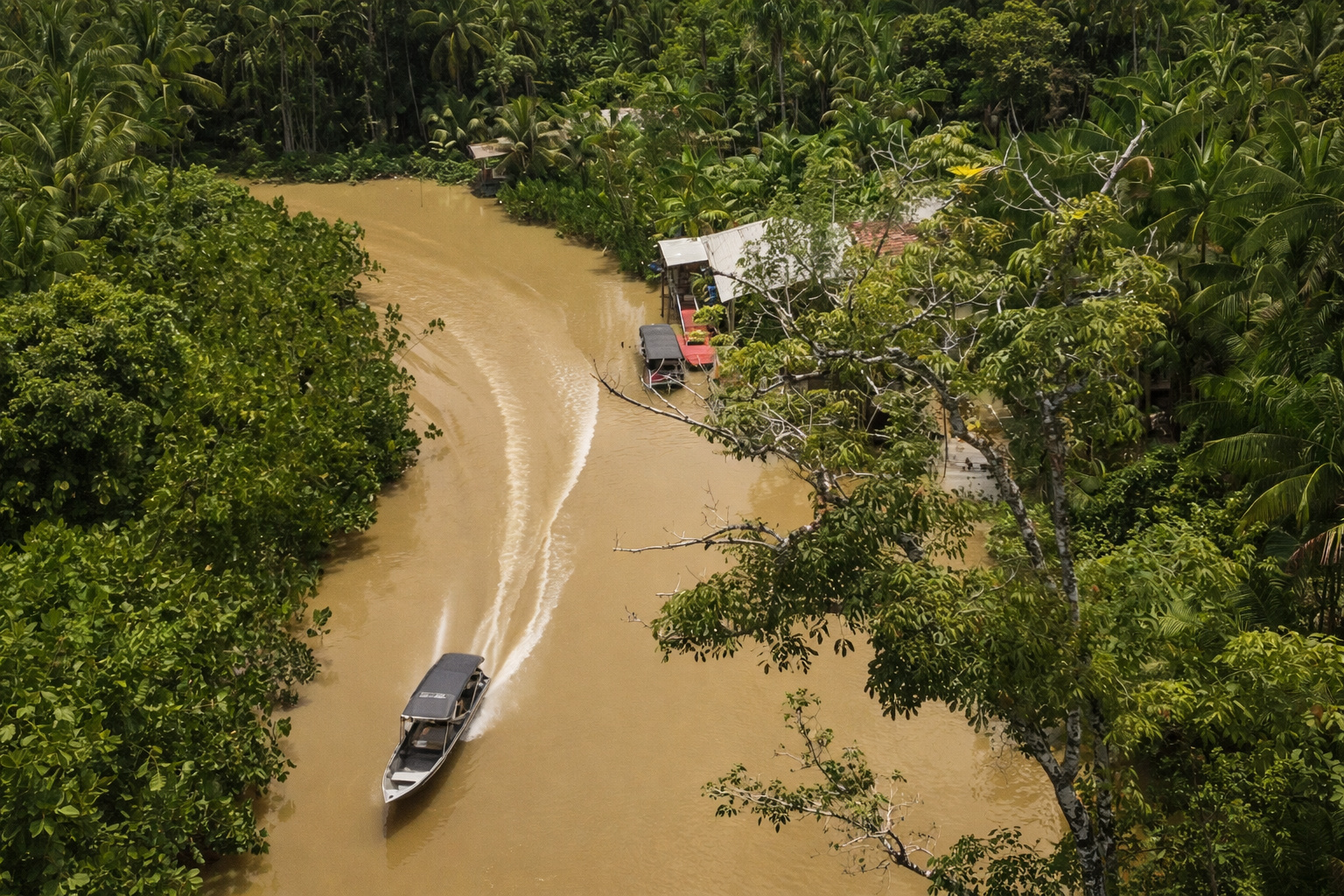
Among Unair-Conditioned Schools, Loss of Green Areas, Health Impacts, Economic Difficulties, and an Increasingly Challenging Daily Life, Adolescents from the Periphery and the Islands of Belém Explain How the Heat Has Ceased to Be an Exception and Has Come to Shape Life in the City That Hosted the Global Climate Debate
The heat arrives early and quickly takes over the day. By morning, the air is already heavy. Thus, resting becomes difficult. In addition, simple tasks begin to require physical and mental effort. In Belém do Pará, the capital that hosted COP30, climate changes are no longer distant. Since then, they have become part of urban routine.
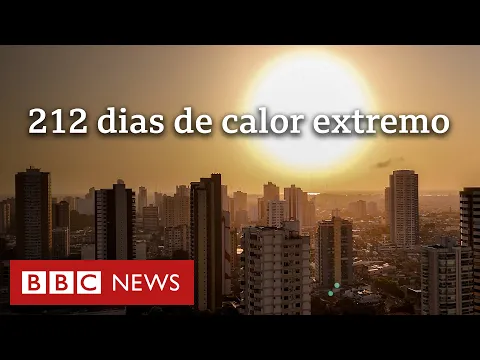
In 2025, Belém led the national ranking of days with extreme heat. In total, there were 212 days with maximum temperatures exceeding historical records. This data was analyzed in 2026, based on official meteorological series. Therefore, the heat has ceased to be sporadic and has become recurrent.
The information was presented in a report broadcasted nationwide. The production traversed peripheral neighborhoods and islands of the capital. In this way, it heard from young people who deal daily with intense heat, limited infrastructure, and few adaptation alternatives.
-
Embrapa’s discovery reveals an unexpected advancement by allowing the production of seedlings from the caatinga using brackish water, opening a new frontier for farmers to face drought more efficiently.
-
6 sources of free fertilizer that you are throwing away every day and can transform your garden without spending anything.

-
With a water crisis on the radar, Sabesp invests in reclaimed water for data centers and transforms sewage treatment into a solution that saves millions of liters and protects public supply.

-
Foresea achieves 100% offshore waste reuse in 2025, eliminates landfill disposal, and consolidates sustainable strategy with 1,500 tons recycled.

Unair-Conditioned Schools Directly Affect Learning
First of all, the impact appears in education. João Vitor da Costa Silva, known as João do Clima, is 16 years old. He lives on the Island of Caratateua. Over 15 years, he studied in a public school without air conditioning. As a result, excessive heat compromises concentration and academic performance.
Moreover, staying in the classroom becomes exhausting. Similarly, the commute to school requires more effort. Thus, the heat interferes with the school routine for practically the whole year, especially until 2024. Consequently, physical and psychological well-being is also affected.
According to reports, the problem goes beyond the classroom. The heat makes it difficult to sleep. Additionally, it reduces rest. For this reason, adolescents live with constant fatigue. This affects social and emotional development.
Tree-Lined Center Contrasts with Hotter Periphery
Belém is known as the “city of mango trees.” Indeed, tree-lined avenues help mitigate the heat. However, this scenery is concentrated in central areas. Meanwhile, the reality in the peripheries is different.
Between 1985 and 2023, approximately 20% of the municipality’s forest cover disappeared. This data comes from official environmental monitoring. Mainly, the loss occurred with urban expansion into peripheral areas. Thus, streets were opened and paved after trees were removed.
As a consequence, the temperature difference became evident. A street with trees records lower temperatures. On the other hand, streets without vegetation become hotter. Therefore, thermal comfort varies according to the neighborhood.

Health, Grief, and Increased Exposure to Heat
Moreover, the heat also affects health. João Vitor’s mother passed away in the 2000s. She was a victim of skin cancer. For years, she faced intense sun exposure on her daily commute to work, always at noon.
For the young man, the disease is linked to a broader context. This scenario involves fewer green areas and higher temperatures. Additionally, there is a lack of access to prevention. Thus, low-income workers are more exposed to the effects of prolonged heat.
The Heat in the Wallet: Impact on Açaí
In addition to health and education, intense heat has impacted the local economy. In 2025, Belém faced difficulties in the supply of açaí. The food is central to the diet and income of thousands of families. During this period, the price of a liter reached record values.
According to producers, the reduction in harvest had several causes. Among them are international demand and changes in rainfall patterns. Moreover, excessive sun dried the fruits. As a result, the productivity of the palms decreased.
In light of this, many families began to buy less. Others opted to dilute the product with water. Thus, consumption was maintained, but with a direct impact on income.
Concentrated Rains Increase Urban Challenges
Climate data show another important pattern. Until 2024, the total volume of rainfall increased. However, these rains began to concentrate over few hours and days. Thus, they do not help with thermal balance.
Moreover, this pattern is not favorable to agriculture. On the contrary, it hinders the production cycle of açaí. Thus, the effects of prolonged heat intensify in urban daily life.
Young People Call for Participation in Future Decisions
Finally, adolescents from neighborhoods like Jurunas and the islands of Belém state that they already feel the effects of these transformations. They emphasize that they should be studying and socializing with other young people. However, they end up taking on responsibilities early.
In this way, they advocate for their voices to be heard. For them, extreme heat shows that everyone faces the same climatic phenomenon. However, the conditions are different. While some have access to infrastructure, others deal daily with higher temperatures in a scenario that already redefines the present and future of the capital of Pará.









Seja o primeiro a reagir!