





 Portuguese
  English
  Spanish
 3 min of reading
  0 comments


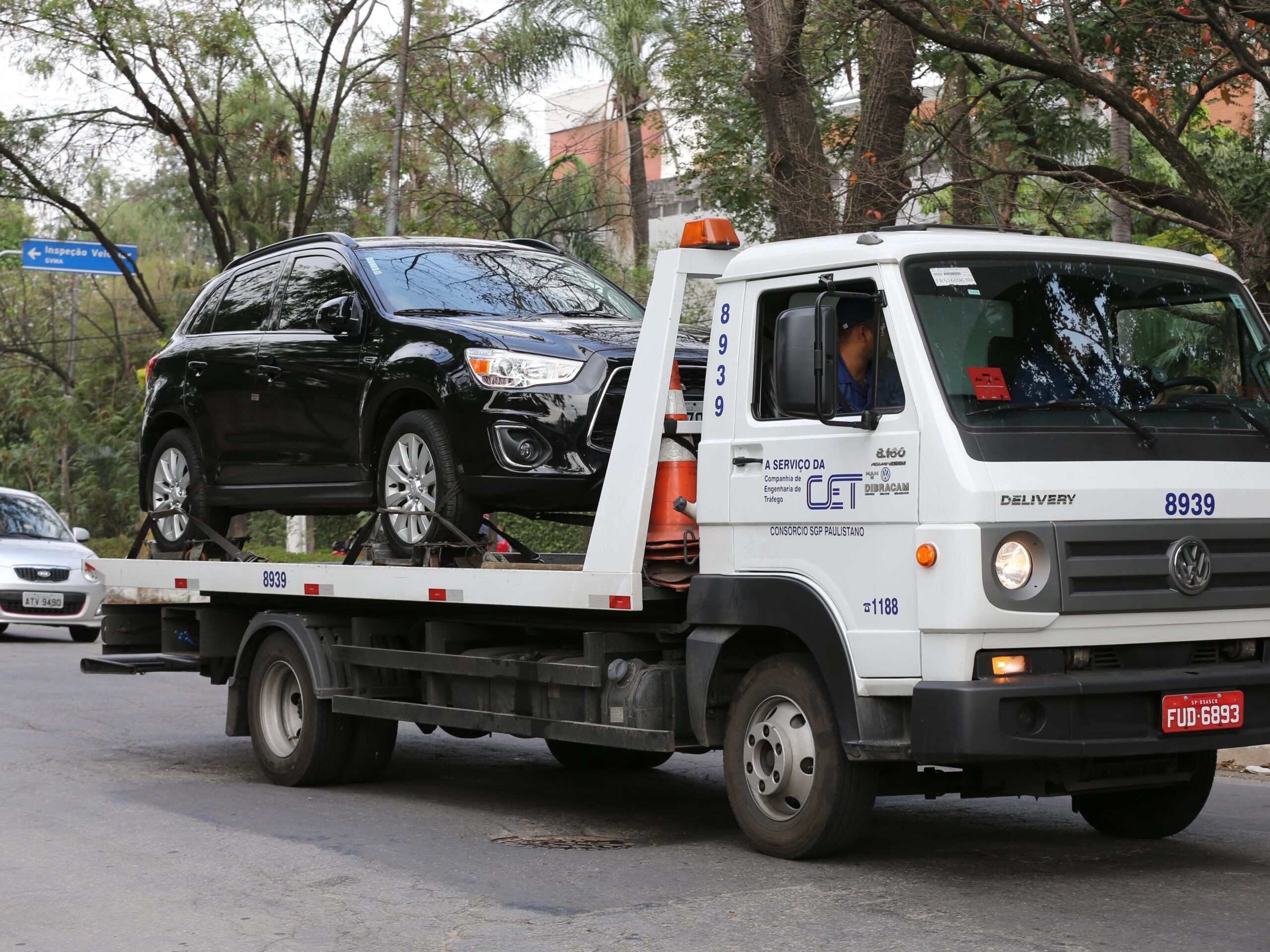
Chamber Approves Changes to Vehicle Towing in Brazil. Bill Reduces Stay Time, Limits Tows on Weekends, and Defines New Rules in the Traffic Code.
The Committee on Transportation and Communications of the Chamber of Deputies approved a report that could transform the way vehicle towing works in Brazil. The text, reported by Deputy Rosana Valle, prohibits tows on weekends and holidays when there is no release structure, a measure aimed at preventing daily charges on days when the yards remain closed.
The proposal also reduces the maximum charging period for stays from six to three months and keeps towing only in serious security and traffic situations.
What Changes in Vehicle Towing
The bill alters sensitive points of the Brazilian Traffic Code, establishing new rules for when cars can be towed.
-
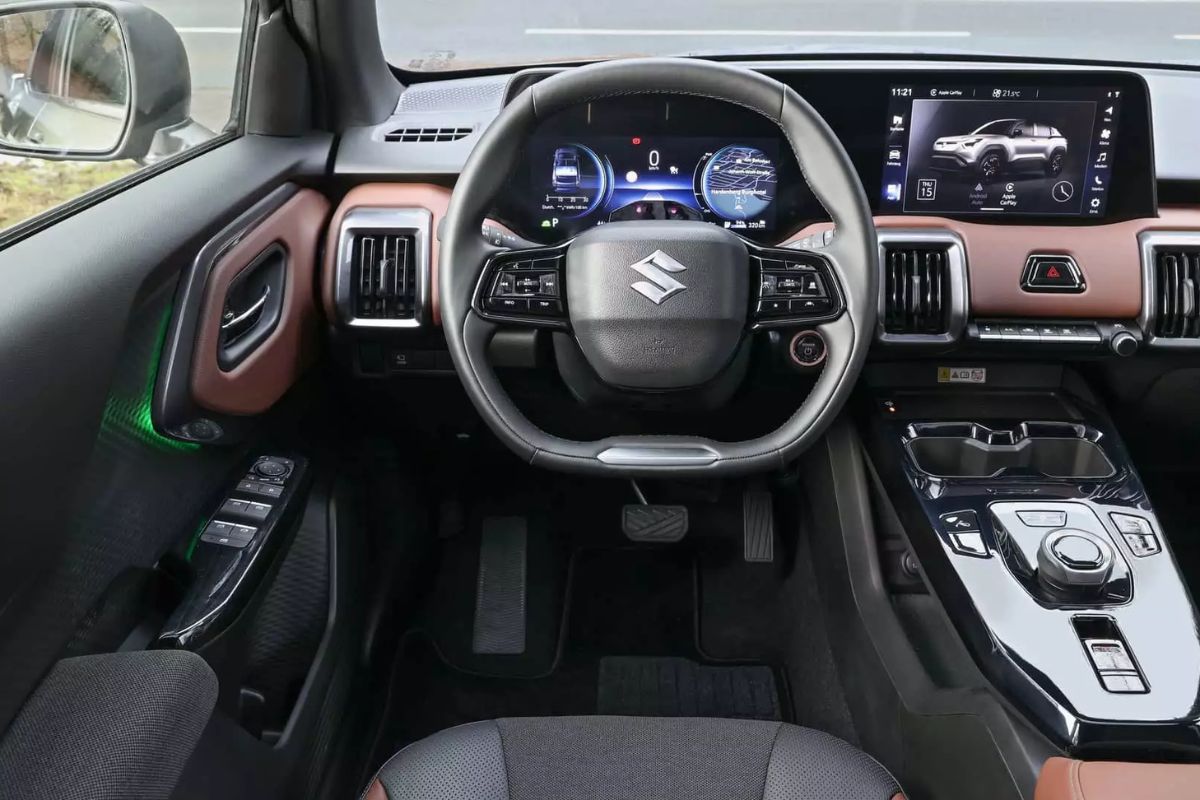
The 2026 electric Vitara arrives in Brazil and proves that Suzuki is not leaving: 4×4 traction, 184 hp, 61 kWh LFP battery, 293 km range, R$ 259,000, and a trunk capacity of 224 L.
-
Hyundai has unveiled the Boulder, a square SUV with a body-on-frame design, 37-inch mud tires, and carriage-style doors that seems to be made to take on the Ford Bronco and the Scout Traveller in the United States.

-
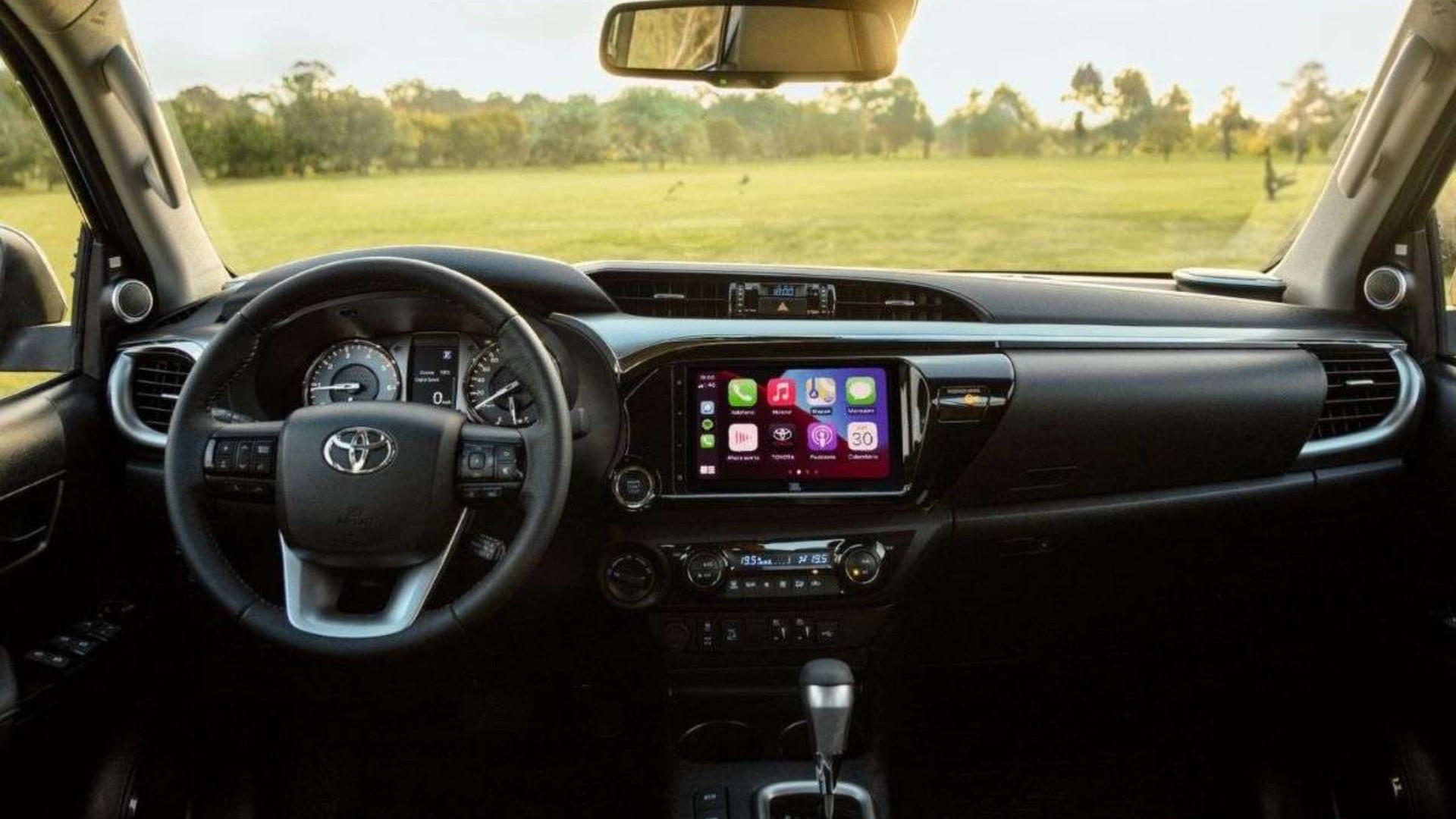
The Toyota Hilux is R$ 75.5 thousand cheaper and bets on the 2.8 turbodiesel engine with up to 204 hp and 50.9 kgfm to catch up with the VW Saveiro, which leads with 4,472 sales.
-
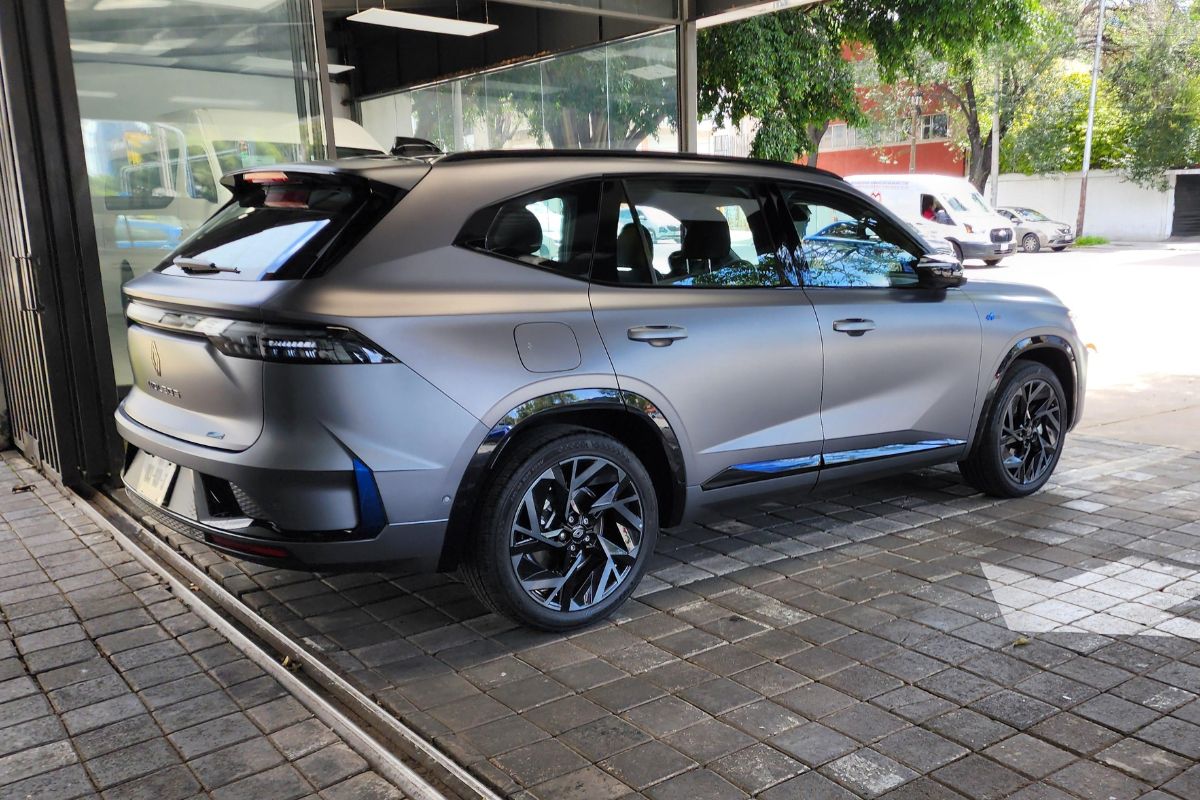
The new Renault Koleos has a screen exclusively for the passenger that is invisible to the driver, heated rear seats, and 29 assistance systems, but its Chinese competitors cost R$ 40,000 less and deliver more power.

Among the changes, the prohibition of towing on weekends and holidays stands out, except in cases of imminent risk to safety or obstruction of roads.
According to Rosana Valle, “citizens who have their car towed on a Friday are left with no options until Monday, as most yards do not open on weekends.
This results in additional expenses that are beyond the driver’s control, even in simple irregularity situations.”
Reduction in Stay Time for Towed Cars
Currently, legislation allows for charges of up to six months of stay in yards. With the new proposal, this limit will change to three months.
The rapporteur justifies that the change will provide more predictability for drivers and prevent debts from becoming unpayable.
This change seeks to address frequent criticisms about abusive charges imposed on those who have their cars retained for long periods.
The expectation is that the measure will bring more balance between public revenue and drivers’ rights.
When Towing Will Continue to Be Applied
The new towing rules do not completely eliminate the removal of vehicles. The approved text maintains authorization in cases of:
- obstruction of roads;
- situations of risk to road safety;
- emergencies;
- serious infractions provided for in the Traffic Code.
Fines will continue to be applied normally, but the focus is to limit tows that generate extra expenses without the chance of immediate regularization.
Towing in Brazil: Impact on Drivers and Cities
Towing in Brazil is a controversial topic, mainly because of the costs associated with the yard and daily fees.
In many cities, drivers complain about not being able to retrieve their vehicle quickly, accumulating debts that exceed the value of the car itself.
With the approved proposal, lawmakers intend to balance the relationship between enforcement and financial justice, as the current system is seen as excessively punitive for simple infractions.
New Developments for Bicycles in Santos
In addition to changes related to towed cars, the city of Santos announced new measures for seized bicycles.
Starting in September, they will be sent to the municipal yard, with a release fee of R$ 65.21.
Those who choose to take a free traffic rules course will be exempt from payment, encouraging traffic education.
Next Steps in Congress
Despite approval in the Committee on Transportation and Communications, the bill still needs to pass through the Committee on Constitution and Justice (CCJ), which is responsible for assessing the constitutionality of the proposal.
If approved, it will go to the Senate before becoming law.
Meanwhile, the political and social debate on how to balance traffic enforcement, public revenue, and citizens’ rights is growing.
The Union of Councilors of Baixada Santista has already announced a public hearing to discuss problems related to Sabesp, in a scenario that highlights how administrative decisions directly impact the daily lives of Brazilians.










-

-

-

-

-

25 pessoas reagiram a isso.