





 English
  Francês
  Alemão
  Italiano
  Japonês
  Norueguês
  Portuguese
  Spanish
  5 min of reading


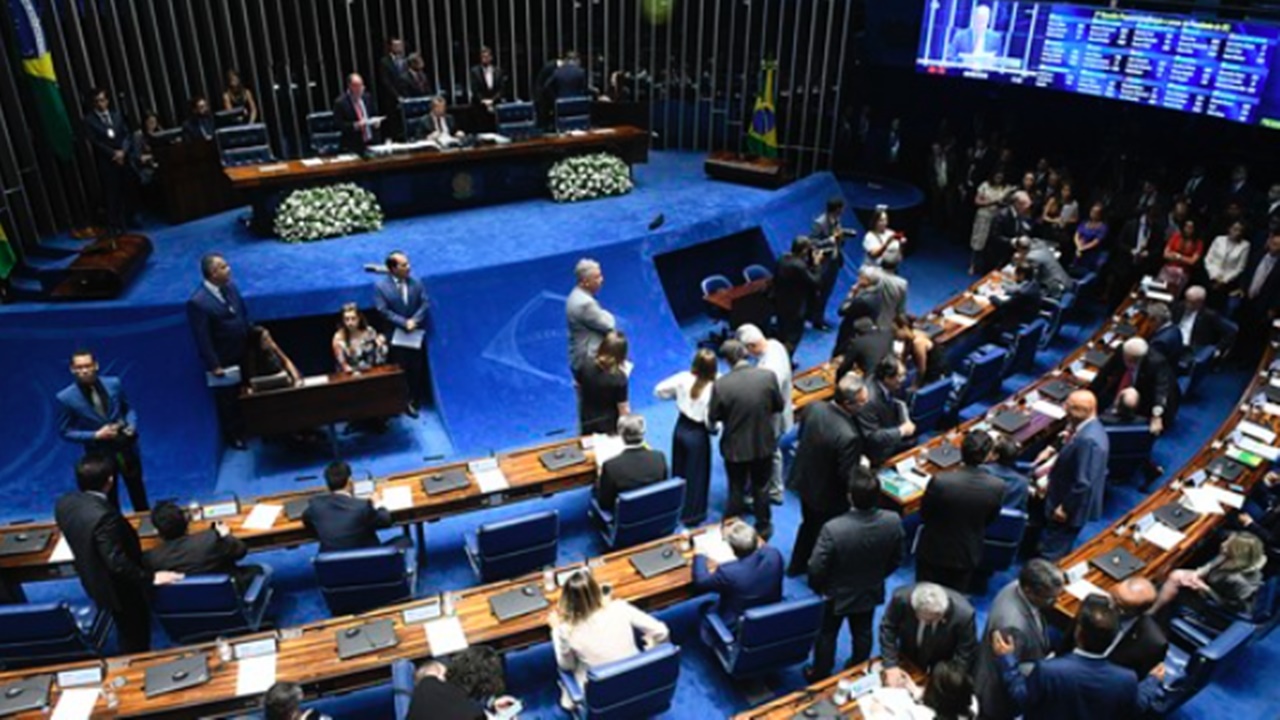
Deputies Approved the Repeal of the Minimum Wage for Agronomists, Architects, Engineers, and More Professionals, That Had Been in Force Since 1966; Categories Want to Reverse the Decision in the Senate
The Chamber of Deputies quietly revoked the minimum wage in effect since 1966 for graduates in five categories, including Architecture, Engineering, Agronomy, Chemistry, and Veterinary Medicine, while nurses across the country fight for the approval of Bill No. 2564/2020, known as the Nursing Bill, aimed at professional recognition with a minimum wage and respect for a 30-hour workweek.
Read Also
- Unrestricted strike of truck drivers is still predicted for Sunday; category is against the increase in fuel prices set by Petrobras
- FIAT offers job openings, apprenticeships, trainee positions, and internships at its largest industrial plant in the world, located in MG; candidates with and without experience in high school, technical, and higher education can submit their resumes
- Sotreq, the official dealer of Caterpillar machinery and systems, calls today (07/22) for job openings to fill its maintenance team in São Paulo, Bahia, Espírito Santo, and more regions in Brazil
- Diesel prices soar and register over R$ 5 this semester, the highest value of the year!
- Subsea 7 opens positions in RJ for candidates without experience to start working in September in its technical internship program in the oil and gas industry
Among the arguments is the claim that companies can no longer operate with so many laws. This was stated to Estadão by Deputy Marco Bertaiolli (PSD-SP), rapporteur of Provisional Measure (MP) No. 1,040 which supposedly aims to simplify the opening of businesses. The deputy included in the MP, approved in symbolic voting at the end of June, the repeal of Law No. 4,950-A, which guarantees the minimum wage for these five categories. For graduates of four-year degree programs, the minimum wage is six minimum salaries (R$ 6,6 thousand). For shorter courses, the minimum wage is five salaries (R$ 5,5 thousand).
Repeal of the Minimum Wage for Professionals in Architecture, Engineering, Agronomy, Chemistry, and Veterinary Medicine is Unconstitutional and Goes Against the Right to Dignified Remuneration
The so-called “jabuti” in the jargon of the National Congress, included in the MP, is unconstitutional because it has no relation to the primary scope of the provisional measure, claim advocates for workers’ rights. As the federal councils of these categories mobilize to reverse the measure in the Senate, more than 30 amendments have already been presented to preserve the minimum wage for these professionals and ensure oversight by the councils. They may also turn to the courts.
-
Chinese giant worth nearly R$ 4 billion that manufactures cables for electric cars, solar energy, and robotics wants to open a factory in SC.

-
Many employers do not know, but the law guarantees domestic workers a 25% increase in salary during trips, 50% for overtime, 20% for night shifts, and 17 additional benefits that can lead to labor lawsuits if not paid.

-
Gasoline prices soar and the question arises: is ethanol more advantageous? The 70% rule reveals the limit with gasoline.

-
The government has made a decision and is starting a test with more ethanol in gasoline, anticipating a mixture of up to 35%, diesel with 25% biodiesel, and a study to assess the impacts on engines.


For the rapporteur, the only minimum wage that should exist in the country is the minimum wage, and unions of other categories should negotiate with companies, he said to the newspaper. “We seek to de-bureaucratize Brazil as much as possible. Together with the Ministry of Economy, we aim to repeal legislations that no longer make sense in reality. One of them is the minimum wage for certain specific professions,” says the deputy.
For the author of the Nursing Bill, Senator Fabiano Contarato (Rede-ES), “the repeal of the minimum wages for these five categories goes against the right to dignified remuneration to meet the basic vital needs of the worker, which directly violates the principle of human dignity.”
“There is no justification for the removal of the minimum wage for these workers. Setting minimum values for the exercise of professional activities is proportional to the extent and complexity of the work,” the senator told Estadão.
Amendment Will Affect Over 1 Million Professionals
According to Estadão, the vice president of the Federal Council of Veterinary Medicine (CFMV), Ana Elisa Fernandes de Souza Almeida, questioned how ending the minimum wage for the categories would improve the business environment in the country. For her, deregulating the salaries of professionals may bring more harm to the quality of services provided than any eventual savings in companies’ payrolls.
“The remuneration of qualified professionals is not a commodity that should be regulated solely by supply and demand. This amendment will affect over 1 million professionals, resulting in harmful changes for the population, who will be hit hardest by the deterioration of services,” she assesses. “An unqualified service costs more than a small salary reduction.”
In the case of chemists, the coordinator of the Committee on Institutional and Government Relations of the Federal Council of Chemistry (CFQ), Rafael Barreto Almada, told reporters that all these technical professionals need to have the conditions to work without being subjected to various financial pressures. According to him, these are highly demanded professions for project development without the necessary control and rigor.
“The chemist, for example, issues reports, conducts analyses, and experiments that encompass everything from food products, medications, petrochemicals. With the banalization of the minimum value for hiring this professional, he may end up subjecting himself to any type of work,” Almada stated to the newspaper. “The MP creates erroneous concepts by relaxing oversight. The councils of the categories are not obstacles but tools created by society to protect it from bad professionals. The councils prevent such professionals from acting,” he concludes.
Federal Councils of These Categories Mobilize to Reverse the Measure in the Senate
Caught by surprise by the vote in the Chamber, the federal councils of these categories and other class entities initiated a movement to persuade senators to reverse the measure. As a result, more than 30 amendments have already been presented to preserve the minimum wage for these professionals and ensure oversight by the councils.
Now, the federal councils of these categories are mobilizing to reverse the measure in the Senate and are even considering legal action. The final text of Provisional Measure (MP) 1,040, aimed at facilitating the opening of businesses, approved by the Chamber in symbolic voting at the end of June, contains in its article 57 a “revocation” of 33 laws or sections of laws.
“Setting minimum values for the exercise of professional activities is proportional to the extent and complexity of the work,” assesses Senator Fabiano Contarato, who is against the removal of the minimum wage. “The repeal goes against the right to dignified remuneration to meet the basic vital needs of the worker, which directly violates the principle of human dignity.”
The argument is that including these articles in the MP would be unconstitutional, as they bear no relation to the primary scope of the provisional measure – the so-called “jabuti” in the jargon of the National Congress. The expectation is that the Senate will vote on the MP in the first week of August.
The Federal Council of Engineering and Agronomy (Confea) claims to have the support of more than 50 of the 81 senators to maintain the minimum wage.








Seja o primeiro a reagir!