





 Portuguese
  English
  Spanish
  3 min of reading


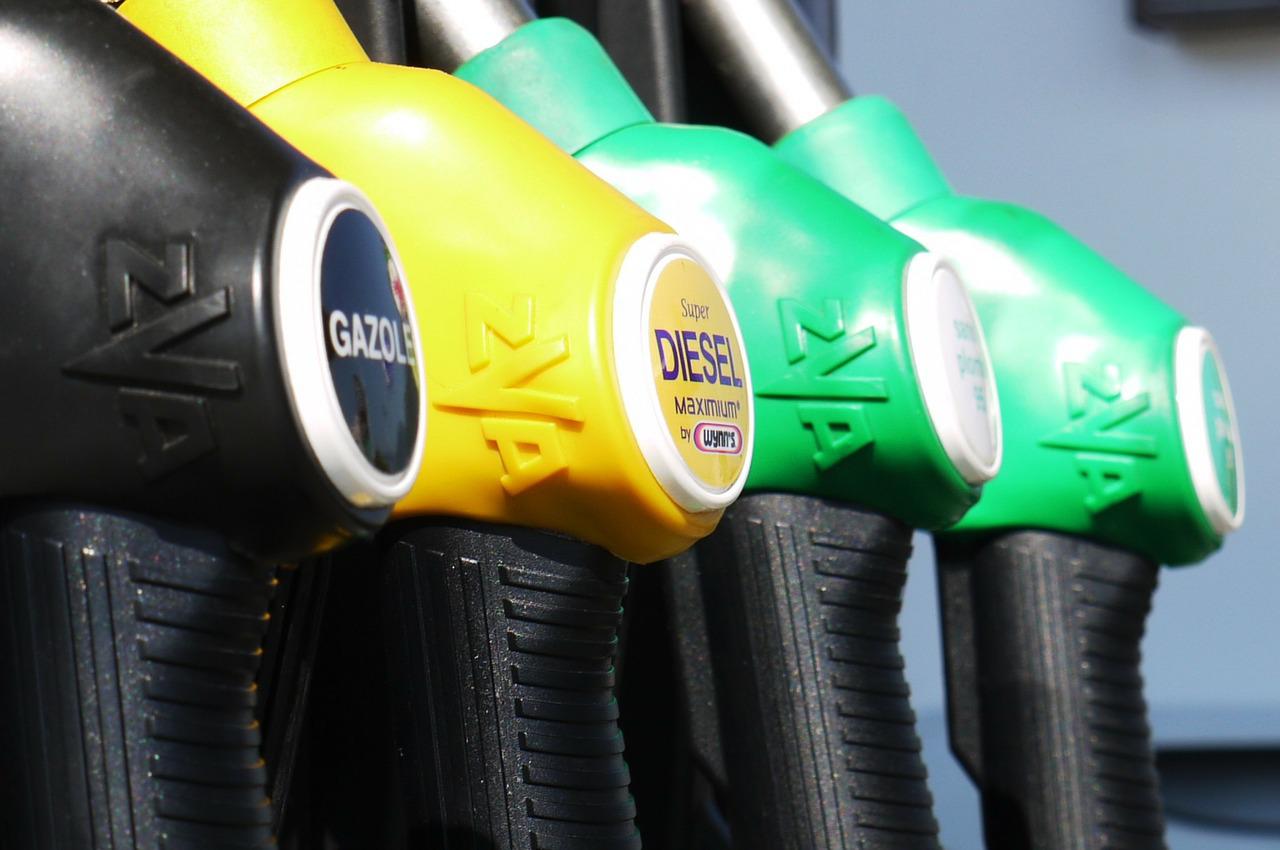
The Bill Approved by the Chamber of Deputies Requires Monthly Data Submission on Fuel Prices to ANP to Ensure Greater Transparency Regarding the Prices Charged for the Sale of Products and Derivatives.
Last Tuesday, (06/07), the Chamber of Deputies approved a new Bill by representative Arnaldo Jardim (Cidadania — SP), which replaced Bill No. 3677/21, authored by representative Reginaldo Lopes (PT-MG) and the Workers’ Party (PT) bench. Thus, the text goes to the Senate, but aims to mandate monthly submissions of fuel price data to the National Agency of Petroleum (ANP), to ensure greater transparency to the public.
The Bill by Representative Arnaldo Jardim Aims to Bring Greater Transparency to the Public Regarding Fuel Prices and Goes to the Senate.
The new text of Bill No. 3677/21, authored by representative Arnaldo Jardim (Cidadania-SP), was approved by the Chamber of Deputies on Tuesday and will create mechanisms for even greater transparency to the public regarding fuel prices in Brazil. This is yet another strategy by the government to ensure a more open discussion with the public about the abusive prices currently charged for fuels and their derivatives.
Thus, the text of the representative’s Bill now goes to the Senate and will be reviewed by the team for a vote and possible future approval. However, some other proposals that were part of the original text were removed, which would have allowed for limits on oil exports and control of Petrobras prices via ANP. This is because the agency would have to define the maximum price for production and commercialization of fuels, but the initiative was not well received by the Chamber of Deputies.
-
With the war silencing the wells of Iran, Brazil set a record of 5.3 million barrels per day and rose in the global oil ranking without anyone noticing — the pre-salt now accounts for 80% of everything that comes from the seabed.
-
After years of delays and billions invested, the Golden Pass megaterminal in Texas is about to start exporting liquefied gas and will reshape the global energy map amid the Middle East crisis.

-
The artificial intelligence market within the oil industry is worth billions today and will more than double by 2033, and those who do not get on board now with the race for digital twins and autonomous drilling will be left behind.

-
Petrobras quietly installed an artificial intelligence system called Smart Tocha in six of its largest refineries, and the technology independently controls the burning of gases to reduce emissions without any operator needing to intervene.
If approved, the Bill will require fuel-producing companies in Brazil to submit monthly to ANP the average values of eleven components that make up the consumer prices of the fuels for which they are responsible, which are:
- average production cost of domestically sourced oil;
- average production cost of domestically sourced natural gas;
- purchase cost of oil, when applicable;
- billing price at the production unit;
- billing price of importers;
- gross margin for fuel distribution;
- gross margin for retail sales of automotive fuels;
- taxes related to shipping to the distribution base, when applicable;
- freight from the production unit to the distribution base or, in the case of ethanol, to the gas station;
- freight from the distribution base to the retail gas station;
- taxes.
ANP Must Inform the Public Monthly of the Price of Each Fuel if the Bill Approved by the Chamber of Deputies Is Accepted by the Senate.
In addition to the reports that companies must send to ANP regarding fuel prices, the agency will have to publicly disclose monthly on the internet the composition of five types of these fuels: automotive gasoline, diesel oil, liquefied petroleum gas (LPG), aviation kerosene (QAV), and hydrated ethanol, with the main data that finalize the selling price.
Furthermore, ANP will also have to conduct monthly disclosures of the average selling prices of natural gas to pipeline gas distributors. Finally, although it does not set maximum and minimum prices to be charged for fuels, the Bill pressures companies such as Petrobras to adopt a more accessible pricing structure for the final consumer regarding the products.
This is the new initiative of the Chamber of Deputies to mitigate the political and economic instability surrounding Brazil regarding fuels at present and, now, it awaits only the Senate’s vote for possible approval and implementation into Brazilian legislation.










Seja o primeiro a reagir!