





 Portuguese
  English
  Spanish
  3 min of reading


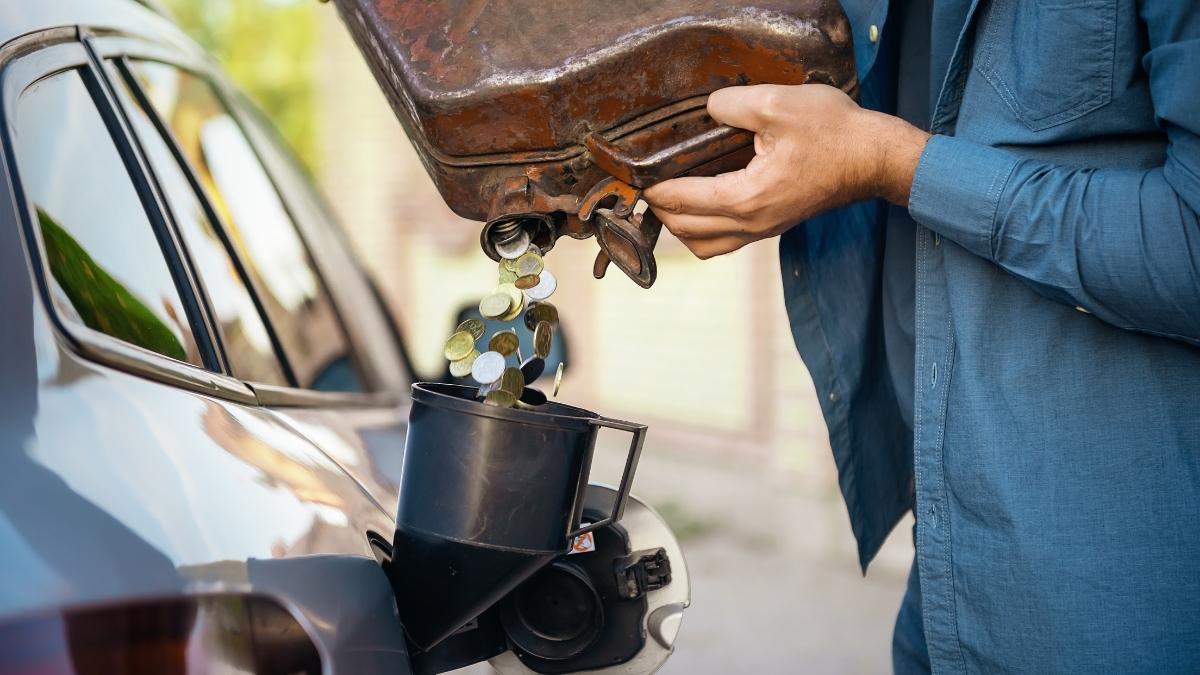
The President of the Chamber of Deputies, Arthur Lira, Met with Representatives of the Agency to Ask for a More Active Role of the Government Against High Fuel Prices and Suggests the Application of Provisional Measures Against Petrobras for This to Happen.
During last Monday (06/20), the President of the Chamber of Deputies, Arthur Lira (PP-AL), gathered leaders from governing and opposition parties to discuss the high fuel prices currently charged by Petrobras. In addition, the executive also requested a more active role from the Federal Government and suggested the application of Provisional Measures, known as MPs, against the state-owned company to change its current pricing policy.
Petrobras’ Fuel Pricing Policy is Criticized by the Chamber of Deputies, Which Suggests the Application of Provisional Measures to Contain the Current Scenario in Brazil
After yet another increase in fuel prices by Petrobras during the last week, the President of the Chamber of Deputies, Arthur Lira, is now discussing the need for a firmer stance from the Federal Government to maintain resource values.
This is because the Bolsonaro government has not taken the necessary measures to curb the ongoing price increases carried out by the state-owned company in recent months.
-
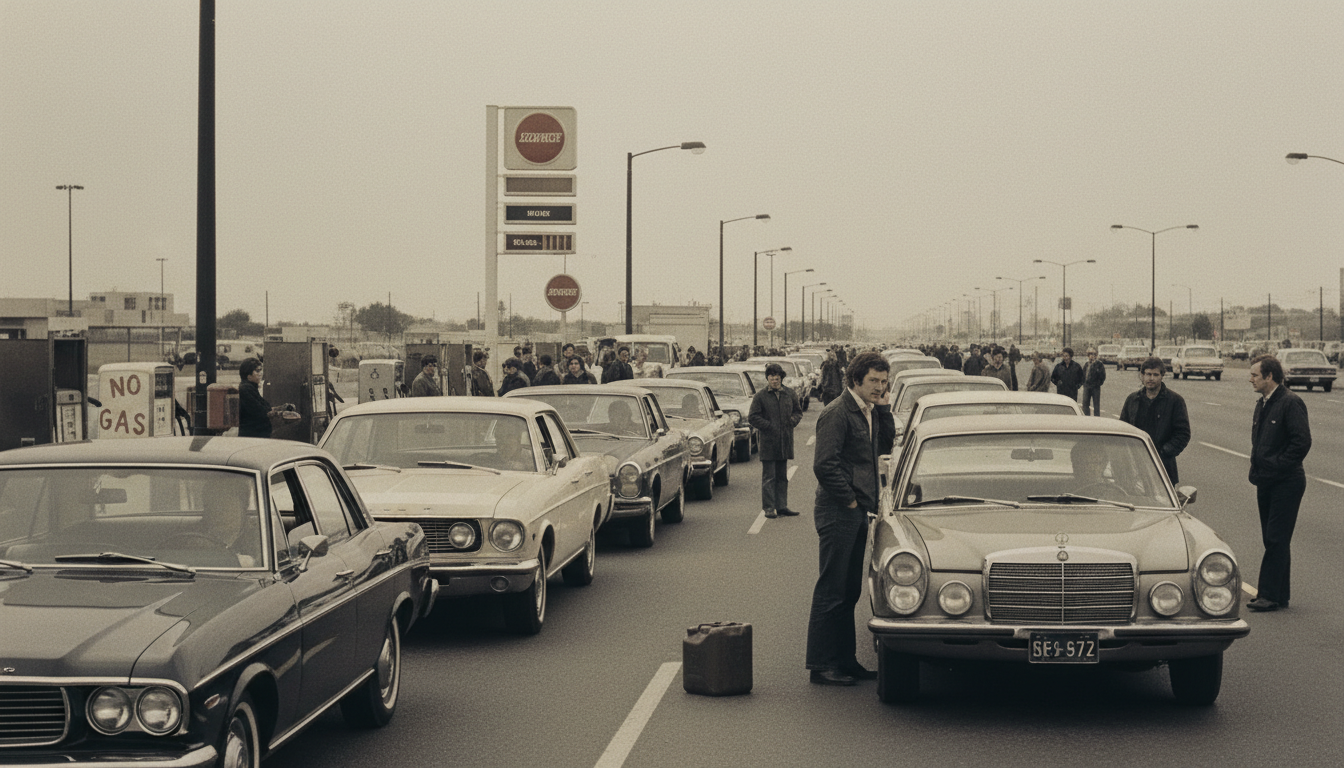
In the 1970s, oil became a weapon of war and paralyzed the entire world, and now the same thing is happening again with Iran closing off the route for 20% of the planet’s fuel.
-
When oil prices rise, the gas station increases prices the next day, but when it drops by 13% at once, no one explains why gasoline remains at the same price for months.
-
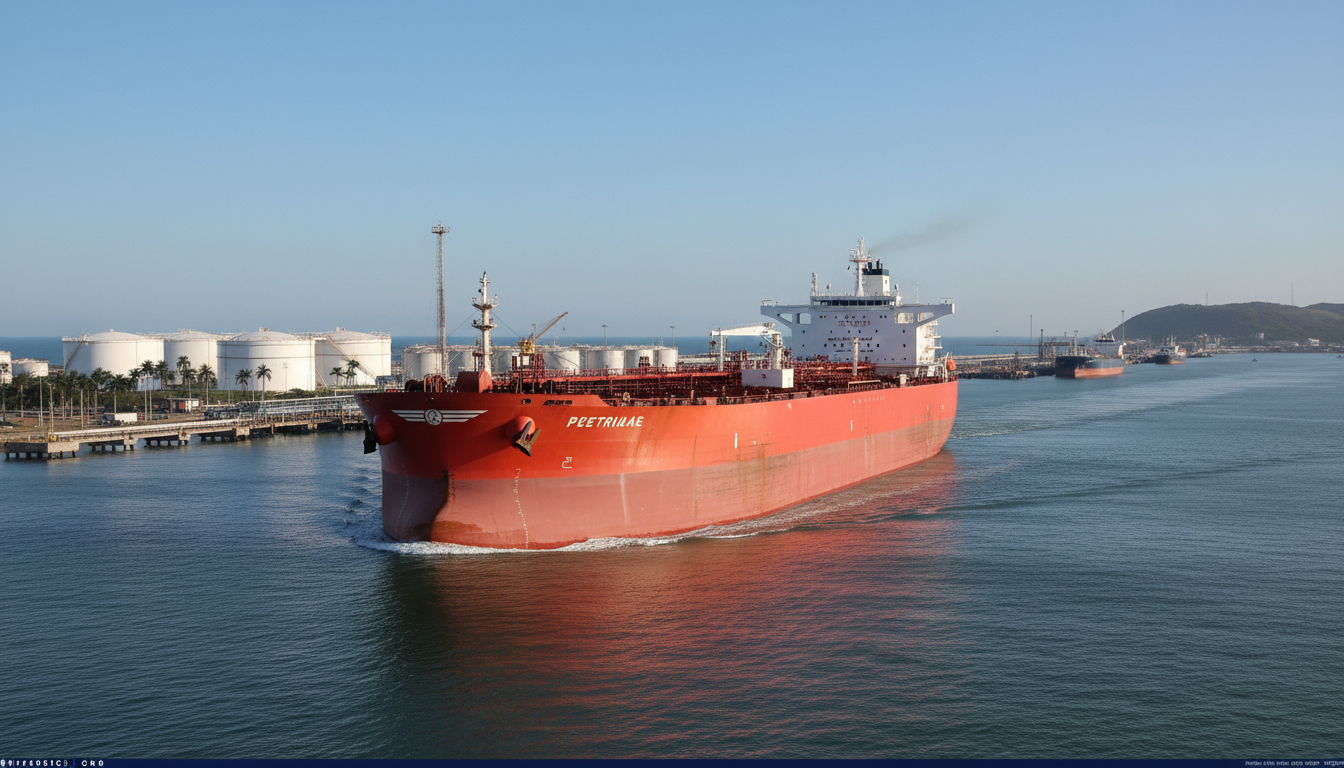
The largest fuel distributor in Brazil has just been forced to import diesel and gasoline on its own after Petrobras reduced its monthly deliveries.
-
After Trump gave Iran 48 hours to reopen the route for 20% of the world’s oil, the barrel skyrocketed to $117, dropped 13% with a truce, and the Central Bank had to inject $2 billion to stabilize the dollar.

And, although the meeting with representatives of opposition and base parties was inconclusive in the Chamber of Deputies, the president of the agency requested necessary measures from the Government. For this, Arthur Lira advocated the adoption of MPs to change the company’s pricing policy, end the company’s preference in pre-salt auctions, and alter the rules for the composition of the boards of directors as provided for in the State-Owned Companies Law.
All these measures could contribute to preventing the state-owned company from continuing to raise fuel prices in Brazil, harming the end consumer.
Another idea discussed with representatives of the Chamber of Deputies was the increase of taxes on the oil and natural gas sector in Brazil, but the idea was set aside by the representatives.
Now, new meetings will be held to discuss the topic, according to Vinícius Carvalho (SP) who stated: “Tomorrow [today] there will be another meeting with government technicians and government leaders to evaluate the most effective legislative measure.” Lira remains optimistic about the meetings and emphasized: “There is almost unanimous sentiment among all leaders that the Ministry of Economy and the federal government need to take a more direct action.”
In Addition to Provisional Measures Suggested by the Chamber of Deputies, Federal Government is Studying New Measures to Control the Rise in Fuel Prices Caused by the State-Owned Company
Although Arthur Lira’s suggestion on utilizing MPs to perform internal control at Petrobras and prevent the making of new decisions that would lead to increases in fuel prices seems like a measure not so efficient in the long term.
For this reason, the Federal Government is studying, with the Chamber of Deputies, the making of new decisions that could control this rise in resource values in Brazil.
Among the alternatives being studied by the government, the main one currently is the dilution of the government’s participation in the state-owned company through the privatization of Petrobras. Thus, the Executive is considering proposing the conversion of the company’s preferred shares into common shares, and in this way, the government would cease to be the controlling shareholder of the company. Consequently, the company would be fully controlled by the private sector, which, according to government representatives, could lead to a stabilization in fuel prices.
Now, Arthur Lira and the Chamber of Deputies await new meetings with government representatives for possible conclusions regarding what will be done to address the critical situation Brazil is currently facing regarding fuel prices.








Seja o primeiro a reagir!