





 Portuguese
  English
  Spanish
  4 min of reading
  0 comments


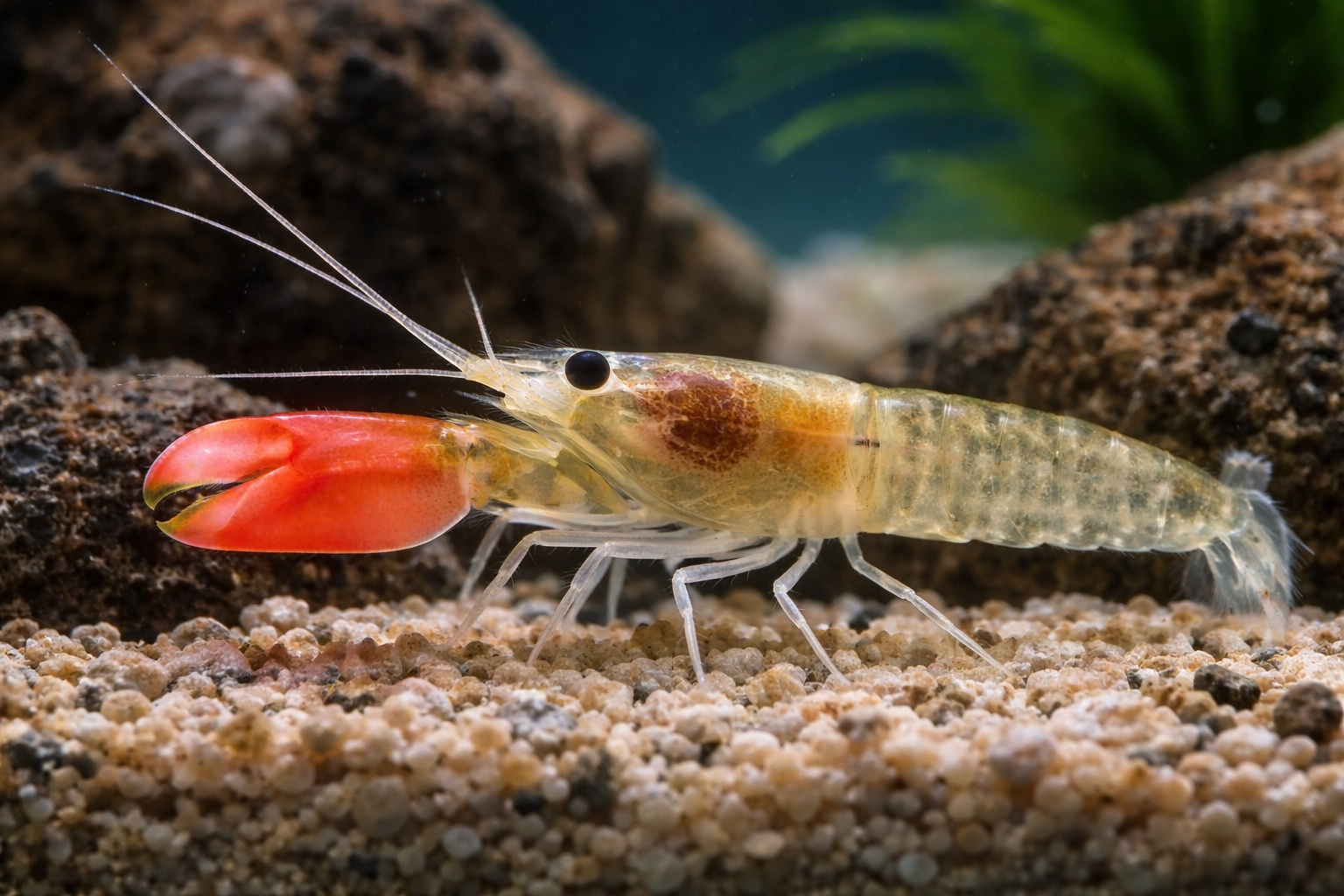
Snapping Shrimp Alpheus Produces Explosive Snaps Via Cavitation, Generating High-Energy Sound Waves Used for Defense and Communication in the Ocean.
It’s hard to believe that a crustacean just a few centimeters long can generate a physical impact comparable to the snap of a low-powered weapon, but that’s exactly what the Alpheus, commonly known as snapping shrimp, pistol shrimp, or pistol shrimp is capable of doing. It lives in warm waters of the Indo-Pacific, Caribbean, and parts of the Atlantic, and has developed a biological weapon based not on poisons, teeth, or strength, but on explosive sound waves produced by cavitation, an extreme physical phenomenon that occurs in both ship propellers and hydraulic turbines.
Human hearing rarely detects this phenomenon underwater, but measuring devices record acoustic peaks of over 190 decibels, an intensity sufficient to stun small fish and scare off predators. For such a tiny animal, this is a remarkable feat — and has been researched by physicists, biologists, and engineers to this day.
The Snapping Shrimp and Its Miniaturized Acoustic Weapon
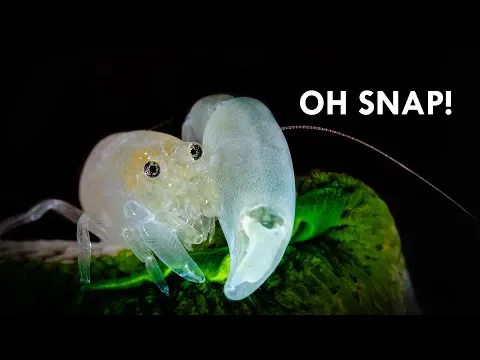
The Alpheus belongs to the Alpheidae family, with dozens of species distributed in reefs, mangroves, seagrass beds, and tropical estuaries. Despite its small size, the animal is easily recognized by having an asymmetrical claw, where one of the pincers is significantly larger than the other.
-
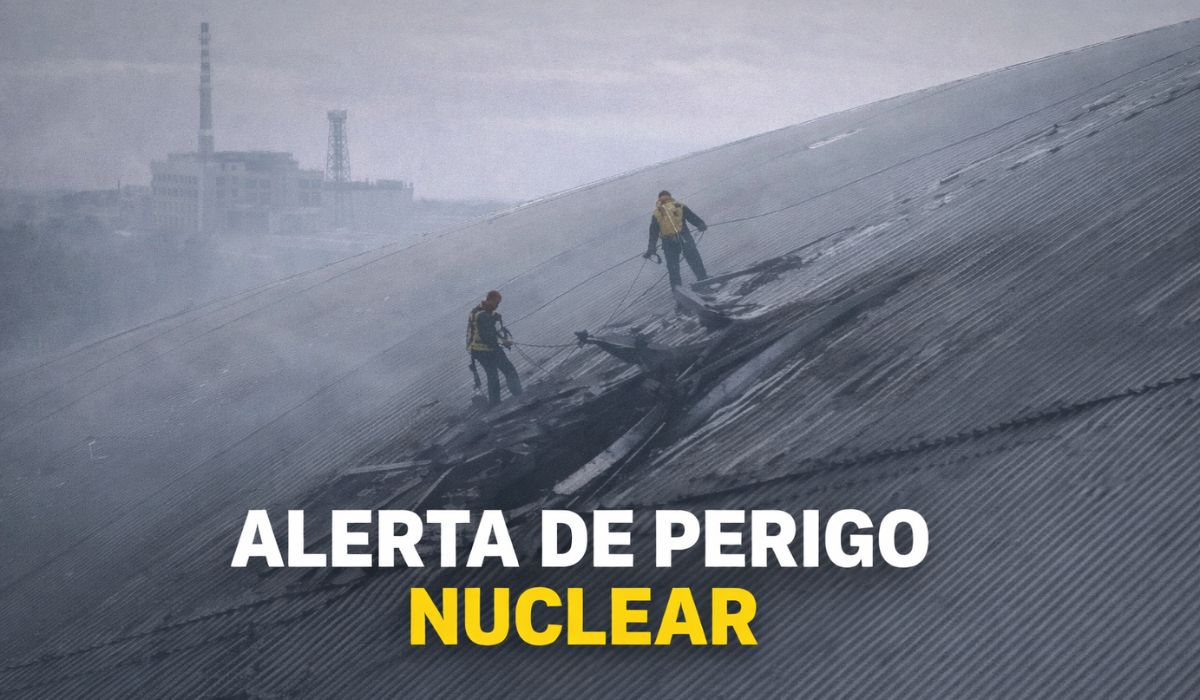
The gigantic steel shell built to contain Chernobyl for a century has been pierced by a drone, exposing a critical system and creating a hole that could cost over 500 million euros to repair.
-
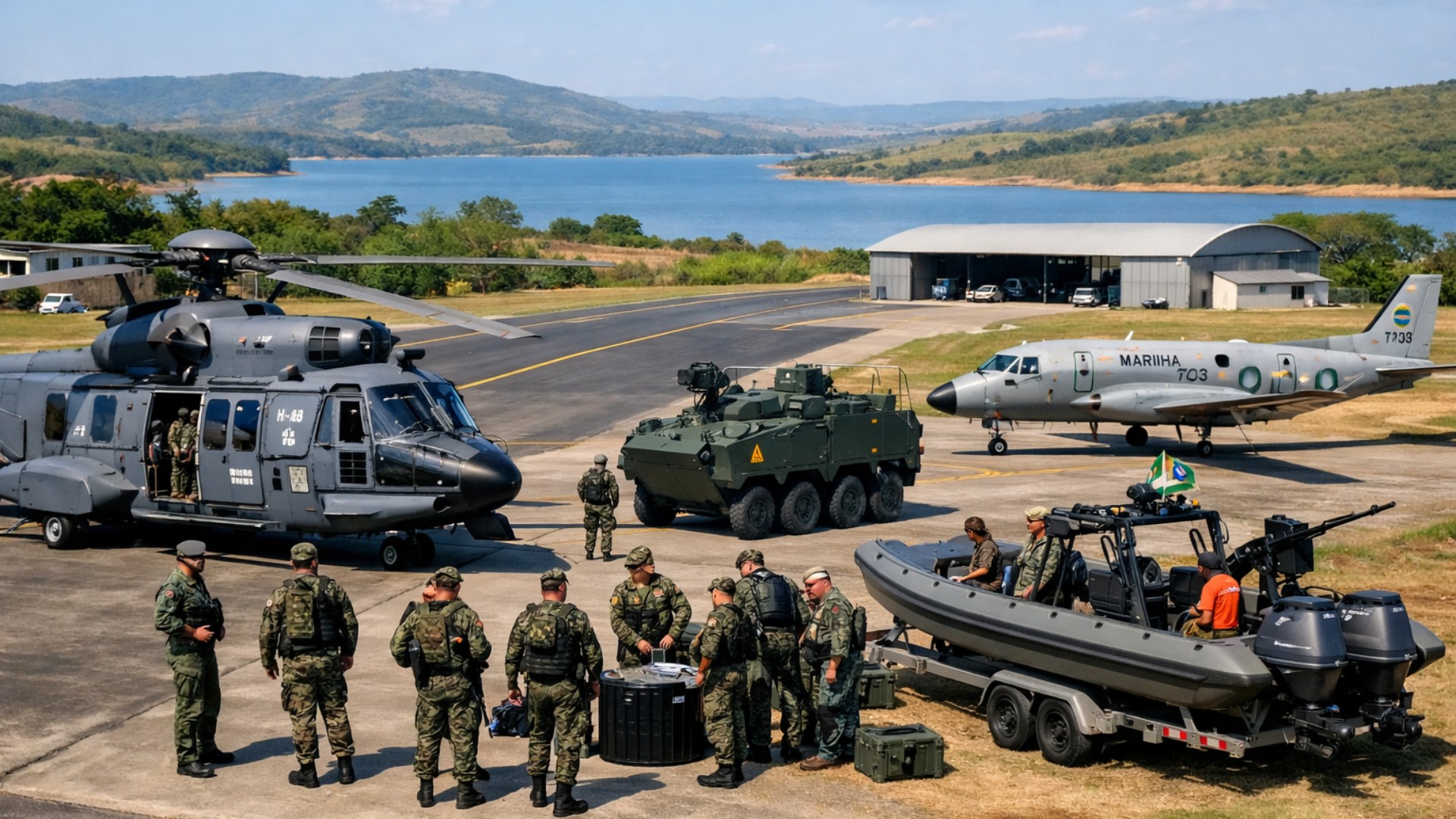
Brazilian Navy reaches a new level by taking over an airport with a 1,600-meter runway used by 1,800 military personnel and autonomous attack drone testing.
-
The Himalayas continue to grow to this day, with tectonic plates advancing 5 cm per year, mountains rising up to 10 mm annually, and the 2015 earthquake that killed 9,000 people may have increased the risk of an even larger seismic mega-event.

-
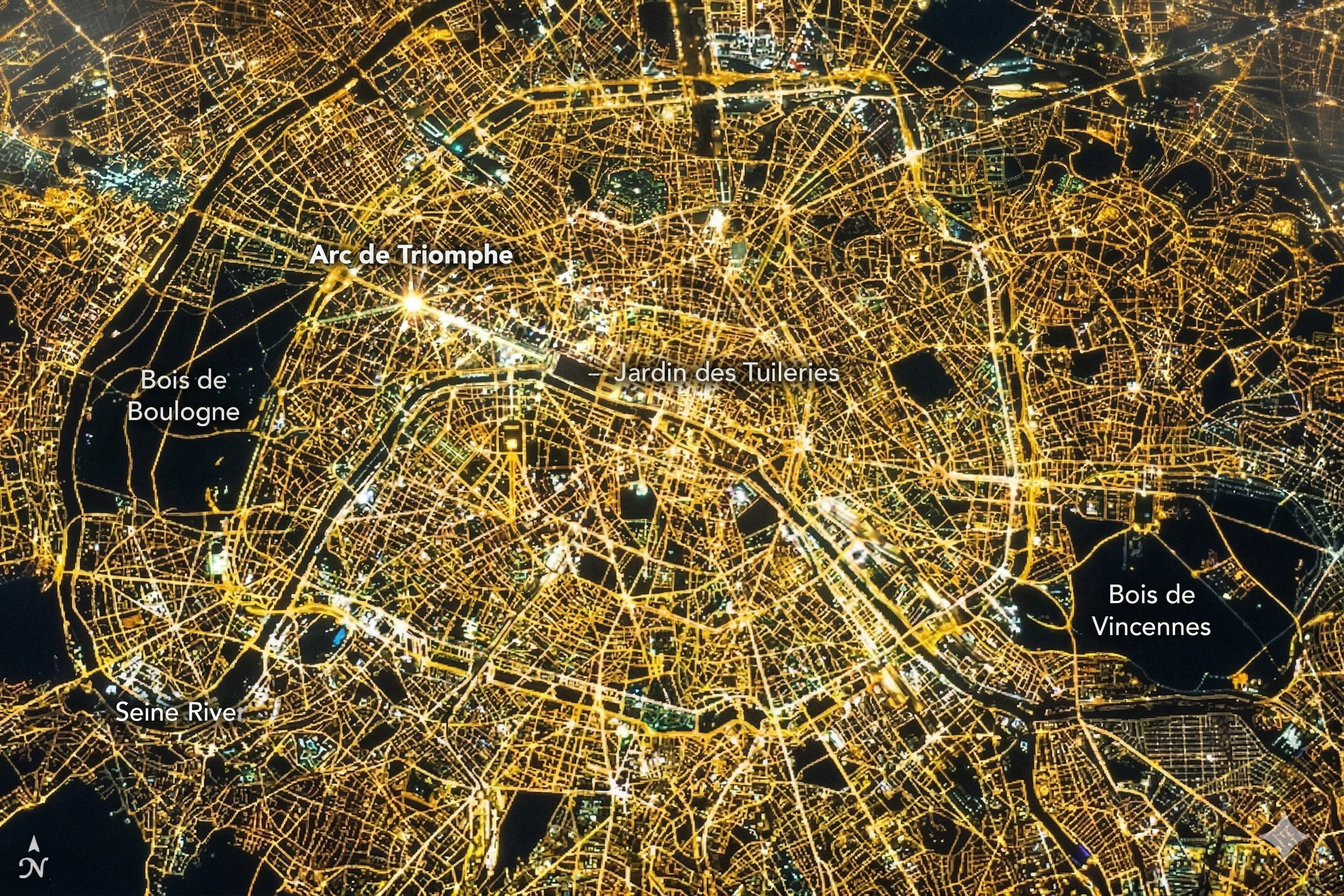
At an altitude of 400 km by astronauts from the International Space Station, Paris transforms at night into a golden mesh so precise that it reveals the outline of the Seine River, avenues, and entire neighborhoods like a luminous map drawn over the Earth.



Contrary to what one might imagine, this claw does not function as a pincer to cut prey. It is a specialized biomechanical structure that functions as a hydraulic cannon. When the shrimp wants to fire, it closes the claw extremely quickly, expelling a jet of water that reaches speeds sufficient to create a cavitation bubble — a microspace of vapor that implodes almost instantaneously.
It’s not the jet that produces the sound. It’s the collapse of the bubble, releasing sound, thermal, and luminous energy.
Cavitation: When Physics Enters the Animal Kingdom
The phenomenon of cavitation was described in engineering long before it was recognized in biology. In ship propellers, for example, water can vaporize due to pressure drop and form bubbles that implode with enough force to corrode metal. In the case of the Alpheus, the same physical principle is used as a weapon.
When the bubble implodes, a rapid release of energy occurs which produces a sound shock wave, generates a thermal pulse, and can even emit short-lived luminescence.

Research conducted with high-speed cameras showed that, at the moment of implosion, the temperature inside the bubble can reach extremely high values for fractions of a second. Although the exact values are still debated and the data is incomplete, the most impressive thing is that all of this happens on a millimeter scale.
The sound generated reaches peaks close to 200 decibels underwater. It’s important to contextualize: this value cannot be directly compared to noise in air, because the liquid medium transmits sound energy differently. Still, it’s enough to disrupt sonar sensors, scare off predators, and capture prey.
How a Small Animal Uses This in Practice
The acoustic weapon of the Alpheus is not just a random physical trick. It serves specific functions:
- Defense Against Predators: the snap can stun small fish, scare off juvenile cephalopods, and prevent unwanted approaches.
- Prey Capture: small crustaceans and fish can be disoriented, facilitating capture.
- Communication: colonies with dozens of individuals use snaps to mark territory and establish social interactions.
Reefs with large concentrations of Alpheus produce a characteristic background sound, known by oceanographers as “snapping noise” — a continuous crackle made up of thousands of microexplosions. This natural noise is so loud in some regions that it can interfere with research equipment.
Natural Engineering and Symbiosis with Gobies
A lesser-known yet equally fascinating aspect is that several species of Alpheus live in symbiosis with goby fish. The shrimp digs tunnels in the substrate, creating complex shelters, while the goby acts as a sentinel, alerting about predators with tail movements.
This partnership increases the survival of both in high-predation areas. Meanwhile, the acoustic weapon of the shrimp provides an additional layer of protection, making the shelter safer.
From an evolutionary biology perspective, this symbiosis reinforces the idea that sound is not just a byproduct of cavitation, but an important component of the behavioral ecology of the group.
Why Science Cares About a Few Centimeter Shrimp
The answer involves three areas of research:
1. Sensory Biology: The Alpheus is a model for understanding how aquatic animals use pressure waves instead of vision to navigate, communicate, and defend themselves. In murky or nighttime waters, hearing may be more useful than sight.
2. Fluid Mechanics: Controlled cavitation at a small scale interests engineers studying: turbines, propellers, injectors, microfluids. Observing a crustacean mastering this process may inspire biomimetic solutions.
3. Marine Acoustics and Environmental Impact: The noise generated by large populations of Alpheus can interfere with: hydrophones, cetacean studies, underwater mapping.
This challenges scientists to distinguish biological noise from anthropogenic noise.
What We Still Don’t Know
Despite advancements, there are still significant gaps:
- There is no consensus on the exact temperature inside the cavitation bubble;
- Details are still lacking on how the shrimp’s brain integrates vision, touch, and hearing to use the snap strategically;
- We do not know exactly how populations of Alpheus influence the acoustic communication of dolphins and whales.
These questions fuel an interdisciplinary research field involving physics, marine biology, and engineering.








-

-

-

-

-

-

24 pessoas reagiram a isso.