





 Portuguese
  English
  Spanish
  3 min of reading
  0 comments


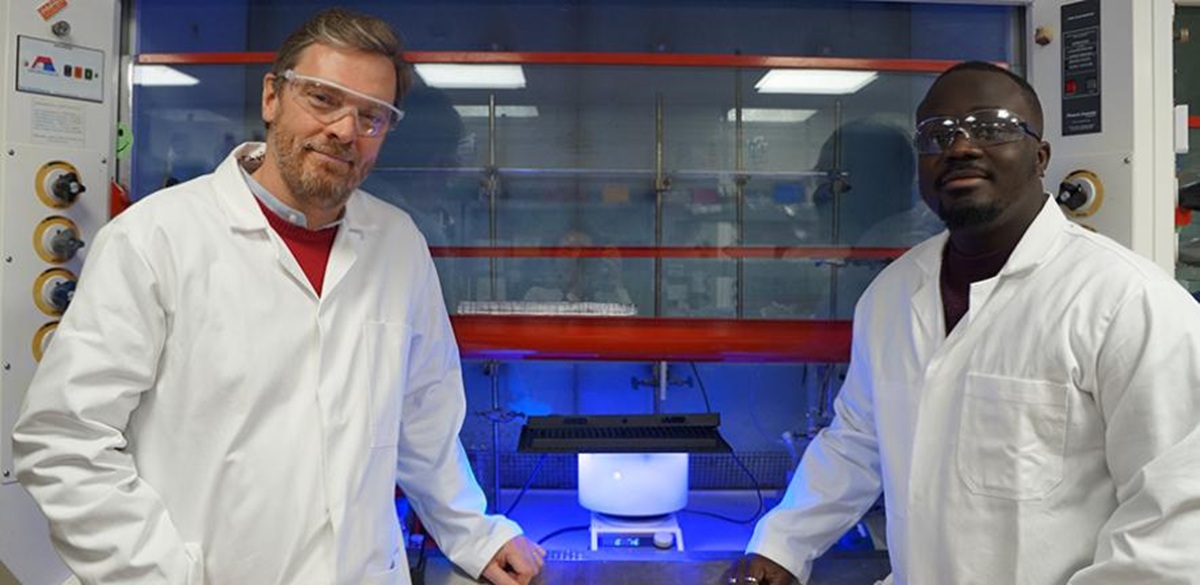
Researchers from the University of Cambridge developed a solar-powered reactor that converts hard-to-recycle plastic and used battery acid into clean hydrogen and acetic acid, with continuous operation exceeding 260 hours and potential to give a new destination to currently underutilized waste
Researchers from the University of Cambridge developed a solar-powered reactor capable of transforming hard-to-recycle plastics and used battery acid into clean hydrogen and industrially valuable chemical compounds. The proposal brings together, in a single system, two problematic wastes and converts them into useful resources, paving the way for a broader application of the circular economy.
The technology uses a solar-powered acid photoformation process, eliminating the need for high temperatures and large energy consumption to activate complex chemical reactions.
In a scenario where chemical recycling often requires energy-intensive processes, the system emerges as a lower-impact environmental alternative.
-
Samsung made a mistake and you need to take advantage before they fix it: the Galaxy S25 FE has dropped in price and now ‘humiliates’ the S26 in cost-benefit with plenty of screen, cameras, and performance.

-
The old silos could not withstand the change, and the U.S. began the construction of a new structure for nuclear missiles.

-
End of the RAM memory crisis? Google develops a new method that changes memory usage in AI and allows for reduced computational costs while maintaining consistent performance in increasingly demanding applications.

-
Japan builds a 3D-printed train station overnight, between the last train and the first of the morning.
How the reactor produces clean hydrogen
The operation of the system begins with the reuse of acid recovered from used car batteries, employed to break the long polymer chains present in waste such as plastic bottles, nylon fabrics, and polyurethane foams. From this breakdown, simpler molecules emerge, including ethylene glycol.
In the next step, a photocatalyst designed to withstand highly corrosive environments without degradation comes into play. This material allows sunlight to activate the conversion of the resulting compounds into clean hydrogen and acetic acid, expanding the reach of the process beyond simple recycling.
The acetic acid obtained also has industrial relevance, as it is widely used in the chemical industry. Thus, the reactor not only generates a source of energy but also creates a reusable product that can feed new value chains.
Complex waste gains new utility
The proposal gains importance in light of the global volume of plastic produced each year, estimated at over 400 million tons. Of this total, only about 18% is recycled, while the rest ends up incinerated, buried, or dispersed in ecosystems.
In this context, the new technology stands out by not focusing solely on simpler recycling materials, such as PET.
The system also acts on complex and mixed plastics, which currently have few viable applications and often represent one of the most challenging points in waste management.
The logic of the process also changes the traditional destination of these materials. Instead of trying to return the plastic to its original form, the reactor converts this waste into something new and useful, in a more flexible approach to the diversity of current discards.
Battery acid stops being waste
Car batteries contain between 20% and 40% acid by volume, but this component is usually neutralized and discarded, even when the lead has already been recovered. This generates environmental and economic costs, in addition to keeping open a cycle of reuse that is still underexplored.
The proposal developed in Cambridge changes this destination by reusing the acid before neutralization, transforming it into an active part of the chemical process. Thus, what was previously treated as waste becomes a raw material, reinforcing the idea of closing currently incomplete production cycles.
Laboratory performance and next challenges
In laboratory tests, the system operated continuously for over 260 hours without performance loss, a result considered promising for a technology still in the experimental phase. Despite this, industrial application still depends on advancements outside of chemistry, an area where feasibility has already been demonstrated.
The main obstacle lies in the engineering required to build reactors capable of functioning continuously in corrosive environments, with durable materials and affordable costs.
The future of clean hydrogen obtained by this method will depend precisely on the ability to transform this laboratory performance into a scalable and industrially viable structure.






Seja o primeiro a reagir!