





 Portuguese
  English
  Spanish
 4 min of reading
  0 comments


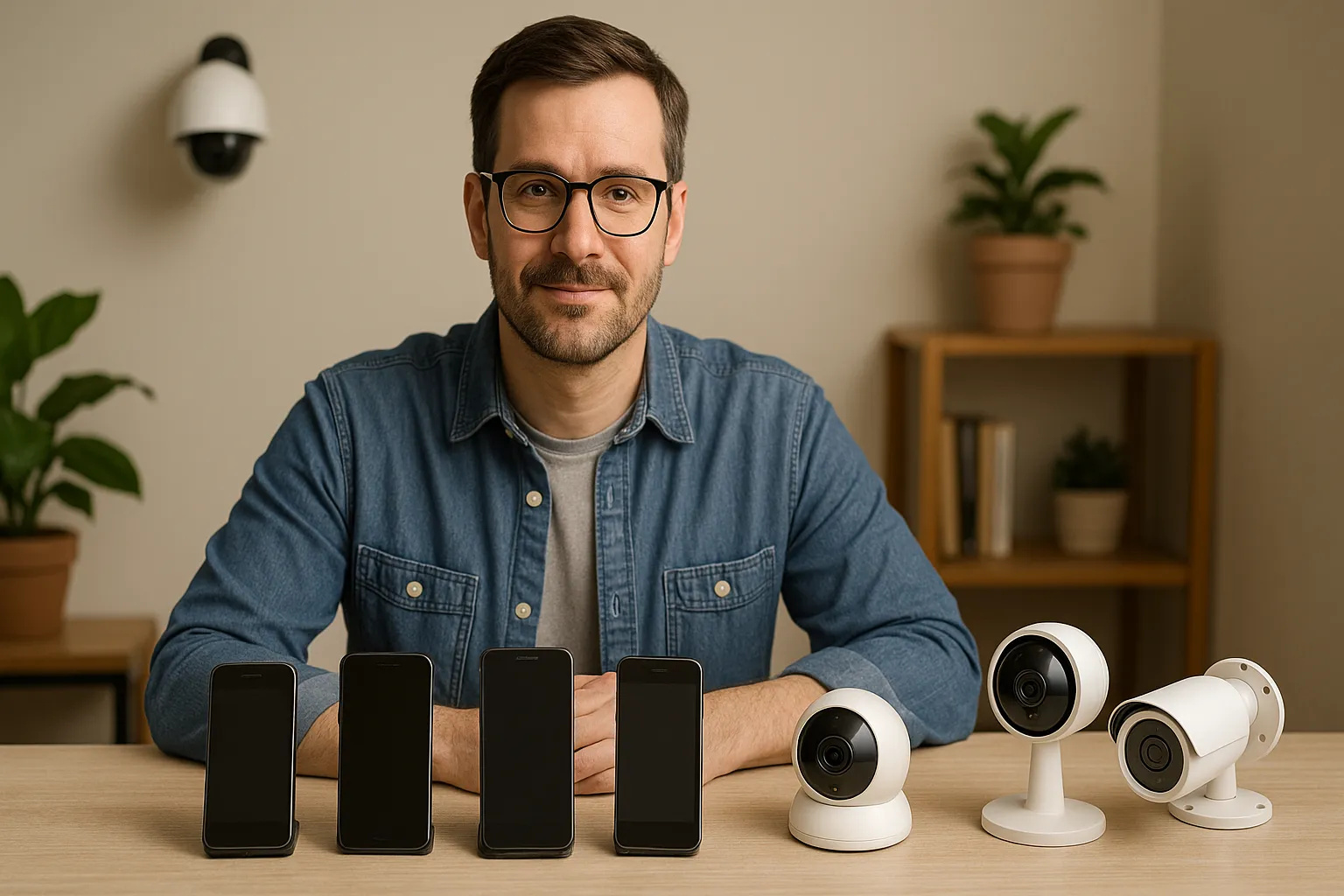
The adoption of home video monitoring solutions has evolved considerably with the advancement of mobile technology. Today, it is possible to repurpose an obsolete smartphone as a functional security camera, without the need for new hardware investments. This practice offers 24-hour coverage, with real-time remote streaming, cloud recording, and motion detection—utilizing features already present on the device.
Security Camera with Cell Phone: Essential Technical Setup
To turn a cell phone into a security camera, the first step is to ensure the integrity of the image sensors and the device’s wireless connectivity. It is recommended that the device has a functioning rear camera, access to a stable Wi-Fi network, and support for the Android or iOS operating system capable of running monitoring apps.
Among the most widely used apps are those that operate as IP servers or integrated surveillance platforms (such as Alfred, IP Webcam, or Manything), allowing pairing with another device for remote viewing, recording control, and real-time event notifications. The app should be installed via the official store, with permissions granted for use of the camera, microphone, and network access.
-
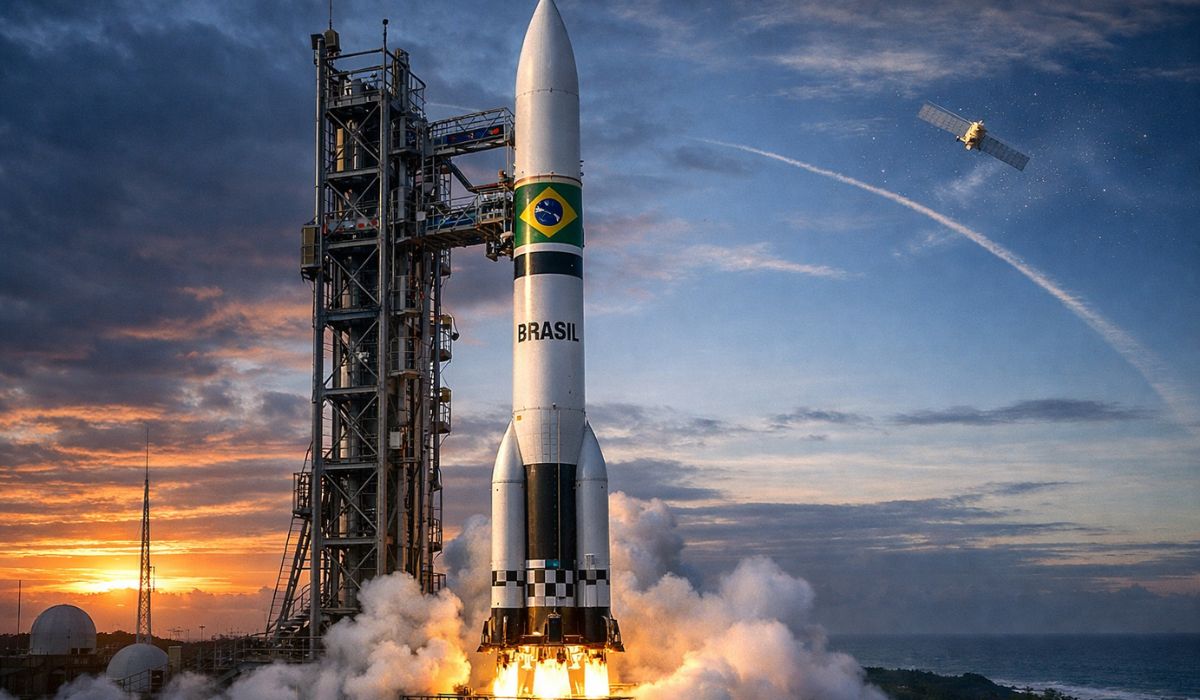
After decades of failed attempts, Brazil is once again looking to space with an orbital rocket measuring 12 meters, weighing 12 tons, costing R$ 189 million, and scheduled for launch in 2026, in a new race to finally achieve autonomous access to orbit.
-
The Earth will plunge into a few minutes of darkness in broad daylight in August 2026, when a total solar eclipse transforms the sky into one of the most impressive astronomical phenomena in recent years.

-
How the terraforming of Mars can transform the planet: artificial aerosols can increase the temperature by up to 35°C in 15 years, creating conditions for liquid water.

-
Scientists drilled nearly 8,000 meters into the ocean floor above the fault that caused the 2011 tsunami in Japan and discovered that a layer of clay 130 million years old was responsible for making the wave much worse than any model had predicted.


During setup, it is ideal to disable secondary functions of the operating system, such as Bluetooth, GPS, and automatic updates. This reduces power consumption and improves performance. Activating the “Always On” mode and setting the minimum brightness preserves the display and prevents premature wear.
Installation Strategies and Device Positioning
The choice of installation point for the makeshift camera directly influences the efficiency of surveillance. Priority should be given to areas of circulation and access, such as external doors, hallways, garages, and service entrances. The cell phone can be secured with articulated mounts, tabletop tripods, or universal brackets, ensuring stability and adequate angular coverage.
For indoor environments, it is recommended to fix it near the ceiling or in high corners, using extension cables to keep the device continuously powered. Powering it via the original charger or a voltage-controlled source prevents overloads and overheating.
It is essential to keep the camera lens always clean and free of obstructions. Low-light environments may require apps that simulate digital night vision or perform ISO compensation via software, as long as the device’s sensor supports such adjustments.
Optimization of Mobile Surveillance System Resources
Modern surveillance apps allow configuring specific detection zones within the field of view, reducing false positives. Activating push or email alerts is recommended for full-time use. It is also possible to trigger automatic recording when motion is detected, with local storage or synchronization with cloud services (Google Drive, Dropbox, among others).
Using efficient video codecs, such as H.264 or H.265 (depending on the app and the cell phone’s capability), is recommended for compression without significant loss of quality. In cases of continuous monitoring, it is ideal to adjust the frame rate (FPS) to values between 10 and 15, optimizing bandwidth without compromising visibility.
Additionally, apps that provide two-way audio enable real-time communication with the monitored environment, expanding the system’s functionalities beyond passive surveillance.
Digital Security and Data Protection
When using a cell phone as a security camera, it is imperative to consider the cybersecurity of the system. The Wi-Fi router should be protected by a strong password and updated with recent firmware. The account used in the app needs to have two-factor authentication whenever possible.
The cell phone should operate on a private network, with restricted access by IP and, ideally, with a firewall configured to block unnecessary ports. Installing apps from unofficial sources should be avoided to mitigate risks of invasion or exposure of images.
It is also recommended to periodically monitor data usage and the access history of the system, ensuring that there are no unauthorized connections to the makeshift camera.
Technological Reuse with Purpose
Using an old smartphone as a security camera represents a convergence between sustainable reuse and technological functionality. This solution not only reduces costs but also prevents the premature disposal of electronics, promoting a circular economy.
With the proper adjustments and care, this makeshift system can fully meet the basic residential security needs without compromising quality or reliability. In condominiums, small businesses, and urban residences, this approach has proven particularly effective as a complementary or redundant system for critical areas.








-

Uma pessoa reagiu a isso.