





 Portuguese
  English
  Spanish
  3 min of reading


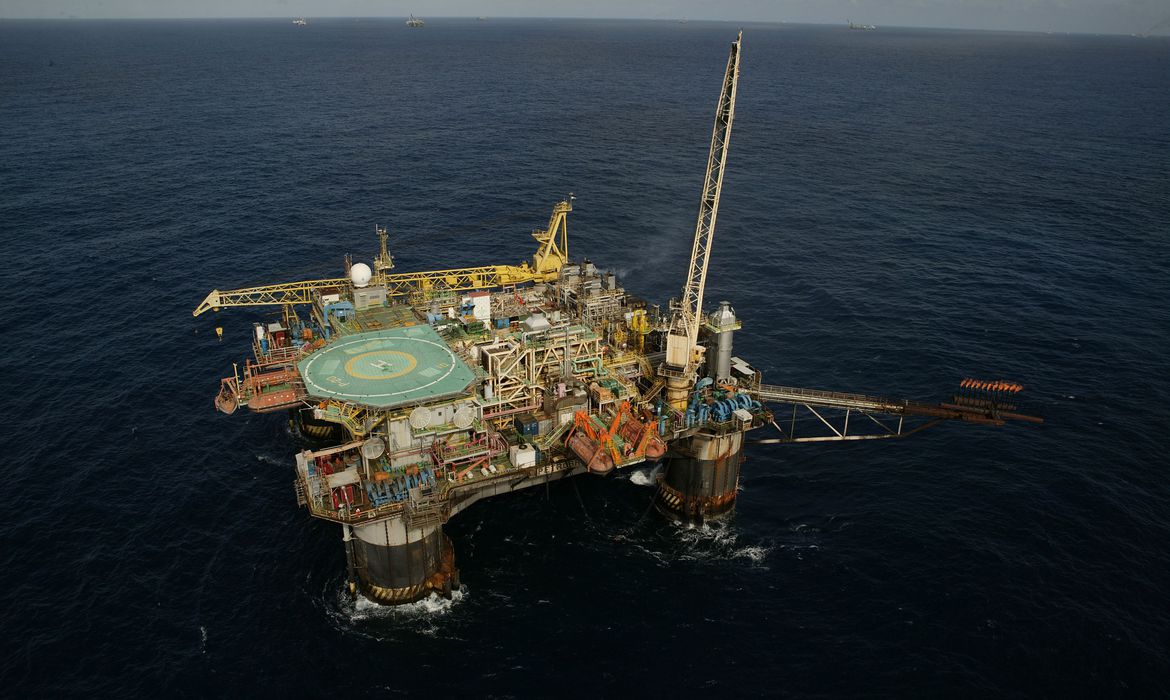
The Fourth Phase of Petrobras’ Fuel Exploration Campaign in the Santos Basin Is Scheduled for 2023 and Will Contribute to the Oil and Natural Gas Sector with Strong Job Opportunities and Increased Demand for Support Vessels.
The oil and natural gas company Petrobras has strong expectations regarding the future of the fuel exploration campaign in the Santos Basin, located in southeastern Brazil. This is because the Fourth Phase of production in the Búzios, Sururu, Sépia, Atapu, Mero, Uirapuru, Três Marias, Sagitário, Aram, and Tupi fields will boost the demand for support vessels and job generation on the national scene.
The Fourth Phase of Petrobras’ Fuel Exploration Campaign in the Santos Basin Will Be a Strong Driver of the Brazilian Oil and Natural Gas Sector
Petrobras is preparing a new wave of investments in oil and natural gas exploration in the Santos Basin, and consequently, there will be growth in job opportunities in the national sector.
The company will start its new phase of exploration in the region in 2023, the Fourth Phase, which will include projects in the Búzios, Sururu, Sépia, Atapu, Mero, Uirapuru, Três Marias, Sagitário, Aram, and Tupi fields, all located in the southeastern region of Brazil.
-
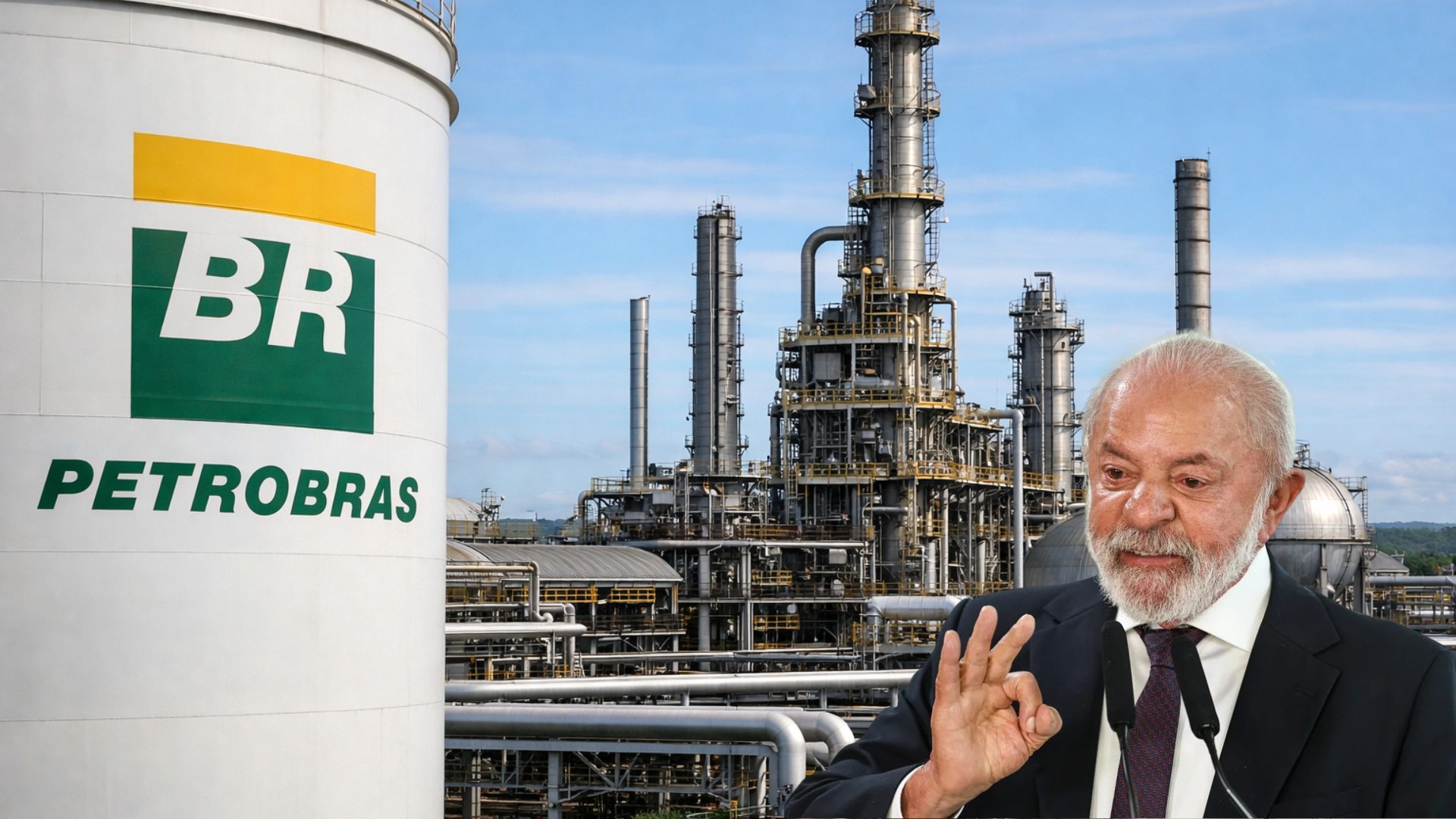
Lula reveals a masterstroke by Petrobras to undo a deal made by Bolsonaro, which involves the return of an important refinery that currently produces less than half of what was expected and makes Brazil dependent on international diesel.
-
A study confirms that the natural gas sector will reduce greenhouse gas emissions in Brazil by 0.5% and accelerate the energy transition by 2026.

-
Petrobras implements a severe adjustment and confirms a 55% increase in the price of aviation kerosene with a proposal for installment payments for the companies.

-
The rise in oil prices could ensure an extra revenue of R$ 100 billion for the Federal Government, indicates a recent economic study.


At the beginning of 2023, the kickoff for the new phase of exploration in the Santos Basin will occur with the implementation of the Mero – Recovery Factor (Mero FR) project. The other oil and natural gas fields will be explored until the end of 2028, with the completion of the Fourth Phase by Petrobras.
As the platforms come into operation, more than 2,200 outsourced jobs are expected to be created, contributing to job generation in Brazil.
Among these job creation numbers in the country, 1,494 positions will be for work on the chartered FPSOs and 720 on Petrobras-owned FPSOs, according to data presented by Petrobras in the Environmental Impact Report (Rima) of the Fourth Phase.
The 13 projects that make up the Fourth Phase will be the largest for Petrobras and will have about 185 wells, totaling an estimated average production of 133,000 cubic meters per day of oil and about 14.5 million cubic meters per day of natural gas.
Demand for Support Vessels Will Strongly Increase with the Fourth Phase of the Exploration Campaign in the Santos Basin in 2023
With the development of 13 new fuel exploration projects in the Búzios, Sururu, Sépia, Atapu, Mero, Uirapuru, Três Marias, Sagitário, Aram, and Tupi fields, Petrobras expects to invest heavily in maintenance and safety services for its vessels.
Thus, there will be a strong increase in the demand for support vessels to ensure higher operational quality on the Brazilian state-owned company’s FPSO platforms in the Santos Basin.
Additionally, according to company data, the PSV type vessel, used for transporting heavy cargo, will be the most utilized for supporting activities in the coming years (2024 and 2029).
Support stations will also be utilized alongside support vessels, all interconnected, such as ports, airports, administrative centers, waste disposal areas, oil receiving terminals, gas treatment units, and export pipelines.
In this way, Petrobras will continue to contribute to the growth of the oil and natural gas sector in Brazil as it expands its production and exploration of new fuel areas in the Santos Basin.









Seja o primeiro a reagir!